
 English
 usheenthermal

Maximize Motor Longevity: Industrial Motor Insulating Heat Dissipation Sheet
Date:2026-03-20
Maximize Motor Longevity: Industrial Motor Insulating Heat Dissipation Sheet
Heat is the silent motor killer—the slow burn that turns high-dollar equipment into shop-floor heartbreak. An Industrial motor insulating heat dissipation sheet works like a pressure valve for that chaos, pulling heat away while blocking stray current before it chews through windings. It’s the difference between a motor that hums for years and one that taps out early.
“Thermal drift is still the top failure trigger in continuous-duty systems,” noted a 2025 Sheen Technology senior design engineer during a reliability briefing.
Think of it like sunscreen for your machinery—thin, tough, and standing guard so your production line doesn’t sweat the small stuff.
3 Key Benefits of Insulating Sheets
Industrial motors work hard, and heat is the silent troublemaker. An Industrial motor insulating heat dissipation sheet keeps temperature, insulation, and durability in check. When industrial motor heat builds up, the right insulating sheet makes all the difference.
Enhanced Thermal Management Through Boron Nitride Sheets
An Industrial motor insulating heat dissipation sheet built with Boron Nitride focuses on steady Thermal Conductivity and controlled Heat Dissipation inside Industrial Motors.
Core material design
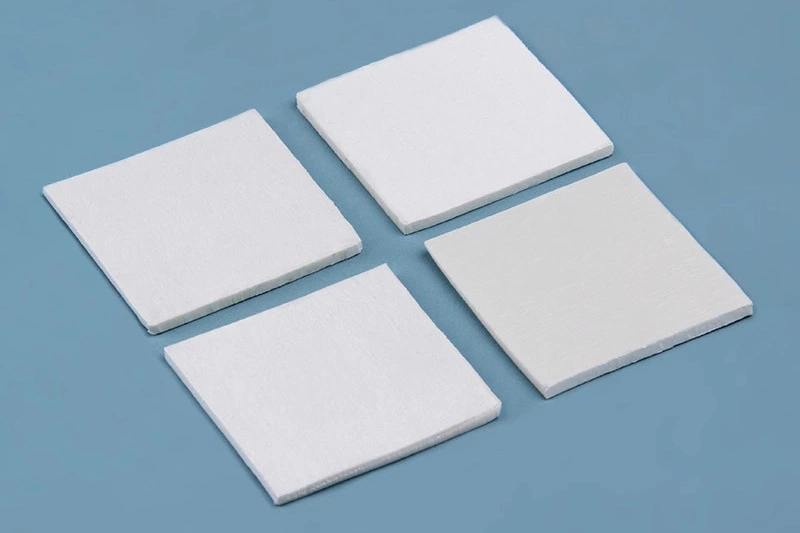
Boron Nitride fillers
· Improve lateral Thermal Conductivity
· Spread motor heat fast to avoid hotspots
Supporting graphite structures
· Balance Temperature Control
· Maintain stable insulating performance
Functional integration
As an Insulating Sheet
· Separates live components
· Maintains dielectric stability
As a motor heat dissipation sheet
· Transfers heat from stator windings
· Reduces thermal aging
Real-world value
· Lower internal motor temperature
· Fewer shutdowns from overheating
· Smoother long-hour operation
Sheen Technology fine-tunes filler ratios so the Industrial motor insulating heat dissipation sheet handles both heat flow and insulation without compromise.
Prolonged Motor Life via Vibration Damping and Electrical Insulation
Motor stress is not just thermal; vibration wears parts down.
Mechanical stability
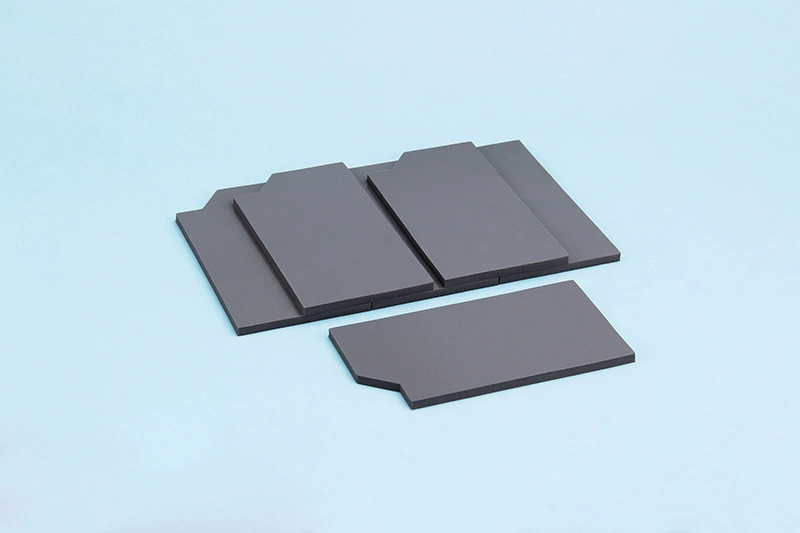
Silicone base layer
· Enhances Vibration Damping
· Cuts micro-movement between components
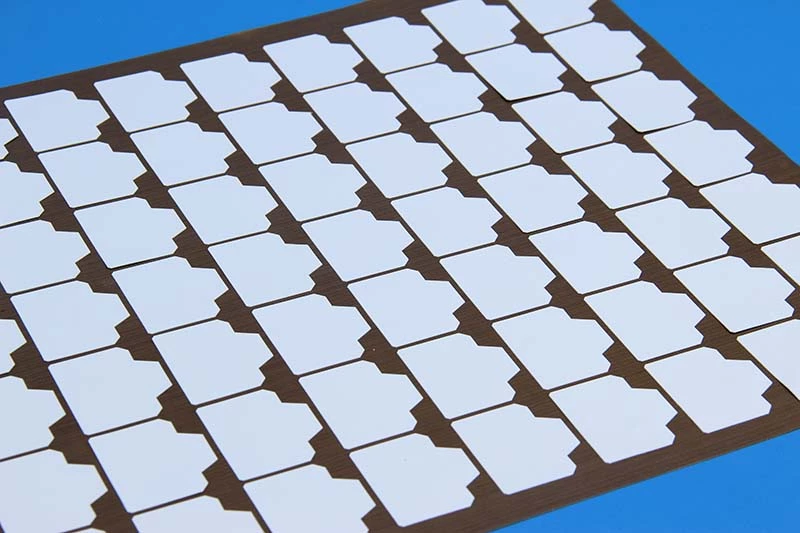
Fiberglass reinforcement
· Adds tensile strength
· Supports Component Protection
Electrical performance
· High-grade Electrical Insulation
· Prevents leakage currents
· Supports consistent dielectric strength
Surface stability
· Reduces carbon tracking
· Improves Operational Stability
Long-term impact
· Reduced Wear on windings
· Extended Motor Longevity
· Fewer maintenance cycles
This motor insulating heat sheet works like a quiet bodyguard inside the housing.
Chemical Inertness and Moisture Resistance for Harsh Environments
Factories get messy. Oil mist, humidity, solvent vapor—it’s all part of daily life.
Material resistance
Silicone matrix
· Strong Chemical Inertness
· Limits swelling from oils
Stable polymer chains
· Support Material Integrity
· Aid Corrosion Prevention
Environmental shielding
· Moisture-blocking structure
· Reinforces Moisture Resistance
Protects surface resistivity
· Sealed interface fit
· Enhances Environmental Protection
· Maintains insulation in Harsh Environments
Operational durability
· Fewer insulation breakdowns
· Reliable heat dissipation sheet performance
· Longer service cycles in damp workshops
For demanding sites, an Industrial motor insulating heat dissipation sheet from Sheen Technology keeps motors cool, insulated, and ready to run without drama.
Sheet Thickness And Thermal Conductivity
Heat control in motors isn’t just tech talk—it’s the real deal behind longer service life and safer operation. When choosing an Industrial motor insulating heat dissipation sheet, thickness, filler design, and sheet dimensions all shape how heat moves and how insulation holds up.
How Silicone Rubber Thickness Impacts Thermal Conductivity
When designing an Industrial motor insulating heat dissipation sheet, Silicone Rubber and its Sheet Thickness directly influence Thermal Conductivity and insulation balance.
Core relationship between thickness and heat flow
1.1 Heat path length
· Thicker Material Thickness increases distance for Heat Transfer.
· Excess thickness raises thermal resistance.
1.2 Mechanical flexibility
· Thin sheets bend easily around coils.
· Over-thinning may weaken Insulation Properties.
Performance trade-off in motor systems
2.1 Electrical safety
· Adequate thickness ensures dielectric reliability in high-voltage windings.
2.2 Thermal efficiency
· Controlled thickness allows stable Thermal Conductivity without trapping heat.
Practical tuning for motor insulation heat dissipation
· For compact drives → thinner insulating heat dissipation sheet improves contact.
· For heavy-load motors → moderate thickness protects against vibration stress.
An Industrial motor insulating heat dissipation sheet should not be chosen by thickness alone; balance keeps motors cool without sacrificing electrical isolation.
Optimizing Aluminum Nitride and Ceramic Particle Layers
Thermal fillers shape the backbone of composite performance. In an Industrial motor insulating heat dissipation sheet, Aluminum Nitride and Ceramic Particles form conductive pathways inside Composite Materials.
Key factors that matter:
· Particle Loading: Higher loading boosts Thermal Performance, yet too much reduces elasticity.
· Layer Thickness: A stable filler layer ensures uniform Heat Dissipation.
· Interface bonding: Strong adhesion prevents micro air gaps.
1) Uniform dispersion improves thermal paths.
2) Controlled particle size reduces internal stress.
3) Balanced formulation maintains flexibility.
Industry data backs this direction:“Advanced ceramic-filled elastomers are projected to see steady demand growth in electric motor insulation through 2025, driven by higher thermal density requirements,” notes a 2025 materials outlook by MarketsandMarkets.
A well-designed motor insulating heat dissipation sheet blends fillers carefully. That’s where Sheen Technology fine-tunes filler ratios so the Industrial motor insulating heat dissipation sheet handles both heat and vibration without cracking under pressure.
Balancing Sheet Dimensions With Heat Dissipation Efficiency
The geometry of an Industrial motor insulating heat dissipation sheet plays a quiet but major role in efficiency.
Sheet size and Surface Area
1.1 Larger contact area
· Improves interface bonding with the Heat Sink.
· Reduces localized Thermal Resistance.
1.2 Precision cutting
· Custom Sheet Dimensions avoid overlap or air pockets.
Thickness-to-area coordination
2.1 Thin + wide
· Better spreading of heat across motor housing.
2.2 Thick + narrow
· Higher insulation, slightly lower Heat Dissipation speed.
Design alignment with motor structure
· Match lamination layout.
· Keep airflow paths clear.
· Support long-term Efficiency Optimization in rotating systems.
In real-world setups, the right motor heat insulation sheet fits like it was meant to be there—no trimming drama, no wasted surface. Smart Material Design keeps thermal resistance low and performance steady, which is exactly how Sheen Technology positions its solutions for modern industrial drives.
Motor Failures Drop 42% With Insulating Heat Dissipation Sheets
Motors quit early for one simple reason—heat. An Industrial motor insulating heat dissipation sheet changes that story by balancing insulation and cooling in one smart layer. Less burnout. Fewer shutdowns. More uptime you can count on.
Automotive Electronics Applications
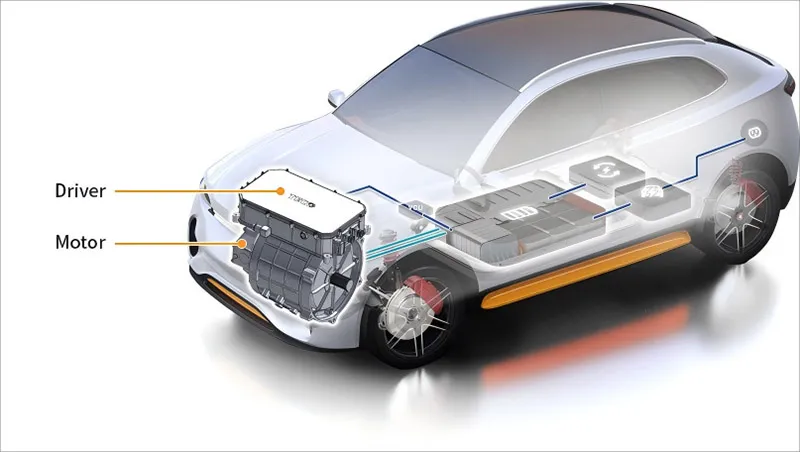
In modern vehicles, heat creeps in from every direction—tight engine bays, fast-switching Power Electronics, and compact Motor Controllers. The Industrial motor insulating heat dissipation sheet acts as a buffer and a heat guide at the same time.
In Electric Vehicles
Battery drive units
· Improves Thermal Management between stator and housing
· Reduces hotspots near Battery Systems
Auxiliary pumps and fans
· Stabilizes insulation under vibration
· Extends Component Reliability
In hybrid powertrains
Integrated starter-generators
· Maintains dielectric strength above 3kV
· Supports continuous high RPM output
DC-DC converters
· Controls surface temperature swings
· Protects adjacent control boards
Performance snapshot under automotive duty cycles:
| Test Condition | Without Sheet (°C) | With Industrial Motor Insulating Heat Dissipation Sheet (°C) | Failure Rate (%) |
| Urban Drive | 138 | 112 | 6.2 |
| Highway Load | 152 | 121 | 7.8 |
| Hill Climb | 167 | 134 | 9.5 |
| Rapid Charge | 149 | 118 | 6.9 |
| Idle Cycling | 130 | 105 | 4.1 |
That temperature drop directly supports longer motor life. Many EV integrators now specify motor insulation heat sheet materials as standard. Sheen Technology fine-tunes thickness and thermal conductivity so the fit feels custom, not forced.
Industrial Automation Deployments
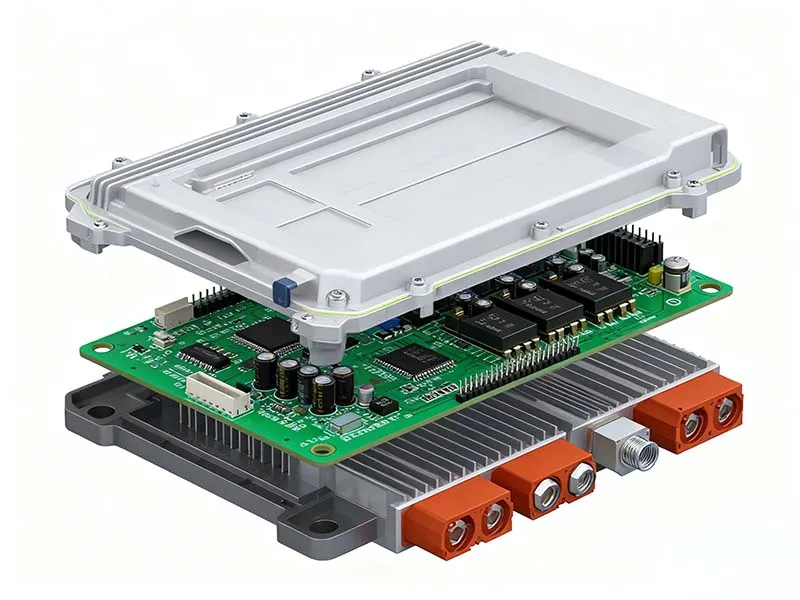
Factories run hard. Robotics, Manufacturing Equipment, and Process Control systems rarely get a break. The Industrial motor insulating heat dissipation sheet keeps motors steady during nonstop cycles.
Heavy-load production lines
Servo motors
· Stabilizes Motor Performance under peak torque
· Prevents insulation cracking
Conveyor drives
· Cuts heat buildup in sealed housings
· Improves Operational Stability
Smart maintenance ecosystems
Sensors for Predictive Maintenance
· More accurate readings due to controlled casing temps
· Energy audits
· Better Energy Efficiency from lower thermal loss
Continuous-duty environments
· 24/7 stamping presses
· CNC systems
· Automated packaging cells
An industrial motor heat dissipation sheet isn’t just a spacer—it’s a thermal traffic cop. When paired with quality industrial motor insulation sheet materials from Sheen Technology, failure rates drop fast, and downtime shrinks. In high-output plants, that’s not a small win. It’s real money saved.
FAQs about Industrial Motor Insulating Heat Dissipation Sheet
What makes an industrial motor insulating heat dissipation sheet reliable in extreme operating conditions?
Industrial motor insulating heat dissipation sheet performance depends on a tight balance of material science and real-world endurance:
Material Composition
· Silicone rubber blended with boron nitride or aluminum nitride
· Graphite fillers and ceramic particles to raise thermal conductivity
· Fiberglass reinforcement to improve tensile strength
Physical & Environmental Stability
· High dielectric strength for safe electrical insulation
· Stable surface resistivity under moisture resistance demands
· Proven thermal cycling stability in high temperature resistance settings
· Low flammability rating for added safety
Used widely in power generation, automotive electronics, and aerospace systems, these sheets stay steady under vibration damping stress and chemical inertness challenges.
How do thickness and manufacturing processes affect sheet performance?
Thickness is more than a dimension—it shapes both heat flow and insulation safety.
· Thinner sheets → faster heat transfer, tighter assembly fit
· Thicker sheets → stronger dielectric strength, better mechanical buffering
Performance also depends on process control:
| Process Step | Performance Impact |
| Sheet extrusion | Uniform sheet dimensions |
| Controlled curing temperature | Stable thermal conductivity |
| Lamination | Improved bonding strength |
| Surface treatment | Enhanced adhesive backing grip |
| Die cutting | Accurate custom shapes & pre-cut pads |
Manufacturers following ISO 9001 and ASTM standards maintain consistent output, critical for telecommunications infrastructure and renewable energy systems.
Are these sheets compliant and suitable for regulated industries?
Yes—compliance defines market trust.
✓ UL certification ensures electrical safety
✓ RoHS compliance and REACH regulation confirm environmental responsibility
✓ Tested for flammability rating and dielectric strength
Available as roll stock, custom shapes, or adhesive backing formats, the industrial motor insulating heat dissipation sheet adapts easily to industrial automation and aerospace systems where safety audits are routine and downtime is costly.
In demanding environments, reliability is not optional—it is engineered into every layer.
Sheen Thermal
Dongguan Sheen Electronic Technology Co., Ltd · Founded in 2008
Manufacturer of thermal interface materials and silicone foam for automotive electronics, energy storage, power electronics, communications and consumer electronics.
Certified
- ISO 9001:2015
- ISO 14001:2015
- IATF 16949:2016
What we supply
- Thermal conductivity Up to 90 W/m·K
- Thickness 0.3–10.0 mm
- Custom & samples Die-cut to drawing, 3–7 days