
 English
 usheenthermal

Why Power Module Thermal Management Is Critical for Your PCB
Date:2026-03-18
Why Power Module Thermal Management Is Critical for Your PCB
Heat is the houseguest that eats all your snacks and never leaves. In high-power electronics, power module Thermal Management is the difference between a smooth-running system and a five-alarm meltdown. When boards overheat, margins shrink, warranties spike, and reputations take a hit. Procurement teams feel it in returns. Engineers feel it in late-night redesigns. And customers? They just feel disappointment. Picking the right substrates, interface materials, and cooling strategy isn’t technical fluff—it’s insurance for your bottom line.
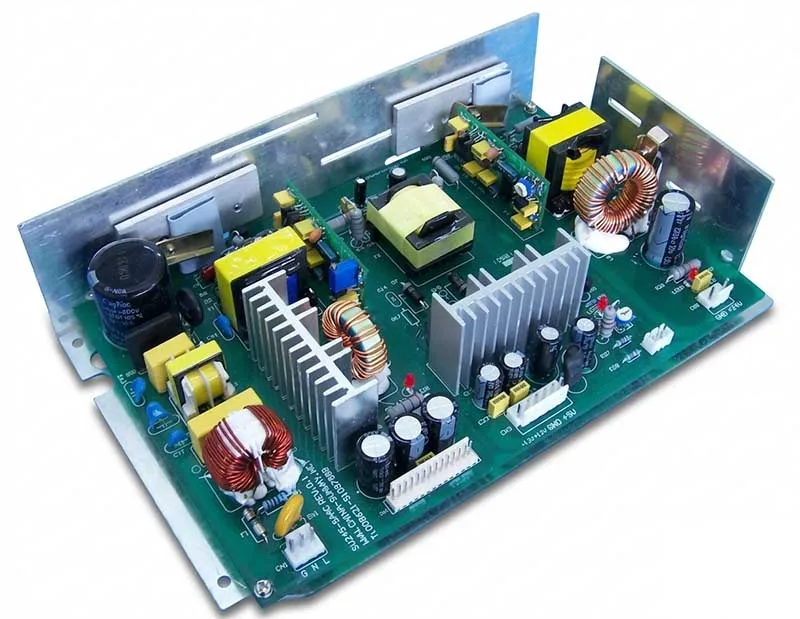
Think of your PCB like a city in August. No airflow, no shade, and suddenly everything slows to a crawl. Smart thermal planning is urban design for electrons—directing heat where it can cool off instead of clogging the grid. Get it right, and your products run cool, steady, and built to last.
The Importance Of Power Module Thermal Management In PCB Design
Power module Thermal Management is not just about keeping things cool; it keeps boards alive and kicking. When power, module design, and thermal management drift apart, heat builds fast. Smart PCB layouts treat thermal control as core engineering, not an afterthought.
Why Overheating Undermines Module Reliability
When power density rises, thermal stress starts a chain reaction inside the board:
At the silicon level
· Rising junction temperature speeds up metal migration, leading to component failure.
· Bond wires weaken, triggering circuit malfunction.
At the interconnect level
· Repeated heating cycles cause solder cracks and performance degradation.
· Substrate expansion mismatch fuels system instability.
At the system level
· Cooling limits are exceeded.
· Long-term exposure results in reduced lifespan.
Effective power module Thermal Management controls heat flow from die to ambient, reducing thermal shock and keeping the power module stable under load.
Extending Lifespan with Thermal Grease and Phase‐Change Materials
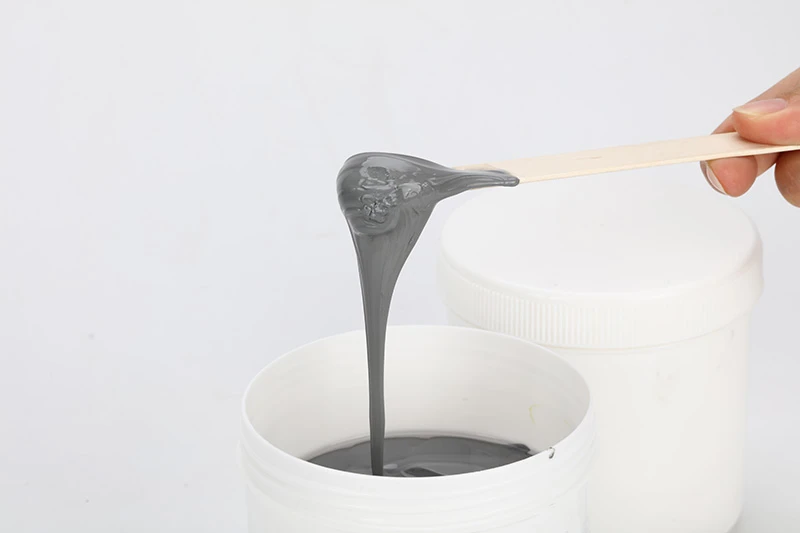
Interface gaps look tiny, yet air pockets wreck heat paths. That’s where thermal interface materials step in.
Contact optimization
· Thermal grease fills microscopic voids.
· Phase-change materials soften at target temperatures to improve surface wetting.
Heat flow improvement
· Higher thermal conductivity means better heat dissipation.
· Lower interface resistance supports component longevity.
Interface optimization process
· Surface cleaning
· Even material application
· Controlled mounting pressure
In power module thermal management, small interface tweaks can drop junction temperatures enough to protect the power module from early fatigue.
Maintaining Performance: From Copper Heat Sinks to Vapor Chambers
Cooling hardware shapes electrical behavior.
Base spreading
· Copper heat sinks increase heat transfer efficiency.
· Aluminum balances weight and cost.
Advanced spreading
· Vapor chambers distribute heat laterally.
· Graphite sheets enhance passive paths.
Cooling strategies
· Passive cooling for steady loads
· Active cooling for high current bursts
· Hybrid thermal solutions for compact designs
Well-planned power module Thermal Management keeps switching losses predictable and avoids throttling when loads spike.
Compliance and Safety: Meeting PCB Thermal Regulations
Thermal design also protects certification.
Regulatory alignment
· Follow thermal regulations from IPC, UL, and IEC.
· Respect defined operating temperature limits.
Risk control
· Prevent insulation breakdown.
· Support thermal runaway prevention in high-voltage layouts.
Validation workflow
· Simulation
· Thermal cycling tests
· Documented design validation for regulatory requirements and safety standards
Strong power module Thermal Management links engineering discipline with environmental compliance, keeping both products and users safe.
4 Key Factors Impacting Power Module Thermal Efficiency
Power devices run hot, and if heat is not handled right, performance drops fast. Strong power module Thermal Management keeps systems stable, efficient, and long lasting.
From materials to fluids, every layer affects how well a power module handles heat flow and electrical stress.
Thermal Interface Materials Selection
In power module Thermal Management, interface layers sit right between the chip and heat spreader. Small gap. Big impact.
Material Categories
1.1 Paste-Based
· High Thermal conductivity
· Controlled Viscosity
· Sensitive to pump-out
1.2 Gap Fillers
· Balanced Hardness
· Wide Operating temperature range
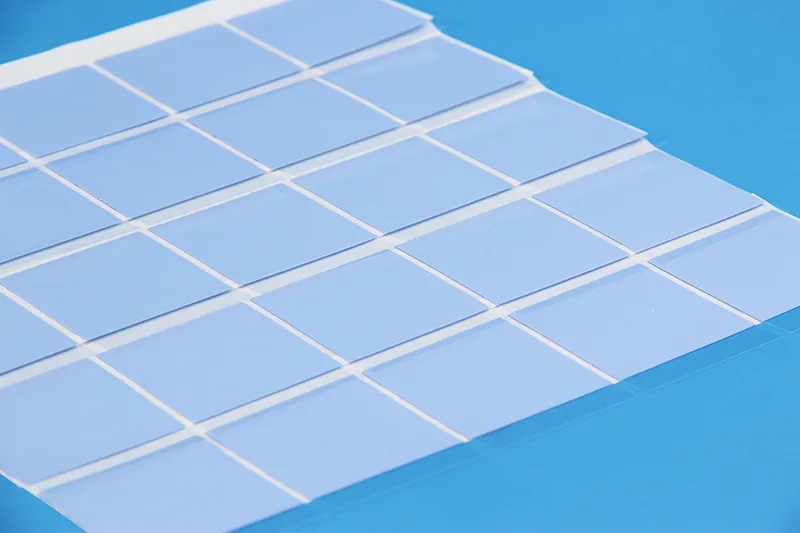
1.3 Phase Change Materials
· Stable Dielectric strength
· Improved Long-term stability
Performance Priorities
· Electrical insulation
· Mechanical compliance
· Aging resistance
In real-world power module cooling, poor interface choice raises junction temperature fast. Sheen Technology fine tunes material matching so heat transfer stays smooth across the full power cycle.
Heat Sink Materials Comparison
Heat sinks define how far power module Thermal Management can scale.
Core Material Factors
1.1 Thermal conductivity vs Density
1.2 Specific heat capacity and load cycling
1.3 Cost-effectiveness and Machinability
1.4 Corrosion resistance in harsh air
| Material | Thermal Conductivity (W/m·K) | Density (g/cm³) | Specific Heat (J/kg·K) | Relative Cost |
| Aluminum 6063 | 200 | 2.7 | 900 | Low |
| Copper C110 | 385 | 8.9 | 385 | Medium |
| AlSiC | 180 | 3.0 | 740 | High |
| Aluminum Nitride | 170 | 3.3 | 740 | High |
| Silicon Carbide | 120 | 3.2 | 690 | High |
Copper spreads heat fast. Aluminum keeps weight down. Advanced ceramics win in high-temp power electronics cooling.
Substrate Materials and Their Conductivity
Substrates sit at the core of power module Thermal Management reliability.
Ceramic Choices
1.1 Alumina
· Moderate Thermal conductivity
· Stable Dielectric constant
1.2 Aluminum Nitride
· High conductivity
· Close Coefficient of thermal expansion match
1.3 Silicon Nitride
· High Mechanical strength
Cost and Processing temperature shape production yield. Smart substrate selection reduces stress cracking and keeps thermal management systems steady over time.
Cooling Fluids and Dielectric Fluid Choices
Fluid strategy pushes power module Thermal Management to the next level.
Fluid Types
1.1 Glycol-Water
· Strong Specific heat
· Moderate Viscosity
1.2 Dielectric Fluids
· High Dielectric strength
· Safe immersion cooling
1.3 Synthetic Coolants
· High Boiling point
· Low Corrosion properties
Environmental Considerations
· Thermal conductivity
· Environmental impact
For high-density power module cooling setups, immersion fluids cut thermal resistance sharply. Sheen Technology aligns coolant chemistry with system design, keeping power electronics thermal management efficient, clean, and built to last.
Effective Cooling Methods For Power Modules On Your PCB
Power density keeps climbing, and boards are getting tighter every year. That makes power module Thermal Management more than a design checkbox—it’s survival. When power, module, and Thermal Management goals clash, heat wins. Below are practical cooling methods to keep your power module cooling strategy sharp and your PCB temperature control steady.
Passive Heatsinks: Aluminum Alloys vs Silicon Carbide
In Passive Heatsinks, material choice shapes long-term Heat Dissipation and reliability.
Material Properties Comparison
Aluminum Alloys
· High Thermal Conductivity
· Lightweight, easy machining
· Cost-friendly for scalable power module Thermal Management
Silicon Carbide
· Stable at high junction temperatures
· Strong mechanical integrity
· Suitable for harsh power module environments
| Material | Thermal Conductivity (W/m·K) | Max Operating Temp (°C) | Relative Cost Index |
| Aluminum 6061 | 167 | 150 | 1.0 |
| Aluminum 1050 | 205 | 120 | 0.9 |
| Silicon Carbide | 120–200 | >600 | 3.5 |
Application Mapping
Low-to-mid power:
· Aluminum alloys support steady power module Thermal Management
High-voltage, high-heat density:
· Silicon carbide improves structural safety and thermal stability
Active Airflow Techniques with Fans and Gap Fillers
Active Airflow upgrades natural cooling into controlled Forced Convection.
Air Movement Layer
Fans
· Increase air velocity across fins
· Reduce thermal resistance
Airflow Optimization
· Ducting paths
· Directed exhaust zones
Interface Layer
· Gap Fillers
· Close micro air gaps
· Improve surface contact
Thermal Interface Materials
· Lower contact resistance
· Support efficient Heat Transfer
Integration in System Design
· Component spacing
· Vent placement
· Smart fan curves
When power module Thermal Management demands tighter control, forced airflow keeps hot spots from creeping up. Many high-density boards from Sheen Technology combine fan cooling with premium gap fillers to stabilize module thermal control under dynamic loads.
Liquid Cooling: Glycol-Water Mixtures and Mineral Oil
Liquid Cooling handles extreme Heat Transfer Fluid demands where air just can’t keep up.
Closed-Loop Systems
Glycol-Water Mixtures
· High specific heat capacity
· Corrosion protection
· Suitable for rack-mounted power module systems
Flow Path Design
· Pump selection
· Channel geometry
· Pressure control
Immersion Cooling
· Mineral Oil
· Dielectric insulation
· Uniform cooling coverage
Advanced fluids
· Enhanced Cooling Efficiency
· Optimized Fluid Dynamics
Design Considerations
· Seal reliability
· Maintenance cycles
· Long-term fluid stability
For data-heavy converters and EV-related assemblies, power module Thermal Management often shifts toward liquid solutions. With strong system-level System Design, including fluid routing and safety planning, teams like Sheen Technology push module thermal management into higher power ranges without cooking the PCB.
How To Choose The Right Thermal Management System For Your Power Modules
Choosing the right setup for power module Thermal Management is not just about keeping things cool. It’s about keeping performance steady, costs under control, and reliability locked in for years. When heat piles up inside a power module, efficiency drops fast. A smart thermal management system keeps your power electronics calm, stable, and ready for heavy loads.
Assessing Power Density and Eutectic Alloys
When designing power module Thermal Management, start with Power Density. High density means tighter layouts and faster heat buildup.
Evaluate thermal load
· Measure watt per cm² of the die
· Map heat concentration zones
Match materials to load
· Select Eutectic Alloys for strong metallurgical bonding
· Compare with sintered interfaces for higher Thermal Conductivity
Confirm reliability targets
· Check cycling endurance
· Review Component Reliability under thermal stress
Material Selection Comparison
| Material Type | Thermal Conductivity (W/m·K) | Max Temp (°C) | Typical Void Rate (%) | Reliability Cycles |
| SnAg Eutectic Alloy | 50–60 | 250 | <5 | 1,000+ |
| AuSn Eutectic | 57 | 300 | <3 | 2,000+ |
| Silver Sintered Layer | 200–250 | 350 | <2 | 3,000+ |
| Conductive Epoxy | 3–8 | 180 | 5–10 | 800+ |
For effective power module cooling, lower thermal resistance always wins. But it must match budget and processing limits.
Balancing Cost: Conductive Epoxies vs Silver Sintering Paste
Cost pressure is real. So is performance demand in power module Thermal Management.
Conductive Epoxies
· Lower Manufacturing Costs
· Simple Application Methods
· Moderate Adhesive Properties
Silver Sintering Paste
· Excellent Thermal Interface Materials performance
· Strong high-temp endurance
· Better Long-term Performance
Decision path:
· Define operating temperature ceiling.
· Estimate lifetime cycles.
· Compare material and equipment investment.
· Calculate failure risk cost over product life.
For startups and mid-volume production, conductive epoxy feels practical. For EV or industrial drives pushing serious current, silver sintering makes more sense.
Companies like Sheen Technology help engineers balance this trade-off, aligning cost with real thermal targets instead of guesswork.
Environmental Factors: Refrigerants or Synthetic Coolants?
Your power module cooling plan also depends on the outside world.
Consider:
· Operating Temperature range
· Harsh Ambient Conditions
· Required Cooling Efficiency
· Long-term System Longevity
· Regulatory and Environmental Impact
Refrigerants offer aggressive heat removal but may raise compliance concerns. Synthetic coolants are stable and easier to manage, though sometimes less efficient at extreme loads.
In compact inverter designs:
· If space is tight → prioritize high heat transfer coefficient fluids.
· If safety dominates → low flammability synthetic coolants are safer.
· If lifecycle cost rules → evaluate maintenance intervals carefully.
Smart power module Thermal Management looks at the full operating life, not just lab performance.
Design Integration: From Potting Compounds to Glob Top Materials
Thermal control does not stop at die attach. It flows through the whole structure.
Encapsulation Strategy
Internal Layer
· Use thermally enhanced Potting Compounds
· Improve heat spreading and reduce vibration
Chip Protection
· Apply Glob Top Materials for localized shielding
· Maintain Electrical Insulation
Structural Layer
· Balance Mechanical Stress relief
· Maintain system-level Thermal Management Integration
Quick checkpoints:
✔ Match CTE between substrate and encapsulant
✔ Ensure airflow or liquid channel alignment
✔ Validate insulation breakdown voltage
Small tweaks in encapsulation can reduce junction temperature by several degrees. That’s not minor. That’s extra lifespan.
By aligning material science, cost logic, and environmental planning, Sheen Technology supports smarter power module Thermal Management strategies built for real-world pressure. When heat is handled right, performance follows naturally.
FAQs about Power Module Thermal Management
How does overheating damage power module reliability?
Excess heat pushes a power module into silent failure:
· Solder fatigue in lead-free solder paste and high-temperature solder joints
· Die attach cracks when silver sintering paste or conductive epoxies degrade
· Ceramic substrates such as alumina or silicon nitride losing mechanical stability
· Encapsulation layers—epoxy resins or silicone encapsulants—hardening and splitting
As junction temperature rises, thermal resistance increases in return. The cycle feeds itself, shortening service life and turning minor thermal imbalance into field failure.
Which materials improve heat dissipation under high current loads?
High current demands a stacked approach:
· Heat spreading layer – copper, aluminum alloys, or vapor chambers to diffuse hotspots.
· Electrical insulation with conduction – aluminum nitride substrates, direct bonded copper, or insulated metal substrates.
· Interface control – thermal grease, thermal paste, phase change materials, or gap fillers to remove air gaps.
Each layer trims thermal resistance step by step, keeping switching losses from becoming thermal runaway.
What thermal interface materials work best for mass production?
Production lines care about repeatability as much as conductivity.
· Thermal pads and gap fillers: clean handling, controlled thickness
· Phase change materials: stable during placement, flow under heat
· Thermal adhesives: combine bonding and heat transfer
· Thermal grease or thermal paste: high performance, tighter process control required
In high-volume assembly, consistency beats peak lab numbers.
How do substrate and die attach choices impact long-term stability?
The heart of power module Thermal Management sits between the chip and baseplate.
| Layer | Key Options | Impact on Reliability |
| Substrate | Ceramic substrates, aluminum nitride substrates, silicon nitride | Balance insulation and thermal conductivity |
| Metallization | Direct bonded copper | Low thermal resistance path |
| Die Attach | Silver sintering paste, die attach films, eutectic alloys | High strength under thermal cycling |
Weak bonding increases thermal resistance; strong metallurgical joints carry both heat and mechanical stress without fatigue.
Which cooling methods suit high-density power systems?
Cooling moves beyond the board when power density climbs:
· Passive: graphite composites or aluminum alloy heat sinks for moderate loads
· Forced air: vapor chambers plus airflow to flatten temperature gradients
· Liquid loops: glycol-water mixtures or synthetic coolants for compact racks
· Immersion: dielectric fluids or mineral oil for extreme density
Encapsulation materials—potting compounds or thermally conductive polymers—guide heat toward these systems, not away from them. In dense assemblies, cooling is no longer optional; it defines survival.
Sheen Thermal
Dongguan Sheen Electronic Technology Co., Ltd · Founded in 2008
Manufacturer of thermal interface materials and silicone foam for automotive electronics, energy storage, power electronics, communications and consumer electronics.
Certified
- ISO 9001:2015
- ISO 14001:2015
- IATF 16949:2016
What we supply
- Thermal conductivity Up to 90 W/m·K
- Thickness 0.3–10.0 mm
- Custom & samples Die-cut to drawing, 3–7 days