
 English
 usheenthermal

Choosing the Right Smart Home Device Insulating Heat Dissipation Sheet
Date:2026-03-25
Choosing the Right Smart Home Device Insulating Heat Dissipation Sheet
The Smart home device insulating heat dissipation sheet might not be the flashiest part of your product, but when a smart hub overheats and crashes mid-command, it suddenly becomes the hero—or the villain. As devices shrink and processors hustle harder, heat builds up like traffic on a Friday night. One weak thermal layer, and your warranty claims start stacking up. For OEM buyers, that’s not a small hiccup—it’s margin slipping through your fingers.
The U.S. smart home market is projected to surpass $60 billion in 2026, according to Statista. More devices. Tighter spaces. Higher heat density.
Picking the right sheet is less about specs on paper and more about survival in real-world conditions—steady conductivity, rock-solid insulation, no peeling under pressure. Choose wisely, and your devices stay cool. Choose wrong, and the heat won’t just be inside the box.
4 Key Layers Of Heat Dissipation Sheets
Smart speakers and lighting hubs run all day, and heat builds up fast. A Smart home device insulating heat dissipation sheet keeps circuits cool while blocking unwanted current paths. From the graphite core to the outer coating, every layer in a smart home device insulating heat dissipation sheet plays a clear role in safety and steady output.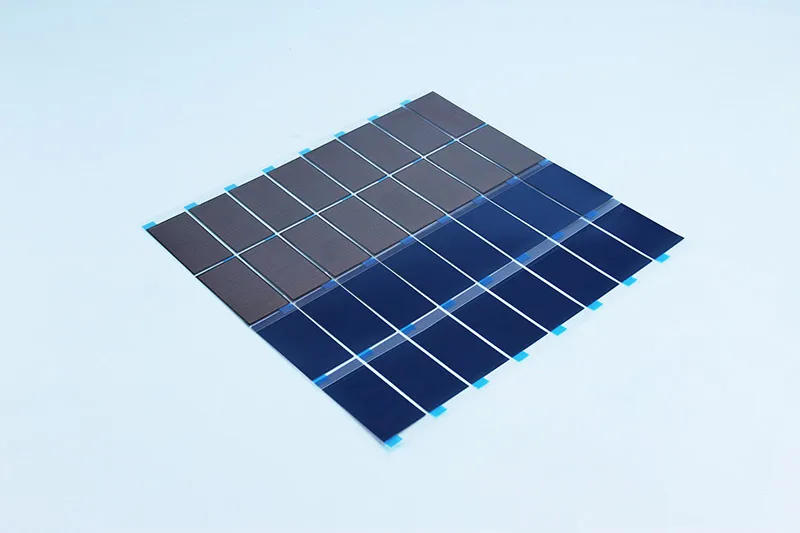
Graphite Core: Maximizing Thermal Conductivity in Smart Speakers
The heart of a Smart home device insulating heat dissipation sheet is the Graphite Core, built for high Thermal Conductivity and efficient Heat Transfer inside Smart Speakers.
Material Properties
1. High in-plane thermal conductivity
2. Low density for slim smart home device designs
3. Stable crystal structure for long-term Performance Enhancement
Heat Spreading Path
1. Processor hotspot
2. Lateral heat diffusion across graphite layers
3. Transfer toward aluminum housing or heat sink
Application in Smart Home Device Insulating Heat Dissipation Sheet
1. Reduces thermal resistance between chip and casing
2. Supports compact layouts in home device insulation systems
3. Maintains audio stability during continuous playback
| Material Type | In-Plane Thermal Conductivity (W/m·K) | Thickness (mm) | Operating Temp (°C) | Density (g/cm³) |
| Natural Graphite | 400–600 | 0.1 | -40 to 150 | 1.9 |
| Synthetic Graphite | 700–1000 | 0.08 | -40 to 200 | 2.1 |
| Aluminum Foil | 200–235 | 0.2 | -40 to 150 | 2.7 |
| Copper Foil | 380–400 | 0.2 | -40 to 150 | 8.9 |
| Graphite Composite | 500–800 | 0.15 | -40 to 180 | 2.0 |
This core makes the smart home device insulating heat dissipation sheet far more effective than a simple metal foil.
Silicone Adhesive Layer with High Dielectric Strength

Right next to the graphite sits the Silicone Adhesive layer. It does more than stick parts together.
• Ensures tight Adhesion to chips and frames
• Maintains high Dielectric Strength for safe Electrical Insulation
• Supports flexible routing in thermal management layouts
In a smart home device insulating heat dissipation sheet, this layer separates live components from grounded housings. That means solid Component Protection without blocking heat flow.
Here’s how it works in daily use:
1. The adhesive fills micro gaps between chip and graphite core.
2. Air pockets shrink, so heat moves smoothly.
3. Electrical paths stay isolated, even under voltage spikes.
For smart home device thermal insulation sheets used near power modules, silicone keeps flexibility across temperature swings. No cracking. No peeling. Just steady thermal management performance.
Fiberglass Reinforcement: Enhancing Temperature Resistance and Flexibility
Inside the smart home device insulating heat dissipation sheet, Fiberglass Reinforcement acts as the backbone.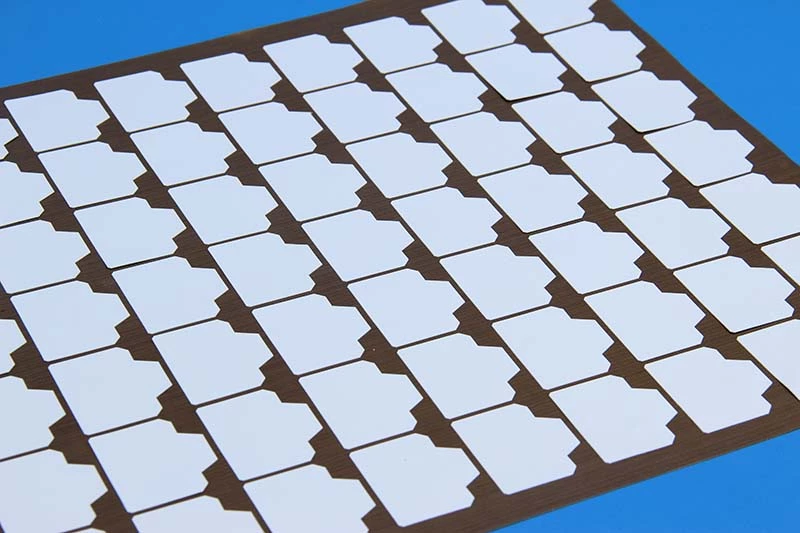
Structural Integrity
1. Controls dimensional stability during lamination
2. Prevents warping near high-heat zones
3. Supports precise die-cut shapes
Mechanical Strength
1. Resists tearing during assembly
2. Improves sheet handling in automated lines
3. Extends Durability under vibration
Thermal Behavior
1. Boosts overall Temperature Resistance
2. Maintains Flexibility in compact enclosures
3. Reduces risk of micro-cracks over time
In a home device insulation setup, this layer keeps the smart home device insulating heat dissipation sheet stable when speakers blast music for hours or when hubs sit near warm routers.
Polymer Matrix Coating for Flame Retardancy and Lifetime Reliability
The outer shield of a Smart home device insulating heat dissipation sheet is the Polymer Matrix Coating, designed for Flame Retardancy and long Lifetime Reliability.
Safety Standards
1. Meets common UL flame ratings
2. Limits flame spread inside plastic enclosures
3. Supports compliance in smart lighting systems
Environmental Resistance
1. Protects against humidity
2. Resists dust and minor chemical exposure
3. Maintains Material Durability in daily home use
Long-Term Stability
1. Shields graphite and fiberglass layers
2. Reduces oxidation risk
3. Preserves performance in smart home device insulating heat dissipation sheet assemblies
In short, this coating keeps the smart home device insulating heat dissipation sheet safe, steady, and ready for years of operation in connected homes.
5 Steps To Select The Best Insulating Sheet
Choosing the right Smart home device insulating heat dissipation sheet is not just about thickness or price. It’s about keeping your smart home device cool, safe, and running smoothly. From heat load to voltage rating, small details make a big difference.
Step 1: Define Thermal Resistance and Heat Flux Requirements
When selecting a Smart home device insulating heat dissipation sheet, thermal math comes first. Heat from processors flows through the sheet, across a Temperature Gradient, and into a heat sink. If the Thermal Resistance is too high, your device runs hot. Simple as that.
Core evaluation path
Heat source
• Processor / Power module
• Measure Heat Load (W)
• Determine max Operating Temperature (°C)
Heat transfer layer
• Check Thermal Conductivity (W/m·K)
• Calculate expected Heat Transfer Rate
Interface thickness
• Thinner sheet → lower resistance
• Thicker sheet → better gap filling
Reference thermal comparison
| Power (W) | Thickness (mm) | Thermal Conductivity (W/m·K) | Calculated Thermal Resistance (°C/W) |
| 5 | 0.5 | 1.5 | 0.67 |
| 10 | 0.5 | 3.0 | 0.33 |
| 15 | 1.0 | 3.0 | 0.67 |
| 20 | 1.0 | 5.0 | 0.40 |
| 30 | 1.5 | 6.0 | 0.42 |
A proper home device insulating sheet balances thickness and conductivity. That’s how a Smart home device insulating heat dissipation sheet keeps hubs and control panels cool without overspending.
Step 2: Evaluate Breakdown Voltage and Electrical Insulation Needs
Heat control is only half the job. Electrical safety matters just as much.
Electrical protection hierarchy
Circuit level
• Integrated circuits
• Required Breakdown Voltage
• Minimum Dielectric Strength
System level
• LED drivers / AC modules
• Defined Voltage Rating
• Verified Arc Resistance
Safety compliance
• Measure Insulation Resistance
• Confirm long-term Electrical Safety
A quality Smart home device insulating heat dissipation sheet acts as both heat bridge and electrical barrier. For high-voltage lighting systems, the smart home insulation sheet must stop leakage before it even starts. That dual function is key in compact IoT boards.
Step 3: Compare Material Compositions – Ceramic, Aluminum Nitride, Polymer Matrix
Material choice shapes performance and cost. No shortcuts here.
Material comparison tree
Ceramic
• High hardness
• Stable at high temperature
• Moderate Thermal Conductivity
Aluminum Nitride
• Very high conductivity
• Excellent electrical isolation
• Higher material cost
Polymer Matrix
• Flexible base (often Silicone)
• Filled with Graphite or Boron Nitride
• Flame-retardant composite materials
For wearable controllers or curved housings, a polymer-based Smart home device insulating heat dissipation sheet bends without cracking. For power-heavy gateways, aluminum nitride wins on heat spread.
Sheen Technology provides tailored blends, mixing ceramic fillers into silicone matrices for balanced cost and performance. That makes device thermal insulation feel less like guesswork.
Step 4: Choose Manufacturing Processes: Lamination, Die-cutting, Extrusion
Production method affects consistency. And consistency keeps devices reliable.
Process structure
Lamination
• Bond multiple layers
• Adhesive layer
• Insulating core
• Protective coating
Die-cutting
• Precision shapes
• Power transistor slots
• Sensor cutouts
Extrusion
• Continuous Rolls
• Stable thickness control
For large smart lighting batches, extrusion keeps output steady. For custom automation hubs, die-cut fabrication ensures exact fit. Sheen Technology integrates molding and coating in-house, tightening tolerance and adhesion strength across every home device insulating sheet.
Step 5: Select Material Forms – Sheets, Films, Pads, Rolls
Form factor must match installation style. No overthinking—just practical fit.
Application mapping
Power modules
• Thick Pads
• Pre-cut Custom Shapes
Compact sensors
• Thin Films
• Flexible materials for tight spaces
Large panels
• Continuous Rolls
• Factory-scale lamination
Repair kits
• Standard Sheets
A thin smart home heat dissipation sheet works great for IoT sensors. A dense insulating pad handles power transistors better.
The right Smart home device insulating heat dissipation sheet doesn’t just manage heat; it supports long device life, safer circuits, and smoother performance across every connected home.
Is Your Heat Dissipation Sheet Causing Overheating?
A Smart home device insulating heat dissipation sheet might look like a thin layer, yet it quietly controls temperature inside hubs, processors, and drivers. When a smart home device heat dissipation sheet fails, performance drops fast. Let’s break down how an insulating heat dissipation sheet impacts reliability, safety, and everyday comfort.
Poor Thermal Conductivity: Symptoms in Processors and Power Modules
When Thermal conductivity is too low, heat lingers.
In Processors
1. Rising core temperature
2. Reduced Device performance
3. Sudden throttling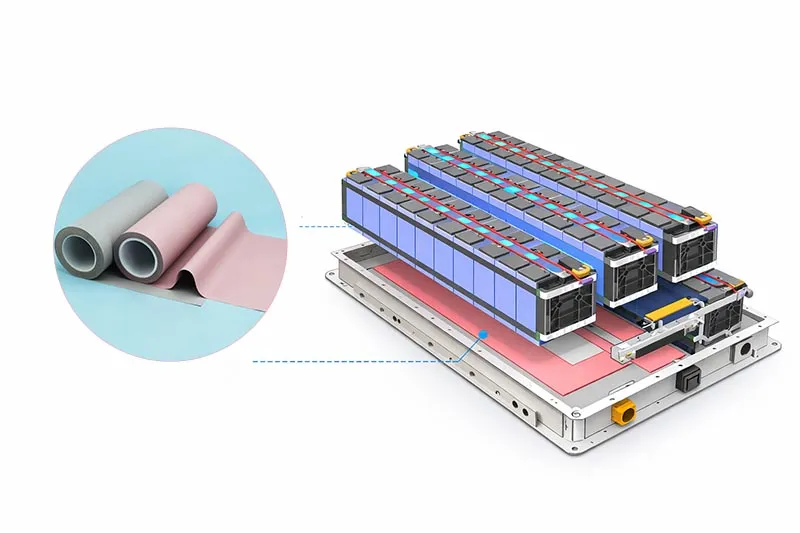
In Power modules
• Poor Heat transfer
• Internal stress buildup
• Risk of Component failure
If your smart home device insulating heat dissipation sheet can’t move heat away from Processors and Power modules, the whole system feels sluggish. A quality Smart home device insulating heat dissipation sheet from Sheen Technology is engineered to stabilize internal temperature and protect long-term Heat transfer efficiency.
Insufficient Adhesion Strength Leading to Hot Spots on LED Drivers
Weak Adhesion strength creates air gaps. Air gaps trap heat. Trapped heat forms Hot spots.
Inside LED drivers, that means uneven Heat dissipation, rising junction temperature, and declining Device reliability.
A solid Smart home device insulating heat dissipation sheet should:
• Bond tightly to metal substrates
• Act as a dependable Thermal interface material
• Support accurate Temperature monitoring
When the insulating heat dissipation sheet peels or shifts, hotspots show up fast. Sheen Technology designs smart home device heat dissipation sheet materials with stable bonding to reduce failure risks in compact lighting systems.
Inadequate Thickness and Heat Flux Management in Home Automation Hubs
Thickness is not just about padding.
If too thin:
• Poor Heat flux spreading
• Lower Cooling efficiency
If too thick:
• Increased Device thickness
• Restricted airflow inside the Device enclosure
Within Home automation hubs, balance is key:
1. Match sheet thickness to IC layout.
2. Align material Material properties with real heat load.
3. Validate performance under peak wireless transmission.
A Smart home device insulating heat dissipation sheet must manage insulation and heat flow together. The right thermal insulation sheet keeps wireless modules steady, prevents overheating, and helps hubs run smoothly day after day.
78% Of Installers Prefer Silicone-Based Insulating Sheets
Smart gadgets are getting smaller, hotter, and way more powerful. That’s why picking the right Smart home device insulating heat dissipation sheet matters more than ever. From compact IoT modules to sleek wearables, installers want materials that just work—no drama, no overheating, no callbacks.
Silicone vs Ceramic: Why Installers Favor Silicone for IoT Sensors
When working with IoT Sensors, material choice shapes daily efficiency and long-term Thermal Management.
In terms of Material Properties
Silicone
• Flexible enough to wrap uneven chips
• Boosts Heat Dissipation while cushioning components
Ceramic
• Rigid structure
• Higher cracking risk during tight installs
During installation
• Fit inside compact housings
• Silicone adapts to curved smart home device frames
• Reduces trimming time
• Contact reliability
• Better surface wetting improves thermal paths
A Smart home device insulating heat dissipation sheet made from silicone simply handles awkward layouts better. For smart home device cooling jobs, installers often say ceramic feels “old school,” while silicone keeps things smooth.
Adhesion Strength and Flexibility: Key Advantages of Silicone Pads
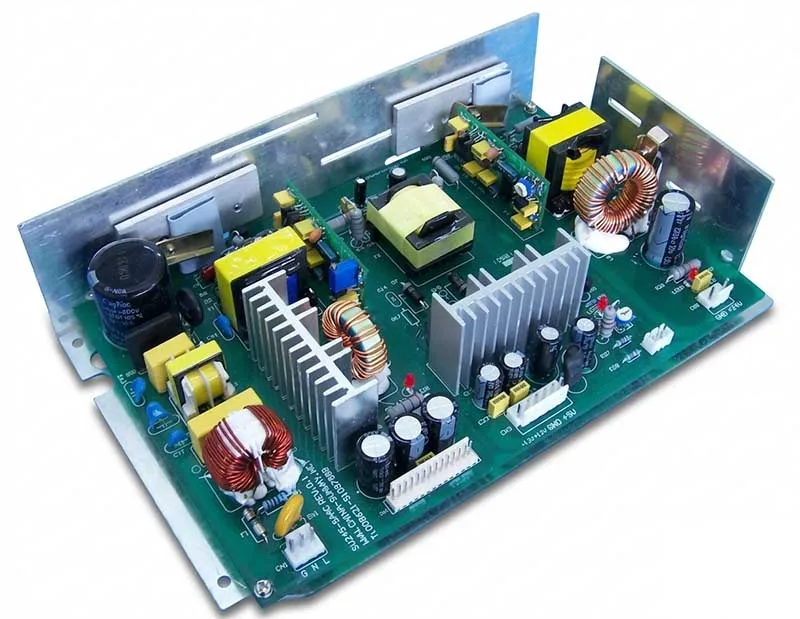
For power modules and controllers, stability is everything.
Performance under stress
• Vibration resistance
• Maintains Adhesion Strength
• Bending cycles
• Preserves Flexibility
Installation benefits
• Faster Ease of Installation
• Improved Surface Contact
• Long-term Durability
According to a 2025 IDC update on smart home hardware trends:
“Thermal interface reliability directly impacts device lifespan and post-installation maintenance rates.”
That’s why a Smart home device insulating heat dissipation sheet with strong conformability is now a go-to choice, especially from Sheen Technology, known for consistent silicone pad quality.
Operating Temperature Range and Lifetime Reliability in Wearable Devices
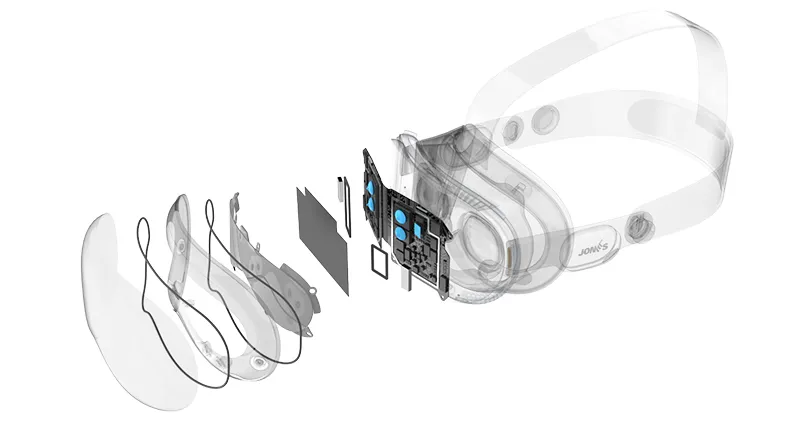
Wearables face sweat, motion, and constant thermal shifts. A wide Operating Temperature Range keeps performance steady. High Thermal Stability protects chips. Reliable insulation boosts Lifetime Reliability and overall Longevity.
In daily use:
• Hot summer runs
• Cold winter commutes
• Rapid charging cycles
A silicone-based smart home insulation sheet absorbs stress without cracking. That steady Performance under changing Environmental Factors explains why many installers trust Sheen Technology for every Smart home device insulating heat dissipation sheet they fit into modern wearable devices.
FAQs about Smart Home Device Insulating Heat Dissipation Sheet
Why is thermal conductivity critical in a smart home device insulating heat dissipation sheet?
When processors and wireless modules inside smart speakers or home automation hubs run under constant heat flux, heat must move fast—or failure creeps in.
Thermal conductivity vs Thermal resistance
• High thermal conductivity spreads heat across sheets or pads.
• Low thermal resistance keeps integrated circuits within a safe operating temperature range.
Electrical insulation protection
• Strong dielectric strength and controlled breakdown voltage shield power transistors and LED drivers.
• Prevents short circuits while heat travels outward.
Lifetime reliability impact
• Stable temperature resistance reduces stress on battery packs and power modules.
• Fewer hot spots, longer service life, quieter performance.
A thin layer decides if a device stays cool—or slowly burns out from within.
Which materials and structures provide the best balance of flame retardancy and flexibility?
In compact IoT sensors and smart lighting systems, rigidity cracks; softness alone overheats. Balance is survival.
Core materials
• Silicone + polymer matrix → flexibility + adhesion strength
• Graphite or aluminum nitride → enhanced thermal conductivity
• Ceramic fillers → flame retardancy + dielectric strength
• Fiberglass → dimensional stability during lamination and die-cutting
Manufacturing influence
Process | Functional Impact |
| Coating | Improves surface adhesion strength |
| Lamination | Enhances electrical insulation layering |
| Sintering | Boosts ceramic temperature resistance |
| Extrusion | Ensures uniform films and rolls thickness |
The right composition prevents delamination near LED drivers and keeps smart lighting stable under long operating hours.
How do thickness and form factor affect overheating risks in smart devices?
Too thin, and thermal resistance drops control. Too thick, and heat gets trapped near integrated circuits.
① Thickness control
• Matched to real heat flux from processors and power modules.
• Supports stable operating temperature range in wearable devices and home automation hubs.
② Form selection
• Sheets → larger power modules
• Films → slim IoT sensors
• Pads → LED drivers
• Rolls or custom shapes → automated extrusion and die-cutting lines
③ Performance tension
• Adequate adhesion strength avoids air gaps.
• Strong electrical insulation protects circuits under high breakdown voltage.
One miscalculation in form or thickness, and temperature climbs quietly—until lifetime reliability collapses.
Sheen Thermal
Dongguan Sheen Electronic Technology Co., Ltd · Founded in 2008
Manufacturer of thermal interface materials and silicone foam for automotive electronics, energy storage, power electronics, communications and consumer electronics.
Certified
- ISO 9001:2015
- ISO 14001:2015
- IATF 16949:2016
What we supply
- Thermal conductivity Up to 90 W/m·K
- Thickness 0.3–10.0 mm
- Custom & samples Die-cut to drawing, 3–7 days