
 English
 usheenthermal

Partner With a Reliable Thermal Pad Manufacturer for Electronics
Date:2026-04-24
Partner With a Reliable Thermal Pad Manufacturer for Electronics
A dependable thermal pad manufacturer is like the quiet stagehand in a Broadway show—no spotlight, yet the whole performance tanks without one. In electronics, heat creeps in like a bad rumor. One flimsy pad, and your sleek device turns into a pocket-sized toaster. That’s not just inconvenient—it’s expensive.
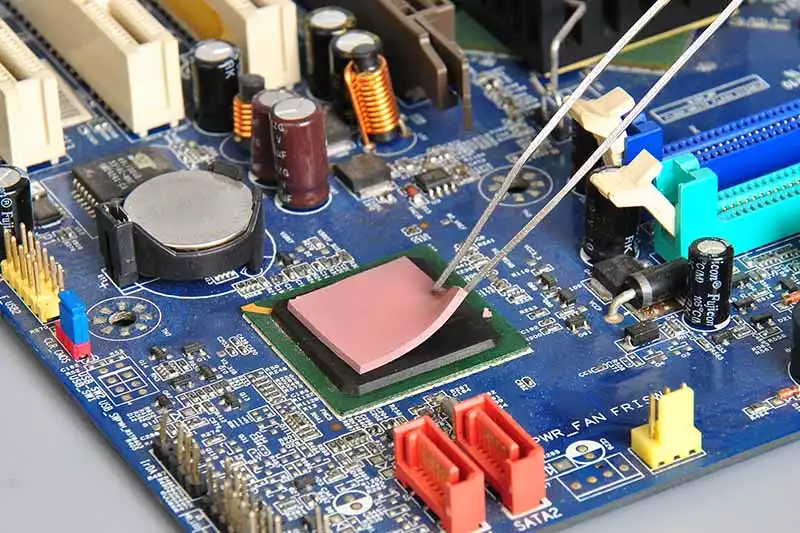
According to IPC, thermal management remains a top reliability concern in electronic assemblies.
Cut corners here, and you’re gambling with warranty claims, launch delays, and brand trust. The right partner keeps conductivity consistent, specs honest, and shipments on time—so your production line hums instead of hiccups.
Quick Insights for Selecting a Thermal Pad Manufacturer
· Verify Conductivity: Insist on ASTM-certified test reports for thermal conductivity and impedance.
· Inspect Materials: Compare aluminum oxide vs. boron nitride fillers for cost, performance, and dielectric strength.
· Audit Processes: Check die-cutting precision, curing consistency, and in-process quality controls.
· Ensure Compliance: Confirm RoHS, REACH, UL ratings, and low outgassing documentation for global applications.
Pain-Point: Partnering Pitfalls—Avoid Unreliable Pad Suppliers
Cheap heat solutions look fine on paper, but a shaky thermal pad manufacturer can quietly wreck performance. Let’s break down where things go wrong and how a smarter pick—like Sheen Technology—keeps your devices cool and steady.
Hidden Costs of High-Impedance Silicone Pads
When a thermal pad manufacturer cuts corners on silicone formulation, trouble stacks up:
Material Layer
Silicone composition shifts
· Lower filler loading → higher thermal resistance
· Weak structure → faster material degradation
Performance Layer
Rising thermal impedance
· Slower heat dissipation
· Higher risk of device overheating
Altered electrical properties
· Reduced insulation stability
· Noticeable performance impact
Lifecycle Layer
Thicker pads required
· Reduced compression recovery
· Shorter PSU and LED lifespan
A serious thermal pad manufacturer controls impedance from raw material to final cure, not just spec sheets.
Quality Variations in Pre-Cut Graphite Gap Fillers
With any graphite gap filler from a careless thermal pad manufacturer, inconsistency creeps in:
Raw Graphite Structure
· Uneven graphite structure
· Fluctuating thermal conductivity
Conversion & Cutting
· Weak dimensional precision
· Burr edges
· Tolerance drift
Hidden manufacturing defects
· Assembly Outcome
· Poor material uniformity
· Damaged gap filler integrity
· Declining thermal performance and product consistency
A reliable thermal pad supplier audits die-cutting and bonding daily. Sheen Technology keeps density and thickness locked tight, so telecom boards don’t run hot.
Risk Factors from Lax Quality Control Practices
If a thermal pad manufacturer ignores process discipline, risks multiply:
Process Monitoring
· Incomplete curing → unstable hardness
· Weak coating control → dielectric drift
Compliance Management
· Gaps in manufacturing standards
· Missed quality assurance protocols
· Potential material non-conformance
Field Consequences
· Reduced product reliability
· Frequent performance inconsistencies
· Shortened component lifespan
· Costly failure analysis
A disciplined pad manufacturer doesn’t gamble on compliance. Choose a thermal pad manufacturer that proves every batch, every time.
Question: How Do You Vet A Pad Manufacturer?
Choosing the right thermal pad manufacturer isn’t just about price tags. A reliable thermal pad partner protects your devices, your timeline, and your brand. If you're sourcing from a thermal interface factory, here’s how to separate solid suppliers from smooth talkers.
Checking Thermal Conductivity Claims and Certificates
When reviewing a thermal pad manufacturer, start with performance proof.
Document Verification
· Test reports aligned with ASTM standards
· Updated data sheets listing thermal conductivity (W/mK)
Third-party certifications
· Performance Metrics Breakdown
· Thermal conductivity (W/mK)
· Thermal resistance (°C·in²/W)
Compression-dependent impedance
· Lab Method Transparency
· A serious thermal pad supplier explains:
· Test sample thickness
· Pressure applied during testing
· Aging conditions
Below is a typical comparison buyers request from any credible thermal pad manufacturer:
| Material Grade | Thermal Conductivity (W/mK) | Thermal Resistance (°C·in²/W) | Test Pressure (psi) | Thickness (mm) |
| Grade A | 3.0 | 0.45 | 10 | 1.0 |
| Grade B | 5.0 | 0.32 | 20 | 1.5 |
| Grade C | 8.0 | 0.21 | 30 | 2.0 |
| Grade D | 12.0 | 0.18 | 50 | 2.5 |
| Grade E | 15.0 | 0.15 | 70 | 3.0 |
If numbers shift under different pressure without explanation, that’s a red flag. A dependable thermal pad manufacturer like Sheen Technology keeps raw lab data ready for review.
Verifying Material Composition: Aluminum Oxide vs Boron Nitride
Not all material composition claims are equal. Ask what’s inside the pad.
Aluminum oxide
· Cost-efficient
· Stable ceramic fillers
· Moderate material properties
Boron nitride
· Higher thermal conductivity
· Strong dielectric strength
· Premium pricing
Then confirm:
· Filler loading percentage inside the polymer matrix
· Base type: silicone or non-silicone
· Proof of raw material traceability
A serious thermal interface manufacturer will share supplier certifications. Sheen Technology, for example, documents filler ratios clearly so buyers know exactly what they’re paying for.
Short story? If a thermal pad manufacturer avoids filler disclosure, move on.
Assessing Production Processes: Die-Cutting and Curing Standards
Production quality often separates an average thermal pad supplier from a trusted thermal pad manufacturer.
A. Manufacturing Standards
· Documented production processes
· Controlled curing temperature windows
· Recorded batch traceability
B. Die-Cutting Accuracy
· CNC-controlled die-cutting
· Tolerance within ±0.1 mm
· Clean edge inspection
C. Quality Layers
· In-line quality control
· Compression set testing
· Automation calibration logs
CSF20 Carbon Fiber Thermal Pad Compression set test data:
| Test Item | Test Equipment | Test Conditions | Product Model | Sample Thickness |
| Fatigue Resistance | Compression-Recovery Tester | Compressed at 20 psi for 40 cycles; pressure held for 3 minutes. | CSF20 | 1mm |
Test Data:
| Compression Cycles | 0 | 1 | 2 | 3 | 4 | 5 | 6 | 7 | 8 | 9 | 10 |
| Thickness(mm) | 1.00 | 0.980 | 0.975 | 0.970 | 0.969 | 0.968 | 0.966 | 0.968 | 0.968 | 0.970 | 0.966 |
| Compression Cycles | 11 | 12 | 13 | 14 | 15 | 16 | 17 | 18 | 19 | 20 | 21 |
| Thickness(mm) | 0.965 | 0.965 | 0.963 | 0.965 | 0.963 | 0.970 | 0.965 | 0.964 | 0.964 | 0.959 | 0.959 |
| Compression Cycles | 22 | 23 | 24 | 25 | 26 | 27 | 28 | 29 | 30 | 31 | 32 |
| Thickness(mm) | 0.958 | 0.958 | 0.956 | 0.954 | 0.96 | 0.962 | 0.950 | 0.958 | 0.957 | 0.950 | 0.958 |
| Compression Cycles | 33 | 34 | 35 | 36 | 37 | 38 | 39 | 40 | |||
| Thickness(mm) | 0.944 | 0.946 | 0.945 | 0.943 | 0.953 | 0.945 | 0.941 | 0.945 | |||
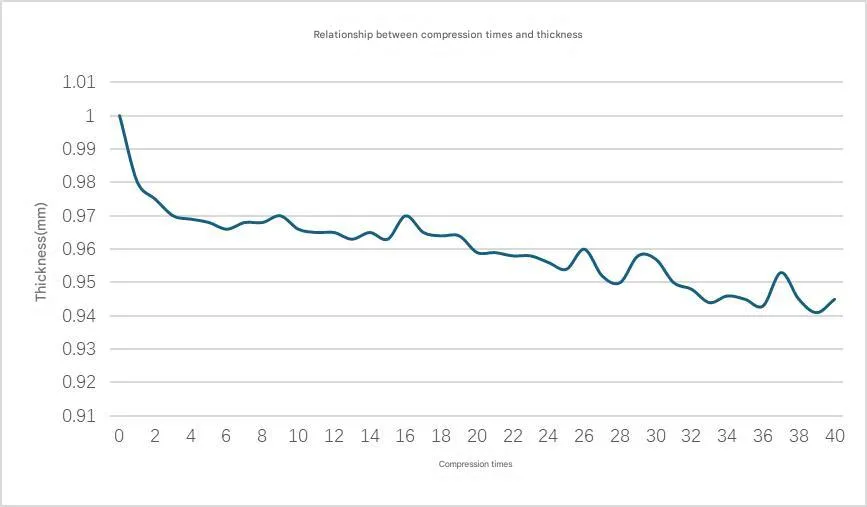
Conclusion: After undergoing 40 compression cycles at a pressure of 20 psi, the CSF20 carbon fiber thermal pad exhibited no significant deformation or cracking, and its thermal resistance did not increase; therefore, it meets the requirements for fatigue resistance.
If thickness varies across sheets, heat transfer drops. Consistency matters. A skilled thermal pad factory invests in automation to maintain repeatable precision and long-term consistency.
Ensuring Compliance: RoHS, REACH and UL Ratings
A reliable thermal pad manufacturer protects you from regulatory headaches.
I. Regulatory Compliance Documentation
· Full RoHS declaration
· Updated REACH SVHC statement
· Detailed material declarations
II. Safety Certifications
· Verified UL ratings
· Flame classification data
· Electrical insulation validation
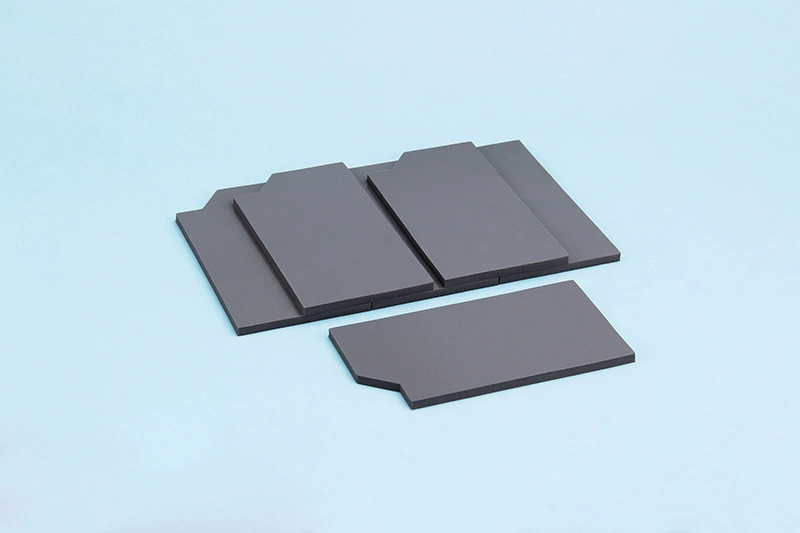
Sheen Thermal pad UL 90 Flame classification data
| Sample: | Thermal Pad | ||
| Thickness: | 3.0mm | Colo: | Grey |
| Ambient Temp: | 23.5℃ | Humidity: | 50 %RH |
Materials classifications:
| Criteria conditions | V-0 | V-1 | V-2 |
| After flame time for each individual specimen t1 or t2 | ≤10s | ≤30s | ≤30s |
| Total after flame time for any condition set (t1 plus t2 for the 5 specimens | ≤50s | ≤250s | ≤250s |
| After flame plus afterglow time for each Individual specimen after the second flame application (t2 +t3 ) | ≤30s | ≤60s | ≤60s |
| After flame or afterglow of any specimen up to the holding clamp | No | No | No |
| Cotton indicator ignited by flaming particles or drops | No | No | Yes |
| No. | t1(s) | t2(s) | t3(s) | All sample t1+t2≤50S | Single sample t2+t3≤30S | Does it light the cotton | Whether the burnt out | Level of compliance |
| 1 | 0.9 | 0.8 | 0.2 | Meet | Meet | No | No | V-0 |
| 2 | 0.8 | 0.6 | 0.2 | No | No | |||
| 3 | 0.8 | 0.5 | 0.2 | No | No | |||
| 4 | 0.8 | 0.6 | 0.2 | No | No | |||
| 5 | 0.7 | 0.5 | 0.2 | No | No |
III. Environmental and Chemical Controls
· Monitoring of hazardous substances
· Alignment with global environmental regulations
· Ongoing safety standards audits
Cut corners here and your shipment may stall at customs. That’s costly.
An experienced thermal pad manufacturer like Sheen Technology keeps compliance files organized and current, making global sourcing smoother. When your thermal pad supplier handles paperwork right, your supply chain runs a lot less stressful.
4 Steps: Finding Your Pad Partner
Choosing the right thermal pad manufacturer is not just about price; it is about fit, timing, and long-term trust. When your power modules or automotive boards heat up, your thermal pad, pad material, and supplier all have to perform. Let’s break down how to lock in the right thermal pad partner without the usual guesswork.
Step 1: Evaluating Thermal Conductivity and Hardness Specs
When screening a thermal pad manufacturer, focus on measurable specifications and real performance metrics.
Core evaluation criteria:
· Thermal conductivity (W/m·K)
· Shore hardness
· Compression rate
· Operating temperature
· Total thermal resistance
| Grade | Thermal Conductivity (W/m·K) | Shore Hardness (OO) | Operating Temp (°C) | Thermal Resistance (°C·in²/W) |
| A1 | 1.5 | 40 | -40~150 | 0.90 |
| A2 | 3.0 | 50 | -40~180 | 0.65 |
| B1 | 5.0 | 60 | -50~200 | 0.48 |
| B2 | 8.0 | 70 | -50~220 | 0.32 |
| C1 | 12.0 | 75 | -60~230 | 0.21 |
How to Review with a Thermal Pad Manufacturer
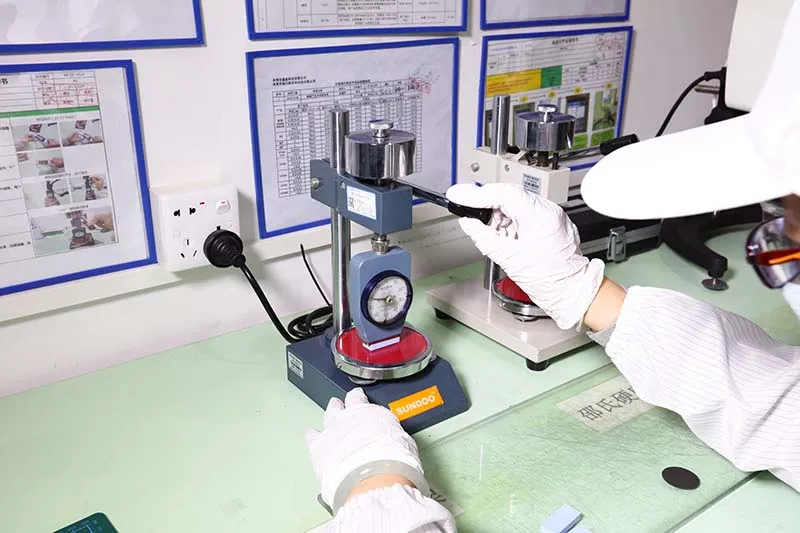
· Map device heat load to required material properties.
· Confirm test standards used for conductivity claims.
· Check tolerance on thickness and hardness.
· Validate long-term aging data.
A serious thermal pad manufacturer will walk through this data calmly, not dodge it. Sheen Technology, as a seasoned thermal pad manufacturer, aligns datasheets with real application feedback from power supply and EV clients.
Step 2: Reviewing Material Options like Silicone or Ceramic
Material choice defines how your thermal pad behaves under stress.
Material options:
· Silicone base for flexibility
· Ceramic-filled polymer
· Hybrid composite blends
Compare by Application
Consumer electronics
· Softer silicone
· Lower specific gravity
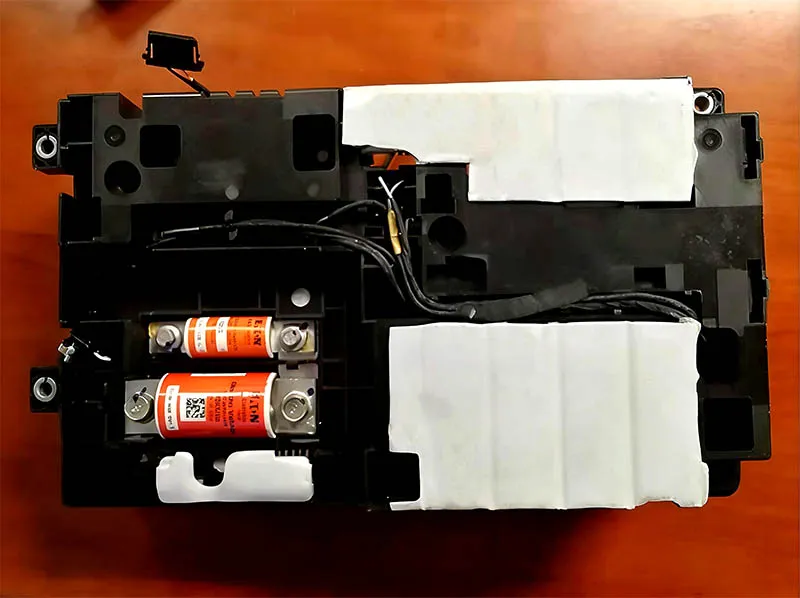
Automotive control units
· Ceramic-loaded composition
· Higher dielectric strength
Industrial power modules
· Flame-retardant material types
· Stable compression set
When speaking with a thermal pad manufacturer, request breakdowns of filler ratio and curing system. A true thermal pad supplier should explain why one material selection suits vibration-heavy EV systems better than another. That level of detail shows factory depth.
Step 3: Confirming Manufacturing Capacities and Lead Times
A dependable thermal pad manufacturer must prove its manufacturing capacities, not just claim them.
Factory Capability Review
Production Lines
· Calendering width range
· Automatic slitting tolerance
· Die-cut precision
Quality Control
· In-line thickness monitoring
· Lot traceability system
Output Planning
· Monthly production volume
· Backup raw material stock
Then check lead times against your forecast.
· Standard sheets
· Custom die-cut pads
· Adhesive-backed parts
Ask about peak-season buffer. A solid thermal pad manufacturer will share realistic delivery schedules and clear production planning logic. Sheen Technology keeps scalable output while maintaining tight QC, which matters when orders spike.
Step 4: Negotiating Bulk Supply and Shipping Logistics
Long-term cooperation goes beyond price per sheet.
Bulk and Logistics Checklist
· Bulk supply agreement terms· Incoterms and delivery terms
· Packaging for export
· Moisture protection during transportation
Supply Chain Alignment
Contract Structure
· Annual volume commitment
· Price review cycle
Distribution
· Regional warehouse options
· Local distribution network support
A reliable thermal pad manufacturer should explain pallet stacking, carton labeling, and ESD-safe packing clearly. That kind of detail reduces damage claims and keeps your supply chain management smooth.
When your thermal pad manufacturer covers specs, material options, factory strength, and shipping logistics without hesitation, you have found more than a vendor. You have a long-term pad partner.
4 Layers Of Quality Control For Pads
Quality isn’t luck. For a serious thermal pad manufacturer, it’s built into every batch, every roll, every shipment. From raw polymer blending to final UL certification, tight quality control keeps thermal pads safe, stable, and ready for real-world heat.
Raw Material Inspection: Polymer and Fiberglass Purity
A reliable thermal pad manufacturer starts at the source. Under Raw material protocols, incoming Polymer and Fiberglass are checked through layered Inspection routines:
· Visual screening for surface contamination
· Lab-based Material analysis for filler distribution
· Batch coding for traceability
Within the lab workflow:
· Verify Purity levels of silicone base.
· Measure aluminum oxide or boron nitride dispersion.
· Record density variance against spec sheet.
If dispersion drifts, heat transfer drops. No shortcuts here. A responsible thermal pad supplier knows that even tiny particle clumps can spike thermal resistance and mess with performance in telecom or medical builds.
In-Process Monitoring: Thickness and Compressibility Checks
During Manufacturing, control shifts to real-time Monitoring:
· Calender gap calibration
· Cure temperature logging
· Inline laser measurement for Thickness
Inside production control:
Quality assurance
· Hardness testing
· Recovery rate sampling
Dimensional stability
· Sheet width tolerance
· Roll flatness tracking
A disciplined thermal pad manufacturer keeps Compressibility within spec so the pad fills gaps without over-stressing components. Too soft? Pump-out risk. Too hard? Poor contact. Balance is everything.
Post-Production Testing: Thermal Impedance and Dielectric Strength
After curing, Post-production Testing validates real Performance:
· Measure Thermal impedance under defined pressure.
· Test Dielectric strength for Electrical insulation safety.
· Confirm volume resistivity and Heat transfer stability.
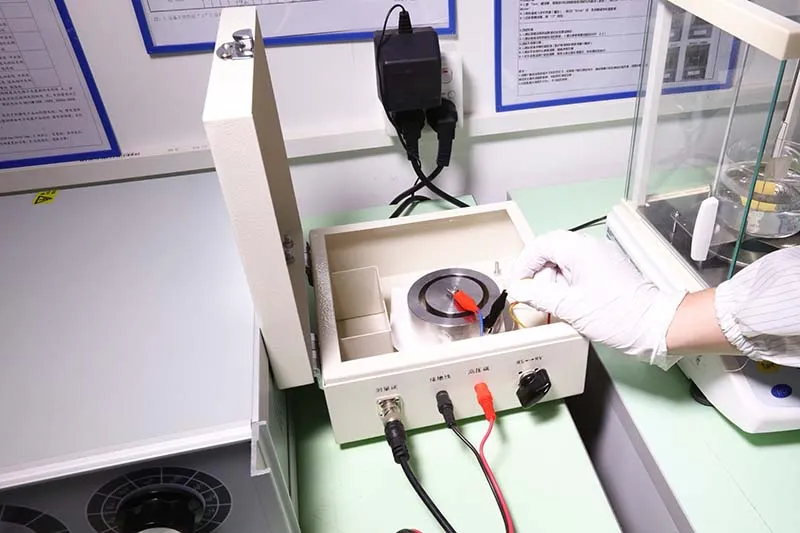
A mature thermal interface material manufacturer treats failures as data, not drama. Results feed back into formulation control. That’s how a thermal pad manufacturer stays consistent across high-volume electronics programs.
Final Audit: UL Certification and Outgassing Evaluation
Before shipment, the Final audit ties it all together:
· Compliance documentation review
· UL certification confirmation
· Flame rating cross-check
Environmental screening includes:
· Outgassing under elevated temperature
· Residue inspection for sensitive optics
Meeting Safety standards isn’t flashy, but it matters. For any thermal pad manufacturer supplying consumer electronics, low Environmental impact and proper Certification are non-negotiable. No drama. Just solid pads that do their job.
Standard Vs Custom Thermal Pad Solutions
Choosing between standard and custom thermal interface materials can feel like picking between ready-to-wear and tailored clothing. Both work. The difference shows up in fit, heat flow, and long-term reliability. A skilled thermal pad manufacturer helps balance cost, geometry, and performance without overcomplicating the design.
Standard Thermal Pads
For many OEM buyers, working with a thermal pad manufacturer on Off-the-shelf options keeps things simple and scalable. These pads come in Common sizes, built for High volume assembly lines and predictable thermal loads.

Core Characteristics
· Fixed dimensions suitable for heat sinks, LED boards, power modules
· Ready-made sheets and Pre-cut formats
· General purpose silicone or graphite-based compounds
Typical Selection Flow
· Define gap thickness tolerance
· Match thermal conductivity target
· Confirm compression ratio
· Validate long-term aging data
Performance Reference Table
| Thickness (mm) | Conductivity (W/m·K) | Hardness (Shore OO) | Application Example |
| 0.5 | 3.0 | 30 | LED modules |
| 1.0 | 5.0 | 35 | Power supplies |
| 1.5 | 6.0 | 40 | Industrial control |
| 2.0 | 8.0 | 45 | IGBT modules |
Why Buyers Choose Standard
· Lower tooling cost
· Shorter lead time
· Easier supplier comparison
A reliable thermal pad supplier like Sheen Technology supports mass programs where speed and consistency matter more than geometry tweaks.
“The global thermal interface materials market continues steady growth driven by EV power electronics and AI server expansion,” notes MarketsandMarkets in its 2025 industry update.
Custom Thermal Pads
When enclosure space shrinks and heat density climbs, a generic sheet won’t cut it. That’s where a thermal pad manufacturer shifts into Engineered mode.

Custom solutions focus on:
· Specific dimensions for tight housings
· Unique shapes around connectors and shielding walls
· Application-specific conductivity targets
· Flexible Material choice for insulation or EMI needs
Development usually moves like this:
1) CAD drawing review
2) Thermal simulation
3) Sample prototyping
4) Compression and aging validation
5) Pilot run approval
Some projects need adhesive-backed formats. Others demand ultra-soft gap fillers for uneven PCB stacks. That’s the Performance-driven mindset behind Tailored pads.
Sheen Technology works as both thermal pad supplier and development partner, supporting Prototyping through scaled production. If your product has odd geometry or rising junction temps, custom design often pays off long term.
In short, standard works for speed. Custom wins on precision. The right thermal pad manufacturer helps you decide without overengineering—or overspending.
Partner Scenario: Consumer Electronics Heat Sink Pairing
Compact gadgets run hot, and nobody likes a laggy device. From smartphone builds to IoT hubs, picking the right thermal pad manufacturer keeps performance steady and hardware safe.
Selecting Pre-Cut Pads for Compact Smartphone Modules
When working with a tight form factor, material choice gets serious. A trusted thermal pad manufacturer supports:
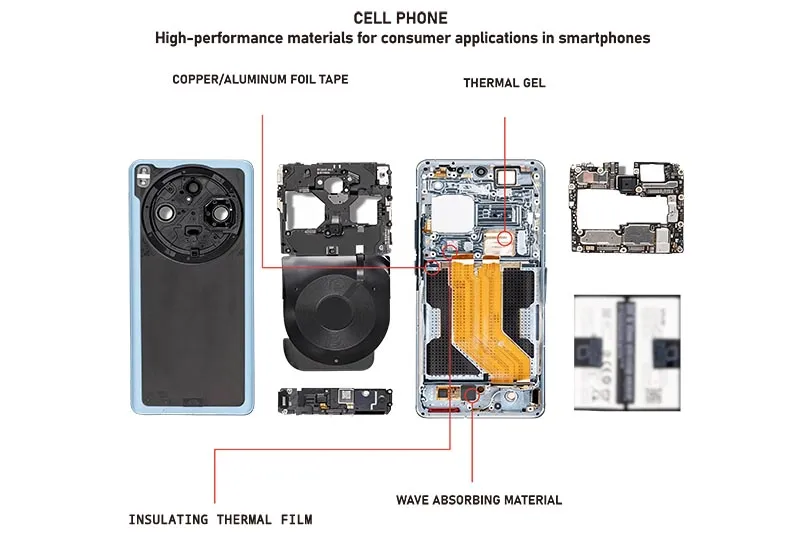
Material Selection for a compact smartphone module
· High-conductivity thermal pad options
· Ultra-thin pre-cut formats
· Controlled hardness for stable heat dissipation
Integration Inside the electronics stack
· Between chip and module frame
· Around shielding covers
· Against micro heat dissipation plates
1. Precision die-cutting
2. Thickness tolerance control
3. Clean edge finishing
A skilled thermal pad supplier like Sheen Technology aligns pad compression with board warpage limits, keeping every electronics assembly cool without wasting space.
Custom Shapes for Wearable Device Thermal Management
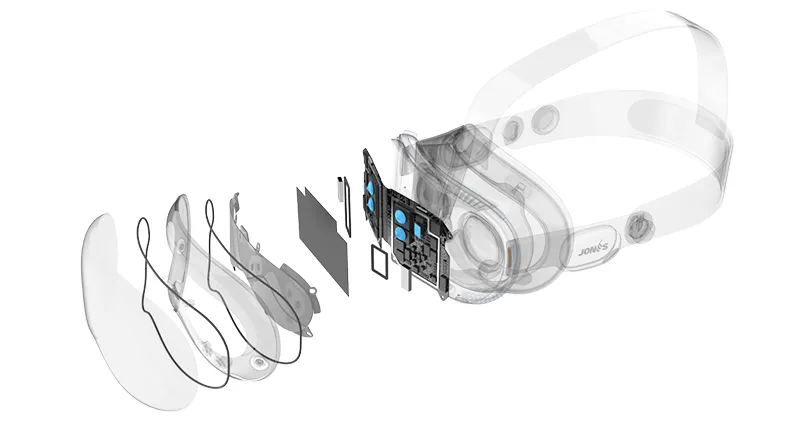
Wear tech demands flexibility and accuracy.
· Tailored custom shape inserts for each wearable device
· Stable thermal management under motion
· Reliable heat transfer inside a sealed enclosure
Design teams usually:
· Map heat sources.
· Match a flexible pad to curved housings.
· Validate dielectric strength during miniaturization.
A seasoned thermal pad manufacturer understands miniaturization pain points. As a thermal interface material manufacturer, Sheen Technology fine-tunes softness and rebound so compact medical bands and fitness trackers stay cool without adding bulk.
Adhesive-Backed Solutions in Smart Home Gadgets
Inside every smart home control box sits a crowded gadget board. A dependable thermal pad manufacturer structures solutions like this:
Adhesive-backed thermal interface material design
· Secure attachment to PCB
· Consistent bond line for the heat sink
· Clean peel liners for fast assembly
Application in IoT power modules
· Stick to regulator chips
· Bridge gaps to aluminum plates
Stabilize under long IoT duty cycles
✓ Simplifies installation
✓ Cuts rework
✓ Keeps heat moving
Working with Sheen Technology, brands gain a responsive thermal pad manufacturer that delivers reliable pads, steady supply, and smart bonding options built for modern connected homes.
FAQs about Thermal Pad Manufacturer
How can I judge the reliability of a thermal pad manufacturer?
A dependable thermal pad manufacturer shows discipline in three areas:
Material proof
· Certified thermal conductivity and thermal impedance test data (ASTM)
· Clear RoHS compliance, REACH compliance, and UL rating documents
Process control
· Tight thickness tolerance during calendering and molding
· Stable curing and die-cutting to protect compressibility and hardness
Supply stability
· Consistent bulk supply
· Transparent lead time, packaging, and shipping logistics
Reliability is less about promises and more about traceable data and steady quality control.
What hidden risks appear when sourcing silicone or graphite pads?
Behind a smooth sheet may hide performance gaps.
· Poor filler dispersion of aluminum oxide or boron nitride lowers real thermal conductivity.
· High thermal impedance raises operating temperature in LED lighting or automotive electronics.
· Inaccurate die-cut parts create air gaps in power supplies and telecommunications modules.
· Excessive outgassing threatens medical devices and consumer electronics.
Small defects quietly turn into overheating failures.
How does material composition affect performance?
Material choice defines behavior under pressure and heat.
| Material | Key Strength | Risk if Poorly Made | Common Use |
| Silicone polymer | Flexibility, compressibility | Hardness drift after curing | Gap fillers, pre-cut pads |
| Ceramic-filled (aluminum oxide / boron nitride) | Balanced conductivity + dielectric strength | Uneven specific gravity | Industrial controls |
| Graphite | High thermal conductivity, thin profile | Fragility during slitting | Compact consumer electronics |
| Fiberglass reinforced | Structural stability | Reduced compressibility | Power supplies |
The right formula supports thickness stability, volume resistivity, and flame retardancy over time.
Why are audits important before large-volume orders?
Audits expose what brochures hide.
· Check coating, laminating, and molding conditions.
· Confirm dielectric strength and flame retardancy meet UL rating targets.
· Review material certification records and in-line inspection logs.
In automotive electronics or telecommunications, one weak batch can halt production lines. A serious thermal pad manufacturer welcomes inspection.
How do product forms influence application results?
Form shapes performance.
· Sheets and rolls suit industrial controls needing custom cutting on-site.
· Die-cut parts and custom shapes fit tight LED lighting housings.
· Adhesive backed pads speed assembly in consumer electronics.
· Gap fillers absorb tolerance stack-up in power supplies.
Correct thickness and compressibility ensure contact pressure without stressing components.
What supply chain factors should buyers prioritize?
Performance means little without delivery discipline.
· Stable lead time for bulk supply
· Protective packaging to avoid edge damage
· Clear technical support for design adjustments
· Transparent quality control reports with each shipment
A strong thermal pad manufacturer supports both engineering precision and practical shipping reality.
Sheen Thermal
Dongguan Sheen Electronic Technology Co., Ltd · Founded in 2008
Manufacturer of thermal interface materials and silicone foam for automotive electronics, energy storage, power electronics, communications and consumer electronics.
Certified
- ISO 9001:2015
- ISO 14001:2015
- IATF 16949:2016
What we supply
- Thermal conductivity Up to 90 W/m·K
- Thickness 0.3–10.0 mm
- Custom & samples Die-cut to drawing, 3–7 days