
 English
 usheenthermal

Optimize Your Cooling: Thermal Conductive Materials Selection Guide
Date:2026-05-09
Optimize Your Cooling: Thermal Conductive Materials Selection Guide
Thermal Conductive Materials Selection is the make-or-break call in modern cooling systems; pick wrong, and heat builds up like rush-hour traffic, choking performance and draining profits fast seriously.
Engineers and buyers feel the burn in failed boards, warranty calls, and margins. Choose materials that fit conductivity, insulation, and assembly demands, or pay for it later.
Why Thermal Conductive Materials Selection Matters In Cooling
Thermal Conductive Materials Selection—breaking it down into Thermal / Conductive / Materials / Selection—shapes how heat leaves chips and power devices. Smart material selection keeps systems cool, stable, and honestly, out of trouble.
Ensuring Reliability: Preventing CPU Hot Spots with Optimal TIM
Effective Thermal Conductive Materials Selection for a CPU starts at the interface, where thermal interface material fills microscopic gaps and controls thermal resistance. Poor material selection means rising hot spots, unstable clocks, and reduced reliability.
Core Considerations
Material Properties
· High thermal conductivity to boost heat dissipation
· Stable viscosity under mounting interface pressure
· Low pump-out risk during thermal cycling
Mechanical Factors
· Controlled bond line thickness
· Even clamping force to avoid edge hot spots
Performance Path
· Reduce contact voids.
· Lower total thermal resistance from die to heat sink.
· Stabilize CPU junction temperature.
· Extend system reliability and service life.
Sheen technology thermal pad vs thermal paste vs phase change material
| Property | Phase Change Pad | Thermal Paste | Thermal Pad |
| Conductivity (W/m·K) | 3-8 | 1–5 | 1–15 |
| Typical Thickness | 0.13–0.5 mm | <0.1 mm | 0.3–10 mm |
| Thermal Resistance | Low | Low | Medium-High |
| Reusability | No | No | Sometimes |
A practical Thermal Conductive Materials Selection process compares paste vs. pad vs. phase-change options, then validates with stress tests. Sheen Technology supports engineers with lab data and tuning advice so the final material selection aligns with real workloads, not just datasheet claims.
Reducing Junction Temperature for GPUs using High-Conductivity Solutions
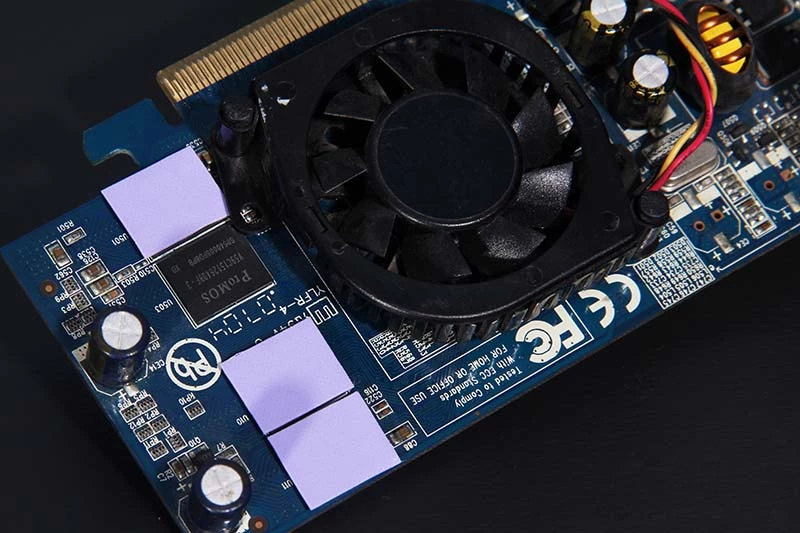
When a GPU runs full tilt, junction temperature climbs fast. Smart Thermal Conductive Materials Selection improves heat transfer from die to heat sink, protecting performance.
Key cooling solution options include:
· High thermal conductivity paste for tight gaps
· Soft pads for uneven surfaces
· Liquid metal for extreme power density
· Vapor chamber interfaces for wider heat spreading
Quick wins often follow this flow:
· Measure baseline junction temperature.
· Upgrade the thermal paste or pad.
· Optimize mounting pressure.
· Re-check thermal management results under load.
Short reality check. Lower temps mean higher boost clocks. Lower temps also reduce long-term stress. That’s why Thermal Conductive Materials Selection is not just about conductivity numbers; it’s about stable thermal management across gaming, AI training, and rendering spikes.
Sheen Technology provides material selection guidance that balances conductivity and handling safety, keeping cooling upgrades practical instead of risky.
Balancing Cost and Performance in Power Module Thermal Management
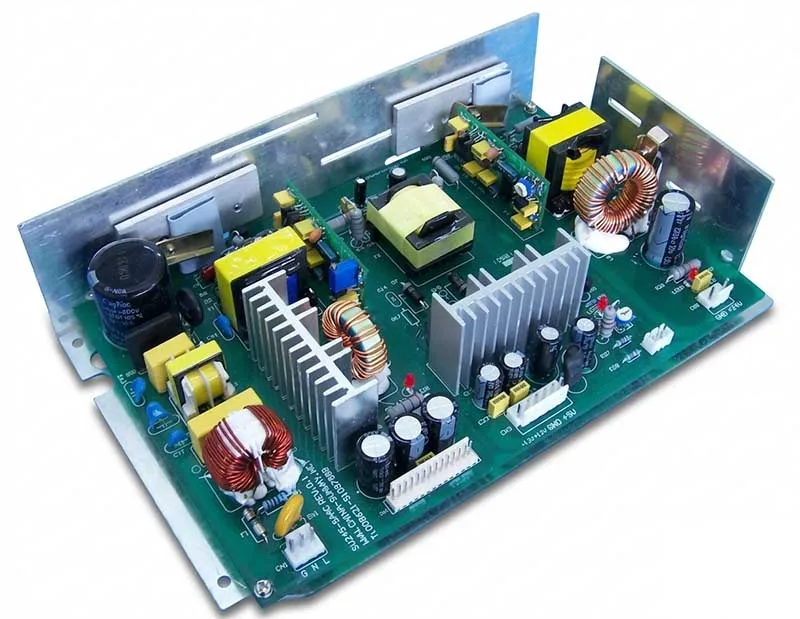
For every power module, smart Thermal Conductive Materials Selection balances performance and cost-effectiveness while maintaining safe thermal management. In IGBT stacks, insulation and heat dissipation must coexist.
Material Selection Framework
Electrical Safety
· Dielectric strength
· Creepage distance control
Thermal Targets
· Low thermal resistance
· Stable cooling efficiency
Economic Factors
· Material price per unit
· Processing cost
· Long-term reliability impact
Below is a comparison supporting data-driven material selection:
| Material Type | Thermal Conductivity (W/m·K) | Dielectric Strength (kV/mm) | Typical Cost ($/kg) | Thermal Resistance (°C·cm²/W) |
| Silicone Gap Filler | 3.5 | 6.0 | 18 | 0.45 |
| Ceramic Pad | 6.0 | 8.5 | 26 | 0.32 |
| Thermal Adhesive | 2.6 | 5.5 | 15 | 0.50 |
| Graphite Sheet | 12.0 (in-plane) | 0.0 | 30 | 0.28 |
| Phase-Change Film | 4.0 | 4.0 | 22 | 0.19 |
A disciplined Thermal Conductive Materials Selection approach compares material properties against real operating current and switching cycles. Get that right, and the power module runs cooler, lasts longer, and stays within budget.
4 Key Parameters For Material Thermal Conductivity
Choosing the right path for Thermal Conductive Materials Selection isn’t just technical talk—it directly affects product lifespan, safety, and cost. When engineers break down thermal conductive materials, material selection becomes a balancing act between physics and real-world limits. Let’s walk through the four parameters that truly shape smart Thermal Conductive Materials Selection decisions.
Thermal Conductivity: Maximizing Heat Transfer Efficiency
At the core of Thermal Conductive Materials Selection sits thermal conductivity, the driver of heat transfer and smooth heat flow.
Material Level
High filler loading
· Improves heat dissipation
· Reduces thermal resistance
System Level
· Contact surface flatness
· Mounting pressure consistency
| Material Type | Thermal Conductivity (W/m·K) | Typical Application |
| Silicone Pad | 1–15 | CPUs, GPUs |
| Gap Filler | 5–12 | Power modules |
| Phase Change | 2–6 | LED boards |
Higher conductivity means better thermal management and stronger system efficiency, but only when matched correctly in the Thermal Conductive Materials Selection process.
Dielectric Strength and Its Role in High-Voltage ASIC Cooling
For high-power chips, dielectric strength matters as much as cooling speed.
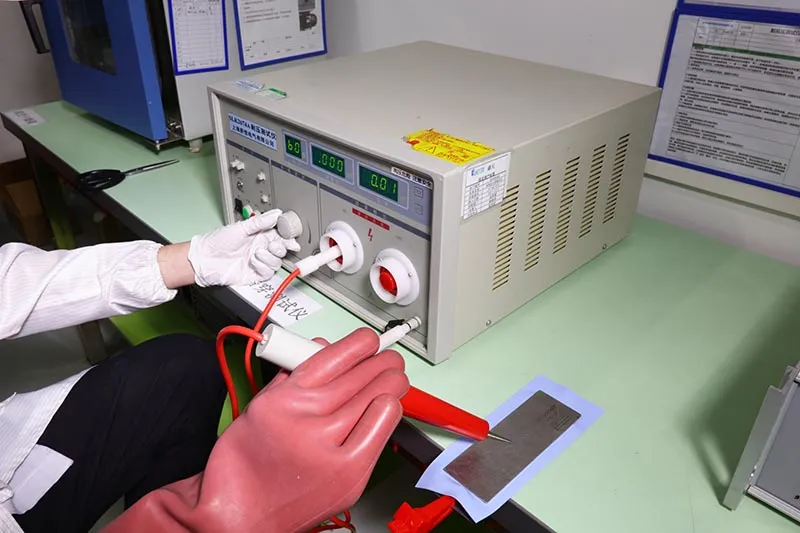
Electrical Safety
· High breakdown voltage:Prevents short circuits
· Stable electrical insulation:Protects dense electronic components
Thermal Balance
· Compatible thermal interface material
· Stable electrical properties under heat
In ASIC cooling, high voltage tolerance keeps performance steady while safeguarding boards during peak loads.
Bond Line Thickness Impact on Thermal Impedance
In practical thermal material selection, bond line control separates average builds from great ones.
· Define target bond line thickness.
· Measure resulting thermal impedance.
· Adjust dispensing to reduce contact resistance.
Thinner layers shorten the heat transfer path, lowering overall thermal resistance. With the right gap filler and controlled compression, thermal performance jumps noticeably. This is where precise Thermal Conductive Materials Selection pays off.
Coefficient of Thermal Expansion for LED and Memory Module Stability
Temperature swings cause expansion. That’s physics.
Material Compatibility
Match coefficient of thermal expansion with substrates
· Reduce thermal stress
· Protect solder joints
Application Focus
· LED modules
· Memory modules
Stable mechanical stability during thermal cycling prevents cracking and keeps light output and data integrity intact.
For teams refining Thermal Conductive Materials Selection, working with experienced partners like Sheen Technology helps align thermal expansion, conductivity, and insulation into one clean solution. Smart thermal conductive materials planning isn’t flashy—but it keeps everything running cool and steady.
Material Comparison: Ceramic Vs Polymer Conductivity
Choosing the right path in Thermal Conductive Materials Selection can feel like picking between two heavyweights. Ceramic and polymer options both handle heat, but in totally different ways. When working through thermal conductive materials, material selection decisions shape performance, safety, and cost. Let’s break down how each material behaves in real-world thermal management material selection.
Ceramic
In Thermal Conductive Materials Selection, ceramic-based systems stand out for stability and raw thermal power. Their internal crystal structure supports strong Thermal conductivity while remaining a solid Electrical insulator, which makes designers breathe easier in high-voltage builds.
Core Material Types
Oxide Ceramics:Alumina
· Reliable balance of conductivity and cost
· Strong dielectric strength
· Used widely in insulated substrates
Non Oxide Ceramics:Silicon carbide
· Higher thermal transfer rate
· Excellent performance under High temperature cycling
· Performance Characteristics
Mechanical Traits
· High Hardness:Noticeable Brittleness under impact
Electrical Traits
· Maintains insulation in compact power modules
Typical Application Flow in Thermal Conductive Materials Selection
· Power modules
· EV inverters
· Industrial motor drives
· LED substrates
· RF devices requiring insulation and heat spread
| Material Type | Thermal Conductivity (W/m·K) | Dielectric Strength (kV/mm) |
| Alumina | 20–30 | 12–15 |
| Silicon Carbide | 120–200 | 8–12 |
| Aluminum Nitride | 140–180 | 10–14 |
For demanding environments, Sheen Technology integrates ceramic fillers into engineered systems that push heat away fast while keeping circuits electrically safe. That balance is gold in serious thermal conductive materials projects.
Polymer
Polymer solutions play a different game in Thermal Conductive Materials Selection. Less rigid. Easier to process. More forgiving on assembly lines.
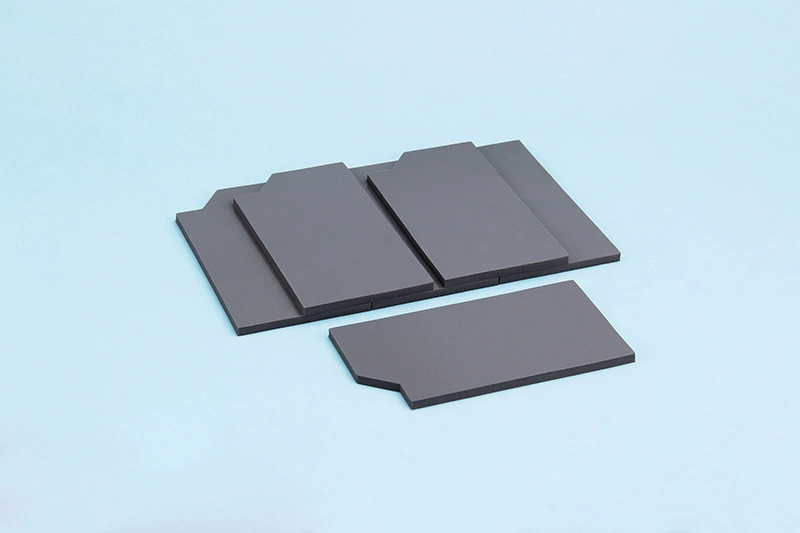
Common Forms:
· Thermal grease
· Gap pads
· Adhesive films
Structure
· Polymers act as a Thermal interface, filling microscopic air gaps.
Modification
· Base resins are blended with ceramic Fillers to boost thermal flow.
Mechanical Edge
· High Flexibility
· Lightweight structure
· Lower risk of cracking than brittle substrates
Electrical Behavior
· Naturally Low conductivity electrically
· Suitable for coated boards and Encapsulants
In consumer CPUs and GPUs, thermal conductive materials selection often leans toward polymers because dispensing is simple and automation-friendly. Rework is possible. Costs stay under control.
For brands balancing performance and scalability, Sheen Technology supports tailored thermal management material selection strategies—matching conductivity targets with production speed and budget.
In the end, Thermal Conductive Materials Selection isn’t about which material wins. It’s about which one fits the job, the temperature, and the timeline.
Scenario: Data Center Cooling With Advanced Materials
Data centers are running hotter and denser than ever. Smart Thermal Conductive Materials Selection is no longer optional; it drives uptime, cost control, and hardware lifespan.
Liquid Metal for High-Density Rack Assemblies
In ultra-packed racks, Thermal Conductive Materials Selection starts with understanding power density and heat transfer paths.
Core Focus:
· liquid metal as a premium thermal interface
· Direct die contact for extreme thermal management
· Stability across critical server components
Material Layer Decisions
1.1 Interface Performance
· Ultra-low thermal resistance
· Wetting behavior on copper cold plates
· Compatibility with nickel plating
1.2 Rack-Level Impact
· Higher rack density support
· Improved cooling efficiency
· Lower junction temperature swings
Risk Control
· Electrical conductivity isolation
· Controlled dispensing systems
· Scheduled inspection cycles
| Material Type | Thermal Conductivity (W/m·K) | Max Operating Temp (°C) | Typical Use Case |
| Liquid Metal | 70–80 | 150 | High-power CPUs |
| Silicone TIM | 3–8 | 200 | Standard servers |
When teams refine Thermal Conductive Materials Selection, they often pair liquid alloys with precision cold plates. That combo keeps dense AI clusters stable. Sheen Technology supports this with validated application control, helping operators fine-tune material selection for peak throughput.
Phase Change Materials in Hot Aisle Containment
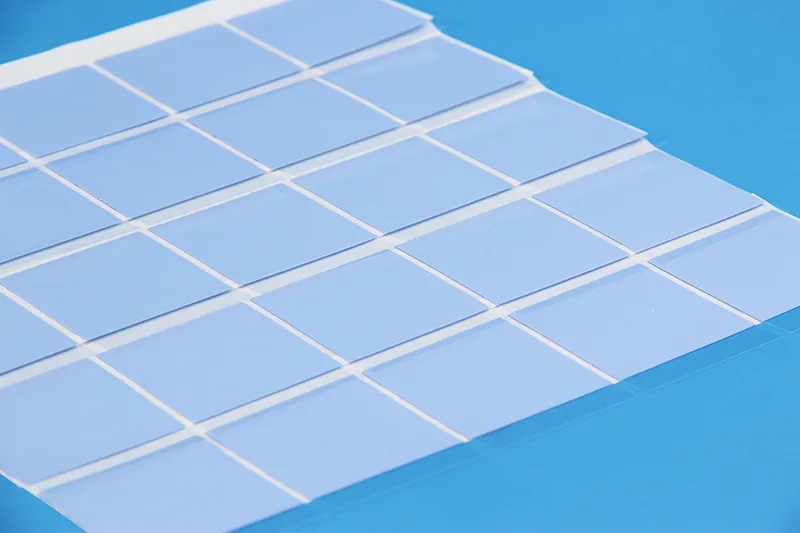
Inside a controlled hot aisle, airflow and temperature regulation go hand in hand. Smart Thermal Conductive Materials Selection includes phase change material engineered around specific melt points.
• During ramp-up, solid PCM sits firm.
• At target temp, it absorbs thermal energy storage through latent heat.
• Once load drops, it re-solidifies.
Here’s how it plays out in a containment system within a busy data center:
Contact Stage
· Microscopic gaps fill naturally.
· Surface roughness becomes less of a headache.
Active Load Stage
· GPU bursts trigger melt transition.
· Heat spreads evenly, reducing hotspots.
Recovery Stage
· Controlled airflow restores baseline temperature.
Short bursts. Heavy AI jobs. Quick cooldown. That rhythm defines modern facilities.
Engineers refining Thermal Conductive Materials Selection appreciate how PCM reduces pump strain and stabilizes ASIC performance. Sheen Technology integrates PCM solutions that match airflow modeling, keeping material selection aligned with real rack behavior.
Gap Fillers Enabling Rapid Maintenance and Reworkability
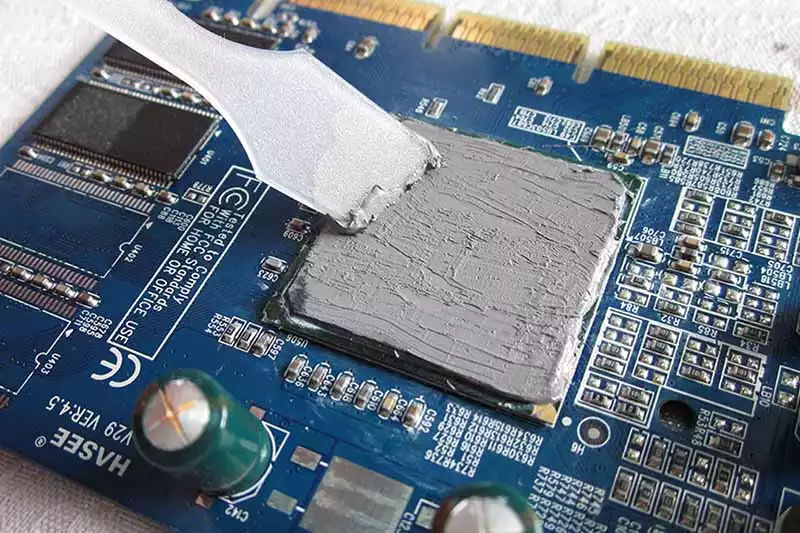
Not every interface needs exotic alloys. Sometimes gap filler materials win because downtime hurts more than thermal limits.
In day-to-day electronics assembly, Thermal Conductive Materials Selection must balance:
· thermal conductivity vs. compressibility
· Long-term heat dissipation vs. easy maintenance
· Mechanical tolerance vs. reworkability
Interface Adaptation
1.1 Board-to-sink gaps
· Uneven component height
· Stack-up tolerances
1.2 Compression Behavior
· Low stress on solder joints
· Reliable contact over time
Service Workflow
· Fast disassembly
· Clean removal
· Minimal residue
Lifecycle Strategy
· Consistent thermal interface material aging
· Reduced scrap during upgrades
Tech crews like materials that don’t fight back. A soft pad that compresses just right speeds swaps and keeps performance steady.
Strong Thermal Conductive Materials Selection means knowing when high-end alloys are overkill and when flexible fillers are the smarter call. Sheen Technology aligns material selection with real maintenance cycles, helping operators stay cool without slowing down.
FAQs about Thermal Conductive Materials Selection
How does Thermal Conductive Materials Selection affect CPU reliability and lifespan?
A CPU lives and dies by its junction temperature. The right interface keeps heat moving instead of lingering.
· Thermal Grease or Thermal Paste lowers thermal resistance between CPUs and heat sinks.
· Controlled Bond Line Thickness reduces thermal impedance and air gaps.
· Stable Thermal Conductivity limits hot spots during peak power dissipation.
When temperature swings from idle to full load under forced convection or liquid cooling, consistency protects solder joints and silicon. The reward is higher reliability and longer Mean Time To Failure (MTTF).
Why is high thermal conductivity critical for GPU cooling efficiency?
GPUs push extreme power dissipation across compact dies. Heat must spread fast—hesitation costs frames and hardware.
· Liquid Metal offers exceptional thermal conductivity for high-end vapor chambers.
· Phase Change Materials maintain contact during operating temperature range shifts.
· Thermal Pads simplify mounting on memory modules around the GPU core.
Lower thermal impedance keeps junction temperature stable during gaming spikes or AI training loads, protecting lifetime under constant thermal cycling.
What should engineers balance when selecting materials for Power Modules and IGBTs?
Power Modules face heat, voltage, and vibration at once—compromise is not an option.
Key balance points:
★ Thermal Conductivity for heat flow to heat sinks or heat pipes
★ Dielectric Strength and Volume Resistivity for electrical isolation
★ Coefficient of Thermal Expansion (CTE) to prevent cracking under temperature extremes
Gap Fillers and Thermal Adhesives must also fit automated assembly lines, with practical curing time and reworkability. In harsh environments—humidity, dust, altitude—material stability defines system lifetime.
Which properties matter most for high-voltage ASICs?
High-voltage ASICs operate close to electrical limits. A minor insulation flaw can trigger failure.
Critical properties include strong dielectric strength, high volume resistivity, and stable viscosity for precise dispensing or screen printing. Thermal Pads or specialized Thermal Paste must maintain bond line control without sacrificing insulation.
The goal is simple: control junction temperature while preventing breakdown across the full operating temperature range.
How do manufacturing factors influence large-scale deployment in data centers?
In dense racks, every interface choice echoes across thousands of servers.
| Factor | Why It Matters | Impact on Reliability |
| Dispensing & Pot Life | Smooth automated assembly | Consistent bond lines |
| Shelf Life | Bulk storage stability | Predictable performance |
| Reworkability | Fast hardware upgrades | Reduced downtime |
| Thermal Impedance | Direct heat path to liquid cooling | Lower junction temperature |
Soft Gap Fillers ease maintenance. Liquid Metal boosts peak performance but demands careful handling. Under continuous load and forced convection, disciplined Thermal Conductive Materials Selection keeps CPUs, GPUs, and ASICs within safe limits—protecting uptime and long-term reliability.
Sheen Thermal
Dongguan Sheen Electronic Technology Co., Ltd · Founded in 2008
Manufacturer of thermal interface materials and silicone foam for automotive electronics, energy storage, power electronics, communications and consumer electronics.
Certified
- ISO 9001:2015
- ISO 14001:2015
- IATF 16949:2016
What we supply
- Thermal conductivity Up to 90 W/m·K
- Thickness 0.3–10.0 mm
- Custom & samples Die-cut to drawing, 3–7 days