
 English
 usheenthermal

Why use a thermal interface material with high thermal conductivity?
Date:2026-05-09
Why use a thermal interface material with high thermal conductivity?
High heat kills performance, period. A thermal interface material with serious conductivity keeps chips cool, stable, and out of the danger zone when workloads spike and margins shrink.
In packed server racks and automotive housings, sloppy heat transfer costs uptime and cash. The right material cuts thermal resistance, prevents pump-out, and keeps production lines humming without drama.
5 Reasons To Pick Top-K Thermal Pads
Thermal control isn’t just a spec-sheet thing anymore—it’s make-or-break for chips running hot in tight spaces. A high-quality thermal interface material keeps heat moving and hardware stable. Below, we break down why top-tier thermal pads stand out in real-world electronics cooling setups.
Unmatched Thermal Conductivity for Integrated Circuits
When heat builds up inside Integrated Circuits, performance drops fast. A premium thermal interface material works as the bridge between chip and sink, pushing Heat Transfer where it belongs.
Core performance advantages:
· High Thermal Conductivity for rapid heat flow
· Stable Thermal Management under heavy loads
· Safe insulation for sensitive electronics
In demanding Electronics Cooling systems, especially GPUs and CPUs built for High Performance, material choice matters.
· The pad fills microscopic gaps.
· It reduces interface resistance.
· It keeps operating temperatures predictable.
As noted in the 2025 Yole Group thermal management report:
“Advanced thermal interface material solutions are becoming critical enablers for AI accelerators and high-density server processors.”
That’s not hype—it’s market reality.
Thin Bond Line Thickness with Pre-cut Pad Form Factor
Precision changes everything in compact assemblies.
Under controlled compression, a thermal interface material maintains optimal Bond Line Thickness, which directly impacts thermal resistance. Too thick? Heat lingers. Too thin? Poor gap coverage.
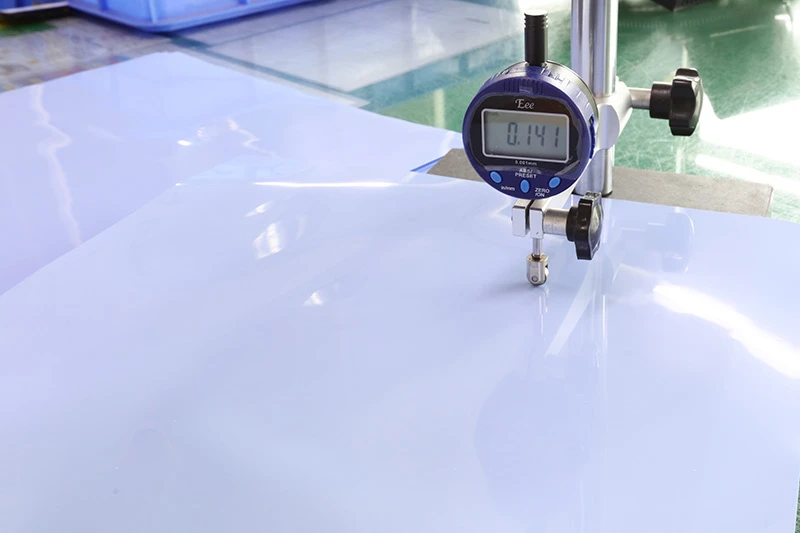
Design considerations:
· Pre-cut Pad geometry for repeatable assembly
· Controlled Material Thickness
· Compatibility with tight Form Factor layouts
In production:
Assembly teams benefit from:
· Cleaner Thermal Interface placement
· Faster line integration
· Reliable Gap Filling across uneven chips
The result is steady performance across memory modules and power devices without messy rework.
Superior Compressibility to Eliminate Void Formation
Surface mismatch is common in stacked boards and heat sinks.
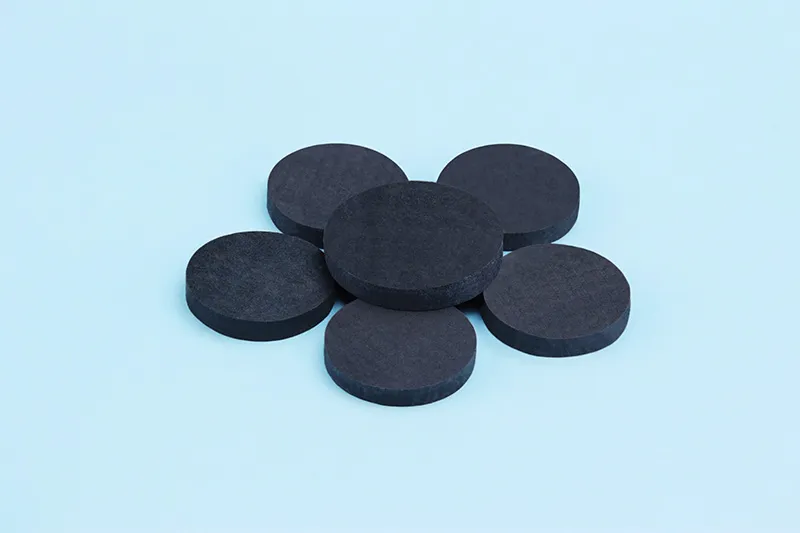
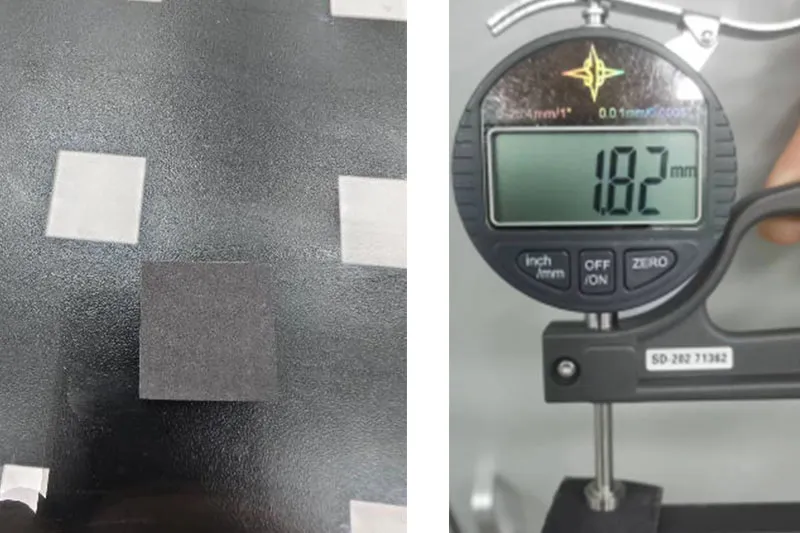
CSF20 Carbon Fiber Thermal Pad Compression Recovery Test Data:
| Test Item | Test Equipment | Test Conditions |
| Recovery Rate | Compression Recovery Tester | Compressed by 50% for 30 minutes, followed by a 30-minute rest period. |
Test Data:
| D0: Initial Thickness(mm) | 2.02 |
| D1: Thickness After Compression(mm) | 1.01 |
| D2: Thickness After Rest(mm) | 1.82 |
| Recovery Rate(%) | 80.4 |
A high-grade thermal interface material addresses that through controlled Compressibility and smart Material Compression behavior.
At the contact level:
· Adapts to surface roughness
· Expands into micro cavities
· Limits Void Formation
Performance impact:
· Fewer Air Gaps
· Lower Thermal Resistance
· Stronger Interface Contact
Under vibration or thermal cycling, surface conformance keeps heat paths intact. That stability isn’t flashy, but it keeps systems alive longer.
Long-term Performance in Data Center Server Environments
Inside a busy Data Center, hardware runs hot day and night. A weak thermal interface material degrades, pumps out, or dries up. A strong one holds steady.
Reliability drivers:
· Resistance to pump-out
· Long-term Thermal Stability
· Chemical durability in Server Environments
In Critical Applications:
· AI servers
· Cloud storage racks
· Edge computing nodes
Durability and Long-term Performance directly support uptime goals. And uptime is money—plain and simple.
Easy Application via Roll Stock and Film Laminate
Speed on the line counts. A well-designed thermal interface material in Roll Stock or Film Laminate format makes life easier for manufacturing teams.
Application flow typically looks like this:
· Material unwinds smoothly from roll.
· Automated cutters shape pads.
· Placement heads align pads to heat sources.
· Controlled pressure sets final contact.
Benefits stack up:
· Cleaner Material Handling
· Improved Assembly Efficiency
· Compatibility with automated placement systems
· Consistent Manufacturing Process control
When production scales, easy handling of thermal interface material reduces waste and keeps output steady. No drama—just solid heat control done right.
Thermal Interface Material Vs. Grease: Comparison
Thermal control isn’t just lab talk; it’s what keeps chips alive and LEDs from fading out too soon. In real devices, the choice between thermal interface material and grease shapes heat transfer, long-term stability, and even safety margins. Let’s break down how each option behaves in everyday engineering use.
Thermal Interface Material
A thermal interface material works as a carefully engineered interface layer between hot components and heat sinks. It manages contact resistance, supports steady device cooling, and keeps thermal performance predictable.
Core forms of thermal interface material
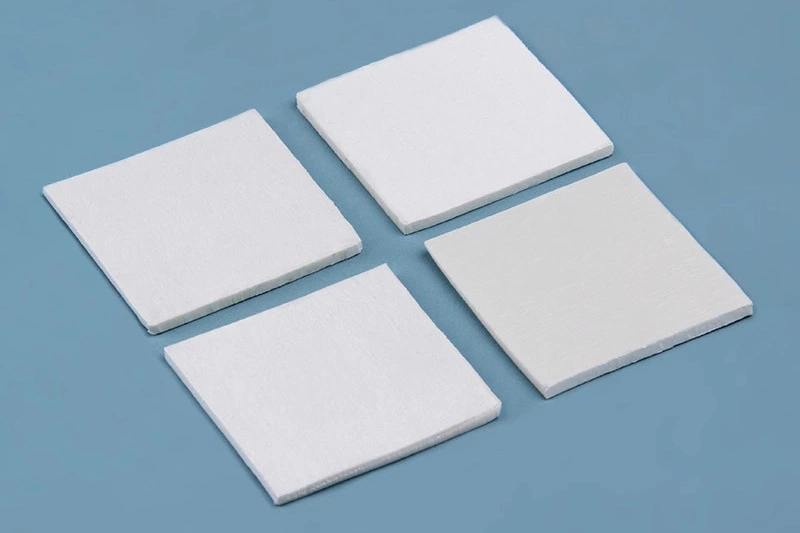
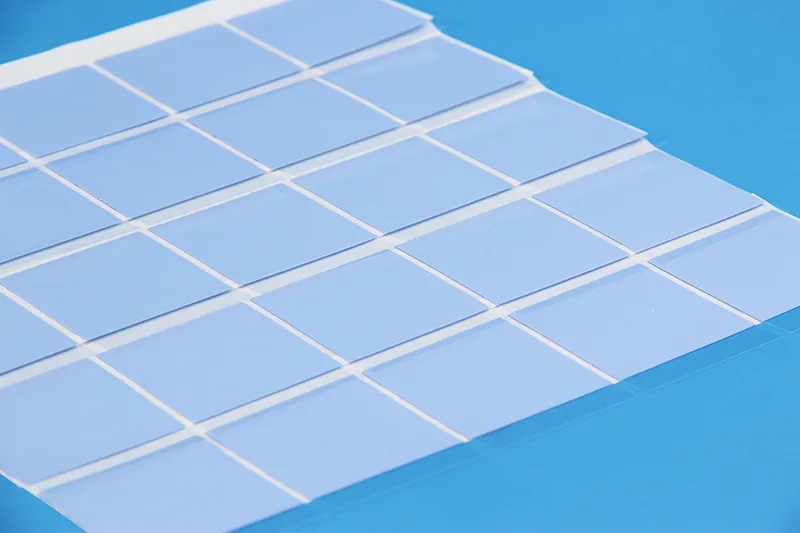
Pads
· Fixed thickness for reliable gap filling
· Stable thermal conductivity across large surfaces
Phase change materials
· Soften at target temperature
· Improve micro-level surface wetting
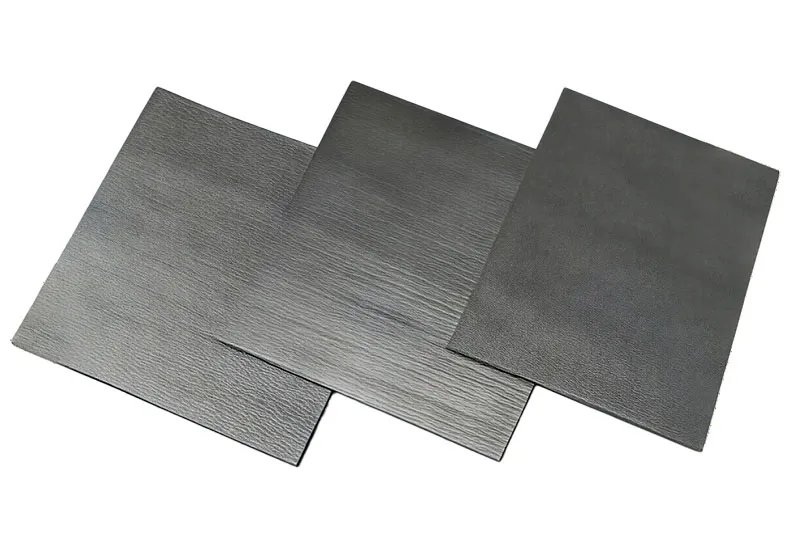
Graphene sheets
· High in-plane heat transfer
· Electrically safe with good dielectric strength
Functional value of a thermal interface material
· Controls bond line thickness
· Reduces air voids that raise contact resistance
· Matches specific material properties to power modules
Practical application logic
For power semiconductors
· Consistent pressure distribution
· Long service cycles
For LED modules
· Clean installation
· Low maintenance risk
Brands like Sheen Technology design each thermal interface material to balance thermal performance and durability, making integration smoother for OEM teams. When the goal is stable output without messy rework, this type of thermal interface material often feels like the safe bet.
Thermal Grease
Thermal grease, often called a thermal paste or thermal compound, focuses on surface wetting. It flows into microscopic gaps, cutting thermal resistance and boosting heat dissipation in tight assemblies.
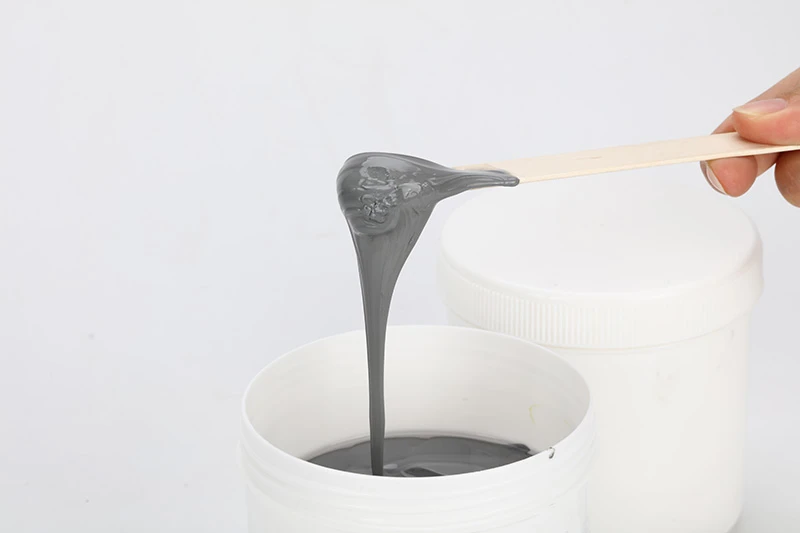
Key traits
· High spreadability
· Adjustable viscosity
· Strong initial heat transfer
Common use zones
CPU cooling
· Thin application layer
· Fast response to load spikes
GPU cooling
· Supports overclock scenarios
· Optimizes short-term thermal performance
Performance considerations
· Excellent initial contact
· Risk of pump-out under thermal cycling
· Requires controlled application method
Compared with a structured thermal interface material, grease offers flexibility but may shift over time. Sheen Technology addresses this by refining filler systems and oil stability, helping the thermal interface material category stand strong even when grease seems quick and easy.
Enhance Power Module Cooling Efficiency
Power electronics are running hotter than ever, and that heat has to go somewhere. A well-chosen thermal interface material can make or break cooling results. By refining thermal interface, thermal material, and interface material performance, engineers boost reliability without overcomplicating assembly. That’s where smarter design and practical know how step in.
Optimizing Heat Transfer with Liquid Metal Gap Fillers
When targeting serious heat transfer, attention centers on how liquid metal works as a high end gap filler inside a power module using advanced thermal interface material systems.
Material Selection
Thermal conductivity performance
· Liquid alloys reduce resistance at the thermal interface
· Surface wetting improves contact with heat spreaders
Compatibility
· Works alongside traditional thermal interface material pads
· Stable under load cycling
· Application Strategy
Surface Prep
· Clean bonding zones
· Control oxide layers
Controlled Placement
· Metered volume prevents overflow
· Maintains cooling efficiency
Performance Impact
· Reduced junction temperature
· Higher cooling efficiency
· Extended module lifespan
With the right thermal interface material, liquid metal solutions tighten thermal paths and cut wasted heat fast.
Automated Dispensing of Conductive Adhesive for Voltage Regulator Modules
Precise automated dispensing changes the game for voltage regulator module assembly.
Material Handling
· Calibrated pumps manage conductive adhesive flow.
· Viscosity checks protect thermal management consistency.
Deposition Accuracy
· Controlled bead geometry
· Even bond line thickness for proper heat dissipation
Process Stability
· Repeatable curing cycles
· Clean integration with assembly lines
A quality thermal interface material complements adhesive bonding by reducing interface voids. Sheen Technology aligns dispensing control with optimized thermal interface material choices, keeping production tight and predictable.
Improving Reliability through Thermal Cycling Stability
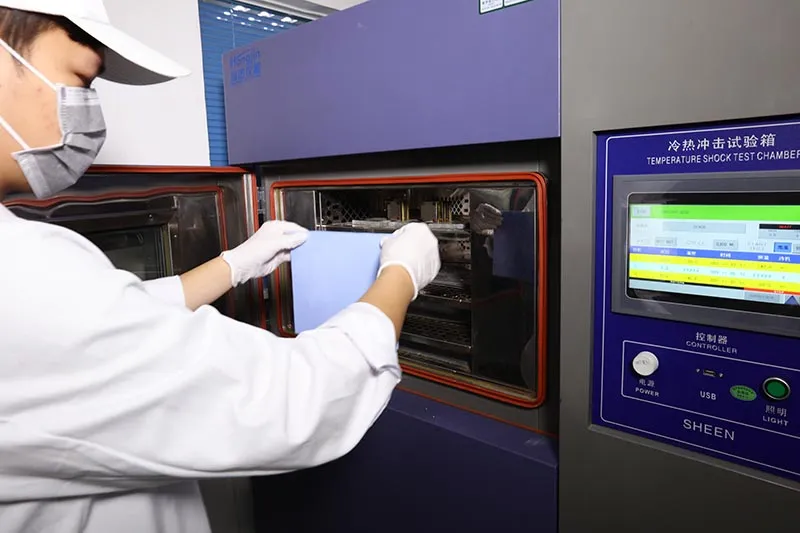
Long service life depends on resistance to thermal cycling and thermal stress.
Stress Control
· Elastic thermal interface material absorbs expansion mismatch.
· Reduced thermal fatigue limits cracking.
Material Endurance
· Low material degradation under heat swings
· Strong adhesion inside each power module
Long-Term Performance
· Stable electrical contact
· Consistent cooling after repeated cycles
Sheen Technology designs every thermal interface material solution to guard against pump out and fatigue. That steady stability keeps reliability high, even when equipment runs hard day after day.
FAQs about Thermal Interface Material
What makes thermal interface material essential for high-power electronics?
In a Graphics Processing Unit, Microprocessor, or Power Semiconductor, heat builds fast and punishes performance. The right thermal interface material controls that risk through:
· High Thermal Conductivity and low Thermal Resistance to move heat away from the die
· Stable Bond Line Thickness that limits hotspots between an Integrated Circuit and heatsink
· Strong Dielectric Strength and Volume Resistivity to avoid electrical short circuits
Typical material choices vary by stress level:
· Thermal Grease or Dispensing Paste for tight surface mating
· Thermal Pad or Pre-cut Pad for fast assembly on Memory Modules
· Liquid Metal for extreme loads in a High-Power Module
When temperatures spike, the wrong interface fails quietly. The right one keeps the system calm.
How do different material forms affect application and production efficiency?
Form factor changes the rhythm of the production line and the feel of assembly integration.
1) Sheet Material / Roll Stock / Film Laminate
· Clean handling
· Easy surface preparation
· Consistent coverage across large areas like an LED Array
2) Syringe Application / Automated Dispensing
· Accurate volume control for a Voltage Regulator Module
· Reduced waste
· Controlled Bond Line Thickness
3) Pre-cut Pad / Die-cut Shape
· Fast placement in a Consumer Device
· Fewer alignment errors
· Better repeatability during mass production
Behind every smooth production shift stands a well-matched application method and disciplined material storage.
What ensures long-term performance in demanding environments like data centers?
Inside a Data Center Server or Industrial Power Supply, heat never rests. Long-term reliability depends on three pressure points:
· Resistance to the Pump-out Effect during constant load
· High Thermal Cycling Stability across a wide Operating Temperature Range
· Protection against Material Degradation, Outgassing, and Void Formation
Material selection often reflects environment intensity:
· Phase Change Material: adapts under heat, lowers Thermal Impedance
· Gap Filler with strong Compressibility: conforms to uneven surfaces in Telecommunication Equipment
· Conductive Adhesive or Silicone Compound: adds Adhesion Strength during assembly integration
In harsh systems, thermal interface material is not a minor layer. It is the silent line between stable output and thermal shutdown.
Sheen Thermal
Dongguan Sheen Electronic Technology Co., Ltd · Founded in 2008
Manufacturer of thermal interface materials and silicone foam for automotive electronics, energy storage, power electronics, communications and consumer electronics.
Certified
- ISO 9001:2015
- ISO 14001:2015
- IATF 16949:2016
What we supply
- Thermal conductivity Up to 90 W/m·K
- Thickness 0.3–10.0 mm
- Custom & samples Die-cut to drawing, 3–7 days