
 English
 usheenthermal

Carbon Fiber Thermal Pads vs Thermal Paste: Which Wins the Heat War?
Date:2026-05-07
Carbon Fiber Thermal Pads vs Thermal Paste: Which Wins the Heat War?
Carbon fiber thermal pads are the smart bet when overheating keeps killing performance and profits. Thermal paste had its moment, but in high-load systems it dries out, shifts around, and leaves hot spots that cost uptime.
Modern hardware runs hotter and longer, and maintenance windows are shrinking fast. Downtime hits hard. Real hard.
Recent MarketsandMarkets research shows TIM demand rising across data centers and vehicles through 2025, driven by reliability concerns.
Melodic Key Points: carbon fiber thermal pads Harmony
→ Conductivity Boost: Leverage graphite and carbon nanotube networks in polymer matrices for stable, high through-plane thermal conductivity.
→ Reliability Edge: Enjoy low thermal resistance and maintained compressibility—no drying, pump-out or hot-spot delays.
→ Lifecycle Savings: Trade periodic paste re-applications for durable, reusable pads that cut maintenance costs and stabilize peak junction temperatures.
Which Dissipates Heat Faster: Fibers or Paste?
When your CPU starts running hot, the real showdown begins: carbon fiber thermal pads or paste? Both aim to move heat away fast, but the way carbon fiber, thermal, and pads work together feels very different from sticky compounds. Let’s break it down in plain talk and see what truly cools faster.
Carbon Fiber Thermal Pads
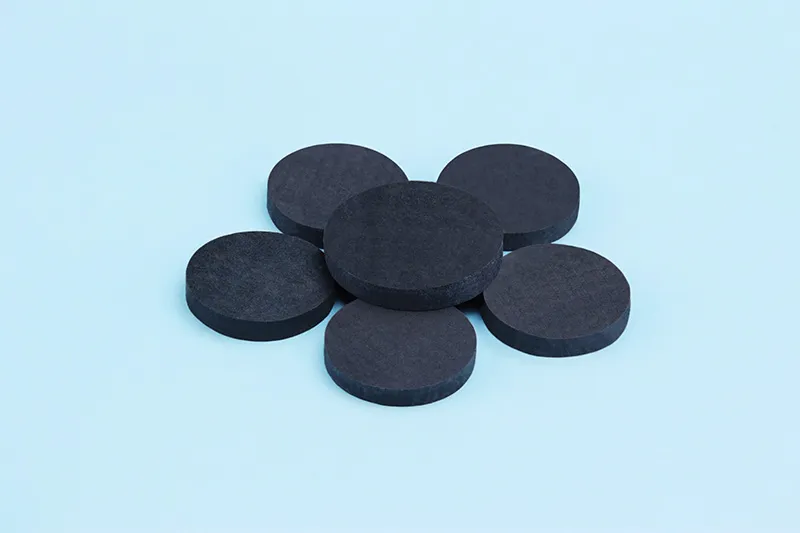
At the core of carbon fiber thermal pads sits a layered carbon fiber structure blended with graphite material, built as a high-performance thermal interface material in solid pad form.
Performance Stack
Heat Path
· Direct surface contact reduces air gaps.
· Stable thickness keeps pressure even.
Material Behavior
· Non-curing design means no dry-out.
· Consistent heat dissipation across long sessions.
Electrical & Safety Layer
· Controlled electrical conductivity for safe CPU and GPU use.
· Cleaner handling compared to viscous compounds.
Long-Term Value
· Strong reusability.
· No pump-out under thermal cycling.
In real-world builds, carbon fiber thermal pads react instantly when mounted. The solid carbon fiber network channels heat sideways and downward at the same time. That balanced thermal spread often beats paste during extended loads.
For gaming rigs and power modules, carbon fiber thermal pads from Sheen Technology are favored for durability and consistent heat dissipation, especially where maintenance downtime costs money.
Thermal Paste
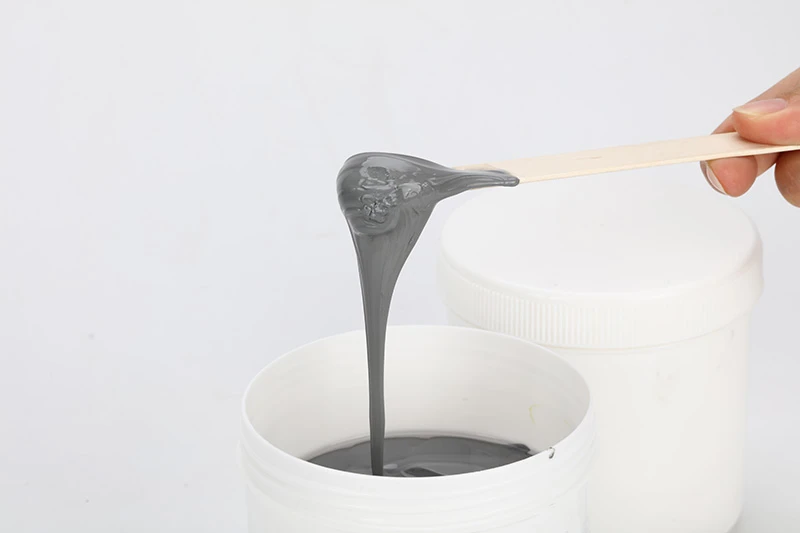
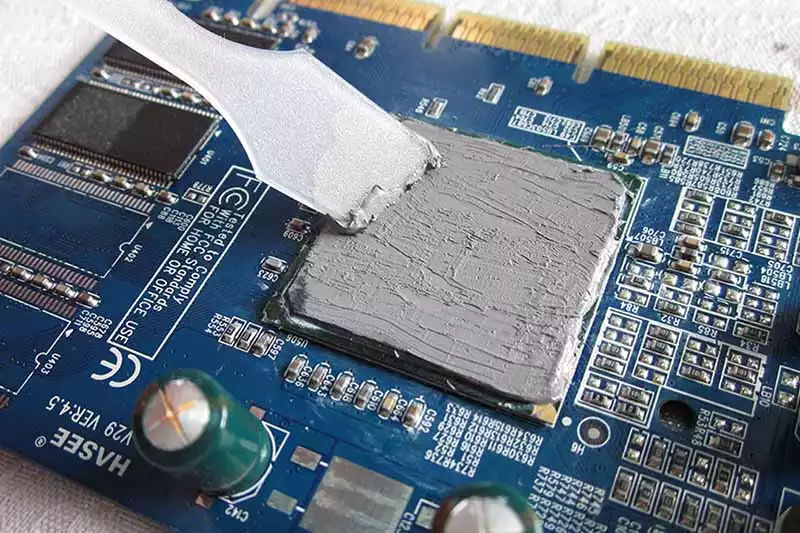
Thermal paste, often called thermal compound, works differently. It’s a viscous material made with conductive fillers in a silicone base, designed as a thin heat transfer medium for CPU cooling and GPU cooling.
Application Layer
1. Spread thin over the chip.
2. Mount heatsink with pressure.
3. Allow partial curing process if required.
Performance Factors
· Microscopic gap filling improves initial contact.
· Risk of pump-out after repeated heating cycles.
Maintenance Impact
· Needs reapplication over time.
· Messy if overused.
“The thermal interface materials market continues to shift toward reusable solid-state solutions for reliability and sustainability,” notes a 2025 update from MarketsandMarkets, highlighting rising demand for graphite-based pads.
In short bursts, paste can drop junction temperature quickly. Over time, though, drying affects performance. That’s why many builders now compare paste directly with carbon fiber thermal pads, and some switch to Sheen Technology’s carbon fiber thermal pads for cleaner installs and longer service life.
Thermal Paste vs Pads: 3 Key Performance Stats
Thermal management can make or break modern electronics. When comparing paste with carbon fiber thermal pads, the real story shows up in measurable performance stats. From heat transfer efficiency to junction temperature control, the details matter. Let’s break it down in plain terms.
Thermal Conductivity
When engineers compare thermal paste to carbon fiber thermal pads, the focus lands on thermal conductivity, a core material property measured in W/mK.
Material Composition and Heat Flow
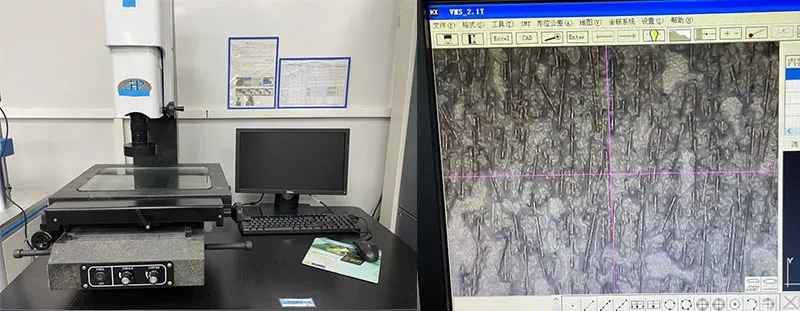
Carbon structures
· Graphite layers guide heat flow directly through the pad thickness.
· Carbon nanotube networks enhance conductance stability.
Paste fillers
· Particle distribution affects dissipation.
· Pump-out can reduce long-term performance.
Through-Plane Efficiency
· Carbon fiber pads maintain steady heat transfer under compression.
· Thermal paste may shift, slightly altering conductance paths.
In practical cooling systems, carbon fiber thermal pads deliver predictable heat transfer, especially in CPUs and power modules that cycle temperatures daily. That stability keeps efficiency consistent over time.
Thermal Resistance
Thermal resistance, expressed in K/W, describes how much a material acts as a barrier to heat flow at the interface between a chip and heat sink.
Here’s how carbon fiber thermal pads stack up:
· Controlled thickness improves surface contact.
· Elastic compression reduces air gaps.
· Stable structure lowers interface impedance and overall R-value.
In real builds:
· Apply mounting pressure.
· Pad conforms to micro-gaps.
· Heat flow improves across the interface.
Traditional paste can work well, but uneven spread sometimes increases local thermal resistance. That’s why many designers now swap to carbon fiber pads or graphite thermal pads for cleaner installs. Sheen Technology refines carbon fiber thermal pads to maintain low K/W even after repeated mounting cycles. Less mess. More reliable contact.
Junction Temperature Drop
Lowering junction temperature directly protects the CPU, GPU, and power die. With effective cooling, even a small delta T drop can extend device lifespan.
Impact on Component Reliability
· Reduced component temperature slows material fatigue.
· Stable cooling prevents thermal throttling.
Performance Gains
· Lower junction temperature improves sustained clock speeds.
· Power transistors handle greater loads safely.
Material Choice
· High-quality carbon fiber thermal pads maintain compression.
· Consistent cooling reduces peak delta T swings.
Used correctly, carbon fiber thermal pads help shave degrees off hot spots inside processors. That temperature drop isn’t just a number—it protects silicon over years of use. With solutions from Sheen Technology, thermal control feels less like guesswork and more like smart engineering done right.
How Carbon Fiber Thermal Pads Cut Peak Temps by 20%
Carbon fiber thermal pads are changing how engineers handle heat in tight electronic spaces. By blending carbon fiber, thermal fillers, and smart processing, these thermal pads move heat fast without shorting circuits. If you care about cooler chips and stable frame rates, this matters.
Graphite and Carbon Nanotubes in the Polymer Matrix
Within a Polymer Matrix, heat transfer depends on how well conductive paths connect. Carbon fiber thermal pads rely on a carefully engineered Composite Material made from:
· Graphite
· Carbon Nanotubes
· Insulating resin systems
The performance builds in layers:
Nanomaterials Network Formation
1.1 Dispersed Carbon Nanotubes bridge microscopic gaps.
1.2 Flake-like Graphite spreads heat laterally.
1.3 Together, they boost overall Thermal Conductivity.
Matrix Control in Material Science
2.1 The polymer binds fillers while keeping electrical isolation.
2.2 Filler loading is balanced to avoid brittleness.
2.3 Fiber alignment guides heat toward heat sinks.
This internal network is why carbon fiber thermal pads outperform many standard graphite pads. At Sheen Technology, filler dispersion is tightly controlled, so the carbon thermal interface pad stays consistent from sheet to sheet.
Hot Pressing and Curing for Optimal Compressibility
Manufacturing makes or breaks performance. In carbon fiber thermal pads, Hot Pressing and the Curing Process shape the final structure.
Material Fabrication Flow
1.1 Pre-mixed composite sheets are layered.
1.2 Controlled Heat Treatment activates crosslinking.
1.3 Pressure defines density and thickness.
Tuning Compressibility for Optimal Performance
2.1 Low pressure → softer pad, better gap filling.
2.2 Higher pressure → tighter structure, higher contact efficiency.
2.3 Balanced curing → stable rebound after compression.
The result is a carbon fiber pad that conforms to uneven surfaces on PCBs and heat spreaders. Sheen Technology fine-tunes pressing curves so the thermal carbon fiber sheet keeps flexibility without pumping out under load.
Power Electronics Case Study: CPU and GPU Cooling
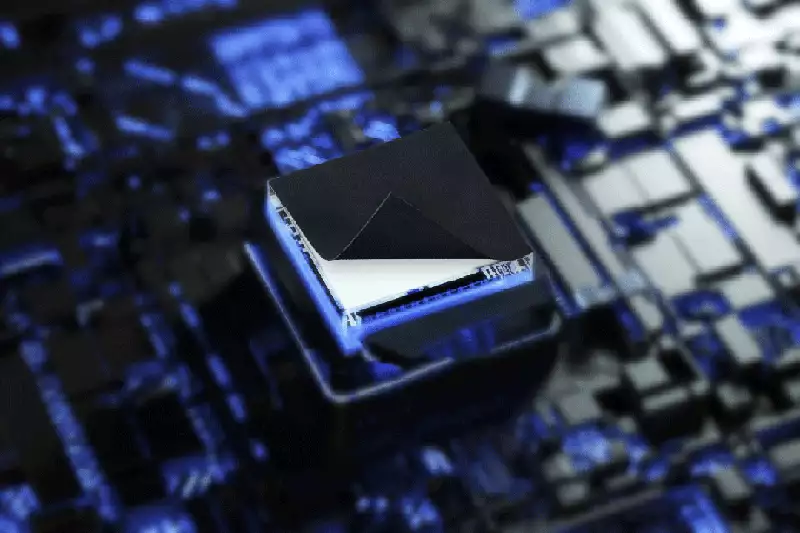
In high-load Power Electronics, heat spikes fast. That is where carbon fiber thermal pads prove their worth.
Application in Electronic Components
1.1 Installed between die and heat sink in CPU Cooling setups.
1.2 Integrated under vapor chambers for GPU Cooling.
1.3 Used in VRMs to stabilize board-level Thermal Management.
Measured Impact on System Performance
2.1 Lower peak junction temperature.
2.2 Reduced thermal throttling.
2.3 Up to 20% drop in hotspot readings during stress tests.
Compared with silicone-based pads, carbon fiber thermal pads show faster Heat Dissipation and better long-term stability. For gamers and data center operators, that means smoother loads and fewer thermal alarms. Carbon fiber thermal pads from Sheen Technology are designed for this kind of real-world pressure, where every degree counts.
Cost per Watt Dissipated: Pad vs Paste
Cooling cost hits harder than most teams expect. When you break it down to cost per watt dissipated, the gap between carbon fiber thermal pads and paste gets real. Let’s unpack how carbon, fiber, thermal, and pads stack up against grease-based options in daily operation.
Carbon Fiber Thermal Pads
When evaluating carbon fiber thermal pads, cost per watt is shaped by material science and maintenance cycles.
Material Performance Layer
1.1 Carbon fiber structure
· Enhances directional heat flow.
· Supports stable compression over time.
1.2 Thermal interface material design
· Solid-state contact reduces pump-out.
· Lower thermal resistance drift under pressure.
1.3 Material stability
· No drying.
· No curing downtime.
Operational Cost Factors
2.1 Dry installation
· No mess.
· Faster line assembly.
2.2 Reusable component advantage
· Survives multiple maintenance cycles.
· Reduces replacement frequency.
2.3 Heat dissipation performance
· Consistent watt handling across years.
| Parameter | Carbon Fiber Thermal Pads | Standard Paste |
| Reuse Cycles | 5–10 | 1 |
| Avg. Thermal Conductivity (W/m·K) | 8–35 | 3–12 |
| Reapplication Interval | 3–5 yrs | 1–2 yrs |
| Install Time (min/unit) | 1–2 | 3–5 |
| Residue Cleanup Cost | Low | Medium |
Across data centers, carbon fiber thermal pads often show lower lifecycle cost per watt. Brands like Sheen Technology optimize carbon fiber thermal pads for tighter tolerance control, pushing better long-term heat transfer efficiency without repeat labor.
Thermal Paste
Thermal paste still wins on sticker price. Yet the math shifts over time.
Application and Setup
1.1 Thermal compound or heat conductive grease
· Requires precise spread.
· Sensitive application technique.
1.2 Wet bonding
· Wet application process fills gaps.
· Needs a short curing period in some formulas.
Long-Term Cost Drivers
2.1 Pump-out and dry-out
· Gradual performance degradation.
· Rising thermal resistance.
2.2 Maintenance cycles
· Shutdown required.
· Labor adds up.
Cost per Watt Reality
3.1 Lower upfront price.
3.2 Higher lifetime servicing.
3.3 More variability across semiconductor devices and power modules.
For teams comparing paste with carbon fiber thermal pads, the decision often lands on stability. A well-designed carbon fiber pad, especially advanced carbon fiber thermal pads from Sheen Technology, keeps watt dissipation steady without the rework headache. Over years, that steady burn rate matters more than the cheap start.
Carbon Fiber Thermal Pads in Extreme Environments
Extreme heat, constant vibration, nonstop workloads—this is where carbon fiber thermal pads prove their worth. From LEDs to chip fabs, carbon fiber thermal pads, carbon fiber pads, and thermal interface pads keep systems cool without drama. Let’s break it down in real-world terms.
High Operating Temperature Resistance
When high temperature pushes hardware to the edge, carbon fiber thermal pads hold steady thanks to serious thermal stability and heat resistance.
Core Performance Under Extreme Heat
Thermal stability
· Maintains structure beyond typical temperature limits
· Reduces risk of thermal degradation in long cycles
Heat endurance
· Handles repeated spikes in extreme heat
· Supports LED modules and battery packs facing sustained high temperature
Operational Impact
Operational resilience
· Keeps contact surfaces efficient
· Prevents pump-out common in softer gap fillers
Application Fit
· EV battery systems
· Industrial lighting
· Power conversion units
In carbon fiber thermal pads, the carbon fiber matrix spreads heat fast, while the pad structure resists drying or cracking. Sheen Technology designs carbon fiber thermal pads that stay stable even when the heat just won’t quit, helping engineers stay within safe temperature limits without overbuilding cooling systems.
Low Density and Flexibility under Mechanical Stress
Carbon fiber thermal pads aren’t just about heat. The material density is low, which means lightweight design without sacrificing mechanical properties.
Here’s what that means on the ground:
· Lightweight yet tough
· Strong compression resistance
· Reliable stress tolerance under vibration
In servers mounted near factory floors or EV systems facing road shock, structural flexibility matters. A carbon fiber pad compresses slightly under mechanical load, adapting to surface gaps. That controlled material deformation keeps contact tight across transistors and IC packages.
Mount the heat sink.
· Apply carbon fiber thermal pads.
· Tighten to spec.
· Maintain even pressure over time.
The result? Fewer micro air gaps, steadier thermal flow, and less fatigue from thermal cycling. Carbon fiber thermal pads from Sheen Technology balance low weight with reliable compression, so engineers don’t have to choose between cooling and durability.
Reliability in Data Centers and Semiconductor Devices
In data center applications and chip fabrication tools, uptime is everything. Carbon fiber thermal pads support long-term operation by protecting component integrity and stabilizing thermal management.
System-Level Reliability
System reliability
· Stable interface over years
· Reduced drift in thermal resistance
Electronic stability
· Consistent insulation properties
· Protection against short-circuit risks
· Semiconductor Performance
Semiconductor performance
· Efficient heat spread across packages
· Lower junction temperature swings
Device longevity
· Less stress from expansion mismatch
· Improved durability in 24/7 cycles
“Global data center infrastructure is entering a new cycle of efficiency-driven upgrades focused on thermal optimization and power density,” noted the International Energy Agency (IEA) in its 2025 update on digital infrastructure.
Carbon fiber thermal pads fit right into that shift. With stable insulation and dependable thermal transfer, these carbon fiber thermal pads help facilities stay online, protect expensive tools, and keep cooling costs from spiraling.
Unstable Cooling? Try Carbon Fiber Thermal Pads
When your rig starts running hot and performance drops, it’s usually not the fan’s fault. The real fix often sits between the chip and the sink. Carbon fiber thermal pads bring smarter heat control without the mess of paste.
Enhanced Heat Dissipation for Overclocked CPUs
Overclocking pushes a CPU and processor past stock limits, and that’s where carbon fiber thermal pads step in. Inside the interface stack:
CPU / processor layer
· Optimized heat transfer path
· Stable thermal conductivity rating
Thermal interface material
· Uniform thickness control
· Reduced pump-out during heavy overclocking
Heat sink base
· Improved overall cooling
· Sustained system performance
Short bursts of speed are easy. Sustained clocks are hard. Carbon fiber thermal pads maintain even pressure, cutting micro air gaps that kill heat transfer. That means fewer thermal spikes and less throttling.
Gartner’s 2025 semiconductor packaging outlook notes that “advanced thermal interface materials are becoming critical to sustain high-density processor performance under elevated power loads.”
For gamers and workstation users, that translates to smoother frame rates and fewer sudden drops. Carbon fiber thermal pads just keep the heat moving.
Compressibility on Uneven Surfaces like Power Modules
Power boards aren’t perfectly flat. Uneven surfaces and tall power modules create messy contact zones. That’s where carbon fiber thermal pads show real compressibility.
Interface alignment
· Surface mismatch
· Microscopic gaps
Pad response
· Elastic recovery
· Controlled gap filling
· Tight contact
Final result
· Lower interface resistance
· Better thermal conformity
Traditional carbon thermal pads can struggle with edge pressure. In contrast, carbon fiber thermal pads flex without cracking, hugging the board and heat spreader. Less trapped air. More reliable interface.
For dense layouts, Sheen Technology fine-tunes pad softness so installers don’t need extra shims or awkward rework.
Electrical Insulation with Resin and Conductive Fillers
Cooling is pointless if it risks short circuits. Carbon fiber thermal pads use a resin matrix blended with conductive fillers that pass heat but block current.
Material core
Polymer resin
· High dielectric strength
· Stable electrical insulation
Engineered conductive fillers
· Directed heat flow
Safety layer
· Non-conductive barrier
· Board-level isolation
Between printed circuit boards and sinks, this structure protects traces and solder joints. Solid safety, steady heat movement, no drama.
Die-Cut Parts and Custom Shapes for Easy Installation
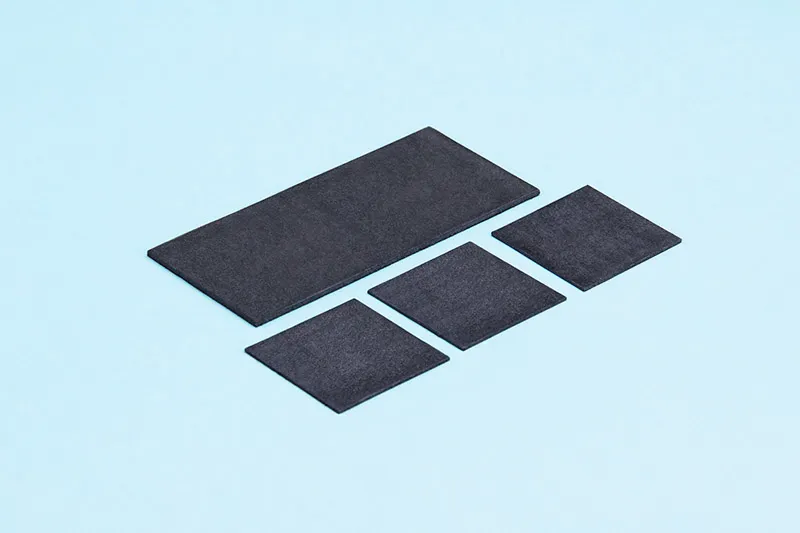
Compact systems demand tight form factor control. Carbon fiber thermal pads can be:
· Die-cut for exact geometry
· Trimmed into custom shapes
· Supplied as pre-cut kits for fast assembly
In practice, that means quicker installation during device application. No scissors on the bench. No guessing alignment.
Sheen Technology offers carbon fiber thermal pads tailored to device outlines, so tech teams spend less time adjusting and more time shipping. And yes, carbon fiber thermal pads fit snug, look clean, and just work.
FAQs about Carbon Fiber Thermal Pads
What advantages do carbon fiber thermal pads offer compared to thermal paste?
Carbon fiber thermal pads act as a stable thermal interface material built from graphite, carbon nanotubes, and a polymer matrix resin.
· Maintain consistent thermal conductivity under high operating temperature
· No pump-out, no drying, less mess during CPU or GPU maintenance
· Reusable thermal sheets reduce long-term cost in power electronics
In cooling systems with heat sinks and microprocessors, this stability means lower thermal resistance and steadier junction temperature over time.
How do carbon fiber thermal pads improve reliability in semiconductor devices?
Inside semiconductor devices and power modules, pressure and vibration are constant. The controlled compressibility and flexibility of carbon fiber pads help absorb stress.
· Maintain tight contact between integrated circuits and heat sinks
· Reduce air gaps on printed circuit boards
· Limit thermal cycling damage in transistors
Low density and uniform thickness keep heat dissipation predictable, improving durability in data centers running 24/7.
Are carbon fiber thermal pads suitable for high-temperature applications?
Yes—especially where heat never rests.
| Property | Performance Impact |
| High operating temperature tolerance | Stable heat dissipation in LEDs and GPUs |
| Electrical insulation from polymer matrix | Safe use near sensitive circuits |
| Strong power handling capability | Reliable battery thermal management |
Graphene and conductive fillers form continuous heat paths, helping control junction temperature in compact cooling systems.
Can carbon fiber thermal pads replace silicone-based gap fillers in power electronics?
In many designs, yes.
Through hot pressing, lamination, curing, and die-cutting, manufacturers create thermal gap fillers, rolls, and custom shapes that fit tightly around power modules.
· Better thickness control than soft silicone fillers
· Cleaner assembly with pre-cut dimensions
· Stable performance across molding and repeated maintenance cycles
For engineers balancing heat dissipation, reliability, and service life, carbon fiber thermal pads offer a precise and durable alternative.
Sheen Thermal
Dongguan Sheen Electronic Technology Co., Ltd · Founded in 2008
Manufacturer of thermal interface materials and silicone foam for automotive electronics, energy storage, power electronics, communications and consumer electronics.
Certified
- ISO 9001:2015
- ISO 14001:2015
- IATF 16949:2016
What we supply
- Thermal conductivity Up to 90 W/m·K
- Thickness 0.3–10.0 mm
- Custom & samples Die-cut to drawing, 3–7 days