
 English
 usheenthermal

5 Essential Factors for Thermal Conductive Pads Selection Success
Date:2026-05-07
5 Essential Factors for Thermal Conductive Pads Selection Success
Thermal Conductive Pads Selection can make or break your product, and there’s no room for guesswork when heat starts acting up.
MarketsandMarkets projects high-single-digit annual growth for thermal interface materials through 2029, signaling sustained industrial demand.
Choose wrong, and costs climb fast; choose smart, and performance holds steady at scale daily.
Wow! 5 Keys To Thermal Conductive Pads Selection Success
Choosing the right Thermal Conductive Pads Selection strategy can feel tricky, but it doesn’t have to be. Break the phrase down—Thermal. Conductive. Pads. Selection. Each word points to performance, material, interface, and fit.
Get those right, and your thermal pad selection becomes smooth, efficient, and cost-smart.
Key 1: Optimize Thermal Conductivity (W/m·K)
When handling Thermal Conductive Pads Selection, focus on thermal conductivity and real-world heat transfer instead of chasing big numbers blindly.
Core factors
Thermal performance
· Rated W/mK value
· Actual heat flow path length
System limits
· Acceptable thermal resistance
· Target heat dissipation
Below is a quick reference for typical materials used in thermal conductive pad selection:
| Material Type | Thermal Conductivity (W/mK) | Typical Application | Density (g/cm³) |
| Silicone | 1.5–6.0 | CPU cooling | 2.1–3.2 |
| Graphite | 5.0–12.0 | GPU cooling | 1.8–2.2 |
| Ceramic-filled | 3.0–8.0 | Power modules | 2.5–3.5 |
| Phase-change | 2.0–5.0 | Compact devices | 2.0–2.8 |
For stable thermal interface material performance, match conductivity with clamping pressure. Sheen Technology fine-tunes filler ratios so real heat dissipation aligns with datasheet claims.
Key 2: Select Ideal Thickness and Compressibility
Thickness matters. So does feel.
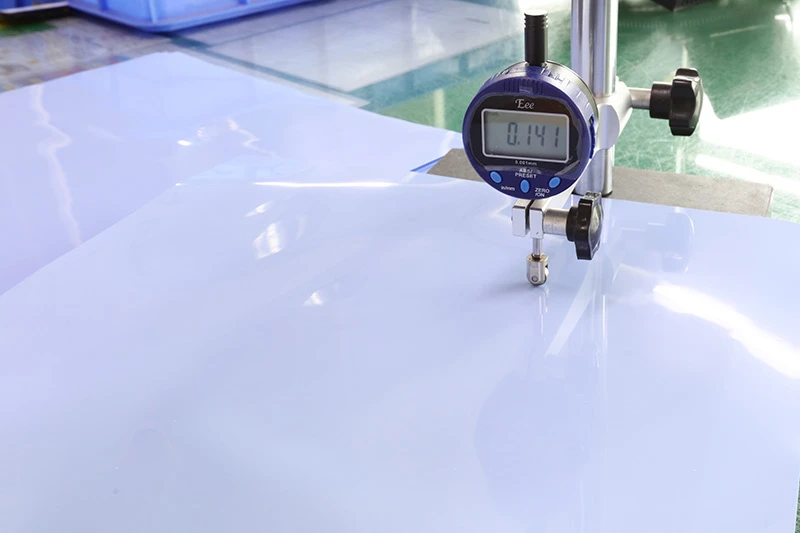
Pad thickness
· 0.5 mm for tight gaps
· 1–3 mm for uneven surfaces
Compressibility
· Controls contact resistance
· Reduces thermal impedance
Too stiff? Poor gap filling.
Too soft? Excess material deformation.
In practical Thermal Conductive Pads Selection, measure the gap, check mounting pressure, then validate compression rate (typically 10–40%). That’s how thermal pad selection stays stable over vibration cycles in automotive gear.
Key 3: Ensure Adequate Dielectric Strength
Heat moves. Electricity must not. For safe Thermal Conductive Pads Selection:
1)Confirm rated dielectric strength (kV/mm).
2)Check breakdown voltage against system peak.
3)Verify electrical insulation and electrical isolation in humid conditions.
4)Review electrical resistance and long-term aging.
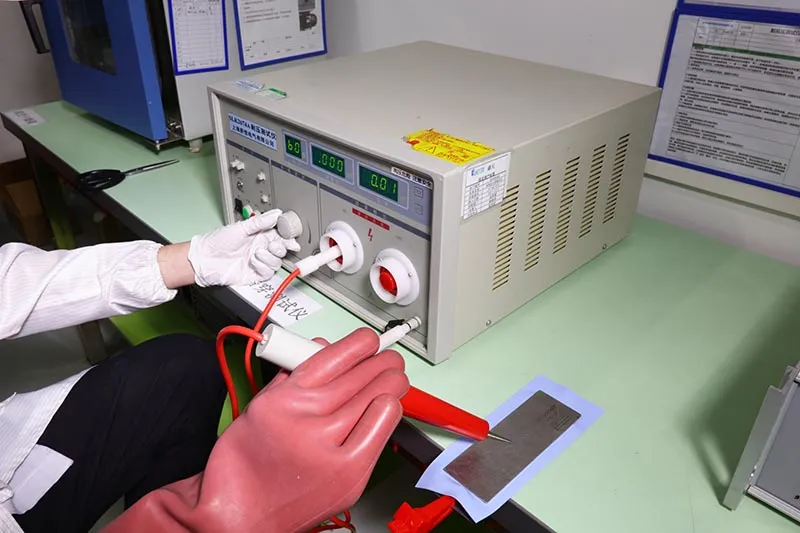
In LED drivers and power supplies, weak insulation properties can mean costly failures. Sheen Technology tests every batch for voltage stability, keeping circuits protected without sacrificing thermal conductivity.
Key 4: Choose UL-Certified, RoHS-Compliant Materials
Compliance isn’t paperwork—it’s market access.
Regulatory checklist
· UL certification
· RoHS compliance
· Restricted hazardous substances
· Alignment with global safety standards
For exporters, clean documentation equals smooth audits. Strong regulatory compliance also reflects internal quality assurance discipline. In competitive Thermal Conductive Pads Selection projects, certified materials often win contracts faster than cheaper, uncertified options.
Key 5: Match Form Factor — Sheets, Gaskets, and Custom Shapes
Fit drives performance.
Form factor decisions
· Standard sheets for bulk cutting
· Precision die-cut parts
· Framed gaskets
· Engineered custom shapes
Geometry alignment
· Accurate application fit
· Controlled material geometry
· Stable pad configuration
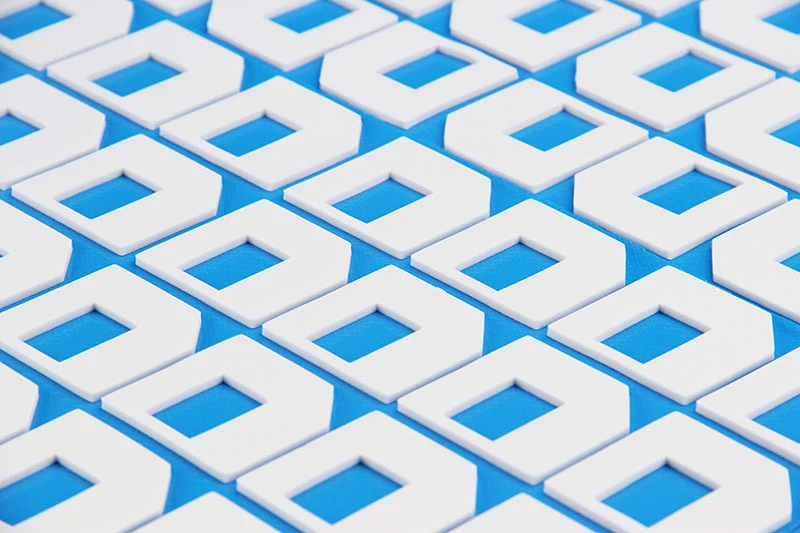
A clean cut improves bond consistency and keeps assembly quick. During Thermal Conductive Pads Selection, always review CAD drawings alongside compression data. The right shape reduces assembly time, improves repeatability, and keeps long-term heat flow steady.
Get these five keys right, and Thermal Conductive Pads Selection stops being guesswork. It becomes a smart, repeatable process that keeps electronics cool—and business moving.
Layered Overview: Mechanical, Thermal, And Electrical Factors
Thermal Conductive Pads Selection isn’t just about grabbing a pad off the shelf. It’s about balancing mechanical feel, heat flow, and electrical safety so your device runs cool, stable, and drama free.
Mechanical: Hardness, Density, and Conformability
Getting Mechanical factors right during Thermal Conductive Pads Selection keeps your system tight and reliable.
Material Foundation
· Material composition shapes overall Durability and long-term Compression behavior.
· Higher Density often means better structural support, yet too dense can reduce Flexibility.
· Balanced Hardness prevents pump-out under thermal cycling.
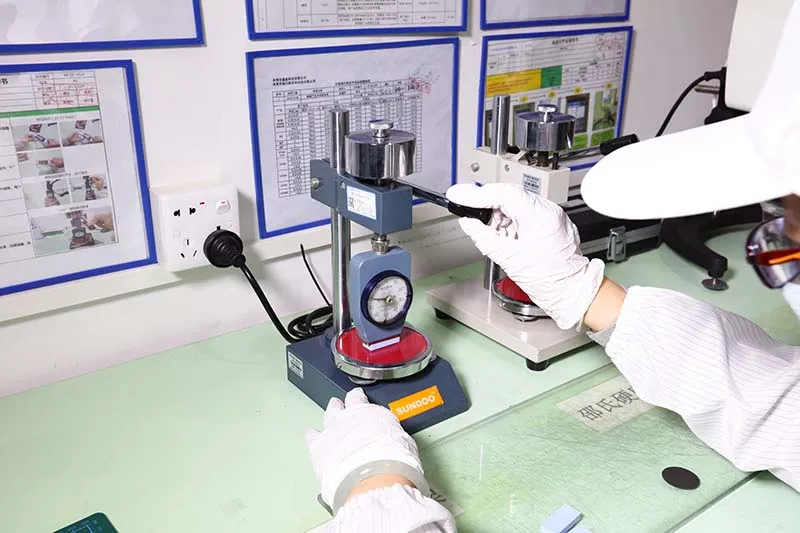
Surface Adaptation
a) Conformability allows the pad to fill microscopic gaps between heatsink and chip.
b) Controlled Thickness ensures even contact pressure.
c) Proper Compression rate avoids overstressing solder joints.
Operational Stability
· Long-term Durability under repeated heating.
· Resistance to mechanical fatigue.
· Stable Flexibility across temperature swings.
When engineers talk about smart Thermal Conductive Pads Selection, this mechanical layer is often the deal breaker. A pad that’s too stiff won’t seal gaps. Too soft? It may collapse over time. Brands like Sheen Technology tune Hardness and Density carefully so installers don’t have to guess.
Thermal: Heat Transfer Efficiency and Thermal Impedance
Thermal performance sits at the core of Thermal Conductive Pads Selection. No shortcuts here.
· High Conductivity improves Heat transfer from chip to heatsink.
· Low Thermal impedance minimizes interface losses.
· Balanced Resistance ensures steady Dissipation under load.
In high-power GPUs and telecom units, Interface quality drives real-world Performance. A small air gap can wreck Efficiency.
Measure target heat load.
· Match pad Conductivity to required Dissipation.
· Validate full-stack Thermal impedance in real assembly pressure.
The 2025 IDC data center outlook notes:
“Thermal management efficiency is now a primary constraint in high-density AI server expansion.”
That line hits home. Proper Thermal Conductive Pads Selection directly affects system lifespan. Sheen Technology optimizes pad Interface structures to reduce Resistance while keeping installation simple. Thermal pads selection done right keeps things cool without overcomplicating the build.
Electrical: Volume Resistivity and Breakdown Voltage
Electrical insulation can’t be an afterthought in Thermal Conductive Pads Selection.
Core Insulation Performance
· High Volume resistivity blocks unintended current paths.
· Strong Dielectric properties support tight PCB layouts.
· Reliable Electrical resistance preserves signal integrity.
Voltage Protection Layer
a) Adequate Breakdown voltage handles peak spikes.
b) Confirmed Voltage strength supports compact power modules.
c) Stable Isolation maintains user Safety.
Compact Assembly Assurance
· Maintains Insulation in high humidity.
· Prevents leakage across fine-pitch components.
In modern electronics, spacing keeps shrinking. That’s why Thermal Conductive Pads Selection must weigh Volume resistivity as heavily as Conductivity. Sheen Technology designs pads that balance thermal flow and electrical Safety, giving engineers peace of mind without sacrificing cooling power.
When mechanical fit, thermal flow, and electrical isolation line up, Thermal Conductive Pads Selection stops being tricky—and starts being smart.
Bulleted Guide: 4 Traits Of Top Thermal Pads
Choosing the right material isn’t guesswork. Thermal Conductive Pads Selection shapes cooling stability, device lifespan, and safety margins—especially when power density keeps climbing in modern electronics.
Superior Thermal Resistance at Elevated Temperature Ranges
In real-world Thermal Conductive Pads Selection, thermal resistance stability matters more than flashy conductivity numbers. High-load systems face constant high temperature swings, so pads must maintain steady thermal performance across a broad temperature range.
Core Performance Factors
· Heat resistance stability beyond 120°C
· Minimal drift in heat transfer efficiency
· Reliable insulation under elevated temperature
Application-Based Requirements
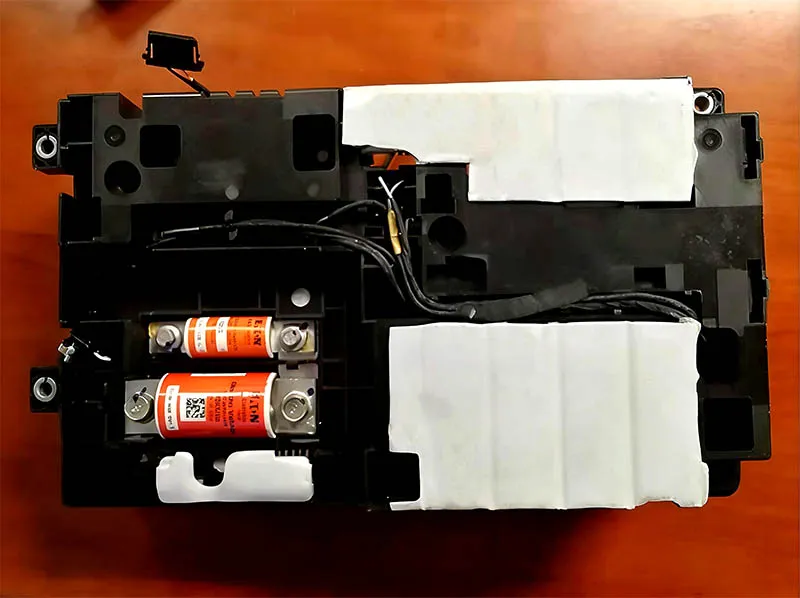
Automotive modules
· Continuous 125°C ambient
· Peak spikes near 150°C
Industrial power units
· Sustained heavy loads
· Limited airflow environments
Below is a comparative reference used in Thermal Conductive Pads Selection decisions:
| Material Type | Thermal Resistance (°C·in²/W) | Operating Temp (°C) | Thermal Conductivity (W/mK) |
| Silicone 3W | 0.45 | -40 to 150 | 3.0 |
| Silicone 6W | 0.32 | -40 to 180 | 6.0 |
| Graphite 8W | 0.20 | -40 to 200 | 8.5 |
| Ceramic 5W | 0.38 | -40 to 160 | 5.0 |
| Hybrid 12W | 0.15 | -40 to 220 | 12.0 |
A 2025 IPC electronics thermal reliability update notes:
“Stable interface thermal resistance under cyclic heat exposure is now a primary qualification metric for power electronics.”
That insight directly influences Thermal Conductive Pads Selection for long-cycle hardware.
Flexible Silicone or Graphite Composition for CPU Cooling
Material choice defines performance. In Thermal Conductive Pads Selection, material composition impacts both heat dissipation and mounting reliability.
Key branches in decision-making:
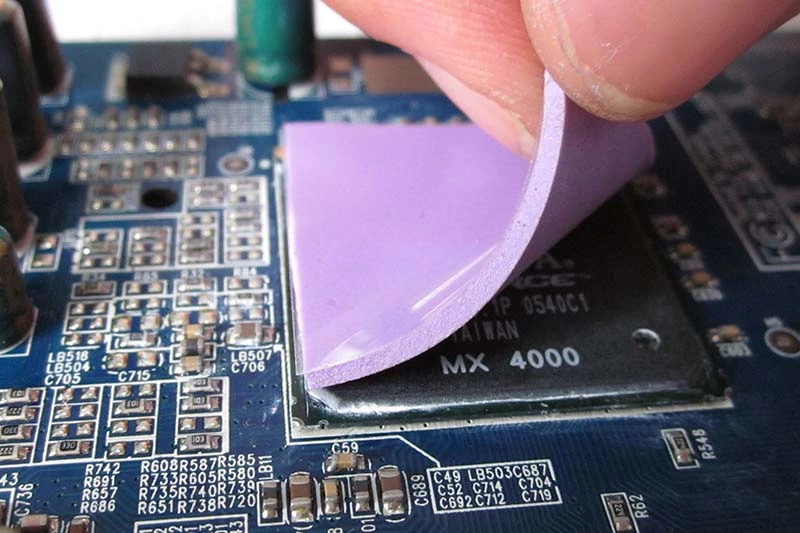
Flexible material advantages
· Compressibility for uneven surfaces
· Vibration absorption
· Electrical insulation
Silicone pad pathway
· Best for processor cooling in compact layouts
· Acts as dependable thermal interface material
· Maintains softness over time
Graphite pad pathway
· Superior in-plane spreading
· Ideal for high-flux CPU cooling and GPU zones
· Delivers aggressive heat dissipation
For engineers refining Thermal Conductive Pads Selection, silicone works great for gap filling, while graphite shines in tight thermal stacks. The trick is balancing conductivity with mechanical compliance.
Brands like Sheen Technology engineer both silicone-based and graphite-enhanced solutions, helping teams simplify Conductive Pads Selection without juggling multiple suppliers.
Pressure-Sensitive Adhesive Backing for Easy Installation
Mounting issues can ruin an otherwise perfect Thermal Conductive Pads Selection.
Adhesive backing design improves easy installation, especially in high-volume assembly. With pressure sensitive layers:
· Placement becomes cleaner
· Alignment errors drop
· Rework time shrinks
Here’s how self-adhesive formats improve workflow:
1)Remove protective liner
2)Position pad on heat sink
3)Apply uniform compression
4)Secure final assembly
That’s it. No messy epoxy. No curing delays.
For LED boards and compact modules, thermal pad adhesive strength must balance bonding with serviceability. Overly aggressive attachment can damage components during maintenance. Smart installation method design prevents that headache.
Sheen Technology integrates optimized tack levels so Thermal Conductive Pads Selection supports both automated mounting and manual repair lines.
Halogen-Free, Flame-Retardant Environmental Compliance
Safety isn’t optional. In serious Thermal Conductive Pads Selection, halogen-free chemistry and flame retardant ratings influence global approvals.
Compliance checklist:
· Meet regulatory compliance under RoHS
· Pass UL94 V-0 safety standards
· Ensure non-toxic and eco-friendly formulations
· Validate full material safety documentation
Certification layers often break down like this:
Material Level
· Chemical composition review
· Heavy metal screening
Product Level
· Vertical burn test
· Electrical insulation verification
Market Level
· EU RoHS
· REACH documentation
· North American UL recognition
Skipping this part during Thermal Conductive Pads Selection can delay product launches. Modern buyers expect full traceability. Smart manufacturers plan ahead.
In short, the right Thermal Conductive Pads Selection blends thermal strength, flexible composition, clean mounting, and certified safety. That balance keeps hardware cool—and keeps compliance teams relaxed.
Comparative: Silicone Vs Graphite Thermal Pads
Choosing between materials can feel tricky, especially during Thermal Conductive Pads Selection for CPUs, LEDs, or power modules. The right call affects reliability, heat flow, and long-term stability in real-world devices.
Silicone
In many Thermal Conductive Pads Selection decisions, silicone remains the safe, balanced option. Its performance sits in the middle ground, yet its versatility keeps it popular.
Core Material Characteristics
Material composition
· Silicone elastomer blended with ceramic fillers.
· Designed to balance thermal conductivity and dielectric safety.
Softness and compressibility
· High compressibility allows the pad to fill uneven gaps.
· Greater softness improves surface wetting and contact efficiency.
Conformability
· Adapts to rough heatsinks or PCB tolerances.
· Reduces air pockets, which helps stabilize thermal conductivity in real use.
Electrical and Thermal Behavior
Electrical insulation
· Naturally dielectric, ideal where short circuits must be avoided.
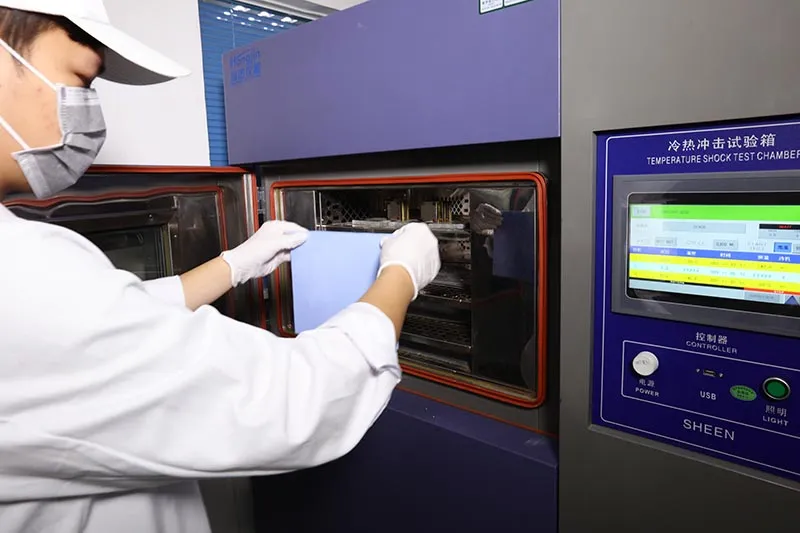
Operating temperature range
· Commonly stable from -40°C to 200°C.
· Maintains elasticity even after repeated thermal cycles.
Application Logic in Thermal Conductive Pads Selection
· LED drivers
· Automotive ECUs
· Power converters requiring both heat transfer and insulation
Silicone-based Thermal Conductive Pads Selection often wins when safety, flexibility, and gap tolerance matter more than peak conductivity numbers.
Graphite
Graphite shifts the focus. In high-performance Thermal Conductive Pads Selection, it’s chosen for speed—heat moves fast, sometimes extremely fast.
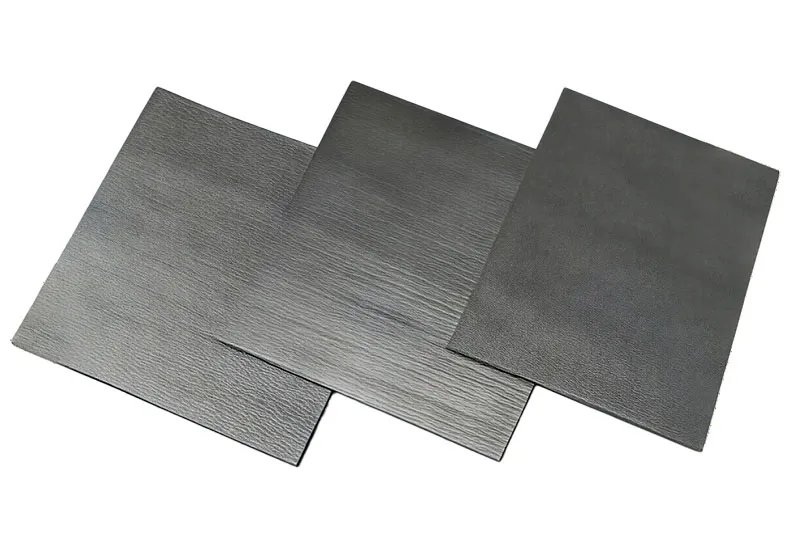
Material Structure and Heat Flow
· Material structure:Layered carbon sheets.
· Anisotropy:In-plane thermal conductivity is far higher than through-plane.
· Thinness:Ultra-thinness reduces interface resistance.
Electrical and Mechanical Traits
· Electrical conductivity:Conductive by nature; insulation layers may be required.
· Flexibility:Bends easily without cracking.
· Reusability:Can often be repositioned during maintenance.
Decision Points in Thermal Conductive Pads Selection
· For CPUs and GPUs:Low thermal impedance is critical.
· For compact electronics:Thin profile supports tight stacking designs.
· For insulated assemblies:Extra dielectric barriers must be added.
When speed of heat spreading outweighs insulation needs, graphite dominates the Thermal Conductive Pads Selection process. For balanced safety and adaptability, silicone stays in the game.
Scenario: Data Centers—Critical Pad Selection Steps

Data centers run hot, tight, and nonstop. Smart Thermal Conductive Pads Selection keeps servers stable and avoids surprise shutdowns. When racks are packed and power loads spike, picking the right thermal conductive pads is not optional—it’s survival. Let’s break down how to get Thermal Conductive Pads Selection right.
Step 1: Assess Power Module Heat Flux and Temperature Range
When handling Thermal Conductive Pads Selection for a power module, heat math comes before materials.
Core technical checks
· Heat flux intensity inside compact boards
· Required thermal conductivity to support steady heat dissipation
· Acceptable temperature range under peak computing loads
Thermal risk mapping
· Identify maximum operating temperature of each component
· Measure actual component temperature during stress tests
· Calculate target thermal resistance to avoid throttling
Performance alignment
· Match pad conductivity to watt density
· Confirm compression keeps contact stable
· Ensure no pump-out under long cycles
The Uptime Institute (2024) noted that thermal management remains one of the top operational risks in high-density facilities, especially as AI workloads push rack power beyond historical norms.
That’s why many engineers turn to Sheen Technology for stable pad performance that aligns with real-world data center loads.
Step 2: Choose Die-Cut or Roll Form Factor for Server Racks
Form matters just as much as specs in Thermal Conductive Pads Selection.
Form factor considerations
· Die-cut pads for precise dimensions
· Roll formats for large-scale application
· Custom pad shape for tight server racks
Installation logic
· Review rack layout spacing
· Check tolerance stack-up
· Confirm compression rate during fastening
Fit and workflow
· Cleaner installation
· Lower waste
· Faster assembly cycles
For high-volume builds, Sheen Technology offers both die-cut and roll options, making thermal pad selection easier across mixed rack designs.
Step 3: Verify Humidity Resistance and UV Stability
Data halls look controlled, but environmental factors still creep in.
Moisture control
· Test humidity resistance
· Track moisture absorption rates
· Prevent internal corrosion
Light and aging
· Validate UV stability for partial outdoor exposure
· Assess material degradation over time
· Confirm long-cycle material properties remain stable
Reliability goals
· Reduced failure risk
· Improved long-term reliability
· Consistent compression after aging
Smart Thermal Conductive Pads Selection isn’t just about conductivity numbers. It’s about durability under stress, smart form choices, and real-world heat control that keeps servers cool when traffic spikes hard.
FAQs about Thermal Conductive Pads Selection
What are the core factors in Thermal Conductive Pads Selection for high-power electronics?
Thermal Conductive Pads Selection often feels like balancing heat, safety, and fit in one tight space.
1) Thermal performance
· Target thermal conductivity (measured in watt per meter kelvin) must match heat transfer demands in CPU cooling, GPU cooling, and power modules.
· Lower thermal resistance and thermal impedance help control peak temperature range under load.
2) Physical characteristics
· Thickness and compressibility affect surface contact.
· Hardness, density, and conformability determine how well the pad fills gaps without stressing components.
3) Electrical & compliance needs
· Electrical insulation, dielectric strength, and high volume resistivity protect against breakdown voltage.
· Flame retardancy, UL certification, ROHS compliance, and halogen-free status support use in automotive electronics and telecommunications.
When heat rises and space shrinks, the right balance keeps systems stable and safe.
How do silicone, graphite, and ceramic pads differ in performance and safety?
Material choice shapes both heat flow and risk level.
Silicone-based pads
· Offer flexibility, strong conformability, and reliable electrical insulation. Ideal for LED lighting and power modules needing dielectric strength and humidity resistance.
Graphite pads
· Deliver high thermal conductivity and rapid heat transfer for CPU cooling and GPU cooling. However, graphite is electrically conductive and often requires added insulation layers.
Ceramic-filled composites (with fiberglass or polyurethane carriers)
· Provide stable thermal resistance, good breakdown voltage, and wider temperature range performance for automotive electronics.
In short: graphite moves heat fastest, silicone protects circuits best, ceramic blends safety with steady thermal control.
How do form factor and adhesion impact installation efficiency?
During large-scale assembly, form and bonding method directly affect labor time and reliability.
Form factor options:
· Sheets and rolls suit flexible cutting on production lines.
· Die-cut gaskets and custom shapes improve alignment in tight interfacial materials between heat sinks and chips.
Adhesion properties:
· Pressure sensitive adhesive with controlled tackiness speeds placement and maintains bond strength.
· Non-adhesive or repositionable formats help during prototyping.
· Acrylic or epoxy adhesive backing increases long-term stability in vibration-prone telecommunications racks.
When thickness, adhesive backing, and shape align with the hardware design, installation becomes smoother—and thermal performance remains consistent over time.
Sheen Thermal
Dongguan Sheen Electronic Technology Co., Ltd · Founded in 2008
Manufacturer of thermal interface materials and silicone foam for automotive electronics, energy storage, power electronics, communications and consumer electronics.
Certified
- ISO 9001:2015
- ISO 14001:2015
- IATF 16949:2016
What we supply
- Thermal conductivity Up to 90 W/m·K
- Thickness 0.3–10.0 mm
- Custom & samples Die-cut to drawing, 3–7 days