
 English
 usheenthermal

Why Choose Carbon Fiber Sheet for Industrial Equipment Heat Dissipation?
Date:2026-05-18
Why Choose Carbon Fiber Sheet for Industrial Equipment Heat Dissipation?
Carbon fiber sheets are increasingly used in industrial equipment where heat, vibration, and weight all affect performance. This guide explains when carbon fiber outperforms aluminum for heat dissipation, which sheet structures are best for different equipment types, and how to select the right material for stable long-term operation.
Aluminum plates buckle under pressure, expand, warp, and leave engineers scrambling. Carbon fiber stays cool, light on its feet, and steady through thermal swings, cutting downtime and keeping production humming without drama.
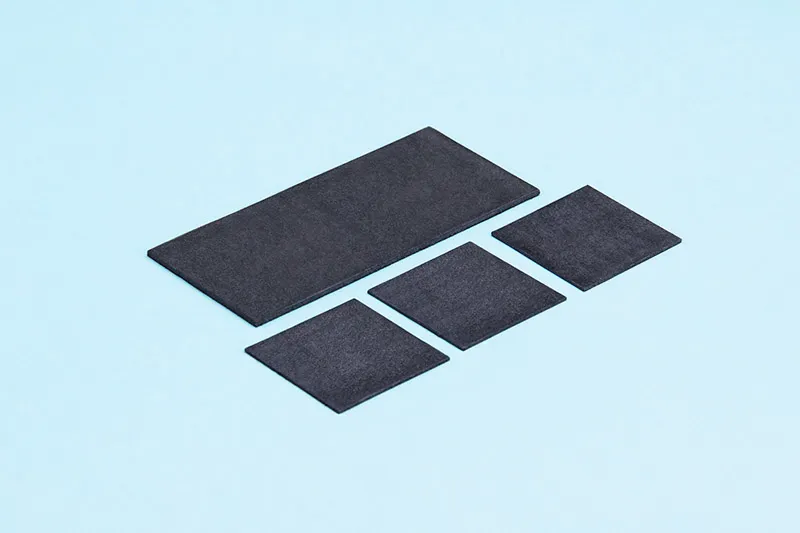
Quick Answers: Carbon fiber sheet for industrial equipment heat dissipation
➔ Thermal Efficiency: High in-plane and through-plane conductivity of carbon fibers and optimized resin matrix deliver rapid heat spreading and transfer.
➔ Lightweight Stability: Low density and minimal thermal expansion ensure durable, precise performance with reduced weight and warping.
➔ Structural Versatility: Available in unidirectional, woven, prepreg, and CNC-machined forms, matching diverse industrial designs and assemblies.
➔ Enhanced Reliability: Superior fatigue resistance and integrated EMI shielding with vibration damping improve lifetime and protect sensitive electronics.
Surprising Reason Carbon Fiber Sheet Beats Aluminum In Heat Dissipation Efficiency
Industrial cooling isn’t just about moving heat—it’s about controlling it smartly. That’s where Carbon fiber sheet for industrial equipment heat dissipation starts to outshine metal plates. By combining low density, high thermal conductivity, and stable thermal expansion coefficient, carbon-based materials shift how factories handle thermal loads in power systems and precision machinery.
Unmatched thermal conductivity of carbon fibers vs aluminum
When comparing thermal conductivity, raw numbers don’t tell the whole story. The internal structure of carbon fibers creates directional pathways that aluminum simply can’t copy.
In-plane heat spreading
Carbon fiber network
· Continuous graphite alignment
· Fast lateral heat transfer
Aluminum alloy
· Isotropic grain structure
· Slower surface heat equalization
The table below compares carbon fiber sheets, aluminum, graphite composites, and copper for industrial heat spreading. The values show why carbon fiber is often chosen when weight, stiffness, and dimensional stability matter as much as raw conductivity.
| Material | In-Plane Thermal Conductivity (W/m·K) | Density (g/cm³) | Thermal Diffusivity (mm²/s) | Relative Efficiency Index |
| High-modulus carbon fiber sheet | 600–900 | 1.6 | 350–500 | 1.00 |
| Standard aluminum 6061 | 167–200 | 2.7 | 97 | 0.42 |
| Aluminum 7075 | 130–180 | 2.8 | 85 | 0.38 |
| Graphite composite panel | 400–700 | 1.9 | 280 | 0.76 |
| Copper plate | 385–400 | 8.9 | 111 | 0.45 |
That’s why Carbon fiber sheet for industrial equipment heat dissipation spreads heat across drive modules and inverters faster, raising overall efficiency without extra mass. In real factory setups, the difference feels obvious—less hot spotting, fewer thermal alarms.
Superior heat transfer coefficient in polymer composite sheets
Performance isn’t only about conductivity; the heat transfer coefficient at interfaces matters just as much.
• Optimized resin bonding reduces micro-gaps.
• Laminated polymer composite sheets enhance contact pressure.
• Surface treatments improve thermal performance under airflow.
In forced-air cabinets, carbon composite plates respond quickly. Under liquid cooling, surface uniformity helps stabilize heat dissipation.
“Advanced carbon-based composites are increasingly adopted in high-power electronics due to superior thermal management efficiency and lightweight benefits,” noted the 2025 IDTechEx report on thermal management materials.
This explains the growing shift toward Carbon fiber sheet for industrial equipment heat dissipation in semiconductor tools and energy storage systems. Brands like Sheen Technology refine lamination techniques so the composite interface minimizes resistance, boosting real-world efficiency beyond traditional aluminum plates.
Lower density boosting effective heat dissipation efficiency
Lower density changes the game in motion-driven systems.
Weight-to-performance ratio
Carbon composite
· Lightweight structure
· High stiffness retention
Aluminum plate
· Higher mass
· Increased structural load
Impact on thermal management
· Reduced inertia in robotic arms
· Faster cooling cycles in compact enclosures
· Improved system-level performance
For aerospace controllers and EV power units, a lighter Carbon fiber sheet for industrial equipment heat dissipation improves the heat-to-weight ratio. Sheen Technology integrates this approach into industrial cooling panels, giving equipment builders more freedom in layout and airflow design.
Minimal thermal expansion coefficient for stable equipment operation
Heat cycling often leads to stress. The thermal expansion coefficient decides long-term stability.
Dimensional control
Carbon fiber composite
· Near-zero in-plane expansion
· Reduced thermal stress
Aluminum
· Higher expansion rate
· Risk of bolt loosening
Equipment-level reliability
· Maintains alignment in precision lithography tools
· Prevents delamination in layered modules
· Supports stable equipment operation across wide temperature swings
In high-precision factories, even tiny shifts matter. A stable Carbon fiber sheet for industrial equipment heat dissipation keeps mounting surfaces aligned and electronics safe. That’s why engineers working with Sheen Technology often switch from metal to carbon composite cooling plates when uptime and accuracy truly count.
Top Benefits Of Carbon Fiber Sheet In Equipment
Modern factories are under pressure to run cooler, lighter, and longer without hiccups. That’s why Carbon fiber sheet for industrial equipment heat dissipation is gaining serious traction. From wafer fabs to drive modules, smart teams now rely on carbon fiber sheet solutions to balance heat control, strength, and stability in demanding industrial equipment.
Enhanced thermal management for semiconductor manufacturing
In semiconductor manufacturing, tight temperature control makes or breaks yield. A carbon fiber sheet for industrial equipment heat dissipation works as a structural and thermal layer inside industrial equipment, helping manage heat dissipation around sensitive electronic components.
Core thermal advantages
· High thermal conductivity spreads heat fast.
· Stable thermal management reduces hotspots.
· Thin laminates fit compact tool designs.
Application logic
Wafer stage assemblies
· Base support layers
· Heat-spreading backing plates
Power modules
· Substrate reinforcement
· Thermal interface support
According to the International Energy Agency’s 2024 industry update:
“Improved thermal control systems are critical to maintaining semiconductor yield and lowering energy intensity in advanced fabs.”
That insight hits home. A well-designed Carbon fiber sheet for industrial equipment heat dissipation setup keeps tools stable shift after shift. Sheen Technology fine-tunes layup direction and resin systems to boost thermal management without adding bulk.
Lightweight construction reduces motor inertia in automotive electronics
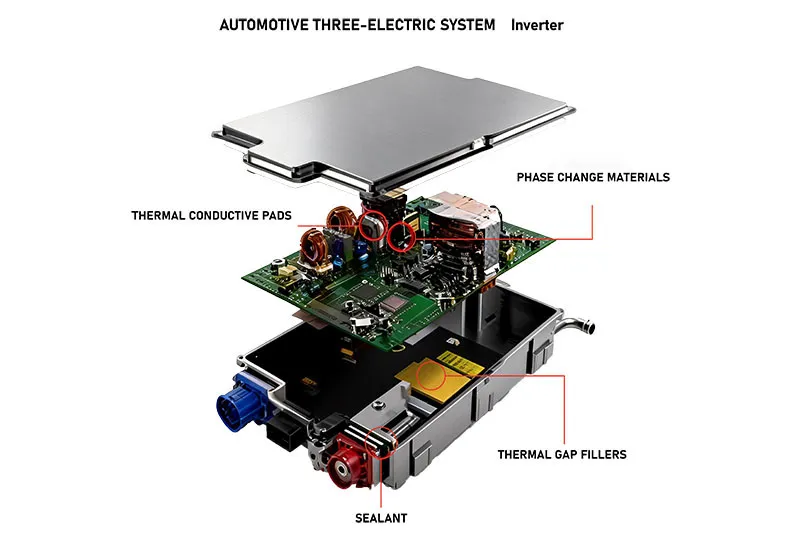
In automotive electronics, grams matter. Lower motor inertia means faster response and better efficiency.
· Lightweight construction cuts rotating mass.
· High tensile strength supports demanding equipment design.
· Smart weight reduction drives real performance improvement.
Integration path:
· Replace metal brackets with carbon fiber sheet panels.
· Optimize fiber orientation for load paths.
· Validate vibration and thermal cycling.
The result? A lighter drivetrain module that still handles industrial equipment heat dissipation demands. Sheen Technology aligns structural stiffness with cooling needs, making Carbon fiber sheet for industrial equipment heat dissipation a practical upgrade for EV platforms.
Outstanding reliability and lifetime in industrial control systems
In industrial control systems, uptime is king. A carbon fiber sheet for industrial equipment heat dissipation strengthens housings while supporting airflow and equipment durability.
Key performance layers:
Mechanical endurance
· Strong compressive strength
· Excellent fatigue resistance
Environmental stability
· Handles thermal cycling
· Maintains system performance
Maintenance impact
· Fewer structural failures
· Noticeable maintenance reduction
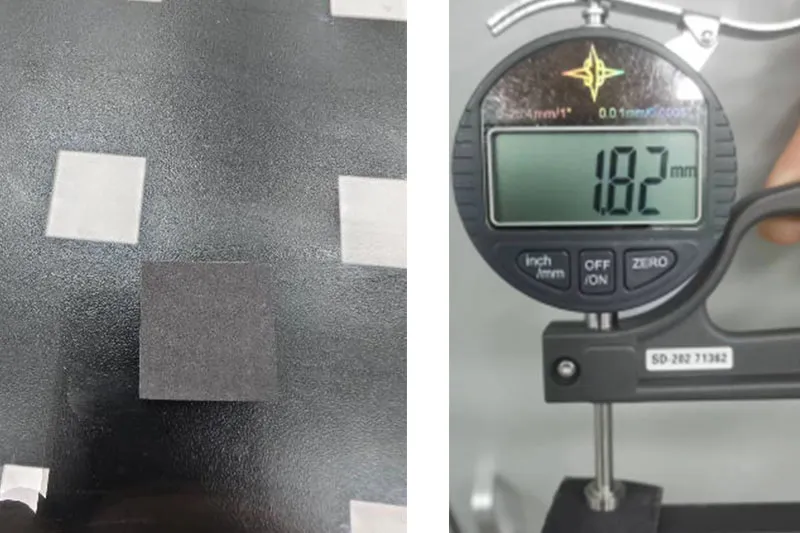
CSF20 Carbon Fiber Thermal Pad Compression Recovery Test Data:
| Test Item | Test Equipment | Test Conditions |
| Recovery Rate | Compression Recovery Tester | Compressed by 50% for 30 minutes, followed by a 30-minute rest period. |
Test Data:
| D0: Initial Thickness(mm) | 2.02 |
| D1: Thickness After Compression(mm) | 1.01 |
| D2: Thickness After Rest(mm) | 1.82 |
| Recovery Rate(%) | 80.4 |
Short version? Longer lifetime, fewer headaches. Carbon fiber sheet solutions keep cabinets rigid while helping industrial equipment shed heat consistently.
Integrated electromagnetic shielding with vibration damping
High-density systems need both electromagnetic shielding and vibration damping. A conductive matrix inside the carbon fiber sheet supports:
EMI/RFI control
· Built-in EMI protection
· Added RFI protection
Structural benefits
· Higher structural integrity
· Reduced resonance
Equipment impact
· Better equipment protection
· Safer operation for sensitive boards
A properly engineered Carbon fiber sheet for industrial equipment heat dissipation doesn’t just cool hardware. It shields, stiffens, and stabilizes it. That’s where Sheen Technology brings it all together—heat control, strength, and smart integration in one streamlined solution.
Types Of Carbon Fiber Sheet Structures
Carbon fiber sheet for industrial equipment heat dissipation sounds technical, but at its core it’s about moving heat fast and keeping machines cool. From fiber alignment to CNC shaping, each structure affects strength, stiffness, and thermal flow in real-world industrial equipment heat dissipation jobs.
Unidirectional carbon fiber laminates
When heat needs a clear highway, unidirectional layouts shine. The carbon fiber strands run parallel, and that tight fiber alignment changes everything.
Material Core
1.1 Composite material built from aligned fibers
1.2 Layer-by-layer laminate stacking
1.3 Controlled layering angle (0°, 45°, 90° optional cross plies)
Performance Logic
2.1 High stiffness along fiber direction
2.2 Concentrated high strength tensile capacity
2.3 Enhanced in-plane heat flow for carbon fiber sheet for industrial equipment heat dissipation
Industrial Fit
3.1 Motor housings
3.2 Power electronics plates
3.3 Thermal backing panels
For equipment racks and inverter cabinets, this structure pushes heat away from hotspots while holding shape under load. It’s straightforward engineering—align the fibers, control the path of thermal transfer, and the result is efficient industrial equipment heat dissipation without excess weight.
Woven fabric panels
Here, the woven fabric uses an interlaced weave pattern inside a textile structure, forming a stable panel and durable sheet material.
· Balanced stiffness in X and Y axes
· Better impact resistance than purely unidirectional sheets
· Stable thermal diffusion across the composite surface
Structural Makeup
1.1 Interlaced fiber tows
1.2 Symmetrical reinforcement grid
1.3 Resin-locked architecture
Functional Outcome
2.1 Uniform heat spread
2.2 Reduced crack propagation
2.3 Predictable expansion under load
Industrial Use
3.1 CNC machine covers
3.2 Robotics bases
3.3 Carbon fiber sheet for industrial equipment heat dissipation panels in automation lines
The International Energy Agency noted in its 2025 Energy Efficiency update that improved thermal management materials in industrial systems can reduce energy losses by up to 15% in high-load equipment categories.
That kind of efficiency boost is why woven carbon fiber panels are gaining traction in thermal control hardware.
Prepreg-coated polymer composites
With prepreg sheets, the polymer resin is pre-impregnated into the fiber network. The impregnation level is controlled during manufacturing, and the curing process—often in an autoclave—locks in performance.
Material System
1.1 Thermoset matrix (epoxy, phenolic)
1.2 Optional thermoplastic systems
1.3 High-uniformity matrix material distribution
Manufacturing Flow
2.1 Layup planning
2.2 Vacuum bagging
2.3 Heat and pressure curing
2.4 Post-cure trimming
Performance Control
3.1 Tight fiber-resin ratio
3.2 Consistent thickness
3.3 Reliable thermal conductivity
Typical Prepreg Carbon Fiber Sheet Data for Industrial Equipment Heat Dissipation
| Structure Type | Fiber Volume (%) | Thermal Conductivity (W/m·K) | Tensile Strength (MPa) | Thickness (mm) |
| UD 0° | 60 | 20–30 | 1500–2000 | 0.5–3.0 |
| UD 0/90 | 58 | 15–25 | 1200–1600 | 1.0–4.0 |
| Plain Weave | 55 | 10–18 | 900–1300 | 1.0–5.0 |
| Twill Weave | 57 | 12–20 | 1000–1400 | 1.0–4.0 |
| High-Mod UD | 62 | 25–40 | 1800–2200 | 0.8–3.0 |
For factories that need repeatable carbon fiber sheet for industrial equipment heat dissipation, prepreg systems keep specs tight and stable.
Custom CNC-machined sheet forms
Not every machine runs on rectangles. That’s where CNC machining and custom fabrication come in.
Design Translation
1.1 CAD-based geometry planning
1.2 Thermal simulation mapping
1.3 Mounting interface design
Precision Processing
2.1 Precision cutting
2.2 Edge finishing
2.3 Controlled shaping
Integration Value
3.1 Complex sheet form contours
3.2 High design flexibility
3.3 Exact tailored geometry for industrial frames
In real production lines, Carbon fiber sheet for industrial equipment heat dissipation must do two jobs at once—carry load and move heat. With structured fiber architecture and CNC accuracy, Sheen Technology turns high-performance carbon fiber into practical thermal management hardware that simply works.
Carbon Fiber Sheet Vs. Aluminum Plate
When heat builds up inside heavy machines, materials matter more than most folks expect. This comparison looks at how Carbon fiber sheet for industrial equipment heat dissipation stacks up against aluminum in real factory settings. From weight to thermal control, the details shape performance, cost, and long-term stability in demanding industrial equipment heat dissipation jobs.
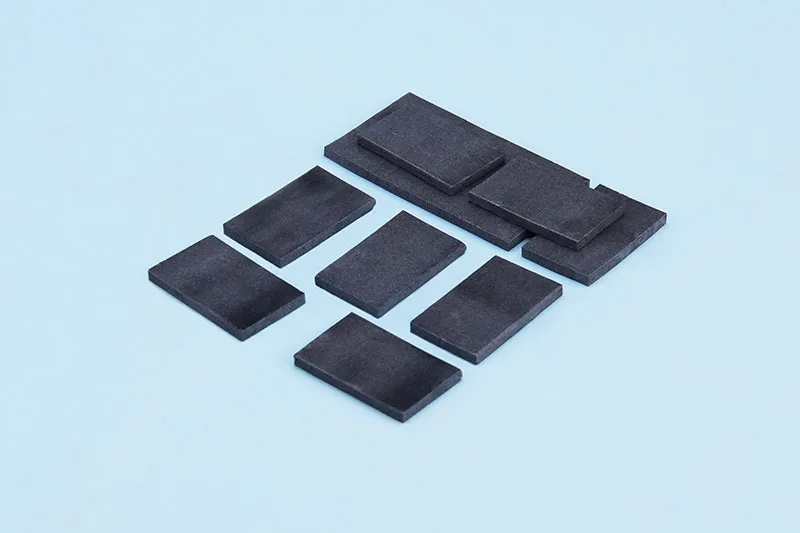
Carbon fiber sheet
In modern factories, Carbon fiber sheet for industrial equipment heat dissipation is gaining traction because it blends strength with smart thermal control. It is not just light; it works differently at a structural level.
Core material advantages
Mechanical profile
· Lightweight construction reduces overall system mass.
· Exceptional high strength-to-weight ratio supports heavy modules without bulk.
· Noticeable high stiffness helps maintain alignment in precision equipment.
Thermal behavior
· Anisotropic thermal conductivity allows heat to move in designed directions.
· Low thermal expansion keeps dimensions stable under temperature swings.
Environmental resistance
· Strong corrosion resistance in humid or chemical-heavy workshops.
· Built-in vibration damping that protects sensitive components.
For industrial equipment heat dissipation, this directional heat spread is a game changer. Heat can be guided away from hotspots instead of spreading randomly. That makes carbon fiber thermal sheets ideal for compact power units and control cabinets.
In real-world supply chains, Sheen Technology provides tailored Carbon fiber sheet for industrial equipment heat dissipation, adjusting fiber orientation to match airflow paths and cooling layouts. That kind of customization is hard to ignore.
Aluminum plate
Aluminum plate has long been the go-to option for heat control in machinery, and for good reason.
Performance characteristics
Thermal and electrical traits
· Reliable high thermal conductivity across the entire plate.
· Stable electrical conductivity for integrated grounding designs.
· Naturally isotropic properties, meaning heat spreads evenly in all directions.
Manufacturing benefits
· Excellent machinability for drilling and milling.
· High ductility, allowing forming without cracking.
Practical considerations
· Moderate lightweight nature compared to steel.
· Acceptable corrosion resistance with proper surface treatment.
Choose aluminum when cost and simple machining matter most. Choose carbon fiber when weight reduction, vibration damping, and dimensional stability are more important than uniform heat spreading. For compact industrial systems, carbon fiber is often the better long-term option.
When choosing between aluminum plate and Carbon fiber sheet for industrial equipment heat dissipation, the decision often comes down to weight targets, thermal direction control, and long-term dimensional stability. Both materials work. The difference shows up when performance limits get pushed.
Looking for the right match for your project? Browse these related application pages to see how carbon fiber thermal materials are used in real industrial systems.
Overheating Issues? Use Carbon Fiber Sheet Solution
Industrial systems run hard, and heat builds up fast. When that warmth turns into trouble, reliability drops and repair bills climb. A Carbon fiber sheet for industrial equipment heat dissipation offers a practical fix by spreading heat before it concentrates into damaging hotspots.
Identifying temperature spikes in power electronics
When managing temperature, random checks are not enough. Clear identification of thermal risks inside power electronics keeps minor spikes from becoming full-blown overheating events.
Monitoring Framework
1.1 Sensor Placement
· Mount sensors near MOSFETs, IGBTs, and busbars where temperature spikes often appear.
· Compare core vs. surface readings.
1.2 Data Logging
· Track peak temperature and fluctuation frequency.
· Flag abnormal thermal cycling patterns.
Risk Evaluation
2.1 Operating Range:Confirm actual values against rated limits of power electronics.
2.2 Hotspot Mapping:Use infrared scans to locate concentrated overheating zones.
| Component Area | Avg Temp (°C) | Peak Spikes (°C) | Risk Level |
| IGBT Module | 78 | 105 | High |
| Capacitor Bank | 65 | 82 | Medium |
| PCB Trace | 72 | 96 | High |
When peak values keep rising, installing a Carbon fiber sheet for industrial equipment heat dissipation can stabilize thermal gradients and reduce repeat spikes.
Implementing carbon fiber sheets for rapid heat dissipation
Adding carbon fiber sheets changes the cooling game quickly. The goal is simple: boost thermal conductivity and speed up heat dissipation across crowded assemblies.
Key actions include:
· Cut the carbon fiber sheet for industrial equipment heat dissipation to match heat source geometry.
· Place it directly above hotspot regions to spread heat laterally.
· Secure edges to prevent air gaps that weaken cooling efficiency.
Why it works:
· High in-plane thermal conductivity spreads localized heat.
· Rapid heat dissipation lowers peak junction temperature.
· Stable structure supports long-term implementation in harsh environments.
A carbon fiber thermal sheet also pairs well with forced-air or liquid systems. In heavy-duty drives, layering a Carbon fiber sheet for industrial equipment heat dissipation above aluminum substrates balances weight and performance. For factories chasing tighter uptime targets, this approach feels like a smart, no-drama upgrade.
Integrating thermal interface materials with epoxy-based composites
Strong bonding matters. A thermal interface layer bridges microscopic gaps, while epoxy composites secure the assembly and maintain adhesion under vibration.
Interface Preparation
1.1 Surface Cleaning:Remove dust and oxidation before applying materials.
1.2 Thickness Control:Keep the thermal interface layer thin to limit resistance.
Composite Bonding
2.1 Epoxy Application:Spread evenly to support the carbon fiber sheet for industrial equipment heat dissipation.
2.2 Curing Conditions:Follow temperature profiles to protect thermal performance.
Performance Validation
3.1 Measure contact resistance.
3.2 Recheck hotspot reduction after full integration.
When done right, the Carbon fiber sheet for industrial equipment heat dissipation works as a unified system with interface pads and epoxy matrices. The result is tighter bonding, smoother heat flow, and industrial equipment that stays cool instead of running on the edge.
Need exact thickness, thermal conductivity, layup options, and machining details before you choose? Download the product datasheets to compare carbon fiber sheet options for industrial equipment heat dissipation.
Heavy-Duty Motors: Carbon Fiber Sheet Cooling Benefits
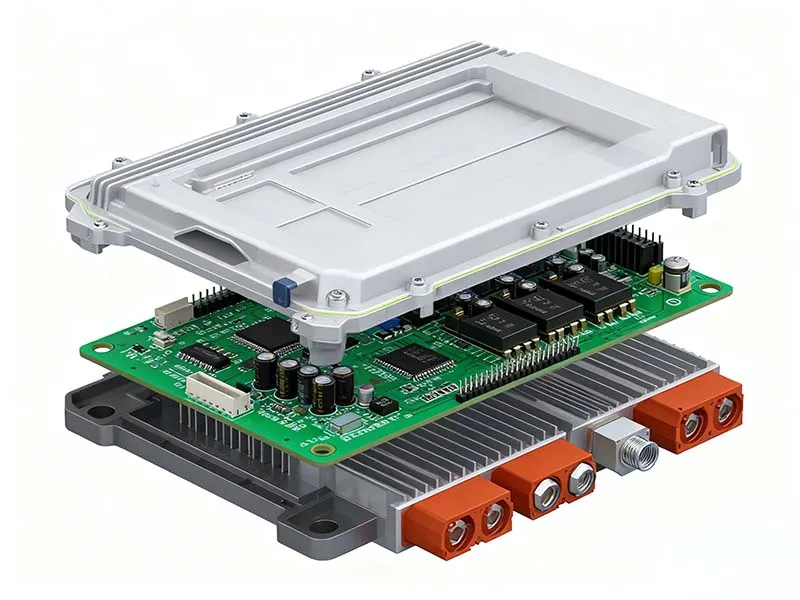
Heavy-duty motors run hot, and when heat builds up, performance drops fast. That’s why Carbon fiber sheet for industrial equipment heat dissipation has become a go-to fix in demanding systems. From flight hardware to data centers, smart thermal management keeps things steady and strong.
Reducing motor winding temperature in aerospace systems
In aerospace systems, overheating motor windings can weaken insulation and shorten the life of electrical motors. A well-designed Carbon fiber sheet for industrial equipment heat dissipation changes that game.
Heat Flow Control
1.1 Direct contact with motor windings improves heat dissipation.
1.2 High-conductivity carbon fiber layers spread hot spots across a wider area.
1.3 Even temperature fields support stable temperature reduction.
Structural Support
2.1 Lightweight panels protect sensitive windings.
2.2 Integrated resin systems maintain shape during vibration.
Performance Outcome
3.1 Lower winding peaks extend insulation life.
3.2 Consistent cooling boosts overall thermal management.
Compared with metal plates, a Carbon fiber sheet for industrial equipment heat dissipation offers lower weight and better fatigue behavior. Sheen Technology fine-tunes fiber orientation so aerospace drives stay cool without adding bulk.
Enhancing system efficiency in high-performance computing
Inside HPC systems and busy data centers, heat creeps up fast. Stable thermal management keeps computational performance from throttling.
Processor-Level Cooling
1.1 Carbon fiber sheet for industrial equipment heat dissipation mounted near CPUs spreads concentrated heat.
1.2 Reduced junction temperature protects power modules.
Rack-Level Optimization
2.1 Panels line enclosures for balanced airflow.
2.2 Better heat dissipation improves overall system efficiency.
Measured Impact
| Cooling Method | Peak Temp (°C) | Efficiency Gain (%) | Service Life (Years) |
| Aluminum Plate | 92 | 3 | 4 |
| Copper Sink | 88 | 5 | 4.5 |
| Carbon Fiber Thermal Panel | 81 | 9 | 6 |
A properly engineered Carbon fiber sheet for industrial equipment heat dissipation reduces thermal stress while saving weight. That balance matters in tight racks where every degree counts.
Improving durability under extreme operating temperature range
In harsh environments, wide operating range swings test material durability and structural integrity.
Thermal Stability
1.1 Low expansion rate supports thermal stability.
1.2 Strong bonding resists micro-cracks.
Heat Resistance
2.1 Continuous fibers maintain strength at high load.
2.2 Resin matrices handle rapid thermal cycling.
Long-Term Reliability
3.1 Fewer delamination issues in extreme temperatures.
3.2 Longer uptime for heavy machinery.
Using Carbon fiber sheet for industrial equipment heat dissipation in industrial drives or turbines means fewer shutdowns and steadier output. Sheen Technology designs each carbon fiber cooling layer to match the exact heat resistance and stress profile required, making thermal problems far less dramatic—and a lot more manageable.
FAQs about Carbon Fiber Sheet For Industrial Equipment Heat Dissipation
Why is a carbon fiber sheet more effective than aluminum in industrial equipment heat dissipation?
Carbon fiber sheet for industrial equipment heat dissipation changes how heat moves across a structure.
· Higher in-plane thermal conductivity spreads heat faster than many aluminum alloys
· Lower density improves thermal diffusivity while keeping the structure lightweight
· Near-zero thermal expansion coefficient protects alignment in semiconductor manufacturing and power electronics
· Stable polymer composites maintain a consistent heat transfer coefficient across a wide operating temperature range
Result: better thermal management, higher system efficiency, longer lifetime than copper or ceramic substrates in weight-sensitive aerospace systems.
How does the resin matrix influence thermal and mechanical performance?
The bond between carbon fibers and resin matrix defines real-world performance.
· Epoxy or phenolic matrix controls interfacial heat pathways and overall thermal conductivity
· Strong adhesion boosts tensile strength, flexural modulus, and compressive strength
· Controlled curing through autoclave processing reduces voids and improves reliability
A well-matched resin matrix keeps heat dissipation efficiency stable under rapid load shifts in industrial control systems and high-performance computing.
How are different laminate forms selected for semiconductor and power electronics use?
Material form shapes performance.
· Unidirectional laminates → guide heat directly toward chip hot spots in data centers
· Woven fabric panels → balance stiffness, vibration damping, and impact resistance
· Prepreg fabrication + lamination → precise thickness control for tight semiconductor layouts
· CNC machining → custom sheets and plates for complex mounting geometries
Compared with graphite sheets or metal matrix composites, these laminates combine thermal control with structural stability.
What additional benefits improve equipment lifetime beyond heat dissipation?
Carbon fiber sheet for industrial equipment heat dissipation supports more than cooling:
· Electromagnetic shielding for sensitive circuits
· Vibration damping in automotive electronics
· Lightweight structure reducing motor stress in aerospace systems
Through controlled compression molding and curing, panels maintain stiffness and durability over long operating temperature cycles—protecting performance where failure is not an option.
【Request a Custom Quote】 Not sure which carbon fiber sheet fits your equipment? Send us your operating temperature, mounting structure, thickness target, and application type, and we can help recommend the right thermal solution for your build.
Sheen Thermal
Dongguan Sheen Electronic Technology Co., Ltd · Founded in 2008
Manufacturer of thermal interface materials and silicone foam for automotive electronics, energy storage, power electronics, communications and consumer electronics.
Certified
- ISO 9001:2015
- ISO 14001:2015
- IATF 16949:2016
What we supply
- Thermal conductivity Up to 90 W/m·K
- Thickness 0.3–10.0 mm
- Custom & samples Die-cut to drawing, 3–7 days