
 English
 usheenthermal

Is a Fiberglass-Reinforced Silicone-Free Thermal Conductive Pad Right for You?
Date:2026-06-15
Is a Fiberglass-Reinforced Silicone-Free Thermal Conductive Pad Right for You?
Thermal failures aren’t a maybe—they’re the silent budget killer, and the Fiberglass-reinforced silicone-free thermal conductive pad is stepping in like a no-nonsense fix. When pads bleed, shift, or tap out under heat, production lines feel it fast, and nobody’s got time for flaky performance.
Buyers need stability, clean operation, and zero drama over time—this piece shows what actually holds up in real use.
Quick Points: Fiberglass-Reinforced Silicone-Free Thermal Conductive Pad
➔ Consistent Heat Transfer – Fiberglass layers bolster tensile strength and dimensional stability, ensuring reliable thermal conductivity under mechanical stress.
➔ Long-Term Reliability – Silicone-free composition minimizes outgassing and pump-out, maintaining low thermal impedance and dielectric strength over repeated thermal cycles.
➔ Industry Compliance – UL-recognized, flame-retardant formulations meet automotive-grade and RoHS/REACH standards, protecting sensitive ICs from moisture and contamination in demanding applications.
Is It Time to Switch to Fiberglass-Reinforced Pads?
Power modules are running hotter and tighter than ever. Choosing a Fiberglass-reinforced silicone-free thermal conductive pad is no longer a small tweak; it shapes long-term thermal management, safety, and uptime in real-world gear.
Assessing Thermal Conductivity and Mechanical Stability
When sizing up a Fiberglass-reinforced silicone-free thermal conductive pad, focus on two pillars: thermal conductivity and mechanical stability.
Heat path efficiency
· Stable heat transfer from chip to sink
· Low interface resistance
· Consistent material properties under load
Structural performance
a) Fiberglass reinforcement boosts tensile strength
b) Maintains structural integrity during clamping
c) Protects long-term pad performance
Stress endurance in application
① Vibration
② Thermal cycling
③ Assembly pressure
A fiberglass reinforced thermal pad keeps thickness steady, so contact stays tight even after thousands of on-off cycles. That’s the quiet advantage engineers appreciate.
Evaluating Surface Conformability in Power Conversion Modules
In power conversion modules, surface flatness is rarely perfect. A Fiberglass-reinforced silicone-free thermal conductive pad must balance firmness with surface conformability.
· Good gap filling reduces contact resistance.
· Controlled compressibility supports module reliability.
· Stable heat dissipation protects switching devices.
Here’s how it plays out:
· Mount the thermal interface material.
· Apply torque within spec.
· Let the pad settle into micro-gaps.
A silicone free thermal pad avoids bleed and contamination, which matters in automotive drives and industrial inverters. Many engineers working with Sheen Technology note that the reinforced structure prevents over-compression while still adapting to uneven stacks. It’s practical, not flashy—just solid performance where it counts.
Balancing Dielectric Strength with Temperature Resistance
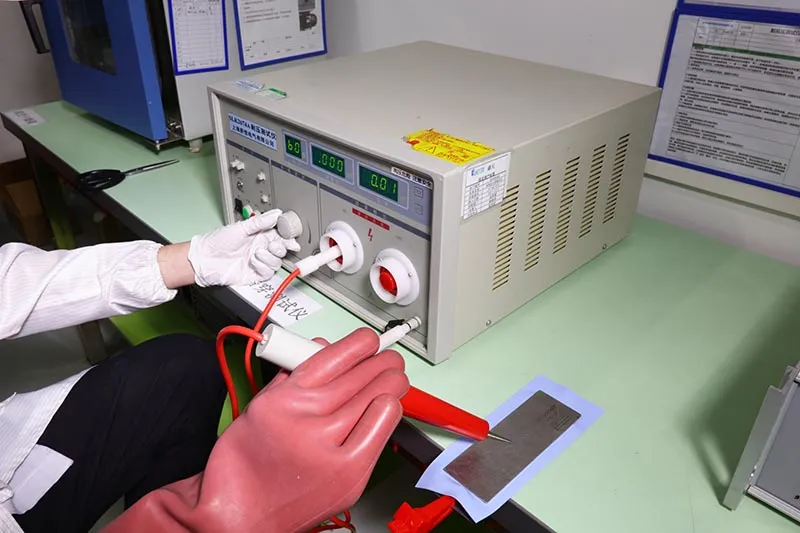
· Step 1: Verify required dielectric strength against system voltage and expected breakdown voltage margins.
· Step 2: Confirm temperature resistance across continuous and peak operational limits.
· Step 3: Check long-term electrical insulation stability under humidity and thermal shock.
A Fiberglass-reinforced silicone-free thermal conductive pad that handles both insulation and heat flow simplifies material selection. In high-voltage converters, that balance keeps boards safe and downtime low. Sheen Technology aligns these factors so engineers don’t have to trade safety for cooling.
5 Reasons Silicone-Free Thermal Pads Are Game-Changers
Silicone materials once ruled heat control, but the shift toward Fiberglass-reinforced silicone-free thermal conductive pad solutions is real. From servers to EV systems, engineers want cleaner heat management, tougher material strength, and steady reliability—without the mess.
Superior Thermal Cycling Performance for Server and Data Center Equipment
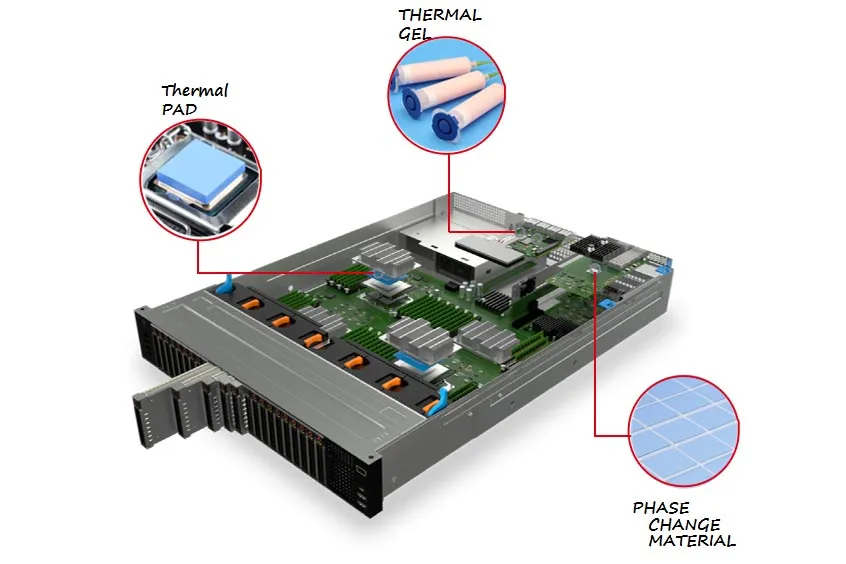
Data loads spike. Chips heat up. Cool down. Repeat. That’s brutal thermal cycling.
· In servers and data centers, stability isn’t optional.
· In high-density equipment, tiny gaps mean big thermal risk.
With a Fiberglass-reinforced silicone-free thermal conductive pad, structure and chemistry work together:
Core Layer
· Fiberglass mesh:Maintains mechanical stability,Limits pump-out under stress.
· Silicone-free compound:Preserves performance across cycles,Keeps reliability steady.
The result? Lower impedance drift, fewer service calls, and smoother heat management in storage arrays and switching gear.
Non-Silicone Composition Delivers Better Outgassing Characteristics
In tight enclosures, outgassing is a silent killer.
Traditional silicone
· Releases volatile compounds
· Risks contamination in optical modules
Non-silicone composition
· Cleaner material properties
· Safer for vacuum environments
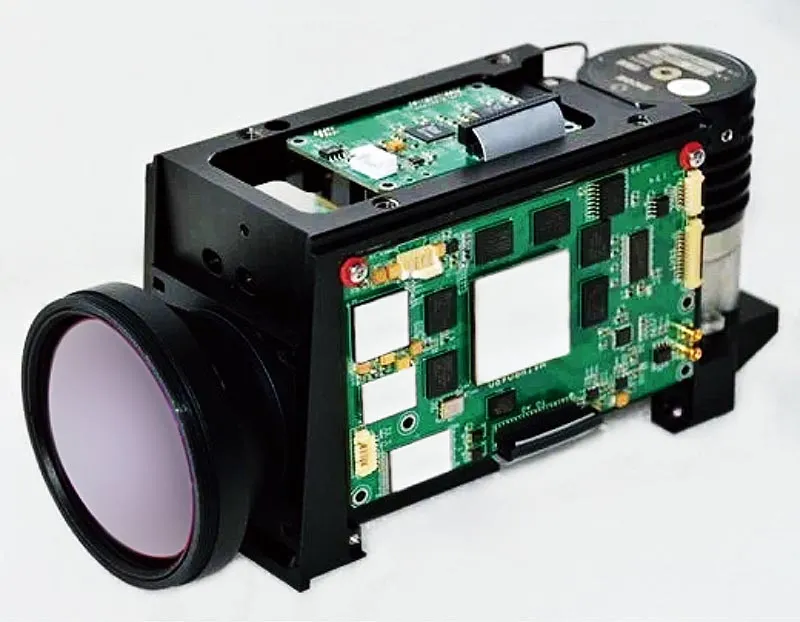
A Fiberglass-reinforced silicone-free thermal conductive pad helps reduce fogging on lenses and shields delicate sensors. Medical imaging gear and compact consumer devices stay cleaner inside.
IDC’s 2025 hardware reliability update notes that contamination control is becoming a “top-three material selection factor” in dense electronic assemblies.
That trend isn’t slowing down.
Enhanced Flame Retardancy Meets Automotive Grade Qualification
EV battery packs and vehicle electronics face strict safety standards.
· UL-recognized fire resistance
· Compliance with automotive qualification
· Stable insulation near power modules
Inside a Fiberglass-reinforced silicone-free thermal conductive pad:
· Flame-retardant fillers:Improve flame retardancy
· Fiberglass framework:Protects structural integrity
Automotive designers looking at next-gen BMS layouts often turn to Sheen Technology for materials that tick regulatory boxes without sacrificing thermal flow.
Fiberglass Reinforcement Boosts Mechanical Stability Under Stress
Stress comes from torque, vibration, and assembly pressure.
A Fiberglass-reinforced silicone-free thermal conductive pad handles it through a layered design:
· Surface contact layer
· Reinforced fiberglass core
· Thermally conductive filler network
Benefits stack up:
· Higher tensile resistance
· Reduced deformation
· Better long-term durability
In industrial power units, that extra reinforcement keeps alignment tight and thermal pads from creeping over time.
Low Moisture Vapor Transmission Protects Sensitive ICs
Humidity creeps in quietly. Then corrosion starts.
For sensitive ICs and integrated circuits, low moisture vapor transmission matters.
· Dense non-silicone matrix:Slows moisture vapor diffusion.
· Fiberglass barrier:Adds another protection layer.
· Stable thermal interface:Guards electronic components against drift.
A Fiberglass-reinforced silicone-free thermal conductive pad reduces humidity-driven failures in memory modules and control boards. Sheen Technology designs these pads to balance protection, thermal flow, and long-term reliability—no shortcuts, just smart material science.
Comparing Silicone vs. Silicone-Free Thermal Conductive Pads
Thermal management choices can make or break electronics. Here’s a straight-talking comparison between classic silicone pads and the increasingly popular Fiberglass-reinforced silicone-free thermal-conductive pad options used in high-demand systems.
Silicone-Based Pads
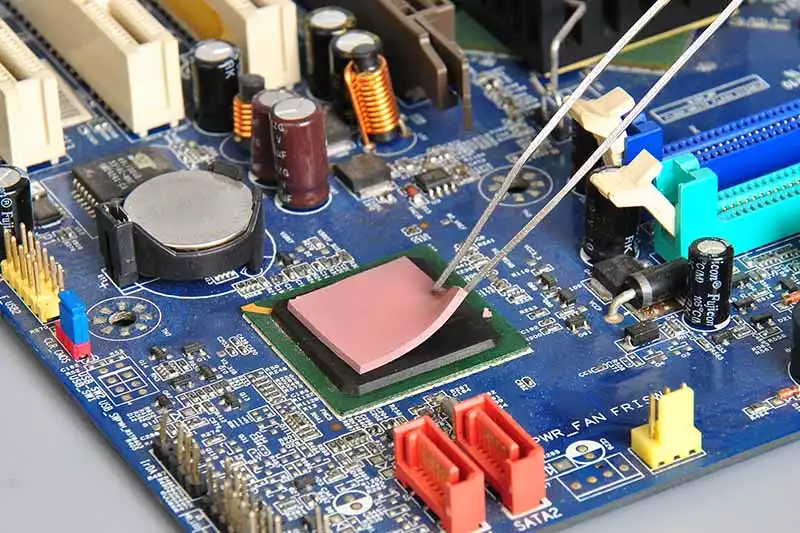
Silicone pads remain common for a reason. The material is soft, forgiving, and easy to install. That softness boosts Conformability and Heat transfer, especially across uneven surfaces.
· High Thermal conductivity
· Reliable Electrical insulation
· Noticeable Softness
Yet trade-offs show up under stress:
· Oil migration
· Material fatigue
· Gradual rise in Outgassing
When pushed into automotive or data-heavy racks, oil bleeding can contaminate nearby parts. Long-term Thermal conductivity stability may shift. For light-duty electronics, fine. For high-pressure assemblies, less ideal.
Fiberglass-Reinforced Silicone-Free Pads
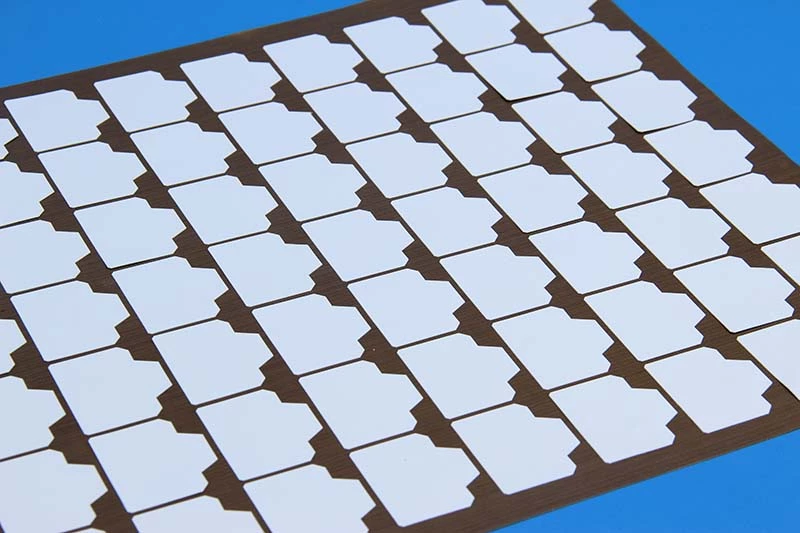
The Fiberglass-reinforced silicone-free thermal conductive pad changes the game by removing silicone entirely while adding structural backing. This isn’t just a tweak; it’s a redesign.
· Stable Thermal conductivity
· Strong Mechanical strength
· High Dielectric strength
At its core:
Fiberglass reinforcement controls deformation
· Enhances Pump-out resistance
· Supports long-term Heat dissipation
Silicone-free matrix
· Minimizes contamination
· Reduces outgassing risk
Balanced compression profile
· Sustains interface pressure
· Preserves consistent Heat dissipation
A Fiberglass-reinforced silicone-free thermal conductive pad handles vibration, torque, and cycling without slumping. That’s why data center builders and EV engineers are shifting toward fiberglass-reinforced thermal pads and silicone-free thermal conductive pads.
“Thermal interface materials for EV and AI servers must deliver long-term reliability under mechanical stress and elevated temperatures,” notes the 2025 Yole Group power electronics outlook.
The Fiberglass-reinforced silicone-free thermal conductive pad fits that demand. It’s Non-contaminating, steady, and built for uptime. Sheen Technology supplies tailored Fiberglass-reinforced silicone-free thermal conductive pad solutions engineered for stable Heat dissipation in harsh environments.
Need exact thermal conductivity, thickness range, dielectric strength, and compliance details before you choose? Download the product datasheets to compare fiberglass-reinforced silicone-free thermal conductive pad options.
For teams tired of pump-out failures, Sheen Technology offers a fiberglass-reinforced, silicone-free thermal conductive pad lineup designed to hold pressure, resist aging, and keep performance predictable.
PCB Assembly: Why Choose a Reinforced Thermal Pad?
Modern PCB assembly pushes components harder than ever. Heat loads spike, footprints shrink, and tolerances get tight. That’s why engineers lean toward the Fiberglass-reinforced silicone-free thermal conductive pad—a smarter pick for stability, cleanliness, and consistent thermal control.
High Shore Hardness Pads for Printed Circuit Boards
A Fiberglass-reinforced silicone-free thermal conductive pad combines fiberglass layers with a silicone-free matrix, boosting mechanical stability without killing heat transfer. The added rigidity increases durability during automated placement.
· Higher Shore hardness
· Cleaner die handling
· Better positional accuracy
In PCB workflows:
· Material base:Fiberglass reinforcement,Enhances rigidity,Controls deformation.
· Interface layer:Acts as thermal interface material,Functions as structured gap filler.
Performance Snapshot
| Property | Standard Pad | Reinforced Pad | Test Method |
| Shore Hardness | 45–60 OO | 70–85 OO | ASTM D2240 |
| Thermal Conductivity (W/m·K) | 1.5 | 2.5 | ASTM D5470 |
| Tensile Strength (MPa) | 0.8 | 1.6 | ASTM D412 |
| Die-Cut Tolerance (mm) | ±0.3 | ±0.15 | Internal QC |
Sheen Technology fine-tunes these pads to balance firmness and thermal flow, keeping boards steady during reflow and final assembly.
Need a closer match for your project? Browse these related application pages to see where fiberglass-reinforced silicone-free thermal conductive pads are used in real systems.
Optimizing Heat Sink Contact with Custom Geometries
Fit matters. A poorly matched pad increases thermal resistance and drops heat dissipation efficiency.
Here’s how geometry refinement works:
Design flexibility
· Application-specific thickness
· Precision die-cut outlines
Interface optimization
· Controlled interface pressure
· Improved surface conformity
Thermal path
· Lower contact voids
· Stronger thermal management
The Fiberglass-reinforced silicone-free thermal conductive pad adapts to tight driver modules and power supplies. Custom shapes reduce air gaps, stabilize mounting torque, and maintain even pressure across MOSFETs and chipsets. Sheen Technology supports CAD-driven prototyping, so layout tweaks don’t slow production.
Short version? Better fit, lower heat, longer board life.
RoHS Compliance and UL Recognition in Electronic Manufacturing
Clean materials are non-negotiable. A silicone-free thermal pad avoids siloxane migration, helping meet strict environmental regulations.
Compliance stack:
Regulatory alignment
· RoHS & REACH limits on hazardous substances
· Verified material certification
Safety validation
· UL94 flammability rating
· Recognized safety standards
Production assurance
· Controlled manufacturing process
· Documented product qualification
· Proven long-term reliability
The Fiberglass-reinforced silicone-free thermal conductive pad supports global industry compliance while keeping thermal output steady. For OEMs scaling across markets, that peace of mind counts. And yes, Sheen Technology keeps documentation ready when audits knock.
Dual-Layer Construction: What Makes Reinforced Pads Tick
Modern power modules run hot and tight on space. A Fiberglass-reinforced silicone-free thermal conductive pad solves that balancing act by pairing strength with heat flow. Split into fiberglass, reinforced, silicone-free, thermal, conductive, and pad, each word earns its keep.
Inner Fiberglass Layer for Tensile Strength and Dielectric Strength
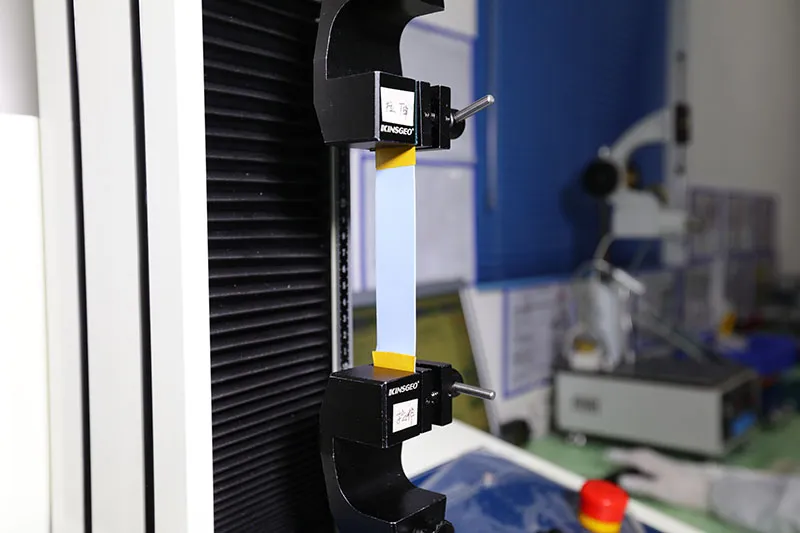
At the core of a Fiberglass-reinforced silicone-free thermal conductive pad sits a precision-engineered fiberglass skeleton built for reinforcement and insulation.
Mechanical Backbone
Tensile strength
· Resists tearing during compression cycles
· Maintains structural integrity under clamping force
Dimensional stability
· Controls stretch
· Preserves alignment over time
Electrical Shielding
Dielectric strength
· Prevents arc-through in high-voltage packs
· Enhances insulation reliability
Layer consistency
· Uniform glass weave
· Balanced mechanical properties
Material Interaction
Glass fiber network
· Bonds with the silicone-free matrix
· Supports long-term durability
This fiberglass-reinforced core allows a fiberglass-reinforced thermal pad to stay tough without sacrificing flexibility. Sheen Technology tunes fiber density so the reinforced thermally conductive pad handles torque, vibration, and heat cycling like it’s no big deal.
Outer Thermal Gap Pad for Low Thermal Impedance
Heat has one job: move. The outer layer of the Fiberglass-reinforced silicone-free thermal conductive pad focuses on thermal conductivity and real-world heat dissipation.
• High gap filling compliance
• Strong surface wet-out as an interface material
• Noticeable impedance reduction
Balanced thermal management without silicone bleed
A silicone-free thermal pad matters in optics, automotive sensors, and clean electronics where outgassing is a deal breaker. The thermal conductive pad layer adapts to uneven heat sinks while keeping a steady flow from the chip to the chassis.
“Advanced thermal interface materials are critical to power density gains in EV and AI hardware,” notes a 2025 IDC semiconductor packaging outlook, highlighting rising demand for high-performance gap pads.
Sheen Technology aligns filler loading with compression behavior, so the fiberglass-reinforced silicone-free pad keeps impedance low without turning brittle.
Laminate Structures with Adhesive Layers for Easy Dispensing
A Fiberglass-reinforced silicone-free thermal conductive pad becomes production-friendly through smart laminate construction.
• Step 1: Build core structural layers
• Step 2: Integrate pressure-sensitive adhesive bonding films
• Step 3: Calibrate thickness for clean die-cutting
• Step 4: Prepare roll stock for automated dispensing methods
The result is tight layer integration that supports pick-and-place or manual install. Adhesive-backed fiberglass-reinforced pads reduce misalignment, speed up the assembly process, and improve surface contact.
Sheen Technology supplies pre-formed sheets and roll formats, giving manufacturers an easier path from design bench to production line.
【Request a Custom Quote】 Not sure which fiberglass-reinforced silicone-free thermal conductive pad fits your build? Send us your target operating temperature, thickness target, application type, and performance requirements, and we can help recommend the right thermal solution for your project.
Sheen Thermal
Dongguan Sheen Electronic Technology Co., Ltd · Founded in 2008
Manufacturer of thermal interface materials and silicone foam for automotive electronics, energy storage, power electronics, communications and consumer electronics.
Certified
- ISO 9001:2015
- ISO 14001:2015
- IATF 16949:2016
What we supply
- Thermal conductivity Up to 90 W/m·K
- Thickness 0.3–10.0 mm
- Custom & samples Die-cut to drawing, 3–7 days