
 English
 usheenthermal

Essential Specs: Flame-retardant Carbon Fiber Thermal Conductive Sheet Explained
Date:2026-04-09
Essential Specs: Flame-retardant Carbon Fiber Thermal Conductive Sheet Explained
The Flame-retardant carbon fiber thermal conductive sheet isn’t just another material on a spec sheet—it’s the backstage hero when your power modules start running hot and safety inspectors start asking hard questions. In high-stakes sectors like EVs and telecom racks, heat spreads fast, and fire codes move faster. One weak layer, and it’s game over.
Grand View Research valued the global thermal management market at over $17 billion in 2023, proof that heat control isn’t a side quest—it’s the main event.
This sheet acts like a heat highway with a built in fire extinguisher—lightweight, compliant, and ready for scale.
What Is Flame-Retardant Carbon Fiber Sheet?
Flame-retardant carbon fiber thermal conductive sheet materials are showing up everywhere heat and safety collide. From packed electronics to fast-moving transport gear, this material balances heat flow, fire control, and slim design.
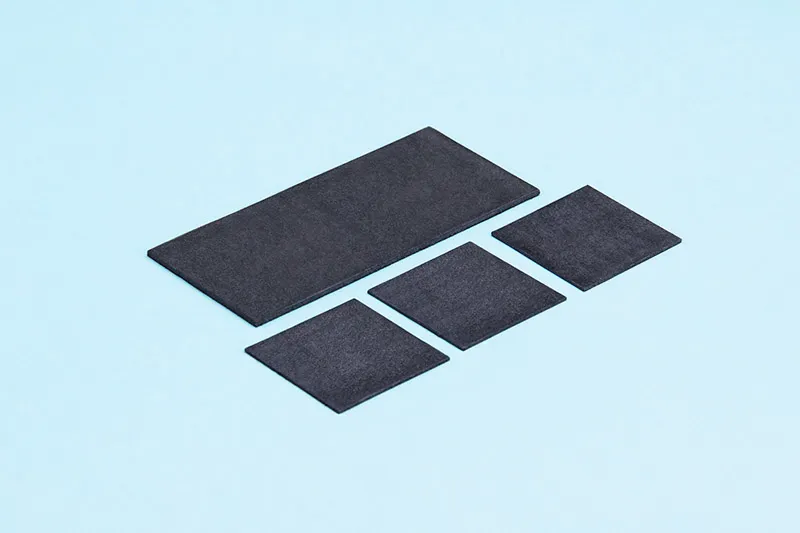
Defining Thermal Conductivity in Carbon Fiber Composites
Heat movement inside carbon fiber composites depends on direction, layout, and structure. In a flame-retardant carbon fiber thermal conductive sheet, thermal conductivity isn’t random.
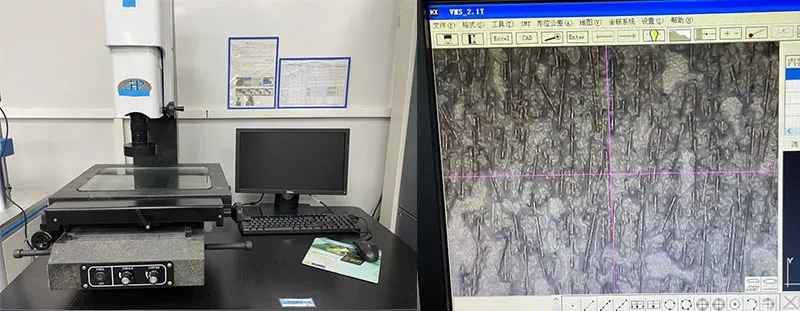
Heat transfer behavior
· In-plane flow stays fast due to aligned fibers
· Through-plane flow slows because the polymer matrix interrupts paths
Material properties that matter
· Fiber volume
· Graphite structure
· Resin contact quality
Test data often comes from ASTM D5470
· ISO 22007 backs cross-checking
· Results guide thermal management planning
| Orientation | Conductivity (W/m·K) | Test Method | Use Case |
| In-plane | 15-45 | ASTM D5470 | Heat spreaders |
| Through-plane | 2.8 | ISO 22007 | Insulation layers |
| Hybrid | 7.6 | Combined | Power modules |
| Random | 4.1 | Internal lab | Prototypes |
| Reinforced | 9.3 | ASTM D5470 | EV electronics |
This is why flame-retardant carbon fiber thermal conductive sheet designs rarely copy-paste across projects.
Role of Polymer Matrix and Flame Retardant Additives
The polymer matrix locks fibers in place and shapes material composition. Inside a flame-retardant carbon fiber thermal conductive sheet, flame retardant additives quietly handle fire safety.
Chemical layers
· Resin backbone
· Additive dispersion
Performance balance
· Thermal stability stays intact
· Chemical structure resists breakdown
A good matrix keeps heat moving while slowing flame spread. That balance is what separates lab samples from real-world parts.
Key Mechanical Flexibility and Lightweight Advantages
This material feels thin, light, and tough at the same time. That’s the magic.
· Lightweight build helps tight layouts
· Mechanical flexibility allows bending without cracks
· Strength-to-weight ratio stays high
Designers like the freedom. Assemblers like the durability. Products like longer life.
In aerospace brackets, automotive boards, and handheld gear, flame-retardant carbon fiber thermal-conducting sheet options from Sheen Technology help reduce weight while maintaining structural integrity and impact resistance.
Ensuring Electrical Insulation and Corrosion Resistance
Heat control means nothing without protection.
Electrical insulation
· Prevents short circuits
· Reduces electromagnetic interference (EMI)
Corrosion resistance
· Resin seals block moisture
· Chemical resistance handles oils and salts
A flame-retardant carbon fiber thermal conductive sheet that survives humidity, voltage, and time earns its place in power and telecom systems.
3 Key Parameters For Thermal Conductive Sheets
Thermal conductive sheets sound technical, yet the real story is simple: heat needs a clean exit path. In compact electronics, every layer counts. This cluster breaks down how material choice, fire safety, and physical form shape daily performance, especially for flame-retardant carbon fiber thermal conductive sheet solutions used in tight, heat-heavy designs.
Thermal Conductivity: Graphite vs Carbon Fiber Performance
Heat flow sits at the center of Thermal Conductivity, and the Material Comparison usually starts here:
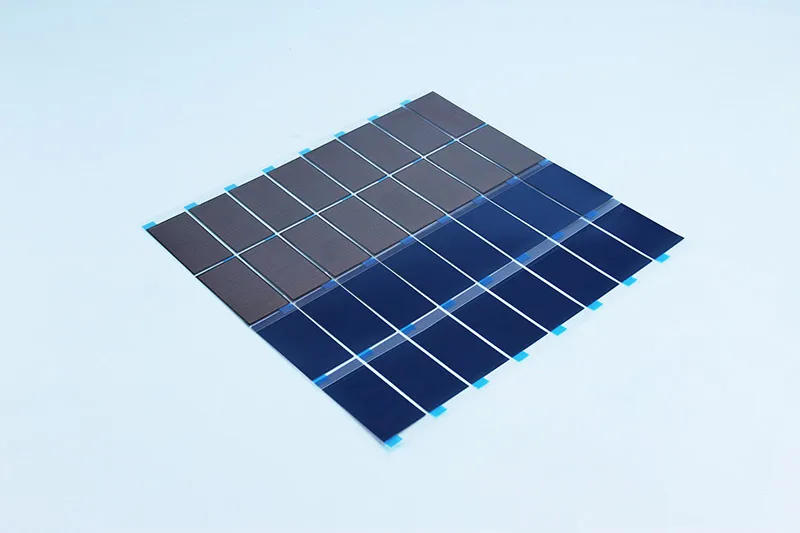
Graphite
· In-plane Heat Dissipation stays high, spreading heat fast across surfaces.
· Lower through-plane transfer can raise Thermal Resistance in stacked builds.
Carbon Fiber
· Balanced heat paths support steady cooling in 3D layouts.
· Mechanical strength helps parts stay aligned over time.
In power modules and LED boards, Carbon Fiber often wins for stability, especially when paired with flame-retardant thermal sheet designs. This balance is why Sheen Technology keeps carbon-based formats in its core lineup.
Flame Retardancy Ratings: UL 94 and IEC 60695 Standards
Fire risk is non-negotiable. Flame Retardancy is judged using layered standards:
UL 94
· V-0 rating limits flame time and dripping.
· Common in consumer and automotive electronics.
IEC 60695
· Focuses on ignition sources and abnormal heat.
· Supports global Standard Compliance goals.
In practice:
· Materials are exposed to open flame.
· Burn time and self-extinguishing behavior are logged.
· Drip behavior determines pass or fail.
A flame-retardant carbon fiber thermal conductive sheet meeting V-0 Rating lowers Fire Safety risks without hurting heat flow. That mix keeps telecom racks and EV controllers calm under stress.
Mechanical Flexibility and Thickness in Sheet Molding
Physical feel matters as much as specs. Mechanical Flexibility and Sheet Thickness decide how well a part fits real hardware:
Sheet Molding
· Compression control tightens the thickness tolerance.
· Smooth surfaces reduce air gaps.
Material Properties
· Thin carbon fiber thermal sheet layers bend without cracking.
· Durability stays steady after repeated thermal cycles.
Design teams usually balance:
· Form factor needs
· Long-term Durability
· Clean Application Fit
For compact builds, flame-retardant carbon fiber thermal conductive sheet formats cut easily, sit flat, and stay put. That reliability is why Sheen Technology often gets pulled into early design talks, not just late-stage sourcing.
Flame-Retardant Versus Standard Conductive Sheets
In thermal management, picking the right sheet is not just technical talk—it shapes safety, lifespan, and cost. From aerospace wiring bays to LED housings, the choice between a Flame-retardant carbon fiber thermal conductive sheet and a standard option can make or break performance.
Flame-Retardant Carbon Fiber Sheets
A Flame-retardant carbon fiber thermal conductive sheet blends flame control with heat flow, balancing safety and performance without adding bulk.
Core Material System
Carbon fiber network
· Enhances thermal conductivity
· Maintains structural integrity under stress
Polymer matrix
· Supports flame retardancy
· Improves electrical insulation
Performance Advantages
· High-temperature stability
· Sustains high temperature resistance in tight spaces
Lightweight profile
· Keeps aerospace assemblies lightweight
Fire safety compliance
· Meets strict automotive electronics standards
Application Logic
· Aerospace control panels
· EV battery modules
· Power conversion units
A Flame-retardant carbon fiber thermal conductive sheet is ideal when fire risk and heat build-up sit side by side. Sheen Technology engineers each Flame-retardant carbon fiber thermal conductive sheet to deliver steady thermal conductivity without compromising flame retardancy, making safety feel built-in, not added later.
Standard Thermal Conductive Sheets
A standard thermal conductive sheet focuses on moving heat fast, keeping designs simple and cost-aware.
Material Composition
· Graphite-based layers
· Strong heat dissipation
· Flexible polymer carriers
· Good flexibility and durability
Functional Focus
· Acts as a thermal interface material
· Fills air gaps
· Reduces contact resistance
· Prioritizes pure thermal conductivity
Typical Use Cases
· LED lighting boards
· Consumer electronics housings
· Non-critical cooling paths
Compared with a Flame-retardant carbon fiber thermal conductive sheet, the standard thermal conductive sheet skips enhanced flame retardancy. That works fine where fire ratings are less demanding.
Still, for projects balancing safety and cooling, many teams move toward a Flame-retardant carbon fiber thermal conductive sheet. Sheen Technology supports both paths, yet its flame-retardant carbon fiber thermal conductive sheet line stands out for pairing carbon fiber strength with dependable electrical insulation and controlled heat flow.
Power Module Cooling: Carbon Fiber Sheets
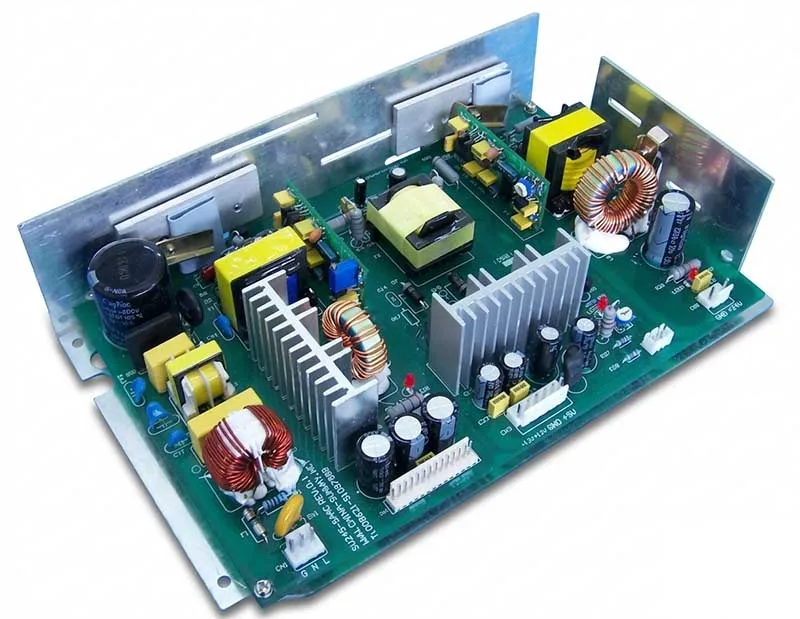
Power modules run hot. That’s just the reality of high current density and tight layouts. A Flame-retardant carbon fiber thermal conductive sheet keeps temperatures in check while adding electrical safety. From molding precision to automotive-grade reliability, this material works hard behind the scenes—especially when sourced from experts like Sheen Technology.
Sheet Molding and Surface Treatment for Electronics
A Flame-retardant carbon fiber thermal conductive sheet begins with controlled Molding Process steps that directly affect Thermal Conductivity and Electrical Insulation.
Material Preparation
· Carbon fiber prepreg alignment
· Resin system tuned for Flame Retardancy
· Thickness calibration for consistent carbon fiber thermal sheet output
Lamination and Curing
· Pressure-controlled sheet molding
· Layer bonding to stabilize internal thermal pathways
· Heat cycle optimization to protect Thermal Conductivity
Surface Treatment Integration
· Plasma or chemical activation
· Adhesion enhancement to ceramic substrates
Aluminum nitride
· Boron nitride
· Contact resistance reduction
The result? A flame-retardant carbon fiber sheet that bonds tightly, transfers heat fast, and stays electrically safe.
Application in Power Electronics and Automotive Modules
In Power Modules and Automotive Electronics, heat builds up quickly under high switching frequencies. A Flame-retardant carbon fiber thermal conductive sheet handles this through layered thermal spreading.
In power converters
· Direct interface with IGBT or SiC bases
· Stable Thermal Management under High Temperature cycling
In EV control units
· Vibration-resistant bonding
· Improved long-term Reliability
In telecom systems
· Continuous Heat Dissipation
· Reduced hot spots across aluminum housings
This flame-retardant carbon fiber thermal conductive sheet keeps systems cool without adding bulk. Sheen Technology fine-tunes fiber orientation so thermal flow moves where engineers actually need it.
Supplier Capabilities: Custom Dimensions & Quality Control
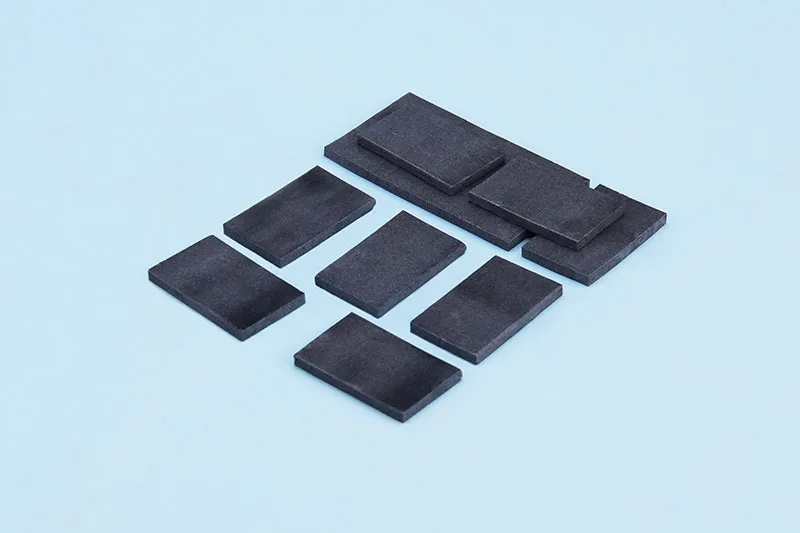
Not all carbon fiber thermal conductive materials are built the same.
· Custom Dimensions for tight module layouts
· Tailored Material Specifications for voltage and heat targets
· Strict Quality Control during curing and inspection
Production follows defined Manufacturing Standards, backed by in-house Performance Testing.
Incoming material verification
· Process monitoring during lamination
· Final thermal and insulation validation
A reliable Supplier Reliability record matters when scaling EV or inverter programs. Sheen Technology supports custom flame-retardant carbon fiber sheets with engineering feedback, quick sampling, and consistent batch stability. When uptime counts, that kind of support makes life easier.
FAQs about Flame-retardant carbon fiber thermal conductive sheet
What defines the performance of a flame-retardant carbon fiber thermal conductive sheet?
Heat and safety walk a thin line here. Performance grows from a careful balance:
· Thermal conductivity shaped by carbon fiber orientation and graphite content
· Flame retardancy secured through flame retardant additives meeting UL 94 and IEC 60695
· Mechanical flexibility and lightweight feel carried by the polymer matrix
Validation follows ASTM D5470 and ISO 22007, where numbers decide trust.
How does the polymer matrix improve flame safety and daily usability?
The polymer matrix acts like a quiet guardian. It locks carbon fiber in place, preserves electrical insulation, and absorbs stress during bending. In heat cycles common to power electronics or LED lighting, the matrix slows flame spread while keeping hands-on handling safe and predictable.
Why choose this material over standard thermal interface materials?
A short comparison tells the story:
| Aspect | This Sheet | Silicone thermal pads / graphite sheets |
| Fire behavior | Certified flame retardancy | Limited or none |
| Form | Thin, flexible sheets | Softer or brittle |
| Use cases | Power electronics, automotive electronics | Low-risk consumer designs |
The sheet stands firm where heat and flame tension rise together.
How do testing standards protect large-scale production and users?
Behind every shipment sits quiet pressure.
· UL 94 and IEC 60695 guard against ignition risk
· ASTM D5470 and ISO 22007 confirm real thermal paths
· RoHS compliance reassures designers and end users alike
This testing rhythm supports quality control before mass rollout.
Can suppliers adapt dimensions and processes for real projects?
Yes. Through sheet molding or compression molding, suppliers offer custom dimensions and material customization. Lamination, surface treatment, and precise cutting and shaping reduce contact resistance while keeping production capacity steady.
Which industries rely on this sheet when failure is not an option?
Pressure defines adoption:
· Aerospace components demand lightweight strength and flame control
· Telecommunications equipment values corrosion resistance over long uptime
· Consumer electronics and automotive electronics count on stable insulation near heat
Across these fields, the sheet earns trust by staying calm under stress.
Sheen Thermal
Dongguan Sheen Electronic Technology Co., Ltd · Founded in 2008
Manufacturer of thermal interface materials and silicone foam for automotive electronics, energy storage, power electronics, communications and consumer electronics.
Certified
- ISO 9001:2015
- ISO 14001:2015
- IATF 16949:2016
What we supply
- Thermal conductivity Up to 90 W/m·K
- Thickness 0.3–10.0 mm
- Custom & samples Die-cut to drawing, 3–7 days