
 English
 usheenthermal

How to Remove Potting Compound Safely Without Damaging Components
Date:2026-04-09
How to Remove Potting Compound Safely Without Damaging Components
To remove potting compound without wrecking the guts underneath feels like defusing a tiny bomb—one wrong move and that PCB you babysat for months is toast. Epoxy clings like concrete, silicone stretches like taffy, and heat can turn a careful repair into a smoky regret. When deadlines loom, there’s no room for guesswork.
Grand View Research values the global epoxy resin market in the billions, a reminder that these materials are built to last—sometimes longer than you want.
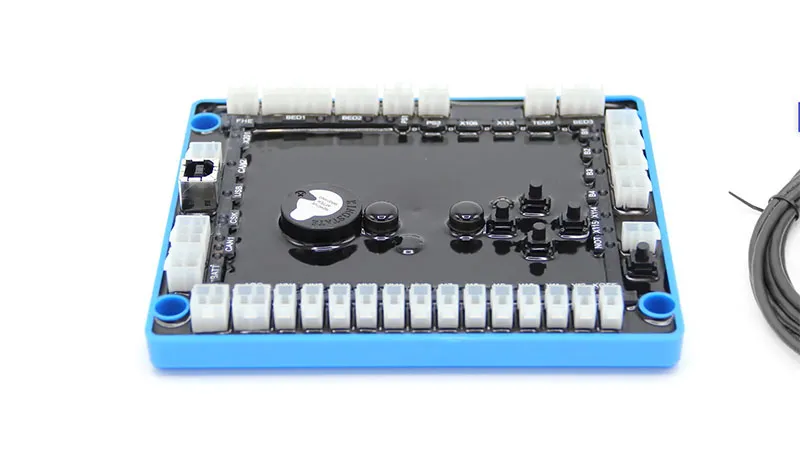
This guide cuts to the chase: how to soften, separate, and save your components without cracking boards or frying circuits.
4 Key Steps To Remove Potting Compound Safely
Getting ready to remove potting compound isn’t just lab work; it’s hands-on, sometimes messy, and easy to mess up if rushed. This guide breaks down how techs usually remove, soften, and clean potting materials without frying boards or snapping traces. The goal is simple: protect components, save time, and avoid that sinking “oops” moment.
Step 1 Evaluate Thermal and Chemical Resistance Before Starting
Before you even try to remove potting compound, slow down and check the basics tied to material properties and component compatibility.
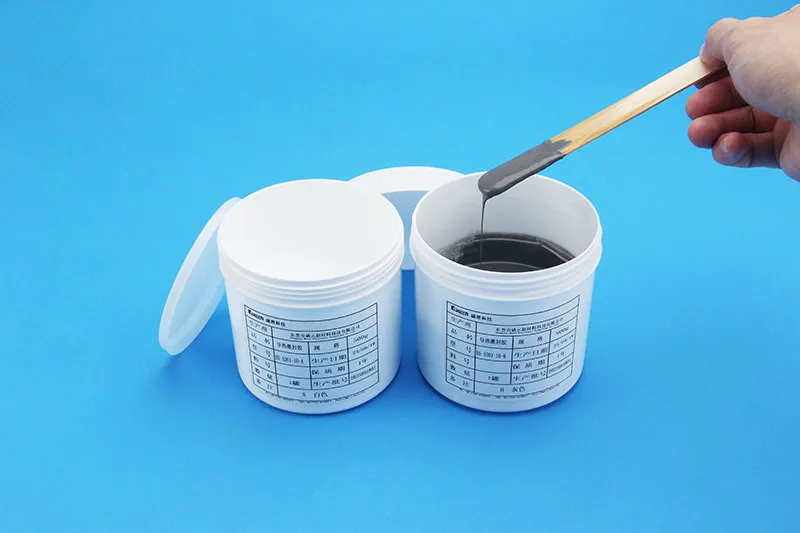
Potting compound type
· Epoxy: high thermal resistance, tough to crack
· Silicone: flexible, better chemical resistance
Board limits
· PCB Tg ratings
· Connector plastics and sealants
Safety notes
· Flammability rating
· Lab-grade safety precautions
A quick reference used by repair teams working with Sheen Technology looks like this:
| Compound Type | Tg (°C) | Chemical Resistance | Typical Use |
| Epoxy | 120–180 | High | Power modules |
| Silicone | 50–90 | Medium | Sensors |
| Polyurethane | 80–130 | Medium | LEDs |
Skipping this homework is how thermal runaway and delamination sneak in while trying to remove potting compound fast.
Step 2 Soften Epoxy Resins with Controlled Heat Cure Methods
Heat helps remove potting compound, but sloppy heat wrecks boards. Controlled thermal management matters.
Controlled heat choices
· Bench oven for even soak
· Heat gun with tight temperature control
What softening looks like
· Epoxy resins turn rubbery
· Viscosity drops, not melts
What to avoid
· Blistering solder mask
· Warped ceramic parts
Techs dealing with potting removal often pair gentle heat with a mild softening agent to reduce pry force later.
Step 3 Gently Pry Away Compound to Prevent PCB Cracking
Once softened, this is all about touch.
Tool selection
· Plastic spatula for wide areas
· Fine pry tool near leads
Handling rules
· Gentle force, no twisting
· Watch for component detachment
Risk zones
· Tall capacitors
· Fine-pitch ICs
Rushing here turns potting removal into cracked traces and hidden shorts.
Step 4 Final Cleanup: Verify Dielectric Strength and Corrosion Protection
After you remove, clean like it matters—because it does.
Residue removal
· Approved cleaning solvent only
· No soaking connectors
Verification checks
· Dielectric strength
· Electrical insulation
Long-term health
· Corrosion protection
· Surface integrity
Teams using Sheen Technology workflows usually finish with light component testing to confirm the potting compound removal didn’t trade one problem for another.
What Solvents Work Best To Remove Potting Compound?
Removing hardened resin from electronics can feel like a real headache. If you need to remove potting compound without wrecking parts, solvent choice makes all the difference.
Leveraging Solvent Evaporation to Dissolve Silicone Compounds
When working with silicone compounds, the trick isn’t brute force. It’s smart solvent evaporation control and understanding chemical properties.
Identify the potting material
· Silicone-based encapsulant
· RTV variants
Match the right dissolving agent
· Low-polarity solvents
· Controlled volatility fluids
Protect component safety
· Shield acrylic coatings
· Mask exposed IC pins
Apply solvent gradually to soften, not flood.
· Allow partial evaporation to weaken adhesion.
· Gently lift softened layers to remove potting compound without tearing pads.
Silicone swells before it releases. That swelling reduces bond strength, making it easier to remove potting, not destroy the board. At Sheen Technology, technicians often pair evaporation timing with localized heating to strip encapsulant safely. The goal is simple: remove potting compound while keeping circuitry intact.
Using Acetone Blends for Polyurethane Encapsulant Breakdown
For polyurethane encapsulant, acetone blends speed up chemical breakdown, but balance matters. Too aggressive, and you risk material degradation.
Typical Solvent Performance Comparison
| Solvent Mixture | Evaporation Rate (g/min) | Polyurethane Swell (%) | Flammability Rating |
| Pure Acetone | 1.8 | 35 | High |
| Acetone + IPA (70/30) | 1.2 | 42 | Medium |
| MEK Blend | 1.5 | 48 | High |
| Controlled Lab Blend | 0.9 | 50 | Medium |
· High swell percentage improves encapsulation removal.
· Lower evaporation improves handling control.
To remove potting compound effectively:
· Test a small area.
· Monitor connector plastics.
· Watch for discoloration or softening.
Balancing Chemical Resistance vs. Moisture Absorption Risks
Strong solvents attack resin fast. But substrates have limits.
Check chemical resistance of:
· PCB laminate
· Ceramic substrates
· Solder mask
· Assess moisture absorption risk after exposure.
Excess solvent can lower material integrity and dielectric strength. Short exposure windows reduce long-term effects tied to environmental factors like humidity swings.
Quick checklist:
✔ Verify compatibility sheet
✔ Limit soak time
✔ Dry thoroughly before power-up
Smart risk assessment and careful solvent selection help remove potting compound without trading one problem for another. Sheen Technology focuses on keeping boards functional, not just clean.
Chemical Vs Mechanical Potting Compound Removal
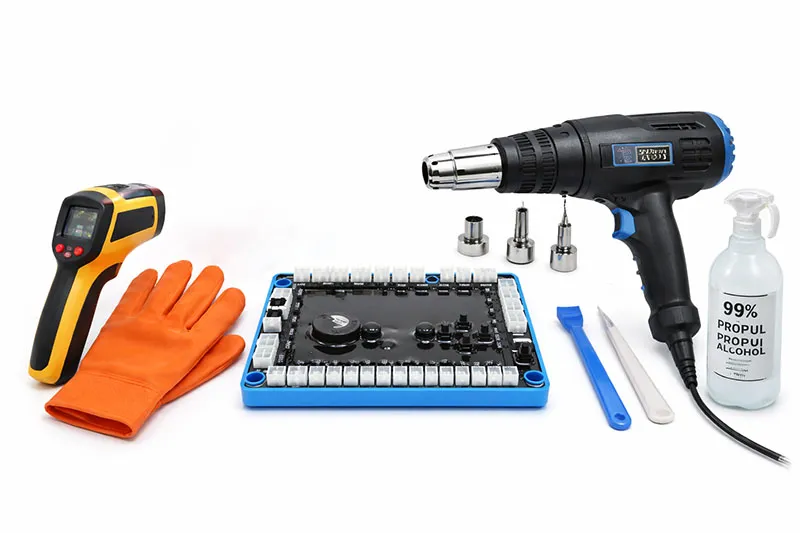
Potting makes electronics tough, but when you need to remove potting compound, things get real fast. Techs often split the job into chemical and mechanical paths. Both aim to remove, strip, or break down potting material without wrecking the board underneath. The trick is knowing when to dissolve and when to grind.
Chemical Removal
Chemical methods focus on softening or dissolving encapsulants so you can safely remove potting compound from delicate assemblies.
Core approach
· Apply a targeted solvent or specialized chemical agent.
· Allow controlled immersion or surface exposure.
· Monitor degradation progress before lifting residue.
Material compatibility
· Epoxy systems may need slow etching action.
· Silicone gels respond better to selective dissolving blends.
Risk controls
· Ventilation to handle fumes.
· Moisture barriers to prevent corrosion.
· Thermal checks to avoid heat-driven failure.
Practical workflow used by Sheen Technology
· Test a small edge zone.
· Measure swelling and surface change.
· Gradually scale to full remove potting compound operation.
“Electronics rework demand is rising alongside miniaturization, pushing growth in precision chemical stripping solutions,” noted IPC’s 2025 industry outlook on electronics repair trends.
When you need to remove potting compound from tight sensor cavities, chemical processing often keeps leads intact. Sheen Technology fine-tunes soak time and chemical agent strength so you can remove encapsulant cleanly, not tear up copper pads.
Mechanical Removal
Mechanical methods rely on direct physical force to remove potting compound once it’s softened or partially exposed.
Tool hierarchy
· Surface scraping for thin layers.
· Precision cutting around connectors.
· Micro drilling to relieve internal stress.
Controlled material reduction
· Light abrasion to thin the shell.
· Targeted chipping after heat softening.
Protection priorities
· Shield capacitors.
· Avoid cracking sensor epoxy.
· Maintain structural spacing.
Combined heat-and-force method
· Preheat to reduce hardness.
· Gradually grind.
· Inspect after each pass before continuing to remove potting compound.
Shops that remove potting compound daily know patience beats brute strength. Sheen Technology integrates guided cutting and calibrated abrasion so teams can remove potting compound, strip potting material, and clear encapsulation without wrecking what actually matters—the circuitry underneath.
FAQs about Remove Potting Compound
What precautions matter before trying to remove potting compound?
The moment before action carries the most risk. A quick check saves boards and nerves.
· Material clues: glass transition temperature, flammability rating, viscosity, chemical resistance.
· What you are facing: epoxy resins, silicone compounds, or polyurethane encapsulants around PCBs, sensors, connectors.
· Hidden danger line: weak dielectric strength or high moisture absorption invites delamination, cracking, and electrical shorting once stress begins.
How does controlled heat make epoxy easier to release?
Heat cure applied with restraint can turn a fight into a negotiation.
Curing ovens warm epoxy resins just below the limit of ceramic substrates and solder pastes. Viscosity drops, adhesion relaxes, and power modules stay intact. Temperature drift, on the other hand, can spark thermal runaway around integrated circuits and LEDs, so monitoring stays constant and personal attention matters.
Which solvents help remove potting compound from PCBs without regret?
Solvents feel simple, yet every drop has consequences.
· Acetone blends soften polyurethane encapsulants through solvent evaporation.
· Silicone compounds respond slowly, asking patience and controlled exposure.
· Acrylic conformal coatings and thermoplastic elastomers react fast and can swell, risking moisture ingress and corrosion.
A quick compatibility test protects dielectric strength and preserves surface mount technology joints formed in reflow ovens.
What should inspection focus on after residue removal?
After the compound is gone, silence does not mean safety.
Key checks branch out naturally:
1) Electrical calm: dielectric strength tests on PCBs and capacitors to catch hidden electrical shorting.
2) Surface truth: corrosion on connectors, LEDs, and sensor leads.
3) Future stability: signs of voids or moisture absorption before reencapsulation or conformal coating using dispensing robots, vacuum chambers, or plasma treatment systems.
Sheen Thermal
Dongguan Sheen Electronic Technology Co., Ltd · Founded in 2008
Manufacturer of thermal interface materials and silicone foam for automotive electronics, energy storage, power electronics, communications and consumer electronics.
Certified
- ISO 9001:2015
- ISO 14001:2015
- IATF 16949:2016
What we supply
- Thermal conductivity Up to 90 W/m·K
- Thickness 0.3–10.0 mm
- Custom & samples Die-cut to drawing, 3–7 days