
 English
 usheenthermal

How to Select a Non-Volatile Silicone-Free Thermal Conductive Material
Date:2026-06-03
How to Select a Non-Volatile Silicone-Free Thermal Conductive Material
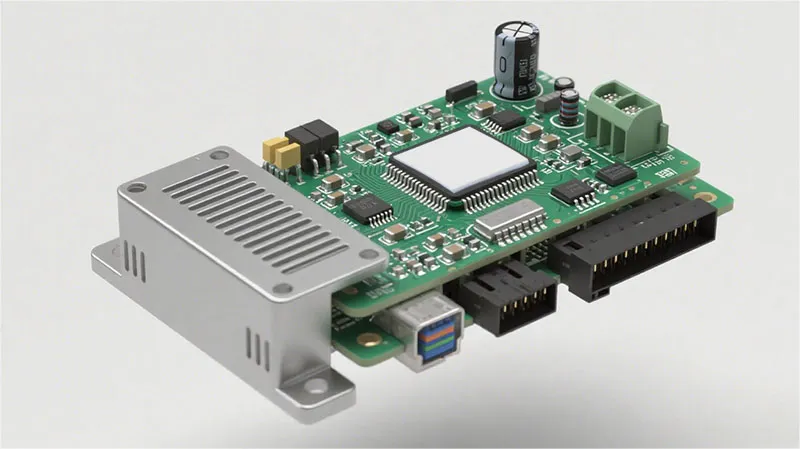
Heat failures don’t knock, they kick the door in, and Non-volatile silicone-free thermal conductive material is the fix smart manufacturers are quietly switching to avoid messy contamination and costly downtime.
Because when production lines stall and components fail early, margins shrink fast, and patience runs even faster real.
Harmony Highlights: Non-volatile Silicone-Free Thermal Conductive Material Guide
-> Thermal Performance: Select materials with high conductivity coefficients and stable properties across your device’s temperature range to prevent hotspots and ensure consistent heat dissipation.
-> Reliability & Cleanliness: Opt for silicone-free, non-volatile formulations to eliminate VOC risks, outgassing, and contamination, safeguarding sensitive components and extending service life.
-> Selection Checklist: Verify electrical insulation, mechanical stability, compliance standards, application method, and storage guidelines to streamline integration and minimize downtime.
4 Critical Factors For Thermal Conductivity
Non-volatile silicone-free thermal conductive material sounds technical, yet it simply refers to a stable, silicone-free interface that moves heat fast without drying out. Break it down: Non-volatile means low volatilization and minimal outgassing; silicone-free avoids contamination; thermal conductive material ensures efficient heat transfer. When picking a non volatile silicone free thermal conductive material, four factors decide long-term performance and safety.
Thermal Conductivity Coefficient Matters
When evaluating thermal conductivity, focus on how the coefficient (measured in W/mK) affects real heat paths.
Core Metric
· High thermal conductivity lowers thermal resistance.
· Reduced resistance improves heat flux across each interface material layer.
Application Fit
· Power modules need higher W/mK values.
· Compact devices demand uniform spreading, not just peak numbers.
Material Choice
· A non-volatile silicone-free thermal conductive material keeps conductivity stable over time.
· Silicone-free thermal interface compounds help avoid surface contamination.
In short, higher numbers matter—but only when matched to design goals.
Impact of Operating Temperature Range
Performance shifts with operating temperature swings.
· High temperature range stress can trigger thermal expansion mismatch.
· Low temperature exposure may stiffen fillers, hurting performance stability.
Key checkpoints:
① Validate performance after repeated thermal cycling.
② Confirm conductivity retention at high temperature peaks.
③ Test cold-start efficiency.
A non volatile silicone free thermal conductive material resists phase separation, helping maintain steady heat flow from −40°C to 150°C. That stability keeps electronics from cooking on hot days or lagging in freezing warehouses.
Electrical Insulation Performance
Heat control means nothing without safe electrical insulation.
• Strong dielectric strength prevents breakdown.
• High volume resistivity limits leakage current.
• Reliable surface resistivity protects tight PCB layouts.
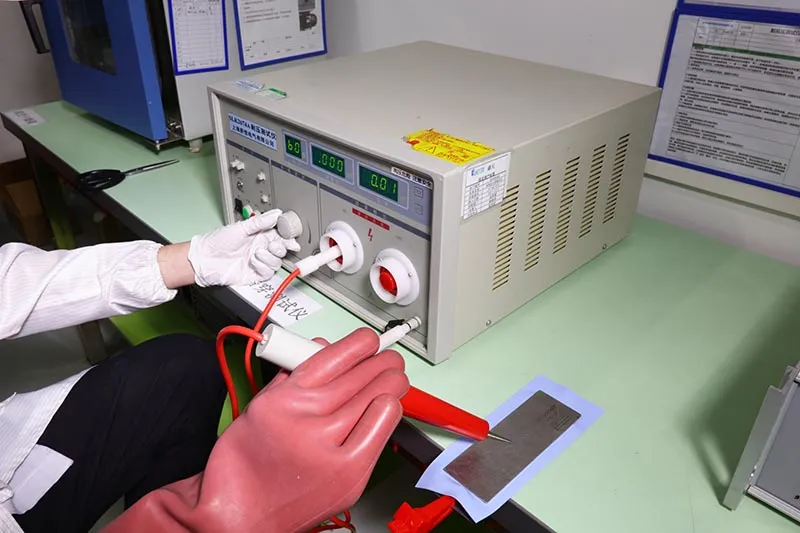
For power electronics:
· Insulation Layer:Acts as a true insulator under load.
· Safety Margin:Withstands rated breakdown voltage.
Long-Term Integrity
· Non-volatile silicone-free thermal conductive material avoids ionic bleed.
Sheen Technology engineers its non-volatile silicone-free thermal conductive material to balance insulation and thermal flow, so designers do not have to trade safety for cooling.
Long-Term Material Stability
Durability decides maintenance cost.
· Chemical Resistance:Limits degradation and oxidative aging.
· Physical Structure:Prevents cracking during expansion cycles.
· Environmental Control:Low volatilization reduces pump-out risk.

Sheen Technology AF800 Silicone-free Thermal Pad Reliability Test Report:
| Test Items | Test Conditions | Test Equipment |
| High-Temperature Aging | 120℃,1008H | Precision Oven |
Criteria for Judging Test Results
| Performance Parameter | Initial Value | Acceptance Criteria |
| Thermal Conductivity(W/m*K) | 8.12 | ±15% |
| Hardness(shore 00) | 82 | ±10% |
| Density(g/cm³) | 3.43 | ±10% |
High-Temperature Aging Test Results
| High-Temperature Aging Test Record Sheet | ||||||||||
| Aging Time | H | 0 | 168 | 336 | 504 | 672 | 840 | 1008 | Change | Assessment |
| Thermal Conductivity | W/m*k | 8.12 | 8.46 | 8.32 | 8.64 | 8.01 | 8.33 | 8.29 | 2.05 | OK |
| Hardness | Shore00 | 82 | 76 | 83 | 82 | 85 | 88 | 90 | 8 | OK |
| Compression (20% Compression Rate) | g/cm³ | 3.43 | 3.43 | 3.42 | 3.44 | 3.43 | 3.41 | 3.45 | 0.58 | OK |
Test Conclusion: After undergoing 1008 hours of aging under various conditions, the AF800 passed performance testing and maintained an acceptable appearance. Therefore, the AF800 has passed reliability testing.
Over years of service, material stability shapes overall reliability and durability. A high-quality non-volatile silicone-free thermal conductive material stays consistent, cutting downtime and keeping heat management predictable. For manufacturers scaling production, that kind of steady performance—like what Sheen Technology promotes—simply makes life easier.
Need exact thermal conductivity, dielectric strength, thickness range, and reliability data before you choose? Download the product datasheets to compare non-volatile silicone-free thermal conductive material options.
Why Select Non-Volatile Silicone-Free Materials?
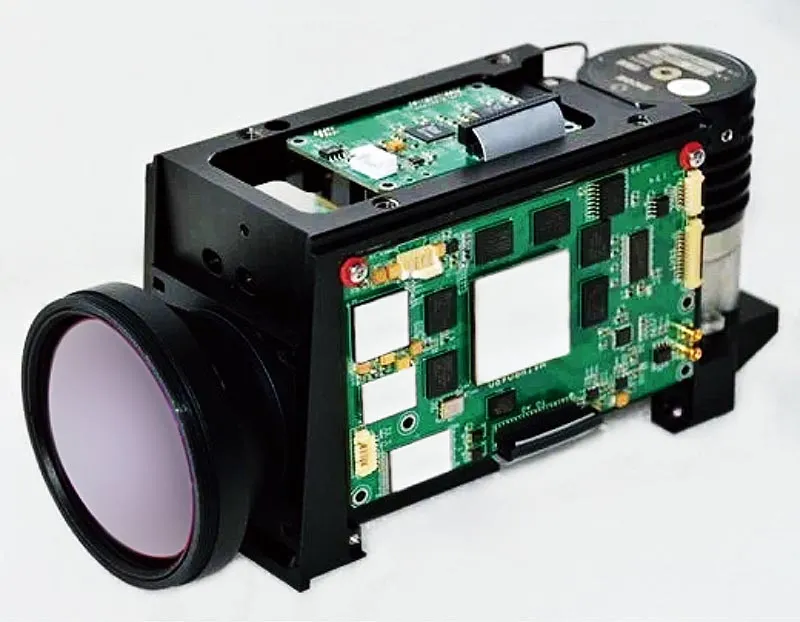
Non-volatile silicone-free thermal conductive material sounds technical, yet the idea is simple: keep heat moving without letting chemicals drift where they shouldn’t. In high-power devices, even tiny traces of volatile organic compounds can create big headaches. Choosing the right non volatile thermal material keeps performance steady and your hardware clean.
Eliminating Volatile Organic Compound Risks
When engineers switch to a Non-volatile silicone-free thermal conductive material, the goal is clear: reduce VOCs, stop outgassing, and prevent silent contamination.
· Lower health hazards for workers
· Reduced environmental impact
· Improved material stability
Within electronics systems:
Core risk
· Volatile organic compounds migrate under heat.
· Deposits form on optics or contacts.
Resulting issue
· Signal loss
· Surface corrosion
· Declining insulation strength
The International Energy Agency’s 2025 efficiency outlook notes that stricter emission control in electronics manufacturing is accelerating adoption of low-emission materials to limit long-term reliability failures.
A non-volatile silicone-free thermal conductive material simply keeps things clean. No fogging. No residue. Just stable performance.
Maintaining Consistent Heat Transfer Over Time
Heat never takes a break, and neither should your interface layer. A Non-volatile silicone-free thermal conductive material supports steady thermal conductivity and reliable heat dissipation.
At the material level:
· Thermal pathway
· Filler network integrity
· Controlled thermal resistance
Aging behavior
· Minimal evaporation
· Reduced performance degradation
· Strong long-term stability
Step by step in operation:
· Power rises.
· Heat flows through the thermal conductive compound.
· No mass loss occurs.
· Consistent performance remains after repeated thermal cycles.
Short takeaways:
· Less material aging
· Stable interface thickness
· Predictable temperature control
That’s why engineers lean toward non volatile thermal conductive material when uptime really matters.
Enhancing Reliability in High-Power Electronics
In high-power electronics, stress is constant. High power density and rapid thermal cycling test every layer inside the device.
Key reliability chain:
Thermal management base
· Non-volatile silicone-free thermal conductive material
Leads to
· Controlled junction temperature
· Lower mechanical strain
Which improves
· Component reliability
· Overall system performance
· Extended device lifespan
Quick breakdown:
· No silicone bleed
· No carbonized residue
· Fewer unexpected shutdowns
When a non-volatile silicone-free thermal conductive material replaces traditional silicone pads, failure risks tied to outgassing drop sharply. The result feels straightforward: cooler chips, steadier output, and electronics that keep working long after cheaper materials fade out.
Silicone-Free Vs. Silicone-Filled: Which Wins?
Thermal management is not just about heat flow; it’s about long-term trust. When comparing silicone-free and silicone-filled options, performance under pressure, contamination control, and reliability in sensitive electronics all come into play. Choosing a Non-volatile silicone-free thermal conductive material can feel like a small tweak, yet it changes everything.
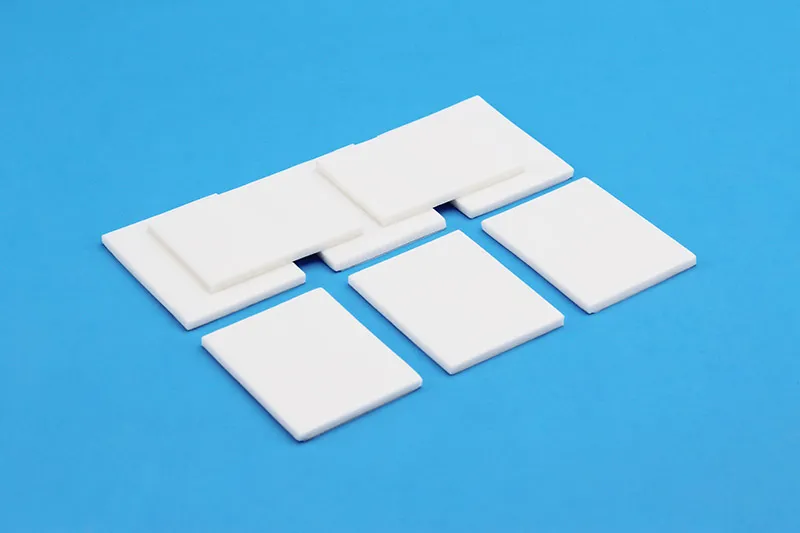
Silicone-Free
A Non-volatile silicone-free thermal conductive material is built around non-volatile chemistry and low outgassing, which directly supports contamination prevention in sensitive electronics.
· Cleaner operation
· Strong migration resistance
· Stable dielectric behavior
· Maintains interface stability
· Reduces maintenance cycles
· Supports longer device lifespan
In practical use:
Material base
· Polymer-based matrix
· Designed for minimal bleed
Performance outcome
· No oil separation
· Consistent contact pressure
Short and simple: less mess. Less drift. More control.
Sheen Technology formulates its Non-volatile silicone-free thermal conductive material to meet tight reliability standards, offering a silicone-free thermal interface that resists aging while keeping thermal resistance low.

Silicone-Filled
Silicone-filled systems often appear in:
· Thermal grease
· Gap pads
· Potting compounds for encapsulation
Strengths come from flexibility and conformability, plus dependable dielectric properties.
Yet risk sits beneath the surface:
· Oil migration
· Pump-out phenomenon
· Surface contamination
Structure overview:
Composition
· Silicone matrix
· Enhanced with fillers
Functional behavior
· Good heat transfer
· Potential bleed over time
Flexible, yes. Clean long-term? Not always.
For projects demanding non-volatile thermal compound reliability, engineers often turn to Sheen Technology for a proven silicone-free heat conduction material that avoids the usual silicone trade-offs.
Final Checklist For Thermal Interface Selection
Choosing a Non-volatile silicone-free thermal conductive material is not just a spec-sheet exercise. It’s about heat control, reliability, compliance, and smooth production flow. Below is a practical checklist to keep your thermal interface material decision sharp and stress-free.
Assess Thermal Resistance Requirements
When selecting a Non-volatile silicone-free thermal conductive material, start with performance math—but keep it practical.
· Target thermal conductivity aligned with device power density
· Acceptable thermal impedance under real mounting pressure
· Controlled interface resistance across aging cycles
· Define allowable Rth based on heat source wattage.
· Map expected heat flux to cooling architecture.
· Validate resulting temperature gradient during peak load.
For high-power modules:
Core factors
· Material layer thickness
· Surface flatness
· Contact pressure
Measurement focus
· Initial heat transfer efficiency
· Stability after thermal cycling
A stable non volatile silicone free thermal conductive material minimizes pump-out and maintains contact. That’s where Sheen Technology fine-tunes formulation to balance conductivity and long-term reliability.
Verify Material Compatibility and Compliance
Compatibility saves you from late-stage headaches.
· Substrate bonding to aluminum, copper, ceramics
· Resistance to corrosion and oxidation
· Low outgassing in sealed systems
Check deeper:
· Confirm material compatibility with coatings and plastics.
· Review chemical inertness under humidity.
· Validate regulatory compliance—including RoHS and REACH.
For regulated industries:
Environmental review
· Heavy metal limits
· VOC emissions
Documentation
· Updated compliance certificates
· Supply traceability
A 2025 global electronics outlook from IDC noted that thermal reliability and compliance are now “key qualification gates in EV and AI server supply chains.” That’s why a Non-volatile silicone-free thermal conductive material from Sheen Technology is engineered to meet evolving standards without silicone migration risk.
Confirm Application Method and Cure Time
Production speed matters. So does control.
· Suitable application method: automated dispensing or pad pre-form
· Stable viscosity for repeatable bead geometry
· Balanced cure time and working window
Step-by-flow logic:
· Assess line speed and takt time.
· Match working life to batch size.
· Adjust flow rate for precision gaps.
Under process validation:
Rheology control
· Thixotropy behavior
· Sag resistance
Cure profile
· Room temperature vs. heat assist
· Post-cure shrinkage
A well-designed non volatile silicone free thermal conductive material keeps application clean and predictable—no stringing, no surprise skinning.
Evaluate Mechanical and Dielectric Properties
Heat control is only half the story.
· Required mechanical properties under vibration
· Minimum dielectric strength for high-voltage assemblies
· Optimal compressibility for uneven surfaces
Detailed checks:
Surface compliance
· Elasticity range
· Recovery after compression
Structural integrity
· Shear strength
· Bond strength
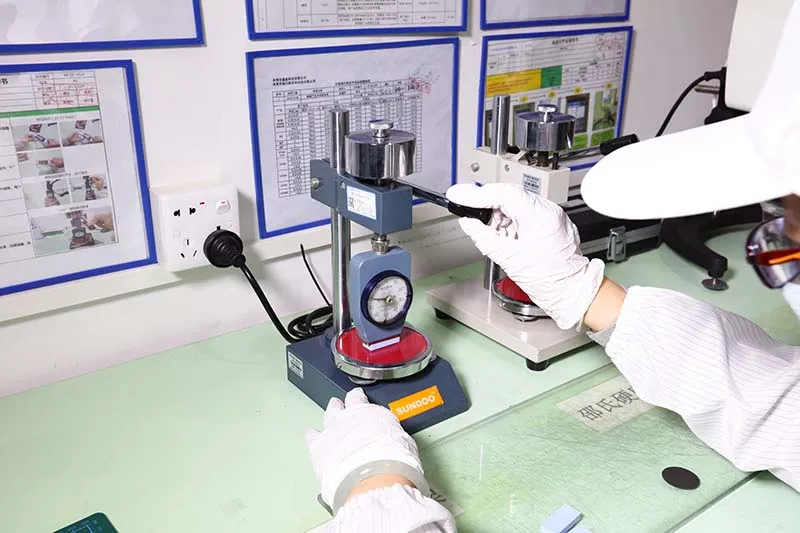
Durability
· Shore hardness stability
· Crack resistance
A Non-volatile silicone-free thermal conductive material must resist dry-out and maintain insulation performance. That’s where Sheen Technology focuses on blending mechanical flexibility with electrical safety.
Inspect Packaging, Storage, and Handling Guidelines
Even great materials fail if stored badly.
· Approved packaging types
· Controlled storage conditions
· Verified shelf life
Key handling layers:
Environmental control
· Temperature range
· Humidity limits
Operational practice
· Clean nozzle management
· FIFO inventory rotation
Safety compliance
· Updated safety data sheet
· PPE recommendations
A non volatile silicone free thermal conductive material should remain stable in sealed cartridges without premature curing. With disciplined handling guidelines, manufacturers protect both material performance and production uptime.
Selecting the right Non-volatile silicone-free thermal conductive material isn’t flashy. It’s methodical. Do the checks, align performance with process, and partner with proven suppliers like Sheen Technology—and your thermal interface stops being a risk and starts being an advantage.
【Request a Custom Quote】 Not sure which non-volatile silicone-free thermal conductive material fits your build? Send us your target operating temperature, thickness target, application type, and performance requirements, and we can help recommend the right thermal solution for your project.
Sheen Thermal
Dongguan Sheen Electronic Technology Co., Ltd · Founded in 2008
Manufacturer of thermal interface materials and silicone foam for automotive electronics, energy storage, power electronics, communications and consumer electronics.
Certified
- ISO 9001:2015
- ISO 14001:2015
- IATF 16949:2016
What we supply
- Thermal conductivity Up to 90 W/m·K
- Thickness 0.3–10.0 mm
- Custom & samples Die-cut to drawing, 3–7 days