
 English
 usheenthermal

How to Select Electrical and Thermal Insulating Materials for Safety
Date:2026-04-15
How to Select Electrical and Thermal Insulating Materials for Safety
Electrical and Thermal Insulating Materials are the silent bodyguards of your operation. Pick the wrong one, and it’s like wearing flip-flops to a construction site—sooner or later, something’s getting crushed. For large-scale buyers, one bad batch can spark shutdowns, safety fines, and a CFO breathing down your neck.
“Electrical failures remain a leading cause of industrial fires,” reports the National Fire Protection Association (NFPA).
This isn’t about specs on a spreadsheet. It’s about keeping heat in check, voltage contained, and production humming without nasty surprises. Choose insulation like you’d choose a parachute—cheap shortcuts aren’t brave, they’re reckless.
Key Insights on Electrical and Thermal Insulating Materials
-> Classifications: Ceramics, Polymers, Mica-Epoxy and Fiberglass-Polyimide families tailored to voltage and temperature needs.
-> Performance Factors: Prioritize dielectric strength, thermal conductivity, mechanical robustness and processability.
-> Property Differences: Electrical insulation focuses on resistivity and arc resistance; thermal insulation emphasizes low conductivity and high temperature stability.
-> Selection Roadmap: Define environment, specify electrical and thermal requirements, evaluate mechanics, then choose form and processing.
-> Compliance Scenarios: Match materials to high-voltage, extreme-heat, moisture/chemical or vibration-intense applications.
What Are Insulation Material Classifications?
Electrical and Thermal Insulating Materials keep power flowing safely while blocking unwanted heat transfer. From heavy-duty grids to compact electronics, Electrical and Thermal Insulating Materials shape performance, safety, and lifespan in real-world systems.
Ceramics and Glass-Based Insulators
Within Electrical and Thermal Insulating Materials, ceramic and glass families sit on the inorganic side. Electrical insulating materials in this class are known for dielectric strength, high temperature stability, and impressive chemical inertness.
Core Performance Attributes
Electrical Behavior
· High electrical resistance under extreme voltage
· Stable dielectric strength across wide frequency ranges
Thermal Behavior
· Controlled thermal conductivity for heat isolation
· Reliable high temperature stability beyond 1000°C in alumina systems
Mechanical Integrity
· Strong mechanical strength under compression
· Resistance to thermal shock
Typical Material Forms
· Porcelain insulators for transmission lines
· Fused silica glass in high-voltage bushings
· Alumina ceramics in power modules
| Material Type | Dielectric Strength (kV/mm) | Max Temp (°C) |
| Alumina 95% | 12–15 | 1600 |
| Porcelain | 8–12 | 1200 |
| Fused Silica | 20–30 | 1000 |
These thermal insulating materials shine where heat and voltage spike at the same time.
Polymer and Silicone Compounds
Organic Electrical and Thermal Insulating Materials bring flexibility to the table—literally and figuratively. Polymer-based electrical insulation materials are easier to mold and lighter in weight.
Functional Layers
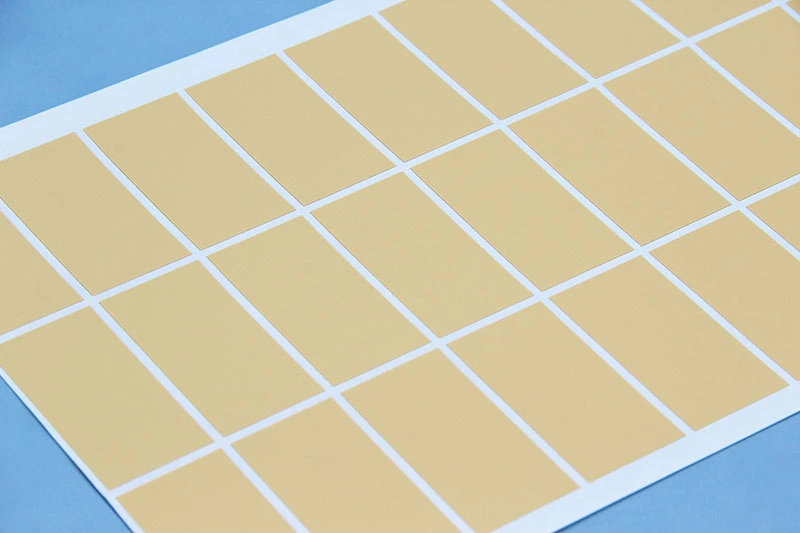
Base Polymer Matrix
· Provides flexibility and controlled elongation
· Supports required voltage rating
Additive Systems
· Improve flame retardancy
· Enhance UV stability and weather resistance
Silicone Modifiers
· Extend temperature range
· Maintain elasticity in outdoor grids
Application Clusters
· Cable jacketing
· Potting compounds
· Conformal coatings
These materials feel less rigid than ceramics but still guard against heat and current leakage. In modern electrical and thermal insulation materials design, polymers balance cost, durability, and ease of installation.
Mica and Epoxy Systems
Mica-based Electrical and Thermal Insulating Materials often show up inside motors and generators, where failure simply isn’t an option.
Structural Composition
Mica Flakes
· Deliver high arc resistance
· Offer stable insulating properties
Epoxy Resin Matrix
· Provides strong adhesion
· Controls thermal expansion
· Boosts moisture resistance
Reinforcement Layers
· Add mechanical reinforcement for vibration-heavy setups
Performance Logic
· Mica blocks electrical discharge paths.
· Epoxy binds and seals the structure.
· The composite resists heat cycling and mechanical stress.
Among electrical insulation materials, mica-epoxy systems are trusted for long service life in high-voltage rotating equipment.
Fiberglass and Polyimide Materials
High-performance Electrical and Thermal Insulating Materials often rely on fiberglass and polyimide films.
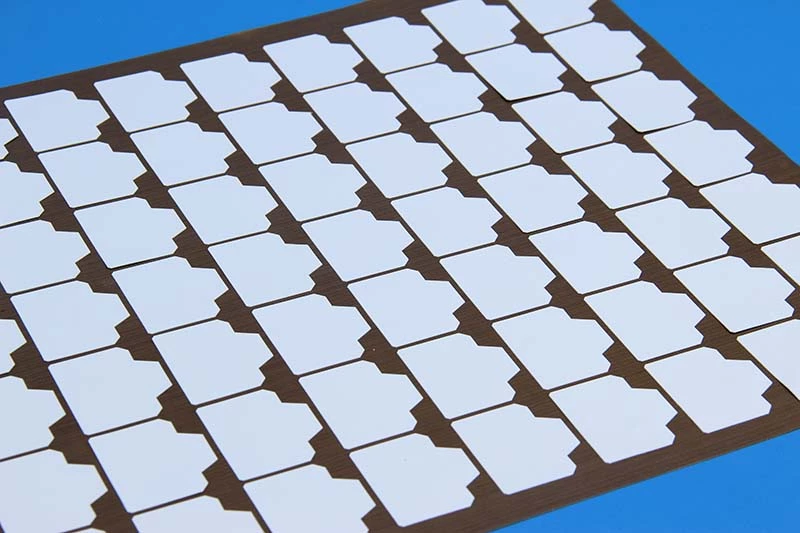
Material Architecture
Fiberglass Core
· High tensile strength
· Strong abrasion resistance
· Reliable dimensional stability
Polyimide Layer
· Extreme thermal endurance above 250°C
· Excellent chemical resistance
· Proven high-performance insulation in aerospace circuits
Application Breakdown
· Slot liners in motors
· Flexible printed circuits
· Transformer wraps
Electrical and Thermal Insulating Materials in this category handle heat, vibration, and chemical exposure without drama. When systems run hot and tight, these advanced electrical and thermal insulation materials quietly keep everything in check.
5 Factors to Evaluate Electrical and Thermal Insulating Materials
Choosing the right Electrical and Thermal Insulating Materials isn’t just about specs on paper. It’s about keeping equipment safe, stable, and built to last under real-world electrical and heat stress.
Factor 1: Dielectric Strength & Volume Resistivity
When assessing Electrical and Thermal Insulating Materials, electrical performance leads the way.
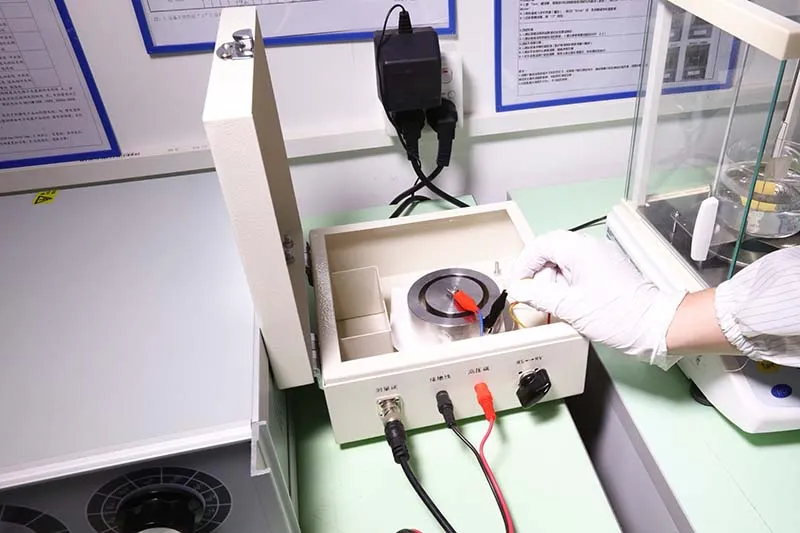
Core Electrical Metrics
1.1 Dielectric strength
· Defines maximum breakdown voltage before failure.
· Higher values mean stronger electrical insulation.
1.2 Volume resistivity
· Measures internal electrical resistance.
· Prevents leakage current across insulating properties.
Typical Material Comparison
| Material | Dielectric Strength (kV/mm) | Volume Resistivity (Ω·cm) | Breakdown Voltage (kV) |
| Epoxy G10 | 18–25 | 10¹³–10¹⁵ | 30–40 |
| Silicone | 15–20 | 10¹⁴ | 25–35 |
| PTFE | 19–25 | 10¹⁶–10¹⁸ | 35–45 |
| Phenolic | 10–16 | 10¹¹–10¹³ | 20–30 |
Electrical insulation materials with higher volume resistivity typically provide better long-term reliability.
Factor 2: Thermal Conductivity & Expansion
Heat moves. Materials expand. That’s where thermal conductivity and thermal expansion step in.
Low thermal conductivity supports thermal insulation, slowing heat transfer. Meanwhile, a stable coefficient of thermal expansion protects against cracking. Good temperature stability keeps electrical and thermal insulating materials steady during repeated heating cycles. In high-power systems, this balance prevents warping and stress build-up.
Factor 3: Tensile Strength & Flexural Strength
Mechanical durability matters more than people expect.
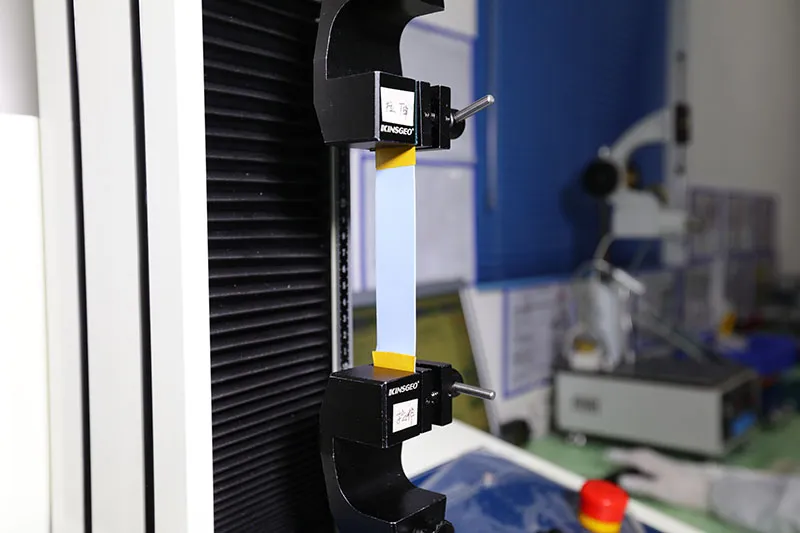
Mechanical Performance
1.1 Tensile strength ensures resistance to pulling forces.
1.2 Flexural strength protects against bending stress.
Structural Outcomes
· Higher load bearing capacity
· Better structural integrity
· Improved material durability
In vibration-heavy environments, strong mechanical properties keep Electrical and Thermal Insulating Materials from failing prematurely.
Factor 4: Heat Deflection & Operating Temperature Range
Thermal limits define service life.
Temperature Ratings
1.1 Heat deflection temperature marks deformation under load.
1.2 Operating temperature range defines safe use span.
Performance Boundaries
· Stable service temperature
· Reliable high temperature performance
· Solid temperature resistance
Quality electrical and thermal insulating materials hold shape and strength even near upper thermal limits.
Factor 5: Processing Methods and Material Forms
Even the best insulating material must be workable.
Common processing methods include molding, extrusion, and lamination. Smart manufacturing techniques reduce waste and improve consistency. Available material forms—sheets, rods, tubes, films—affect application suitability and material availability.
Electrical and Thermal Insulating Materials from Sheen Technology are engineered for flexible fabrication options, supporting both custom builds and scaled production. That means fewer headaches during assembly and stronger performance in the field.
Selecting the right electrical insulation and thermal insulation solution isn’t flashy—but it keeps everything running smoothly.
Electrical Insulation vs Thermal Insulation: Key Differences
Electrical and Thermal Insulating Materials matter more than most people think. From power cabinets to heating systems, the right insulation keeps equipment safe, steady, and long lasting. Understanding how electrical and thermal insulating materials work helps you avoid costly breakdowns and choose smarter solutions.
Electrical Insulation
Electrical and Thermal Insulating Materials designed for electrical use focus on stopping unwanted current flow. In simple terms, electrical insulating materials keep power where it belongs.
Core Performance Indicators
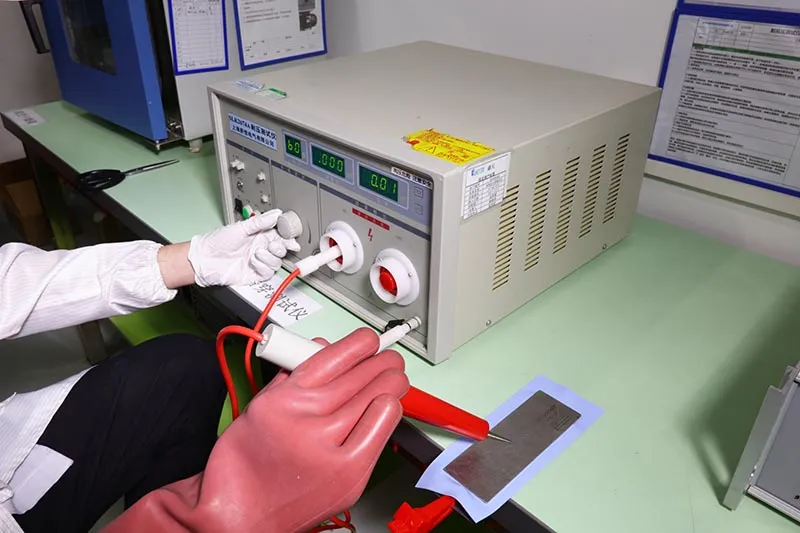
Electrical Strength
· Dielectric strength defines how much electric field a material can handle before failure.
· Breakdown voltage sets the upper safety boundary under real operating stress.
Resistance Characteristics
· Insulation resistance reflects how effectively leakage current is blocked.
· High volume resistivity supports long-term stability.
Surface Durability
· Arc resistance protects against high-energy discharge damage.
· Tracking resistance prevents carbonized paths forming on surfaces.
Design & Rating Considerations
· Match voltage rating with system load.
· Evaluate dielectric constant for signal-sensitive systems.
· Confirm long-term arc resistance under harsh environments.
Electrical and Thermal Insulating Materials used in switchgear, motors, and PCBs must balance safety with efficiency. Sheen Technology engineers materials that align dielectric strength, voltage rating, and insulation resistance so electrical systems stay stable, not sketchy.
The International Energy Agency noted in its 2025 electricity market update that grid modernization requires “higher performance insulation systems capable of handling rising voltage demand and system stress.”
That’s exactly where advanced electrical insulation steps up.
Thermal Insulation
Electrical and Thermal Insulating Materials in thermal roles work differently. The mission here is heat control, not current control. Thermal insulating materials slow down heat transfer and manage temperature swings.
Thermal Control Foundations
Conductivity Management
· Low thermal conductivity reduces energy loss.
· Higher R-value means better resistance to heat flow.
System Efficiency Metrics
· U-value helps evaluate overall heat transmission.
Environmental Stability
· Strong temperature resistance prevents degradation.
· Controlled thermal expansion avoids cracking.
· Built-in fire retardancy boosts safety.
Application Path
· Identify operating temperature range.
· Check compatibility with surrounding electrical insulating materials.
· Validate long-term temperature resistance and fire retardancy.
Electrical and Thermal Insulating Materials often work side by side in transformers, EV batteries, and industrial ovens. Sheen Technology develops integrated electrical and thermal insulating materials that manage both thermal conductivity and dielectric strength, keeping systems cool and electrically secure.
In short, electrical insulation blocks current. Thermal insulation controls heat. When combined correctly, Electrical and Thermal Insulating Materials create safer, longer-lasting equipment that just gets the job done.
Electrical and Thermal Insulating Materials Selection Roadmap
Electrical and Thermal Insulating Materials matter more than most teams expect. Pick the wrong electrical insulating material or thermal insulating material and things heat up, short out, or simply fail too soon. This roadmap keeps choices grounded in real-world stress, cost limits, and production needs, so Electrical and Thermal Insulating Materials work the way you need, not just on paper.
Define Your Application Environment
When selecting Electrical and Thermal Insulating Materials, start with the environment. No shortcuts here.
Core exposure factors
Operating temperature range
· Low-temperature brittleness risk
· High-heat aging above the Maximum operating temperature
Humidity levels
· Surface tracking under high moisture
· Impact on Surface resistivity
Chemical exposure
· Oils, acids, solvents
· Long-term swelling or cracking
UV radiation
· Vibration and shock
· Altitude
Then classify conditions:
· Continuous exposure
· Intermittent spikes
· Accidental overload events
A quick comparison helps narrow electrical and thermal insulating materials:
| Environment Factor | Low Risk Range | Moderate Risk | High Risk |
| Temperature (°C) | -20 to 60 | 60–120 | >120 |
| Humidity (%) | <50 | 50–85 | >85 |
| Chemical Contact | None | Splash | Immersion |
| UV Exposure | Indoor | Filtered | Direct |
| Vibration Level | Minimal | Medium | Severe |
Sheen Technology reviews these inputs early, preventing costly redesigns of Electrical and Thermal Insulating Materials later.
Assess Electrical Properties Requirements
Performance under voltage defines real safety margins.
Electrical stress profile
· Required Dielectric strength
· Minimum Volume resistivity
· Stable Surface resistivity in humid air
Field behavior
· Target Dielectric constant
· Acceptable Dissipation factor
· Resistance to arcing via Arc resistance
Now break it down:
· Determine system voltage.
· Add safety factor.
· Match with tested electrical insulating materials data.
If compact electronics are involved, electrical and thermal insulating materials must prevent leakage while handling heat buildup. Sheen Technology aligns lab data with real load conditions so Electrical and Thermal Insulating Materials don’t just pass tests—they last.
Evaluate Thermal and Mechanical Performance
Heat and force team up. Materials must keep shape and strength.
Thermal behavior
· Controlled Thermal conductivity
· Rated Maximum operating temperature
· Low Thermal expansion coefficient
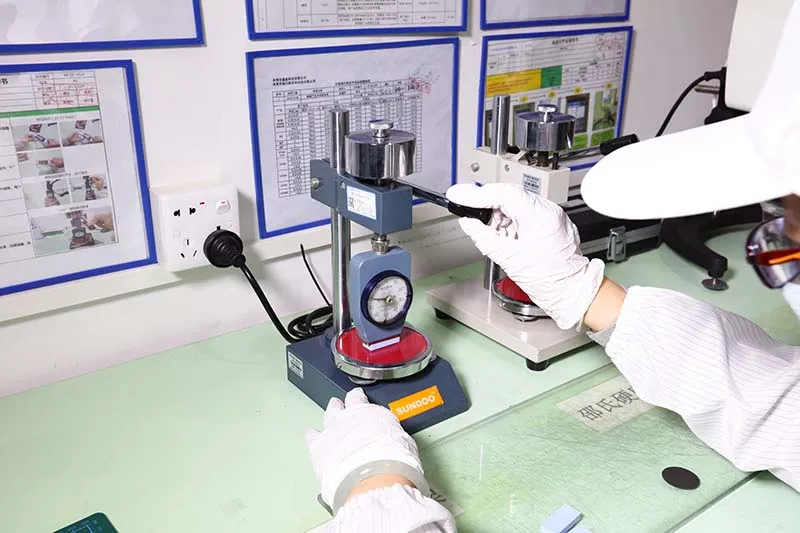
Mechanical durability
· Verified Tensile strength
· Stable Flexural strength
· Reliable Impact resistance
· Surface Hardness
In power modules, thermal insulating materials must move heat away while electrical insulating materials block current paths. That balance defines advanced Electrical and Thermal Insulating Materials used in EV systems and energy storage. Sheen Technology tests combined stress—heat plus vibration—because real life rarely isolates one variable.
Choose Processing Methods and Material Forms
Even great Electrical and Thermal Insulating Materials fail if processing is wrong.
Manufacturing alignment
· Compatible Molding techniques
· Precision Extrusion
· Protective Coating methods
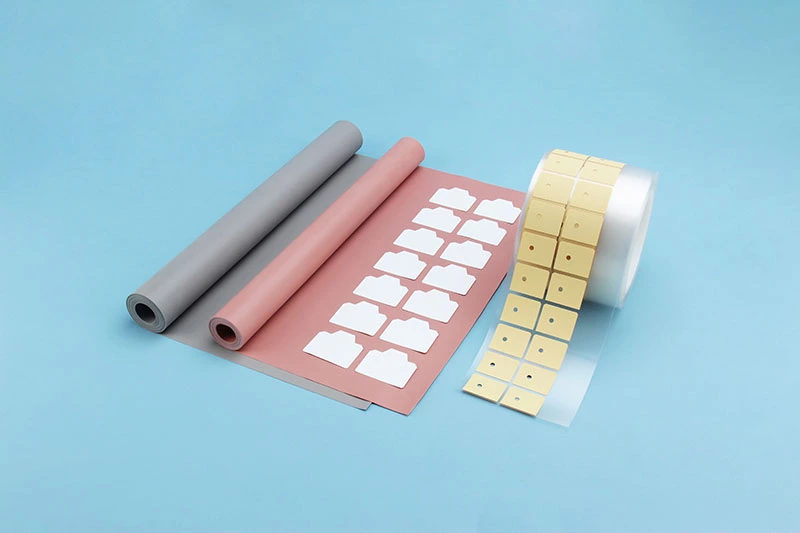
Form selection
· Sheet and film forms for layered insulation
· Rod and tube forms for bushings
· Powder forms for coatings
· Strong Adhesive properties for bonding
Follow this path:
· Confirm geometry complexity.
· Match with scalable production.
· Validate cost per unit.
From prototype to volume output, Sheen Technology supports tailored Electrical and Thermal Insulating Materials solutions that meet electrical, thermal, and manufacturing targets without driving costs through the roof.
4 Scenarios Demanding Insulation Safety Compliance
Electrical systems fail quietly before they fail loudly. That’s why Electrical and Thermal Insulating Materials matter more than most people realize. From power grids to heavy industry, the right electrical insulating materials and thermal insulating materials keep equipment stable, safe, and long-lasting. Let’s break it down.
High-Voltage Power Distribution
In high-voltage grids, performance is layered.
Electrical Integrity
Core Requirements
· High dielectric strength to withstand elevated breakdown voltage
· Strong insulation resistance to limit leakage currents
Surface Protection
· Superior arc resistance
· Reliable tracking resistance under polluted conditions
· Control of corona discharge in open-air substations
Material Selection Logic
· Evaluate operating voltage class
· Match with certified Electrical and Thermal Insulating Materials
· Verify long-term aging under load cycles
Power utilities rely on electrical insulation materials that don’t flinch under stress. Sheen Technology supplies engineered solutions built for grid-scale stability, not just lab ratings.
Extreme High-Temperature Processing
Heat changes everything. In steel mills, battery plants, and semiconductor furnaces, Electrical and Thermal Insulating Materials must hold form and function.
Thermal Endurance
· High maximum operating temperature rating
· Proven thermal stability during long cycles
· Controlled thermal conductivity for energy balance
Fire and Emission Control
· Built-in flame retardancy
· Low outgassing in sealed chambers
When heat resistance slips, equipment downtime skyrockets. Smart thermal insulating materials maintain dimensional control and prevent micro-cracks caused by expansion mismatch.
Moisture and Chemical Exposure
Harsh sites—coastal substations, chemical plants—push materials hard.
Environmental Barriers
· Low water absorption
· High chemical resistance and solvent resistance
· Stable permeability performance
Long-Term Stability
· Strong hydrolytic stability
· Enhanced corrosion resistance
Electrical and Thermal Insulating Materials used here must keep electrical properties steady even when humidity spikes. That’s where advanced electrical and thermal insulation systems earn their keep.
Vibration and Shock-Prone Equipment
Motors, rail systems, and heavy machinery shake nonstop.
Mechanical Durability
· High mechanical strength
· Reliable tensile strength
· Excellent impact resistance
Dynamic Performance
· Controlled flexibility
· Built-in vibration damping
· Surface-level abrasion resistance
Electrical insulating materials in moving equipment can’t be brittle. Sheen Technology designs Electrical and Thermal Insulating Materials that absorb stress instead of cracking under it.
When safety compliance is non-negotiable, material choice isn’t just technical—it’s mission-critical.
FAQs about Electrical And Thermal Insulating Materials
What materials perform best in high-voltage and high-temperature environments?
In high voltage and high temperature systems, material choice becomes critical:
Ceramics & Mica
· High dielectric strength
· Excellent arc resistance
· Stable thermal expansion under electrical stress
Epoxies & Polyimides
· Strong volume resistivity
· High glass transition temperature
· Reliable heat deflection temperature in motors and power electronics
Silicones & Fiberglass composites
· Moisture resistance for outdoor grids
· Vibration damping in rotating equipment
· Long operating temperature range under radiation exposure
When failure is not an option, engineers often turn to laminated sheets, prepregs, or molded parts that combine electrical insulation with mechanical endurance.
Which properties matter most when selecting Electrical and Thermal Insulating Materials?
Material selection balances three performance layers:
Electrical reliability
· Dielectric constant, surface resistivity, dissipation factor, and arc resistance define how safely current is contained under stress.
Thermal stability
· Thermal conductivity controls heat flow, while glass transition temperature and flammability rating protect against deformation or ignition.
Mechanical durability
· Tensile strength, flexural strength, compressive strength, and impact strength determine how well sheets, rods, or tubes survive vibration and load.
In harsh chemical resistance or moisture resistance conditions, even a small mismatch in properties can shorten service life dramatically.
How are insulating materials processed for industrial applications?
Electrical and Thermal Insulating Materials move from raw form to precision components through controlled methods:
· Molding & Curing — ideal for epoxies and polymers in complex housings or switchgear parts.
· Extrusion — produces continuous tubes and rods with consistent hardness and abrasion resistance.
· Lamination — bonds fiberglass, mica, or polyimides into high-strength sheets for transformers.
· Coating & Machining — refine films, liquids, or powders into thin insulation layers with tight tolerances.
The right processing route preserves dielectric strength and thermal expansion control, ensuring that performance on paper becomes performance in service.
Sheen Thermal
Dongguan Sheen Electronic Technology Co., Ltd · Founded in 2008
Manufacturer of thermal interface materials and silicone foam for automotive electronics, energy storage, power electronics, communications and consumer electronics.
Certified
- ISO 9001:2015
- ISO 14001:2015
- IATF 16949:2016
What we supply
- Thermal conductivity Up to 90 W/m·K
- Thickness 0.3–10.0 mm
- Custom & samples Die-cut to drawing, 3–7 days