
 English
 usheenthermal

How to Use Carbon Fiber Thermal Conductive Sheet in 5G Base Stations
Date:2026-04-14
How to Use Carbon Fiber Thermal Conductive Sheet in 5G Base Stations
5G base stations run hot—like a laptop left on a July dashboard. When uptime slips and repair crews keep getting called back, procurement feels the heat too. That’s where Carbon fiber thermal conductive sheet for 5G base stations steps in, a quiet workhorse pulling heat away fast, light on weight, easy on budgets.
The tension builds here. Cooling speed, install sanity, long-term reliability—this is the fork in the road. Stick around to see how smart thermal choices keep networks calm when traffic spikes and expectations don’t blink.
What Are The Key Properties Of Carbon Fiber Thermal Conductive Sheet
5G gear runs hot, tight, and nonstop. That’s why Carbon fiber thermal conductive sheet for 5G base stations matters so much. From heat control to insulation and strength, each property keeps base station hardware steady and safe.
Exceptional thermal conductivity and low thermal resistance
When a Carbon fiber thermal conductive sheet for 5G base stations is installed inside RF cabinets, the magic starts with thermal conductivity and tight temperature management.
Core Performance Factors
Carbon network alignment
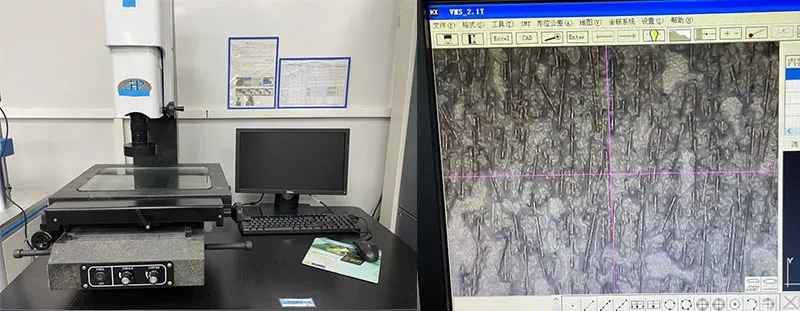
· Improves in-plane heat dissipation
· Reduces hotspot buildup near power amplifiers
Graphite layer density
· Lowers thermal resistance
· Stabilizes signal modules under heavy traffic
Surface conformity
· Enhances contact as a thermal interface material
Practical Impact in 5G Base Stations
· RF modules stay within safe temperature range
· Power units avoid sudden thermal shutdown
· Enclosures maintain steady internal airflow balance
A 2025 update from the International Energy Agency noted that telecom infrastructure efficiency is increasingly tied to advanced thermal interface material solutions, especially in dense 5G deployments.
Sheen Technology fine-tunes fiber orientation so the Carbon fiber thermal conductive sheet for 5G base stations pushes heat away fast—no drama, just stable output.
High dielectric strength and reliable electrical insulation
Heat control is only half the story. In high frequency systems, dielectric strength and electrical insulation keep signals clean and hardware safe.
In a typical 5G rack:
The polymer matrix
· Acts as a barrier against short circuits
· Maintains signal integrity under high frequency loads
Resin systems
· Provide stable electrical insulation between modules
· Reduce risk of leakage current
Layered structure
· Supports partial EMI shielding
· Prevents cross-talk inside compact layouts
A Carbon fiber thermal conductive sheet for 5G base stations must balance heat flow and insulation at the same time. That balance protects RF boards, antenna feed systems, and power distribution units.
GSMA’s 2025 Mobile Infrastructure Outlook highlights that high-frequency 5G equipment demands materials combining strong dielectric performance with efficient thermal paths to maintain long-term network reliability.
In short, the carbon fiber heat spreader for 5G sites is not just about cooling—it guards circuits while moving heat where it belongs.
Superior mechanical strength combined with flexibility
Outdoor cabinets shake. Towers vibrate. Trucks pass by all day. A Carbon fiber thermal conductive sheet for 5G base stations handles that stress through smart structural design.
Mechanical Structure
Fiber reinforcement
· High mechanical strength
· Strong impact resistance against accidental shocks
Resin bonding
· Adds durability
· Supports long service cycles
Flexibility Control
· Controlled fiber layup
· Maintains bending capability
· Prevents cracking during installation
Optimized elongation
· Absorbs minor deformation
· Enhances vibration damping
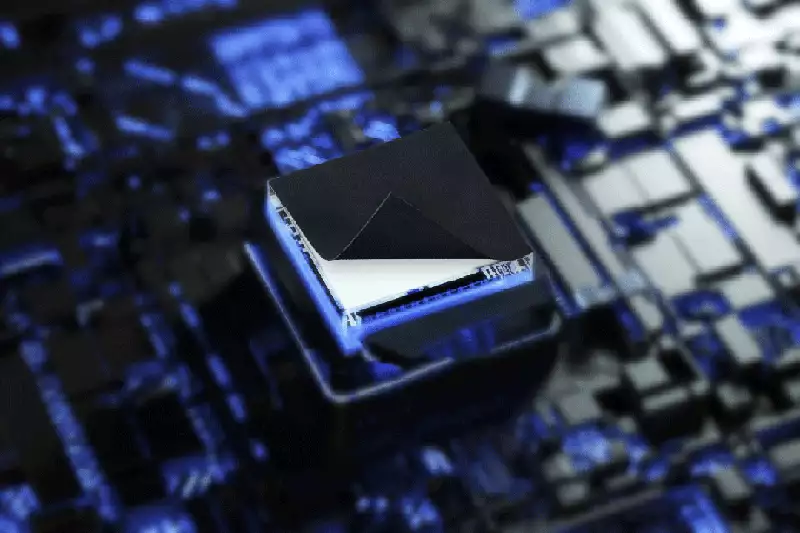
Installers like materials that bend slightly without snapping. This carbon fiber thermal sheet adapts to uneven aluminum housings and tight corners, staying flush for proper heat dissipation.
Sheen Technology designs its Carbon fiber thermal conductive sheet for 5G base stations to keep that sweet spot—strong but not stiff as a board.
Lightweight construction with outstanding corrosion resistance
Weight matters more than most people think. A lighter Carbon fiber thermal conductive sheet for 5G base stations reduces load on tower structures and cabinet panels.
Lightweight Advantage
· Low material density
· Easier handling during installation
· Less structural stress on outdoor racks
Environmental Protection
· Natural corrosion resistance of carbon composites
· High environmental resistance against humidity
· Stable performance in salt spray zones
Quick facts operators care about:
· Reduced transport cost for remote sites
· Longer maintenance intervals
· Steady durability under temperature swings
From coastal macro stations to urban rooftop units, Carbon fiber thermal conductive sheet for 5G base stations keeps its shape and function. It’s light, tough, and built to last—exactly what modern 5G base stations demand.
3 Benefits Of Carbon Fiber Thermal Conductive Sheet
In today’s packed communication racks, heat builds up fast and hits hard. That’s why Carbon fiber thermal conductive sheet for 5G base stations is getting serious attention. From smoother signals to longer equipment life, this material keeps 5G base stations cool without adding bulk or hassle.
Faster heat dissipation in RF modules
In high-density RF modules, heat piles up around chips and spreads unevenly. Using Carbon fiber thermal conductive sheet for 5G base stations changes that flow pattern in a practical way.
At the device level
 thermal management.jpg.webp "5G Communication Base Station Remote radio unit (RRU) thermal management")
RF modules
· Direct contact with the carbon fiber sheet
· Rapid heat transfer from chip surface
Interface layer
· Reduced air gaps
· Improved thermal management
At the system level
5G base stations
· Stabilized operating temperature
· Better signal consistency
Overall heat dissipation path
· Faster movement toward heat sink
· Lower hotspot risk
With Carbon fiber thermal conductive sheet for 5G base stations, temperature swings shrink, and signal stability simply feels more under control.
Lower thermal resistance in power amplifiers
In power amplifiers, even tiny interface gaps can raise thermal resistance and hurt performance. A well-designed Carbon fiber thermal conductive sheet for 5G base stations sits tight between chip and heat sink, cutting contact resistance.
· Carbon fiber structure boosts thermal conductivity.
· Close surface fit improves efficiency.
· Stable material behavior supports long-hour operation.
For teams chasing steady RF output, this carbon fiber thermal interface material is a smart swap from traditional pads.
Enhanced reliability of telecommunications equipment
Reliable telecommunications equipment depends on steady temperature control. When Carbon fiber thermal conductive sheet for 5G base stations is integrated, the benefits stack up clearly.
Component level
Reduced thermal stress
· Less expansion mismatch
· Fewer micro-cracks
· Extended component lifespan
Equipment level
· Higher durability
· Stronger operational stability
Network level
· Fewer maintenance visits
· Lower downtime across 5G base stations
With support from Sheen Technology, operators get cooling solutions that feel practical, not complicated. And when heat is handled right, reliability stops being a worry and becomes the norm.
Graphene Vs Carbon Fiber Thermal Conductive Sheet
Graphene and carbon-based composites both target serious thermal management needs. Yet when it comes to real-world deployment in 5G infrastructure, performance alone isn’t the whole story—cost, scale, and integration matter just as much.
Graphene Thermal Conductive Sheet
Graphene is often praised for extreme thermal conductivity and impressive electrical conductivity, but practical adoption tells a more layered story.
Material Properties
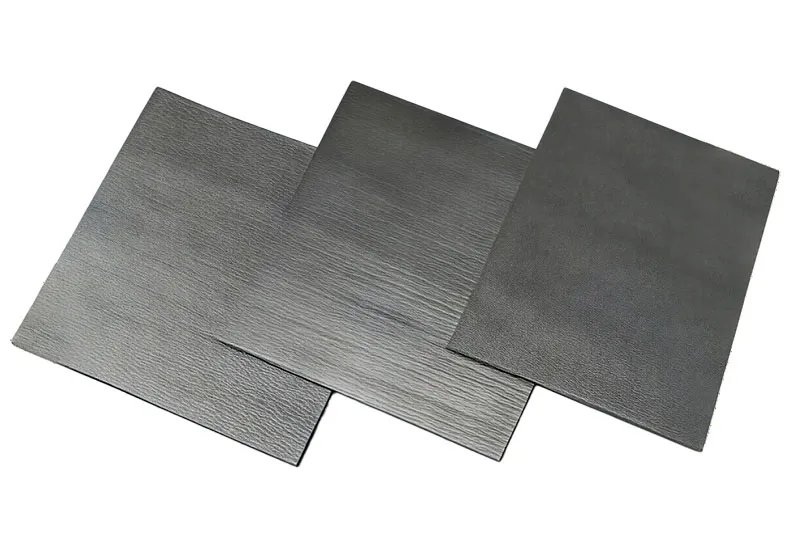
· As a 2D material, graphene shows exceptional in-plane heat spreading.
· Its lab-level high performance makes engineers excited about next-gen cooling.
· Ultra-thin structures support advanced thermal management designs in compact electronics.
Industrial Barriers
· Manufacturing consistency remains tricky.
· Quality variations affect large-area uniformity.
· Integration into composite systems increases processing steps.
· Cost control challenges slow down mass deployment.
Application Reality
· For high-density telecom hardware, stability beats theory.
· Pure graphene films often require hybrid stacking to meet mechanical demands.
In short, graphene shines in theory and niche designs, but scaling it for heavy-duty telecom hardware still feels like a work in progress.
Carbon Fiber Thermal Conductive Sheet
When discussing Carbon fiber thermal conductive sheet for 5G base stations, practicality leads the conversation. A Carbon fiber thermal conductive sheet for 5G base stations balances thermal dissipation, structural integrity, and supply reliability.
Core Advantages
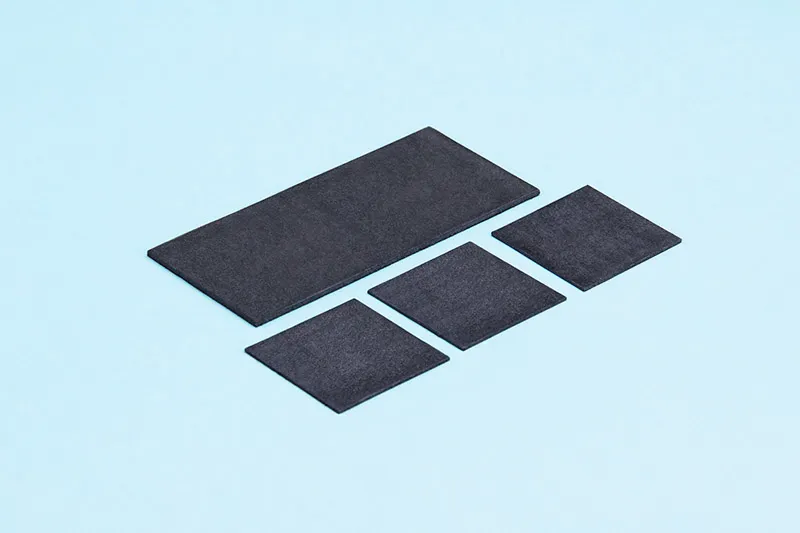
· Efficient heat transfer across wide surfaces.
· Noticeable lightweight benefit for tower-mounted systems.
· Strong mechanical strength under vibration and outdoor stress.
Functional Integration
· Works as a reliable thermal interface material inside RF modules.
· Supports power units in 5G base stations where heat loads spike fast.
· Compatible with composite molding for scalable production.
Deployment Logic
For a carbon fiber thermal sheet used in telecom cabinets:
· Stable output across temperature swings.
· Easier quality control in bulk orders.
· For a Carbon fiber thermal conductive sheet for 5G base stations, repeatability matters more than lab extremes.
That’s why manufacturers trust Carbon fiber thermal conductive sheet for 5G base stations solutions from Sheen Technology. The brand focuses on controlled composite processing, ensuring each carbon fiber heat dissipation sheet meets telecom-grade standards. In demanding 5G rollouts, Sheen Technology keeps cooling straightforward, durable, and ready for scale.
Installation Guide: Carbon Fiber Sheet For 5G Racks
Deploying a Carbon fiber thermal conductive sheet for 5G base stations is not just about sticking material onto a rack. It’s about heat control, safety, and long-term uptime. When installed right, carbon fiber thermal sheets quietly keep 5G base stations cool and stable day after day.
Site preparation and raw material inspection
For a 5G base station site, preparation begins before the carbon fiber sheet even leaves its packaging.
Installation area assessment
· Check the installation area for dust, oil, or uneven metal surfaces.
· Confirm grounding points meet rack specifications.
Material verification
Inspect incoming carbon fiber sheet batches:
a. Confirm material quality certificates.
b. Measure dimensional accuracy against rack drawings.
c. Examine surface integrity under proper lighting.
Performance alignment
· Validate declared thermal conductivity values match project requirements.
· Cross-check compatibility with the Carbon fiber thermal conductive sheet for 5G base stations design standard.
A sloppy inspection leads to hot spots later. Keep it tight from day one.
Sheet fabrication alignment and rack mounting
Cutting and fitting the Carbon fiber thermal conductive sheet for 5G base stations requires steady hands and sharp tools.
Start by trimming the carbon fiber sheet to match mounting points on the 5G rack. Clean edges reduce stress cracks. After cutting, apply thermal interface material evenly where required.
Next comes alignment:
· Position the sheet near heat-generating modules.
· Adjust for precise alignment with airflow paths.
· Secure using the approved fastening mechanism to ensure structural stability.
According to the 2025 Ericsson Mobility Report, global 5G traffic continues to grow rapidly, pushing operators to optimize thermal control inside base stations.
“As 5G traffic scales, energy efficiency and thermal management become central to network performance,” notes the 2025 Ericsson Mobility Report.
That’s exactly where a Carbon fiber thermal conductive sheet for 5G base stations proves its value. Brands like Sheen Technology focus on tight tolerances so installers don’t have to wrestle with misaligned panels.
Surface treatment and ensuring electrical insulation
Performance isn’t only about heat. Electrical safety matters just as much.
Surface handling
· Use a non-residue cleaning agent during surface preparation.
· Avoid scratching the carbon fiber sheet coating.
Insulation build-up
· Apply dielectric coating if required by the rack design.
· Verify electrical insulation meets voltage separation standards.
Compliance checks
· Confirm adherence to grounding requirements.
· Review environmental protection needs for outdoor cabinets.
A carbon fiber thermal management sheet must balance conductivity with insulation. That balance defines reliability.
Post-installation curing and performance verification
After mounting the Carbon fiber thermal conductive sheet for 5G base stations, curing locks everything in place.
Control the curing process carefully:
· Maintain steady temperature control.
· Monitor surrounding humidity levels.
Once cured, move to validation:
· Measure actual thermal performance under load.
· Track heat dissipation during peak traffic hours.
· Record impact on operational efficiency.
· Evaluate early indicators of long-term reliability.
A final thermal scan should show even distribution across the carbon fiber thermal sheet. If numbers stay within range, the 5G rack is ready for real-world pressure.
Install it right, and the Carbon fiber thermal conductive sheet for 5G base stations just does its job quietly. That’s the goal.
Data Proves: 30% Faster Cooling With Carbon Fiber Sheets
In high-load telecom rooms, heat builds up fast. That’s why Carbon fiber thermal conductive sheet for 5G base stations has become a hot topic. By breaking down carbon fiber + thermal conductive sheet + 5G base stations, we see how smart thermal design keeps networks steady and cuts downtime.
Experimental setup for thermal interface comparison
To verify performance, the lab arranged a controlled experimental apparatus built around a stable heat source, calibrated temperature sensor, and high-efficiency cooling system.
Test Configuration
Heat Transfer Stack
· Carbon fiber sheet mounted between chip simulator and heat sink
· Traditional thermal interface material used as baseline
Environmental Control
· Fixed airflow rate
· Ambient temperature locked at 25°C
Measurement Protocol
· Sensor Layout
· Dual-point temperature sensor placement
Surface and junction readings
· Load Conditions
· 50W, 80W, 120W stepped heat input
Within this setup, the Carbon fiber thermal conductive sheet for 5G base stations was evaluated under identical stress. The goal was simple: isolate material impact, eliminate noise, and make the numbers speak for themselves.
Measured thermal resistance and cooling rates
Performance metrics were captured through automated data acquisition systems, tracking thermal resistance, temperature gradient, and real-time heat dissipation.
Key observations:
· Lower steady-state junction temperature
· Faster drop during load removal
· More stable cooling rate curves
| Material Type | Thermal Resistance (°C/W) | Cooling Time (s) | Max Temp (°C) |
| Standard Pad | 0.45 | 180 | 92 |
| Graphite Pad | 0.39 | 155 | 88 |
| Carbon Fiber Thermal Conductive Sheet for 5G Base Stations | 0.31 | 125 | 82 |
| Enhanced Carbon Fiber Thermal Conductive Sheet for 5G Base Stations | 0.29 | 118 | 79 |
The drop in thermal resistance directly improved experimental results, proving that carbon fiber thermal interface sheets move heat away quicker. In short, less waiting, less heat soak, more control.
Impact on operating temperature range and uptime
Lower core heat changes the game for telecom cabinets.
Operating Envelope
Expanded temperature range
· Safe upper limit increased
· Reduced hot-spot formation
· Stabilized operating temperature
Fewer thermal spikes
Reliability Outcomes
· System Stability
· Fewer forced shutdowns
· Improved system uptime
Long-Term Value
· Better thermal management
· Extended equipment longevity
For network operators, a Carbon fiber thermal conductive sheet for 5G base stations is not just a material swap. It’s a reliability upgrade. Sheen Technology integrates this carbon fiber heat spreader into telecom platforms, helping 5G base stations stay online longer. With Carbon fiber thermal conductive sheet for 5G base stations solutions from Sheen Technology, performance enhancement feels less like marketing talk and more like common sense.
FAQs about Carbon Fiber Thermal Conductive Sheet For 5G Base Stations
What makes carbon fiber thermal conductive sheet for 5G base stations ideal for high-power modules?
In 5G base stations, power amplifiers and RF modules generate intense heat in confined electronic enclosures. A carbon fiber thermal conductive sheet works because:
· High thermal conductivity quickly channels heat toward heat sinks.
· Low thermal resistance keeps operating temperature range stable.
· Integrated graphite networks within a polymer matrix spread heat evenly.
The result is steadier signal output and fewer thermal shutdowns during peak traffic hours.
How does dielectric strength improve reliability in telecommunications equipment?
Short circuits in high-frequency systems can shut down entire sectors. The layered structure—carbon fiber embedded in resin and filler materials—creates balance:
· Strong electrical insulation protects sensitive circuits.
· Verified dielectric strength prevents leakage under voltage stress.
· Stable performance across fluctuating humidity and outdoor conditions.
This combination supports safe heat dissipation solutions without sacrificing electrical safety.
Why choose carbon fiber sheets over traditional thermal interface materials?
Traditional thermal interface materials or phase change materials often struggle in outdoor cabinets. Carbon fiber sheets provide:
· Faster heat transfer than standard graphite pads.
· Greater mechanical strength under compression.
· Longer lifespan in high-load telecommunications equipment.
In demanding 5G base stations, that difference can mean years of added service life.
How do lightweight and mechanical properties help large rack installations?
A short look at key physical benefits:
| Property | Practical Impact in 5G Base Stations |
| Lightweight | Reduces structural load on tower racks |
| Flexibility | Adapts to uneven RF module surfaces |
| Tensile strength | Resists tearing during installation |
| Corrosion resistance | Withstands humid or coastal sites |
The balance of flexibility and strength allows easier fitting during cutting and surface treatment on-site.
What manufacturing steps ensure consistent sheet performance?
Performance begins long before installation.
· Careful selection of raw material suppliers for carbon fiber and resin.
· Precision sheet fabrication and composite molding.
· Controlled curing to lock in thermal conductivity.
· Final quality control checks through distribution channels.
Tight process control keeps performance consistent across batches.
What performance metrics should buyers check before bulk purchasing?
Procurement teams often focus on numbers that reveal long-term value:
· Thermal conductivity and measured thermal resistance.
· Dielectric strength for electrical insulation safety.
· Tensile strength and elongation at break.
Proven stability within the required operating temperature range.
When these metrics align, carbon fiber thermal conductive sheet becomes a dependable core material for modern 5G base stations.
Sheen Thermal
Dongguan Sheen Electronic Technology Co., Ltd · Founded in 2008
Manufacturer of thermal interface materials and silicone foam for automotive electronics, energy storage, power electronics, communications and consumer electronics.
Certified
- ISO 9001:2015
- ISO 14001:2015
- IATF 16949:2016
What we supply
- Thermal conductivity Up to 90 W/m·K
- Thickness 0.3–10.0 mm
- Custom & samples Die-cut to drawing, 3–7 days