
 English
 usheenthermal

Stop Oil Bleeding: The Case for Switching to Silicone Free Thermal Pads
Date:2026-03-14
Stop Oil Bleeding: The Case for Switching to Silicone Free Thermal Pads
Silicone free thermal pads don’t make headlines—until a little oil bleed quietly wrecks a big contract. One minute your power module is humming along; the next, there’s ghosting on lenses, creeping contamination on contacts, and heat that won’t behave. It’s like a slow coffee spill inside your device—doesn’t look dramatic, but it spreads, stains, and costs real money. For OEM buyers staring down tighter thermal loads and zero failure mandates, that drip is a deal breaker.
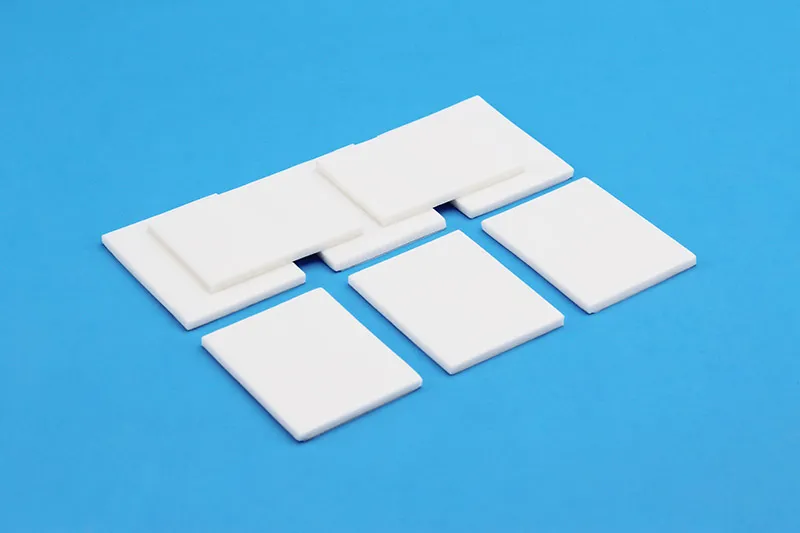
“Oil migration is a long term reliability risk we can’t ignore in high density assemblies,” notes a senior materials engineer at Sheen Electronic Technology in a 2025 supplier briefing.
As 2025 thermal management reports point to rising power densities in EV electronics and AI hardware, stability isn’t a bonus—it’s table stakes. This is where the story turns.
Stop Oil Bleeding Now: Why Silicone Free Thermal Pads Save You
Oil bleeding can quietly ruin boards, stain components, and drag down performance. That’s why silicone free thermal pads are getting serious attention. By rethinking filler systems and matrix design, silicone free, thermal pads, and truly silicone free thermal interface pads keep devices cool without the messy side effects.
Thermal Conductivity Breakthrough with Ceramic Fillers
When it comes to Thermal conductivity and real-world Heat dissipation, material design matters.
Material Core: Ceramic fillers
• Aluminum oxide improves Thermal conductivity within the Thermal interface material.
• Fine particle distribution lowers contact resistance.
Performance enhancement Path
• Reduced hot spots in MOSFETs
• Stable output in power modules
• Cleaner surfaces without oil migration
Operating Temperature Range Extended by Boron Nitride Matrix
The magic sits inside the Material matrix. With Boron nitride, high Operating temperature limits stretch far beyond typical pads.
• Stable structure at 200°C
• No phase separation
• Long-term Thermal stability
In automotive ECUs and LED drivers, silicone free thermal pads hold shape under stress. High-temperature performance stays consistent, and durability improves. A non silicone thermal pad built on this matrix doesn’t sweat under pressure. Brands like Sheen Electronic Technology push this design further, delivering silicone free thermal pads that survive heat cycling without cracking or fluid seepage.
Flame Retardancy and Dielectric Strength Combined
Safety isn’t optional; it’s baked into the Material properties.
Flame retardancy
• Meets UL94 V-0 targets
• Slows ignition spread
Dielectric strength
• High breakdown voltage
• Reliable Electrical insulation
Circuit protection
• Guards against short circuits
• Supports long-term Reliability
For telecom racks and industrial drives, silicone free thermal pads deliver insulation and cooling in one slim layer. Sheen Electronic Technology integrates flame control with strong Dielectric strength, so systems stay protected without oil bleed headaches.
That’s the upside of choosing silicone free thermal pads—clean boards, steady temps, and safer power electronics.
Can Silicone Free Thermal Pads Stop Oil Bleeding?
Oil bleed can wreck boards, stain housings, and mess with contact surfaces. That’s why silicone free thermal pads are getting serious attention. By tweaking chemistry, fillers, and hardness, modern thermal pad design keeps oil migration in check while holding tight under heat.
How Polymer Matrix Composition Halts Oil Migration
Polymer Matrix design in silicone free thermal pads
Composition
• Acrylic or polyurethane networks with tight Chemical Structure
• Dense crosslinking reduces free volume
• Limits internal fluid mobility tied to Fluid Dynamics
Material Science control
• Balanced filler-to-resin ratio
• Low volatile content to suppress outgassing
Oil Migration control path
• Lock base oils inside the Polymer Matrix
• Reduce capillary channels inside the pad
• Maintain integrity during thermal cycling in high-power devices
With well-engineered silicone free thermal pads, oil stays put. No greasy residue. No pump-out. Sheen Electronic Technology fine-tunes the matrix so the pad stays stable even after long burn-in tests.
Do Graphite Particles Improve Compressibility and Seal?
Graphite Particles inside a Thermal Interface Material
Particle Size
• Micro-scale flakes increase surface contact
• Fill micro gaps between chip and heatsink
Filler Material alignment
• Enhances Compressibility
• Supports Seal Integrity
Functional outcome in silicone free thermal pads
• Better conformity under clamping force
• Fewer leakage paths
• Stable thickness after repeated compression
High-quality silicone free thermal pads from Sheen Electronic Technology use engineered graphite blends, boosting both thermal flow and sealing power. It’s a clean, non silicone thermal pad solution that just works.
What Role Does Material Hardness Play in Leak Prevention?
Material Hardness tuning in thermal pads
Shore Hardness range selection
• Too soft → excess Deformation
• Too hard → poor surface wetting
Optimized mid-range hardness
• Maintains Contact Pressure
• Controls mechanical creep
• Leak prevention logic
• Stable structure resists oil displacement
• Reduced stress relaxation
• Consistent interface thickness over time
Well-balanced silicone free thermal pads hold shape without squeezing out internal components. Sheen Electronic Technology tests hardness against real assembly loads, making sure silicone free thermal pads stay reliable in consumer electronics where space is tight and heat is high.
5 Reasons Silicone Free Thermal Pads Prevent Oil Leaks
Heat and oil leaks don’t mix well in power electronics. That’s why silicone free thermal pads are getting so much attention. By rethinking thermal management, these silicone free, thermal, and pad-based solutions keep devices cooler, cleaner, and way more stable over time.
1 – Enhanced Thermal Conductivity Lowers Fluid Viscosity
When heat builds up, oil inside components thins out. Lower Fluid Viscosity means higher risk of seepage. Silicone free thermal pads tackle this at the source.
Thermal Conductivity improves Heat Dissipation
• Faster heat transfer from MOSFETs and power modules
• Stable Temperature Control under continuous load
• Reduced hot spots in dense PCB layouts
Better Thermal Management leads to:
• Controlled internal oil expansion
• Less pressure on seals
• Lower chance of oil bleed
Performance Snapshot
| Material Type | Thermal Conductivity (W/m·K) | Oil Bleed Risk Level |
| Standard Silicone Pad | 1.0 – 5.0 | Medium |
| Enhanced Silicone Pad | 5.0 – 15.0 | Medium-High |
| Silicone Free Thermal Pads | 1.0 – 10.0 | Low |
By keeping temperatures steady, silicone free pad materials reduce stress on internal fluids. Simple physics. Cooler systems leak less.
2 – Electrical Insulation via Aluminum Oxide Fillers
Good cooling means nothing without safety. That’s where Aluminum Oxide as a Filler Material steps in.
Here’s how it works:
• The ceramic particles boost Dielectric Strength.
• The structure maintains strong Electrical Insulation even at higher loads.
• The result is a reliable Thermal Interface Material ready for strict Safety Standards.
In real-world devices:
• Medical power supplies need stable isolation.
• Telecom base stations demand consistent insulation.
• Automotive controllers can’t risk short circuits.
Silicone free thermal pads filled with aluminum oxide deliver insulation without the silicone oil migration seen in traditional pads. That’s a win for sensitive circuits and long-term reliability.
3 – UL Certification Ensures Outgassing Control
Outgassing sounds minor, but trapped vapor can mess up optics, contacts, and coatings.
Compliance covers:
• Flame resistance
• Controlled Outgassing levels
• Reduced Vapor Emission
Controlled Material Purity supports:
• Higher Reliability
• Stronger Component Protection
• Cleaner enclosed environments
Inside sealed power modules:
• Less vapor buildup
• Lower contamination risk
• Longer service life
Silicone free thermal pads reduce silicone-based residue, helping designers avoid the oily film sometimes found in aging electronics. Cleaner boards. Fewer surprises.
4 – Custom Shapes and Adhesive Backing for Secure Fit

A pad that shifts under vibration? That’s trouble waiting to happen.
Here’s the practical flow:
• Start with Custom Shapes tailored to your heat source.
• Add precision die-cutting for tight tolerances
• Apply Adhesive Backing for a Secure Fit.
• Install with minimal repositioning.
• Maintain steady contact during shock and vibration.
This setup improves:
• Application Flexibility across irregular layouts
• Reliable Mounting Solutions in compact housings
• Everyday Ease of Use for assembly teams
Brands like Sheen Electronic Technology design silicone free thermal pads that stay put, reducing mechanical movement that could push oil toward weak sealing points.
5 – RoHS Compliance and Volume Resistivity Advantages
Regulations matter. So does performance.
Under Environmental Regulations:
• RoHS Compliance restricts hazardous substances
• REACH alignment improves Material Safety
On the electrical side:
• High Volume Resistivity supports insulation integrity
• Stable Electrical Properties prevent leakage currents
• Consistent Performance Standards across batches
In layered assemblies:
• Base layer: aluminum heat sink
• Middle layer: silicone free thermal interface
• Top layer: active semiconductor
When silicone free thermal pads sit between these layers, oil migration risk drops, and insulation remains steady over time.
Sheen Electronic Technology continues refining silicone free, thermal pad solutions that meet compliance demands without sacrificing cooling power. For engineers tired of oil bleed headaches, that’s honestly a breath of fresh air.
Silicone Vs Oil-Free Thermal Pads: Which Wins?
When heat builds up, components complain fast. Choosing between silicone and silicone free thermal pads isn’t just technical talk—it affects performance, cleanliness, and long-term reliability in real devices.
Silicone Thermal Pads
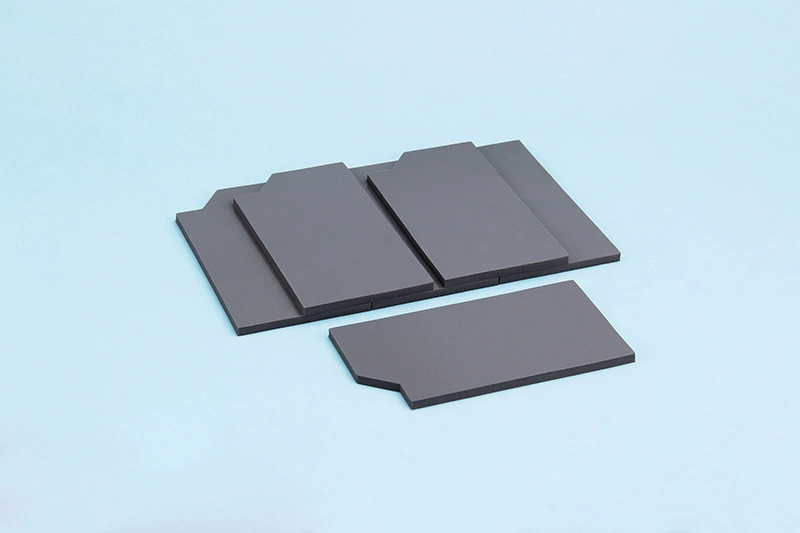
Silicone-based pads remain common in thermal management, especially where flexibility matters. Their structure supports heat dissipation, but there are trade-offs that engineers can’t ignore.
Core Material Characteristics
Thermal conductivity
• Typically stable across mid-range temperatures
• Supports steady temperature management in consumer electronics
Mechanical Behavior
• High compressibility
• Good surface wetting for uneven substrates
Electrical Properties
• Reliable electrical insulation in power modules
Performance Under Stress
• High-temperature exposure
• Release of silicone oil over time
Risk of outgassing
• Possible component degradation in sealed systems
• Long-duration cycling
• Gradual performance drift
Practical Considerations
✔ Easy installation
✔ Cost-effective
✘ Potential contamination in precision control systems
In short, silicone pads handle everyday loads well, yet in tightly sealed industrial setups, oil bleed can become a quiet troublemaker.
Oil-Free Thermal Pads
Now let’s talk about silicone free thermal pads—also known as silicone-free formulation pads or oil-free thermal interface material solutions. These are built for cleaner environments and stricter reliability targets.
Material Engineering
Base Structure
• Advanced polymer matrix
• No free silicone oil content
Processing
• Controlled curing
• Designed for reduced oil bleed
Performance Advantages
• Clean Operation
• Improved cleanliness in optical and control units
Stability
• Enhanced long-term stability under heat aging
Output
• Consistent high performance
• Strong reliability in industrial drives
Application Fit
• Industrial control cabinets
• Automotive power modules
• Medical electronics
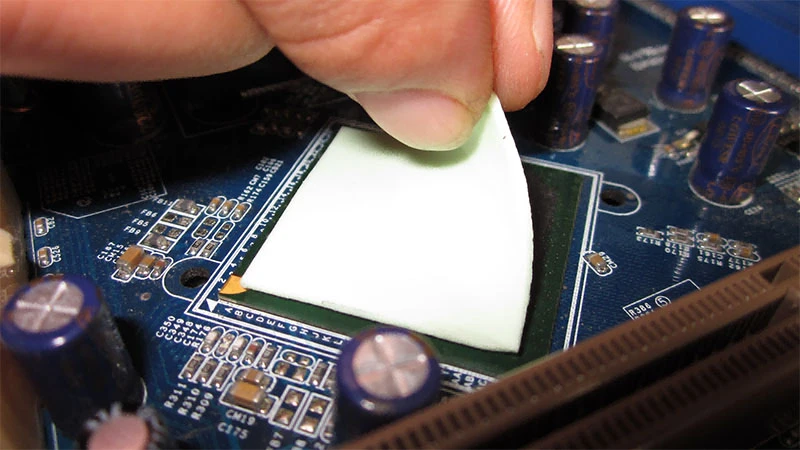
Silicone free thermal pads shine where contamination simply isn’t acceptable. For buyers searching for silicone free, thermal pads that balance conductivity and durability, this category keeps things tidy and dependable.
At Sheen Electronic Technology, silicone free thermal pads are engineered for serious uptime. The brand focuses on stable thermal conductivity, cleaner assemblies, and longer service life. When performance and cleanliness both matter, Sheen Electronic Technology positions its silicone free thermal pads as a smarter pick for demanding systems.
So, which wins? In relaxed environments, silicone works fine. In precision, high-reliability setups, silicone free thermal pads usually take the crown.
Stop Downtime: Silicone Free Pads Solution
Downtime kills momentum. That’s why silicone free thermal pads are getting serious attention in electronics assembly. From faster lamination to lower maintenance, these silicone free, thermal management pads keep lines moving.
Rapid Curing and Lamination for Faster Assembly
When curing time drops, output climbs. With silicone free thermal pads, production feels smoother and less rushed.
Material Stage
• Control of material properties ensures stable thickness.
• Optimized lamination process supports clean bonding.
Process Stage
• Fine-tuned process optimization improves assembly speed.
• Reduced bubbles during lamination increase throughput.
Output Stage
• Consistent calendering
• Faster roll-to-sheet conversion
• Reliable batch repeatability
At Sheen Electronic Technology, silicone free thermal pads are engineered for tight tolerance control, so silicone free pad lamination stays predictable even at high volume.
Reduced Maintenance in Power Electronics Applications
In power electronics, heat never takes a break. Silicone free thermal pads keep thermal management steady and clean.
Lower contamination risk
• Stable component reliability
• Real downtime reduction
That means better application performance and longer longevity. Non-silicone thermal pads also reduce cleaning cycles in automotive inverters and charging modules. Less mess. Less stress.
Supplier Testing Services and Quality Control
Quality isn’t luck; it’s built in.
Thermal cycling
• Compression set checks
• Adhesion strength validation
Batch traceability
• Incoming raw material audits
• Ongoing reliability testing
Verified product consistency
• Certified supplier qualification
• Documented performance validation
Sheen Electronic Technology backs every shipment of silicone free thermal pads with lab data and sample support. If you’re scaling up, silicone free thermal pads with strict QC make sure production doesn’t slow down halfway.
High-Temp Devices: Silicone Free Pads in Action
High-heat devices push materials hard, and that’s where silicone free thermal pads really show their value. From bright LEDs to rugged automotive modules, silicone free, thermal pads, and advanced thermal management keep systems cool without messy oil bleed.
LED Lighting: High-Temp Roll Formats Prevent Degradation
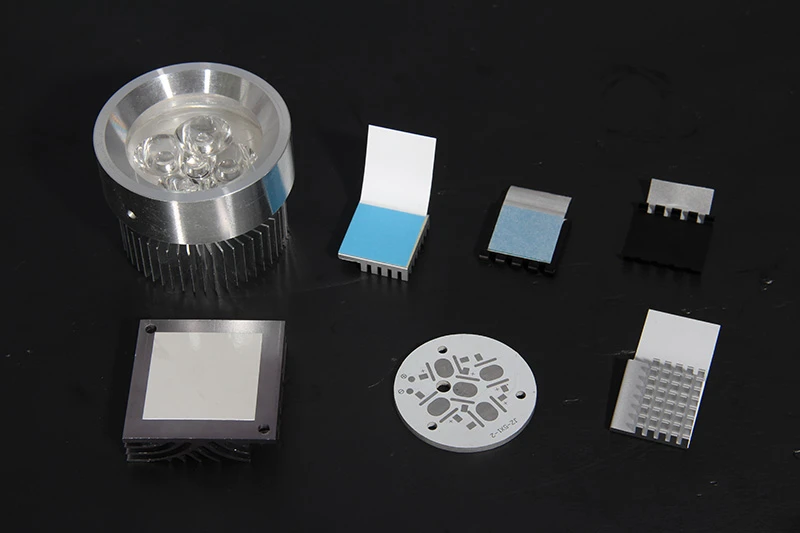
In high-output LED assemblies, heat builds fast. Stable roll format materials made from silicone free thermal pads help stop thermal breakdown and oil migration.
Core Performance in LED Lighting
• High Temperature stability above 150°C
• Reliable Degradation Prevention under long-hour use
• Clean interface—no silicone contamination
Material Design
• Polymer matrix engineered for Thermal Management
• Maintains conductivity over time
• Resists pump-out in vertical fixtures
• Controlled compression set
• Keeps surface contact tight
Application Value
• High-lumen street lighting
• Industrial bay lights
• Outdoor flood systems
The International Energy Agency noted in its 2025 lighting update that solid-state lighting now represents over 60% of global lighting sales, with thermal control remaining “a decisive factor in long-term lumen maintenance.”
Brands like Sheen Electronic Technology supply silicone-free pad solutions in roll form, making large-scale fixture production smoother and cleaner.
Automotive Electronics: Die-Cut Pads with Wide Temperature Range
Inside Automotive Electronics, space is tight and heat swings are wild. That’s where die-cut silicone free thermal pads step up.
Why engineers prefer them:
• Wide Wide Temperature Range tolerance
• Strong vibration resistance
• Improved module Reliability
Battery management systems
• On-board chargers
• ADAS control units
Performance Snapshot for Thermal Interface Material in Vehicles
| Property | -40°C | 25°C | 125°C | 150°C |
| Thermal Conductivity (W/m·K) | 3.0 | 3.2 | 3.1 | 3.0 |
| Volume Resistivity (Ω·cm) | 10¹³ | 10¹³ | 10¹² | 10¹² |
| Compression Set (%) | 5 | 8 | 12 | 15 |
| Oil Bleed | None | None | None | None |
With thermal pads that are fully silicone-free, contamination risks drop. Sheen Electronic Technology supports custom die-cut parts tailored to each control module layout.
Industrial Control Systems: Slitting and Molding for Custom Fits
In Industrial cabinets and Control Systems, fit matters as much as performance. Off-the-shelf rarely works.
Customization Path
Slitting
• Adjust roll width
• Match heat sink geometry
Molding
• Shape around transformers
• Integrate mounting holes
Thickness Control
• 0.5 mm to 5 mm options
• Resulting Precise Fit
Balanced compressibility
• Stable Performance under load
• Long service life in 24/7 operation
A silicone-free thermal interface pad keeps contacts clean, especially near relays and sensitive boards. Silicone free thermal pads from Sheen Electronic Technology are built for this grind—tight tolerances, steady conductivity, and no messy residue.
FAQs about Silicone Free Thermal Pads
How do silicone free thermal pads stop oil bleeding in high-heat systems?
Silicone free thermal pads rely on material science, not hope.
1) Inside the structure
• A tightly bonded polymer matrix (acrylic based or polyurethane based) limits fluid migration.
• High-loading ceramic fillers such as aluminum oxide and boron nitride create stable thermal pathways.
• Controlled material hardness and compressibility reduce pump-out under vibration.
2) During operation in power electronics and automotive electronics
• Low outgassing protects sensitive components.
• Stable thermal conductivity lowers thermal impedance.
• High volume resistivity and surface resistivity preserve electrical insulation.
The result: cleaner assemblies, longer service life, fewer maintenance interruptions.
Why are large OEM buyers shifting to silicone free thermal pads?
In LED lighting, telecommunications equipment, and industrial control systems, small failures scale fast.
Performance & Compliance Snapshot
| Key Factor | Practical Impact |
| Thermal conductivity | Faster heat transfer, lower hot spots |
| Dielectric strength | Safer isolation in dense circuits |
| Flame retardancy (UL certification) | Added fire safety assurance |
| RoHS & REACH compliance | Easier global market access |
| Low thermal impedance | Stable output over time |
Beyond data sheets, buyers value:
• Predictable lead times
• Strong quality control and testing services
• Global distribution with responsive technical support
Consistency reduces risk across thousands of units.
What customization and manufacturing processes ensure consistent quality?
Performance begins long before installation.
Manufacturing chain
Compounding → extrusion or calendering → curing → slitting → lamination or molding
Each stage controls thickness, filler dispersion (graphite particles or boron nitride), and final operating temperature range.
Available formats for consumer electronics and medical devices
• Die-cut pads
• Sheets and rolls
• Custom shapes with varying thicknesses
• Adhesive backing or non-adhesive options
With sample availability and customization capabilities, engineers test before committing to volume. That early validation often decides long-term reliability.
Sheen Thermal
Dongguan Sheen Electronic Technology Co., Ltd · Founded in 2008
Manufacturer of thermal interface materials and silicone foam for automotive electronics, energy storage, power electronics, communications and consumer electronics.
Certified
- ISO 9001:2015
- ISO 14001:2015
- IATF 16949:2016
What we supply
- Thermal conductivity Up to 90 W/m·K
- Thickness 0.3–10.0 mm
- Custom & samples Die-cut to drawing, 3–7 days