
 English
 usheenthermal

Solving High-Heat Insulation Needs With Punchable Boron Nitride Sheets
Date:2026-07-02
Solving High-Heat Insulation Needs With Punchable Boron Nitride Sheets
Heat is eating your margins, and Punchable boron nitride sheets step in as the fix—cutting thermal drag, speeding builds, and keeping high-power electronics from choking under pressure.
In a 2025 brief, Sheen Technology engineers state, “BN sheets maintain dielectric strength while spreading heat under load,” supporting yields and steadier production.
That’s the hook: less scrap, faster punching, longer life. Keep to see specs, comparisons, and where this material pays off.
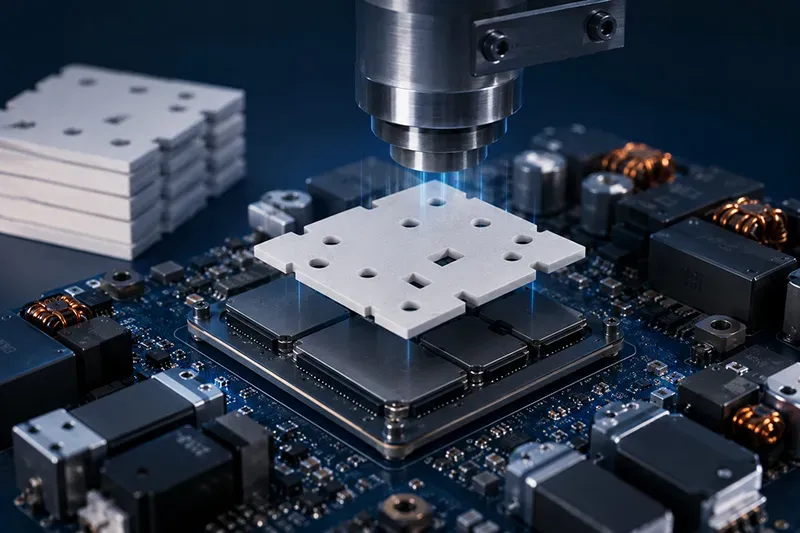
Lyrical Highlights: Punchable Boron Nitride Sheets Unveiled
➔ Thermal Mastery: Exceptional conductivity and heat dissipation reduce hotspots, boosting reliability in power modules and LEDs.
➔ Dielectric Excellence: High strength and low constant enable stable performance in high-frequency circuits and semiconductor packaging.
➔ Precision Machinability: Optimized density and purity deliver smooth punchability, minimal material waste, and rapid die cutting.
➔ ROI Acceleration: Uniform heat spread improves yields, lowers scrap, and cuts downtime, while chemical resistance extends material lifetime.
Punchable Boron Nitride Sheet Specs
Punchable boron nitride sheets sound technical, yet the idea is simple: stable, clean, heat-moving insulation you can punch and shape without drama. When engineers talk about punchable boron nitride sheets, boron nitride punch sheets, or BN punchable sheets, they usually mean one thing—steady performance under pressure, heat, and high frequency.
Thickness, Density, and Purity Standards
For Punchable boron nitride sheets, physical specs start with measurable basics:
· thickness
· density
· purity
1)Standard material standards define acceptable ranges.
2)Verified BN content ensures consistent insulation.
3)Tight manufacturing tolerances protect dimensional stability.
A typical selection path looks like this:
· Mechanical:Target thickness (e.g., 0.1–2.0 mm)、Controlled density for rigidity.
· Chemical:High purity (>95% BN)、Stable BN content batch to batch.
· Quality Control:In-process inspection、Final tolerance validation.
Short takeaway: stable structure, predictable machining, less scrap. That’s why Sheen Technology keeps tight control over raw powder grading and sheet forming.
Thermal Conductivity and Heat Dissipation Levels
Heat is the real test. Good thermal conductivity means better heat transfer and smoother heat dissipation in power modules.
· High thermal conductivity lowers thermal resistance.
· Lower operating temperature extends component life.
· Stable thermal management handles high temperature spikes.
Performance logic flows like this:
· Heat source generates load.
· BN sheet spreads heat.
· Interface moves it to a heat sink.
· System stabilizes below critical operating temperature.
Gartner’s 2025 electronics packaging outlook notes that thermal management remains a top design priority as power density keeps rising in compact devices.
Sheen Technology Boron Nitride Thermal pad performance properties:
| Properties | Unit | SF1600-BN-sp-03(0.3mm) | Test Method |
| Color | - | White | Visual |
| Thermal Conductivity | W/m·K | 16 | ASTM D5470 |
| Thermal Resistance (@40psi) | ℃*cm2/W | ≤0.3 | ASTM D5470 |
| Application temperature | ℃ | -40~150 | - |
| Thermal weight loss rate | % | ≤1 | - |
| Thickness | mm | 0.2~5.0 | ASTM D374 |
| Breakdown voltage | KV,@AC | ≥4 | ASTM D149 |
| Dielectric constant | F/m, @ 1MHz | ≤4.2 | ASTM D150 |
| Volume resistivity | Ω*cm, @250V | ≥1013 | ASTM D257 |
| Rebound rate | % | ≥90 | - |
| Density | g/cm³ | 1.6±0.2 | ASTM D792 |
| Hardness | shore 00 | 60~80 | ASTM D2240 |
| Flammability rating | - | V-0 | UL 94 |
That industry push is one reason Punchable boron nitride sheets are gaining traction in EV inverters and LED drivers.
Dielectric Strength and Low Dielectric Constant
Electrical behavior matters just as much as heat flow.
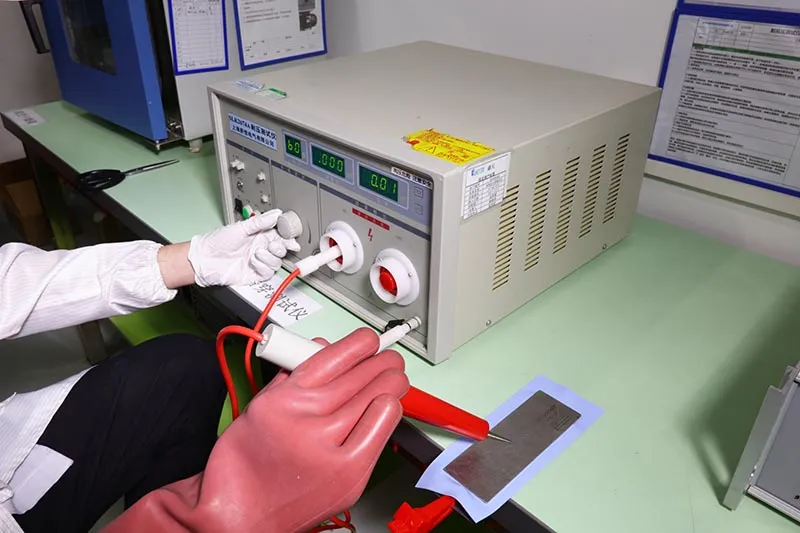
· High dielectric strength resists breakdown voltage.
· Low dielectric constant supports high frequency circuits.
· Balanced electrical properties reduce low loss signal drift.
Structured evaluation often includes:
Electrical Benchmarks
Insulation
· Verified electrical insulation rating
· Tested dielectric strength per thickness
Signal Performance
· Measured dielectric constant at MHz–GHz
· Confirmed low loss factor
Multiple short checks. Quick pass or fail. No guesswork.
Machinability and Surface Finish Parameters
Punchable boron nitride sheets must cut cleanly. If machinability is poor, production slows down fast.
• Clean punching edges
• Accurate cutting paths
• Stable fabrication yield
Process chain in practice:
· Tooling setup aligned to sheet thickness.
· Controlled-speed processing reduces edge cracks.
· Post-cut inspection checks surface roughness and overall surface finish.
· Lamination test confirms bonding strength.
Under Sheen Technology standards, attention to tooling wear and sheet consistency keeps scrap low and output steady. For teams working with Punchable boron nitride sheets daily, that reliability simply makes life easier.
Need verified thermal conductivity, dielectric strength, thickness tolerance, punchability, and thermal resistance data before selecting an insulating thermal sheet? Download the product datasheets to compare punchable boron nitride sheets for power modules, semiconductor packaging, LED systems, EV electronics, and other high-heat electrical insulation applications.
How BN Sheets Reduce Thermal Stress 30%
Punchable boron nitride sheets break down into three powerful ideas: Punchable/boron nitride/sheets. Put them together, and you get a material built for clean punching, high heat survival, and steady insulation. In power electronics, Punchable boron nitride sheets quietly cut thermal stress by up to 30%, keeping devices cool and steady without drama.
High Temperature Resistance Enhances Durability
Punchable boron nitride sheets perform in extreme environments where high temperature swings would normally crush material durability. The magic sits inside their crystal structure.
Core Thermal Capability
1.1 Crystal Layer Behavior
· Stable lattice maintains mechanical strength under rapid heat spikes.
· Strong thermal resistance slows structural fatigue.
1.2 Insulation Control
· Reliable insulation properties prevent leakage at 200–1000°C.
· Balanced heat management extends operational lifespan.
Mechanical Stability Under Heat
2.1 Expansion Balance:Low expansion reduces cracking.
2.2 Structural Retention:No softening that would weaken material durability.
Real-World Impact
· Cleaner punching means fewer micro-fractures.
· Longer service life in high-power assemblies.
When Punchable boron nitride sheets are integrated by Sheen Technology, users get steady output without the usual heat-related wear-out curve.
Advanced Heat Dissipation in Power Modules
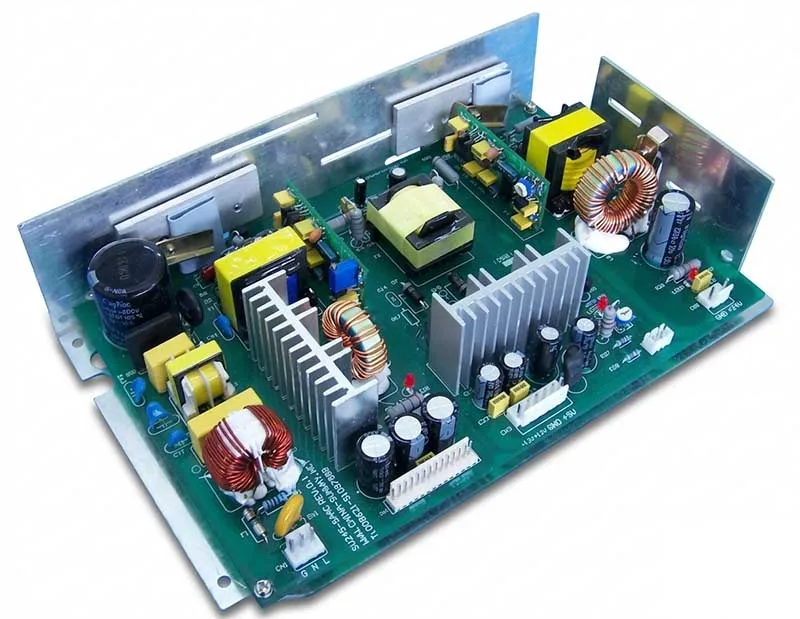
Heat piles up fast in power modules. Without solid thermal management, electronic components age quickly. That’s where boron nitride sheets step in.
· High thermal conductivity spreads heat evenly.
· Stable structure protects device performance.
· Thin profile improves module efficiency.
In daily operation:
· Heat transfers from the chip.
· Boron nitride sheet spreads it laterally.
· Cooling system removes it efficiently.
Less hotspot stress. Fewer sudden shutdowns. Better cooling solutions overall.
Thermal Stability in Semiconductor Packaging
In semiconductor packaging, stress builds when materials expand at different rates. Thermal stability keeps package integrity intact.
Stress Reduction Path
1.1 Controlled Expansion:Matches substrate movement.
1.2 Stable heat transfer:Protects integrated circuits.
Reliability Gains
· Lower thermal stress on solder joints.
· Higher chip reliability in compact electronic devices.
Market Context
“Advanced thermal interface materials are critical to next-generation power density targets,” noted a 2025 Yole Group power electronics report, highlighting strong demand for boron nitride-based insulation solutions.
When engineers choose Punchable boron nitride sheets, especially from Sheen Technology, failure rates drop, and yield improves. The result is simple: cooler chips, tougher packaging, and electronics that just keep running.
Looking for a boron nitride insulation solution that fits your thermal design or manufacturing process? Browse these related application pages to see how punchable boron nitride sheets are used across high-power electronic and industrial systems.
Comparing Thermal Resistance: BN Vs. Ceramic Mats
When heat builds up inside electronics, insulation isn’t just a background player—it decides performance and lifespan. This comparison breaks down how Punchable boron nitride sheets stack up against ceramic mats in thermal resistance, machinability, and real-world usability, using plain talk and practical insight.
Punchable Boron Nitride Sheets
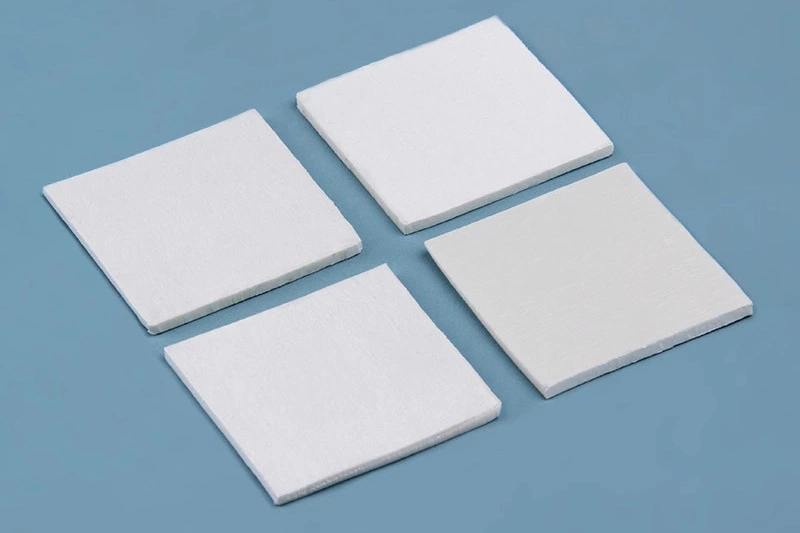
Punchable boron nitride sheets combine Boron Nitride chemistry with flexible sheet material design, built for high temperature environments where stable thermal insulation still needs strong heat flow.
· Lower thermal resistance for faster heat spreading
· High thermal conductivity compared to ceramic fiber mats
· Reliable electrical insulator performance
· Excellent machinability for custom die-cut parts
★ Stable at high temperature
★ Lightweight yet structurally sound
In real production lines, a boron nitride sheet often replaces thicker insulation stacks. Less bulk. Better control.
The appeal goes deeper:
Material Level
Crystal structure of Boron Nitride
· Promotes directional heat transfer
· Maintains electrical isolation
Processing Level
Precision punching
· Custom gaskets
· Boron Nitride Thermal interface pads
Application Level
· Power modules
· LED substrates
· EV battery systems
Industry momentum backs this up.
“Advanced thermal interface materials, particularly boron nitride-based substrates, are seeing accelerated adoption in EV and power electronics markets,” notes a 2025 IDTechEx thermal management outlook.
Manufacturers working with Sheen Technology often choose punchable BN sheets when tight tolerances and repeatable cutting matter. The phrase Punchable boron nitride sheets isn’t hype—it signals a balance of conductivity, insulation, and durability that basic mats just can’t match.
Ceramic Mats
Ceramic mats rely on ceramic fiber structures and are commonly sold as thermal blanket or refractory material solutions for furnace lining and heat shield roles.
· Good bulk insulation properties
· Resistant to high temperature exposure
· Cost-friendly for large coverage areas
1)Low thermal conductivity slows heat transfer.
2)Strong thermal stability in static settings.
3)Limited flexibility under mechanical stress.
Ceramic mats work fine when the goal is blocking heat, not guiding it. Still, compare them side by side with Punchable boron nitride sheets, and differences become obvious.
Performance Comparison
Heat Flow
· Ceramic fiber → insulation-focused
· BN sheet → insulation + conduction balance
Fabrication
· Mats → cut and fit
· Punchable BN → precision die-cut
Mechanical Behavior
· Mats → brittle over time
· Boron nitride sheet → cleaner edges, better handling
In advanced electronics, sheer insulation isn’t enough. You need controlled transfer. That’s where Sheen Technology positions its Punchable boron nitride sheets—not as a simple thermal blanket, but as a high-precision thermal interface engineered for modern power density.
5 ROI Drivers Of Boron Nitride Insulation
Boron nitride insulation keeps showing up in electronics and thermal processing for one simple reason: it cuts waste while helping systems stay stable under pressure. Manufacturers using Punchable boron nitride sheets often notice smoother fabrication, cleaner machining, and fewer shutdowns. Sheen Technology supports these gains with materials designed for demanding industrial heat, chemical exposure, and precision assembly jobs.
Enhanced Reliability Through Thermal Stability
Punchable boron nitride sheets maintain thermal stability even during repeated high-temperature cycling. That matters in power electronics where tiny shifts in heat can damage circuits over time.
Stable heat behavior supports:
· Better material integrity
· Stronger component reliability
· Longer system longevity
Production teams often prefer punchable BN sheets because:
· heat spread stays balanced
· heat resistance lowers crack risk
· operational consistency improves during nonstop runs
A 2025 semiconductor materials outlook from TechInsights noted that thermally stable insulating ceramics are increasingly tied to lower maintenance frequency in advanced packaging lines.
Punchable boron nitride sheets also reduce stress around connectors and thin substrates. Short version? Less thermal shock, fewer ugly surprises.
Improved Yield via Uniform Heat Dissipation
Consistent heat dissipation keeps wafers and electronic assemblies from developing uneven hot spots. Punchable boron nitride sheets help maintain uniform heat transfer across sensitive surfaces.
· Cleaner thermal management
· Lower temperature drift
· Better process efficiency
Inside fabrication lines, the gains stack up fast:
· Reduced temperature gradients
· Improved product quality
· Higher yield improvement
Manufacturers using boron nitride punchable insulation often report steadier cycle performance because the material’s thermal conductivity stays reliable under changing loads. Sheen Technology supplies punchable boron nitride sheets that fit automated cutting and thermal interface applications without slowing production flow.
Reduced Downtime with Punchability
Punchable boron nitride sheets simplify fast-turn fabrication. Shops can create custom shapes quickly without excessive tool changes.
The workflow usually looks like this:
· Material enters the manufacturing process
· Operators complete rapid material processing
· Parts move directly into assembly
· Faster assembly time reduces idle equipment hours
A few practical advantages stand out:
· excellent punchability
· cleaner edge quality
· improved design flexibility
· lower reduced downtime
Short runs feel easier to manage too. Teams can modify dimensions without rebuilding the whole setup.
Cost Savings from Precision Machining
Precision matters when tolerances get tight. Punchable boron nitride sheets support clean precision machining with lower chipping rates and reduced scrap.
Key savings usually appear in nested production stages:
Material preparation
· Lower material waste
· Reduced handling errors
Machining operations
· Better manufacturing accuracy
· Shorter production time
· Less tooling wear
Final output
· Improved fabrication efficiency
· Easier shaping of complex geometries
· Measurable cost savings
Even small machining improvements can cut expenses over months of continuous operation.
Extended Lifetime via Chemical Resistance
Punchable boron nitride sheets handle harsh process conditions without breaking down easily. Strong chemical resistance helps prevent contamination and surface erosion in aggressive environments.
In chemical processing or plasma systems, this protection supports:
· greater component durability
· slower material degradation
· improved environmental stability
The long-term effect is pretty straightforward:
· Better chemical inertness
· Longer operational lifespan
· More reliable use in corrosive environments
· Genuine extended lifetime
Punchable boron nitride sheets are often selected because they keep thermal and insulating performance stable long after lesser materials start wearing out.
【Request a Custom Quote】 Choosing the right punchable boron nitride sheet depends on your operating temperature, dielectric requirements, thickness target, punching geometry, and thermal performance goals. Share your application details with our engineering team, and we’ll help recommend the most suitable boron nitride insulation solution for your project.
Sheen Thermal
Dongguan Sheen Electronic Technology Co., Ltd · Founded in 2008
Manufacturer of thermal interface materials and silicone foam for automotive electronics, energy storage, power electronics, communications and consumer electronics.
Certified
- ISO 9001:2015
- ISO 14001:2015
- IATF 16949:2016
What we supply
- Thermal conductivity Up to 90 W/m·K
- Thickness 0.3–10.0 mm
- Custom & samples Die-cut to drawing, 3–7 days