
 English
 usheenthermal

Next-Gen Thermal Conductive Materials for Aerospace Electronics Revealed
Date:2026-04-20
Next-Gen Thermal Conductive Materials for Aerospace Electronics Revealed
Heat is the silent villain in flight hardware. As power density climbs and margins shrink, Thermal conductive materials for aerospace electronics stop being a spec-sheet detail and start acting like the bouncer at the door—either keeping systems alive or letting failure slip inside. Engineers feel it when boards warp, buyers feel it when schedules slide, and missions feel it when signals go dark.
I’ve heard program managers joke that managing heat in orbit is like herding cats in oven mitts. Lightweight parts beg for speed; certification clocks tick louder than budget alarms. Everyone wants cooler silicon without heavier baggage, and the old material playbook just shrugs.
This is where the plot thickens. New material choices are stepping onto the stage, trading brute force for finesse—cooling smarter, lasting longer, and behaving under stress. Stick around.
Quick Answers to Thermal conductive materials for aerospace electronics
➔ Diamond films achieve ultra-high thermal conductivity for power semiconductors in radar and satellite modules
➔ Graphite composites deliver lightweight, high in-plane heat spreading for avionics and flight controls
➔ Aluminum nitride combines strong electrical insulation with efficient heat dissipation in PCBs and ICs
➔ Silicon carbide withstands extreme temperatures and mechanical stress in engine control units and high-power electronics
➔ Boron nitride coatings enhance vibration resistance and long-term stability under shock and radiation
5 Breakthroughs In Thermal Conductive Materials For Aerospace Electronics
Modern aircraft and satellites run hotter than ever. Smarter chips, tighter spaces, higher loads. That’s why Thermal conductive materials for aerospace electronics are no longer optional—they’re mission-critical for safety, stability, and long service life.
Ultra-High Thermal Conductivity of Diamond Films
When heat spikes inside radar modules, Diamond Films step in as elite Thermal Conductivity champions within Aerospace Electronics.
Core role in Heat Dissipation
· Designed for High Performance power density
· Engineered through advanced Material Science
In high-frequency radar:
· Power semiconductors generate localized hotspots.
· Diamond Films spread heat laterally at up to 2000 W/m·K.
· Substrate temperatures drop, improving reliability.
Within aerospace electronic materials, the hierarchy often looks like this:
Substrate Layer
· CVD diamond coating
· Direct bonding to GaN or Si devices
Interface Layer
· Metallization
· Thermal interface materials
Structural Housing
· Aluminum or composite frames
For Thermal conductive materials for aerospace electronics, diamond remains the benchmark.
Lightweight Heat Spreaders: Graphite Composites in Avionics
Weight matters. Every gram saved in Avionics adds fuel efficiency and payload flexibility.
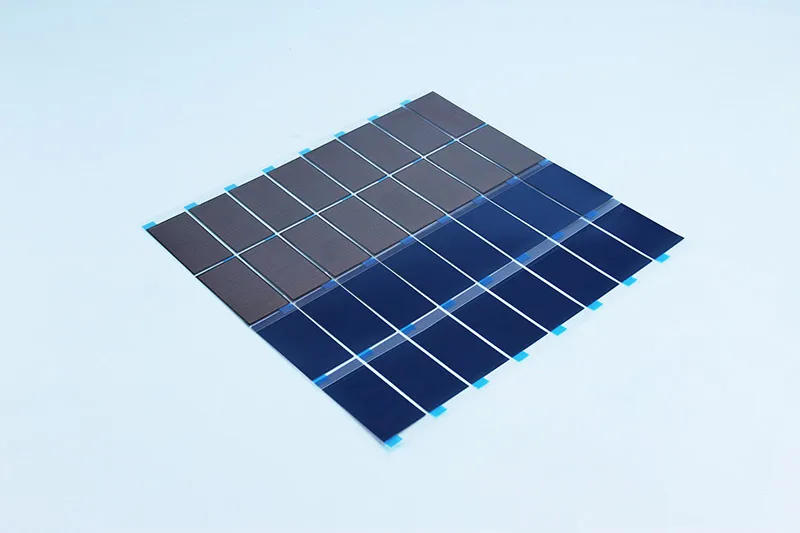
Graphite Composites shine because:
· Density is low
· In-plane conductivity is high
· Mechanical strength fits Aerospace Applications
In flight control units:
· Heat flows from processors.
· Heat Spreaders redistribute it across a broad plane.
· Fans or radiators remove it efficiently.
Short and simple: lighter structure, cooler boards, longer lifespan.
For Thermal conductive materials for aerospace electronics, graphite offers balance—Lightweight Materials that still deliver serious Thermal Management. Sheen Technology optimizes fiber orientation to maximize Weight Reduction without sacrificing stiffness, a sweet spot for airborne electronics cooling materials.
Aluminum Nitride’s Dual Role in Insulation and Dissipation
Aluminum Nitride bridges a tricky gap in Electronic Packaging—strong Electrical Insulation with real Thermal Dissipation.
In power amplifier boards:
Ceramic substrate
· High dielectric strength
· Thermal conductivity ~140–180 W/m·K
Copper traces
· Direct bonded copper (DBC)
Mounted chips
· RF amplifiers
· Control ICs
Performance comparison in aerospace components:
| Material | Thermal Conductivity (W/m·K) | Dielectric Strength (kV/mm) | Typical Use in Aerospace Components |
| Aluminum Nitride | 140–180 | 15–20 | Power modules, RF boards |
| Alumina | 20–30 | 10–15 | Standard ceramic PCBs |
| Beryllium Oxide | 200–250 | 8–12 | High-power legacy systems |
For Thermal conductive materials for aerospace electronics, this dual functionality reduces part count and improves system stability.
Silicon Carbide for Extreme Operating Temperature Ranges
Silicon Carbide thrives in Extreme Temperatures, making it central to next-gen Aerospace Systems.
· High-temperature endurance:Maintains structure beyond 600°C in specific configurations.
· Wide Operating Ranges:Handles cold starts at high altitude and hot engine bays.
· Superior Durability:Resists thermal shock and oxidation.
· Long-term Reliability:Supports engine control units and high-power converters.
Within high temperature materials used in Thermal conductive materials for aerospace electronics, SiC substrates and devices reduce cooling demand while increasing power density. That’s huge for compact aircraft electronics.
Boron Nitride Coatings Boost Vibration Resistance
Engines vibrate. Launch vehicles shake hard. Sensitive processors feel every jolt.
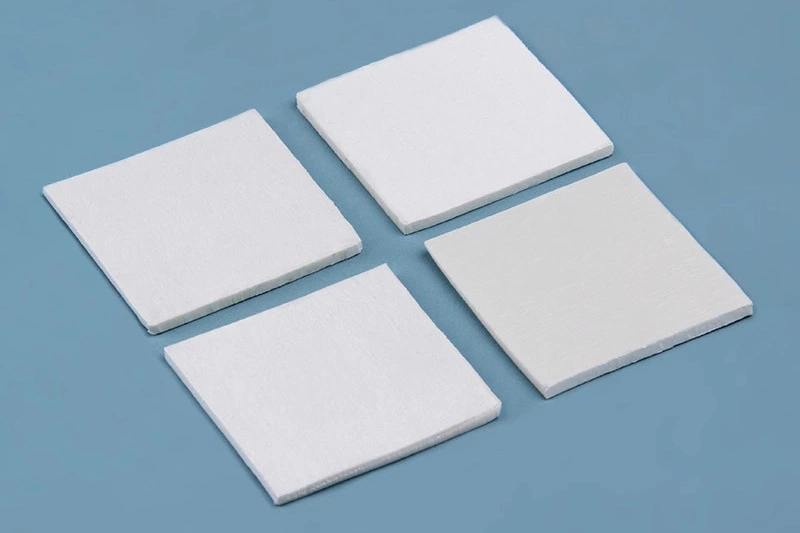
Boron Nitride Coatings act as a smart Surface Treatment:
Reduce friction
· Improve Vibration Resistance
· Enhance Environmental Stability
In layered aerospace structures:
· Base metal housing
· Shock load absorption
Intermediate bonding layer
· Thin Boron Nitride Coatings
· Thermal stability
· Electrical isolation
Short bursts of turbulence. Long missions in orbit. Through it all, component longevity matters.
Within Thermal conductive materials for aerospace electronics, coatings often get overlooked. Yet these thin ceramic layers protect sensors and processors from mechanical stress, extending Component Longevity without adding noticeable weight.
For teams seeking dependable aerospace electronics cooling materials, Sheen Technology aligns coatings, substrates, and structural integration into one streamlined thermal strategy. And that’s how smart Thermal conductive materials for aerospace electronics keep modern aircraft cool under pressure.
Ceramic Vs Polymer Vs Metal: Thermal Materials Compared
Thermal conductive materials for aerospace electronics keep satellites, radars, and flight control units from overheating when the pressure is on. From thermal conductive ceramics to lightweight polymers and high-power metals, each option handles heat differently. Choosing the right aerospace electronics materials can make or break system reliability, especially in extreme thermal cycles.
Ceramic
When it comes to Thermal conductive materials for aerospace electronics, ceramics stand out for electrical insulation and serious heat control. In high-altitude avionics and space payloads, that balance matters.
Core ceramic families used in aerospace electronics materials:
Alumina
· Aluminum Nitride
· Boron Nitride
· Silicon Carbide
Performance Drivers
1.1 Thermal Conductivity enables fast heat spreading from chips.
1.2 High Dielectric Strength protects sensitive circuits.
1.3 High Temperature Stability keeps structure intact beyond 500°C.
Application Logic in aerospace electronic packaging
2.1 Substrates for power modules
2.2 Insulating heat spreaders
2.3 Radiation-hardened electronic bases
| Material | Thermal Conductivity (W/m·K) | Dielectric Strength (kV/mm) | Max Temp (°C) | Density (g/cm³) |
| Alumina | 24–30 | 10–15 | 1600 | 3.9 |
| Aluminum Nitride | 140–180 | 15–20 | 1000 | 3.3 |
| Boron Nitride | 30–60 | 5–10 | 900 | 2.1 |
| Silicon Carbide | 120–200 | 3–5 | 1400 | 3.2 |
| BeO (reference) | 200–260 | 10–15 | 2500 | 3.0 |
For teams sourcing Thermal conductive materials for aerospace electronics, ceramic solutions from Sheen Technology offer controlled purity and stable thermal performance under vibration and radiation stress.
Polymer
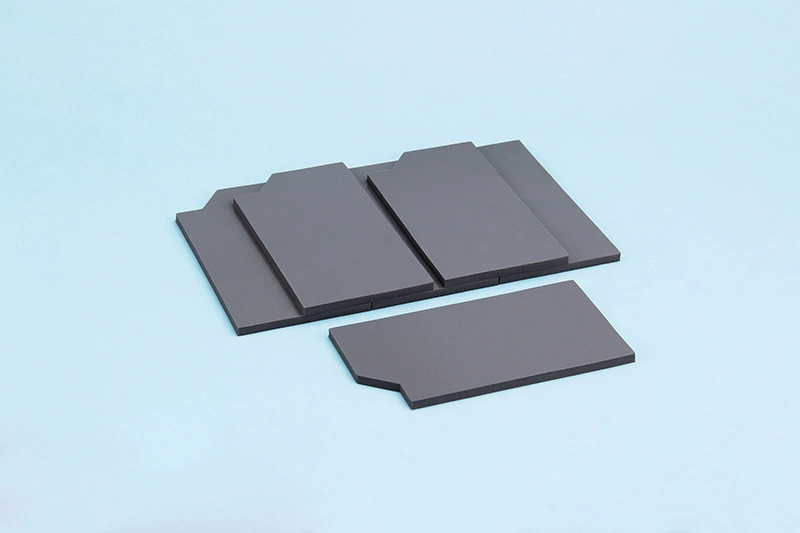
Polymers play a different game in Thermal conductive materials for aerospace electronics. The focus shifts from extreme conductivity to weight control and easy processing.
· Common systems include Epoxy Resins and Silicone Elastomers.
· Often formulated as Thermal Interface Materials.
· Known for Flexibility, Lightweight structure, and strong Electrical Insulation.
In real hardware, the story goes like this:
Base resin selection.
· Ceramic or metal filler blending to improve Thermal Conductivity.
· Controlled curing for stable bonding.
The upside? Quick surface mounting and vibration damping. The downside? Limited heat dissipation compared to ceramic or metal heat spreaders.
For lightweight drone avionics and secondary housings, aerospace thermal management materials based on polymers still make sense. Sheen Technology fine-tunes filler ratios so polymer-based Thermal conductive materials for aerospace electronics meet strict flight-weight budgets without sacrificing safety margins.
Metal
Metals are the heavy hitters in Thermal conductive materials for aerospace electronics. When raw heat dissipation is the goal, nothing moves energy faster.
Primary choices:
· Aluminum Alloys
· Copper Alloys
Thermal Behavior
1.1 Exceptional Thermal Conductivity supports rapid Heat Dissipation.
1.2 High Mechanical Strength protects components under vibration.
Design Trade-Offs
2.1 Greater Weight affects launch costs.
2.2 Higher expansion rates demand CTE matching with chips.
2.3 Surface treatments improve Corrosion Resistance in humid or marine airfields.
In power converters, radar transmitters, and satellite bus structures, metals anchor the thermal path. Combined with ceramic insulators or polymer interface pads, metal bases complete the stack of Thermal conductive materials for aerospace electronics. That layered strategy keeps aerospace electronics cool, stable, and ready for the next mission.
4 Essential Factors In Selecting Thermal Materials
Thermal conductive materials for aerospace electronics are not just fancy add-ons; they quietly keep avionics alive. When satellites orbit or radar modules run hot, thermal management decides if systems last or fail. Choosing the right aerospace thermal conductive materials means balancing heat, weight, durability, and budget without cutting corners.
Thermal Conductivity and Heat Dissipation Performance
In aerospace electronics, Thermal conductive materials for aerospace electronics must control heat before it spirals out of hand. Strong thermal conductivity improves heat dissipation, which directly shapes system performance metrics.
Core Performance Indicators
· Thermal conductivity (W/m·K) affects heat transfer speed.
· Interface resistance influences real-world temperature control.
· Stability across -55°C to 200°C ensures steady thermal management.
Application-Level Demands
· Avionics control boards:Require uniform heat dissipation across dense IC layouts.
· Radar power modules:Demand rapid heat transfer from GaN devices.
· Satellite payload electronics:Need reliable temperature control in vacuum.
Material Comparison Table for Aerospace Thermal Conductive Materials
| Material Type | Thermal Conductivity (W/m·K) | Density (g/cm³) | Max Service Temp (°C) | Typical Aerospace Use |
| Aluminum Nitride | 170–200 | 3.3 | 800 | Power substrates |
| Beryllium Oxide | 250–330 | 3.0 | 1000 | High-frequency modules |
| Silicon Carbide | 120–180 | 3.2 | 1400 | Radar systems |
| Graphite Composite | 400–600 (in-plane) | 1.8–2.1 | 450 | Satellite panels |
| Copper-Molybdenum | 180–220 | 9.4 | 400 | RF housings |
Integration Flow
1) Define allowable junction temperature.
2) Calculate required heat transfer rate.
3) Match conductivity to structural limits.
4) Validate with simulation and thermal cycling.
For high-stakes programs, Sheen Technology aligns Thermal conductive materials for aerospace electronics with mission-level performance metrics, cutting overheating risks before launch day.
Coefficient of Thermal Expansion vs Weight Reduction
Balancing coefficient of thermal expansion and weight reduction can feel like a tug-of-war. Go too light, and structural integrity suffers. Ignore CTE mismatch, and thermal stress cracks solder joints.
Key checks include:
· Matching CTE to PCB substrates
· Reducing material density without losing stiffness
· Maintaining reliability in extreme aerospace applications
Here’s how teams usually move:
· Define allowable CTE range based on chip and board materials.
· Screen low-density options for weight reduction targets.
· Test for thermal stress after 500+ cycles.
Short takeaway? Lighter is great, but not if it bends or warps mid-flight.
Advanced Thermal conductive materials for aerospace electronics combine ceramic fillers with metal matrices, giving controlled coefficient of thermal expansion and smart material density trade-offs. Aerospace thermal conductive materials supplied by Sheen Technology are tuned to ease board strain while keeping mass down, a big win for satellite electronics and airborne radar pods.
Reliability Under Shock, Vibration, and Radiation Hardness
Space and flight hardware face brutal environmental factors. Thermal conductive materials for aerospace electronics must survive more than heat.
Mechanical Endurance
· Shock resistance during launch (up to 3000 g).
· Vibration tolerance across wide frequency bands.
· Retention of material durability after repeated stress.
Radiation Exposure
· Maintain insulation under gamma and proton flux.
· Limit property drift affecting component longevity.
Validation Path
1) Conduct MIL-STD shock tests.
2) Run sine and random vibration profiles.
3) Perform radiation soak and re-measure radiation hardness.
4) Inspect microcracks and bonding layers.
Nested reliability focus:
Mechanical Stability
· Bond strength
· Crack resistance
Electrical Stability
· Insulation retention
· Dielectric consistency
High-grade aerospace thermal conductive materials must pass all layers of testing. That’s where Sheen Technology supports long-life avionics by ensuring material durability under real mission loads.
Cost Impact of Manufacturing Processes
Budget talk may not be glamorous, yet it drives final selection of Thermal conductive materials for aerospace electronics.
Process Choices
· Manufacturing processes such as sintering
· Hot pressing for dense ceramics
· Precision machining for tight tolerances
Cost Drivers
· Raw material sourcing stability
· Yield during forming
· Post-processing and inspection
Cost Evaluation Framework
1) Compare production cost per kilogram.
2) Assess scalability for fleet programs.
3) Measure assembly efficiency impact.
4) Estimate full lifecycle cost over 15–20 years.
Multi-level budget logic:
Direct Costs
· Powder preparation
· Energy consumption
Indirect Costs
· Scrap rates
· Certification delays
Smart selection of aerospace thermal conductive materials keeps programs on track. By refining manufacturing processes and improving assembly efficiency, Sheen Technology helps customers control lifecycle cost while maintaining high thermal management standards for aerospace electronics.
Thermal Conductive Materials For Aerospace Electronics: Hidden Costs Revealed
Thermal conductive materials for aerospace electronics sound straightforward, yet the real bill goes far beyond raw purchase orders. From sourcing to failure analysis, aerospace thermal management materials carry hidden costs that quietly stack up across programs.
Material Sourcing and Supply Chain Variability
When working with thermal conductive materials for aerospace electronics, sourcing is rarely simple.
Core pressure points include:
· raw material availability
· supplier reliability
· geopolitical risks
· transportation logistics
Behind that list sits a layered challenge:
Material Origin
1.1 Limited material purity sources for diamond films and SiC
1.2 Export controls tied to geopolitical risks
Supplier Network
2.1 Auditing supplier reliability
2.2 Buffering long lead times
Logistics Chain
3.1 Air freight constraints in aerospace programs
3.2 Cost swings from transportation logistics
For thermal conductive materials in aerospace electronics, one delay can ripple across satellite or avionics builds.
Unseen Expenses in Sintering and CVD Processes
Manufacturing aerospace heat dissipation materials is energy hungry and equipment intensive.
Production Inputs
1.1 High energy consumption in CVD chambers
1.2 Skilled labor expertise for process stability
Equipment Lifecycle
2.1 Preventive equipment maintenance
2.2 Replacement of specialized tooling
Operational Efficiency
3.1 Yield loss during process optimization
3.2 Disposal and waste management
“Advanced materials manufacturing will remain cost-sensitive due to energy intensity and supply concentration,” noted the International Energy Agency in its 2025 industrial outlook.
In short, the price of Thermal conductive materials for aerospace electronics reflects more than chemistry; it reflects uptime, scrap rates, and power bills.
Certification, Testing, and Environmental Qualification
Aerospace standards push thermal management materials hard.
Compliance demands:
· qualification standards
· strict testing protocols
· extensive documentation requirements
Under the hood:
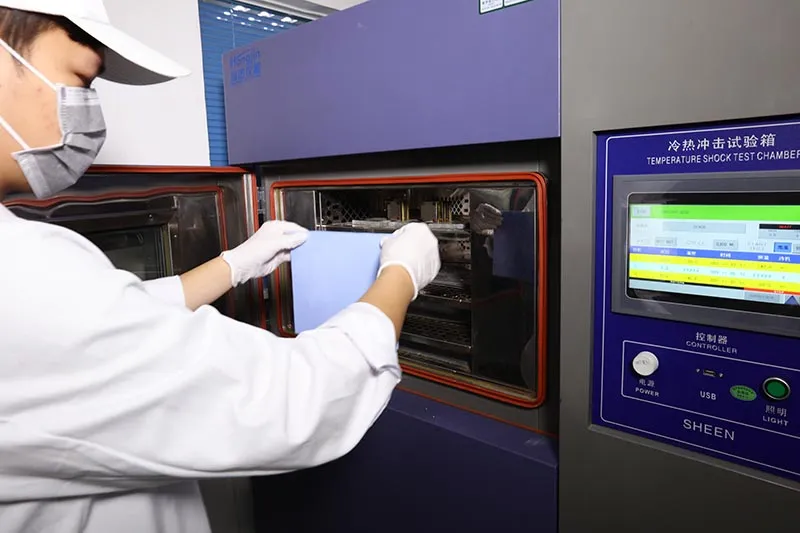
Environmental Stress
1.1 Thermal cycling in environmental simulation chambers
1.2 Vibration and humidity exposure
Validation Flow
2.1 Lab-based reliability assessment
2.2 Audit trails for regulatory compliance
This phase stretches timelines for thermal conductive materials for aerospace electronics, yet skipping it is not an option. Sheen Technology supports customers with pre-validated data packages, trimming redundant tests and easing approval headaches.
Long-Term Stability and Failure Analysis Overheads
Costs do not stop after launch.
In-Service Monitoring
1.1 Tracking material degradation
1.2 Ongoing performance monitoring
Data Feedback Loop
2.1 Structured field data collection
2.2 Trend review for predictive maintenance
Corrective Action
3.1 Deep root cause analysis
3.2 Estimating true component lifespan
For aerospace electronics, heat can be brutal over time. Smart programs budget early for these realities. With a focus on durable thermal conductive materials for aerospace electronics, Sheen Technology helps reduce surprise failures and the long-tail costs that come with them.
FAQs about Thermal Conductive Materials for Aerospace Electronics
What makes diamond films a preferred choice for heat control in aerospace electronics?
Diamond films bring calm under pressure in satellite electronics and radar modules. Grown by chemical vapor deposition, the material moves heat away before damage can begin.
· Extreme thermal conductivity for fast heat dissipation
· Stable across harsh operating temperature range
· Protects power semiconductors and dense integrated circuits
The payoff is emotional as much as technical: fewer thermal alarms, more trust during long missions.
How do graphite composites help engineers fight weight and heat at the same time?
In avionics systems, weight feels personal. Every gram affects fuel and control. Graphite composites answer with balance.
① Low density supports clear weight reduction goals
② High in plane thermal conductivity spreads heat across flight control units
③ Compatible with printed circuit boards through careful surface mounting
Engineers sense relief when heat spreads gently instead of building stress points.
Why is aluminum nitride chosen for both insulation and cooling roles?
Aluminum nitride stands quietly between risk and reliability, especially in power amplifiers.
| Role | Contribution |
| Electrical safety | Strong electrical insulation for circuit protection |
| Thermal control | Steady heat flow away from processors and memory modules |
| Mechanical fit | Matched coefficient of thermal expansion during thermal cycling tests |
Used after sintering and precise machining, it supports long nights of testing without surprise failures.
What certification and testing steps protect mission critical electronics?
Before deployment, materials face pressure meant to reveal weakness.
· Thermal cycling tests expose fatigue
· Shock and vibration testing proves vibration resistance for sensors
· Material characterization and environmental qualification align with aerospace material specifications
· Final failure analysis guards long term stability and reliability
Passing these trials builds quiet confidence inside engine control units and beyond.
Sheen Thermal
Dongguan Sheen Electronic Technology Co., Ltd · Founded in 2008
Manufacturer of thermal interface materials and silicone foam for automotive electronics, energy storage, power electronics, communications and consumer electronics.
Certified
- ISO 9001:2015
- ISO 14001:2015
- IATF 16949:2016
What we supply
- Thermal conductivity Up to 90 W/m·K
- Thickness 0.3–10.0 mm
- Custom & samples Die-cut to drawing, 3–7 days