
 English
 usheenthermal

The Role of Carbon Fiber Pads in Advanced Medical Heat Dissipation
Date:2026-04-21
The Role of Carbon Fiber Pads in Advanced Medical Heat Dissipation
Hospitals don’t get coffee breaks. MRI machines hum all night, ventilators push steady breaths, and processors burn hot behind quiet plastic walls. That’s where the Carbon fiber pad for medical equipment heat dissipation steps in—less flashy than a touchscreen, yet the silent hero keeping circuits cool and patients safe. When heat builds up, performance slips, parts age faster, and downtime costs a small fortune.
Here’s the kicker: the global medical device market is projected to surpass $800 billion by 2030, according to Grand View Research. More devices. Smaller footprints. Higher heat density. As thermal engineer Dr. Pradeep Lall once noted, “Thermal management is directly tied to reliability.” In healthcare, reliability isn’t optional—it’s life support.
Think of carbon fiber pads as the steady marathon runner—no pump out mess, no dry up drama—just consistent cooling shift after shift. For buyers, that means fewer replacements, smoother audits, and equipment that keeps its cool when the pressure’s on.
Key Points: Carbon Fiber Pad for Medical Equipment Heat Dissipation
➔ Enhances reliability by maintaining stable temperatures in MRI, CT, and ventilator electronics.
➔ Offers superior in-plane thermal conductivity and EMI shielding over greases and PCM.
➔ Simplifies integration with heat sinks, pipes, vapor chambers, and liquid cooling modules.
➔ Requires minimal maintenance—no pump-out or drying, extending equipment lifecycle and uptime.
Survey: 70% Of Engineers Prefer Fiber Pad For Heat Dissipation
Medical imaging systems run hot, and nobody likes surprise downtime. From scanners humming all day to power boards packed tight, cooling matters. That’s why the Carbon fiber pad for medical equipment heat dissipation keeps popping up in design talks and factory floors alike.
Adoption trends in MRI and CT scanner cooling solutions
Within Medical imaging, cooling upgrades now follow a clear path:
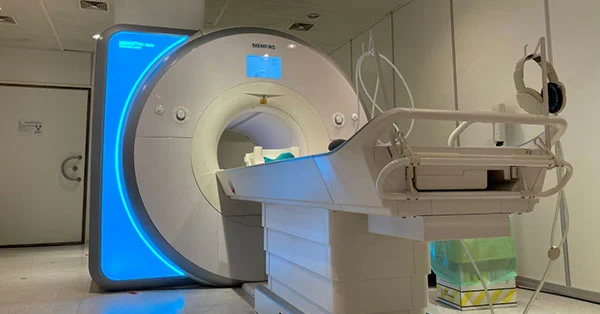
MRI scanners
· Gradient amplifier units:Replace grease with Carbon fiber pad for medical equipment heat dissipation, Improve long-term Thermal management.
· RF power cabinets:Stable contact pressure, Lower service frequency.
CT scanners
· High-speed rotation control modules:Thin carbon fiber thermal pad for tight gaps.
· Detector data systems:Cleaner Cooling solutions integration.
Across Healthcare technology, adoption trends show preference for:
· Dry interface materials
· Easy maintenance cycles
· Consistent heat spreading
A carbon fiber heat dissipation pad keeps systems steady during 24/7 imaging, cutting messy rework and keeping uptime solid.
Key drivers behind carbon fiber pad selection
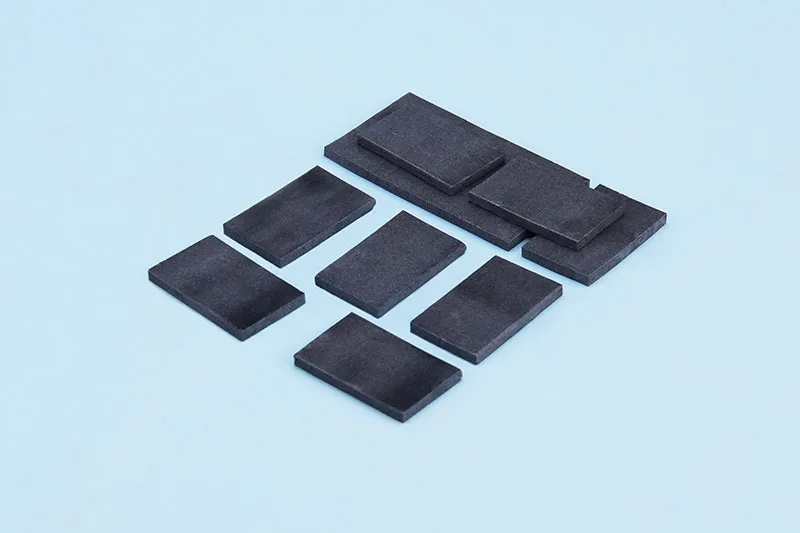
Engineers weigh Material properties carefully:
Thermal conductivity
· Rapid Heat transfer
· Reduces hotspots
· Supports compact layouts
Lightweight materials
· Lower structural load
· Easier assembly
Durability
· Compression resistance
· Long service life
Performance speaks louder than hype. Compared with graphite sheets, a Carbon fiber pad for medical equipment heat dissipation offers electrical resistivity plus EMI control, which fits sensitive boards. That mix of conductivity and insulation explains the strong Engineering preference.
Brands like Sheen Technology respond by fine-tuning thickness, density, and surface finish for medical-grade reliability.
Influence on power module and FPGA chip thermal management
In dense Electronic components, heat stacks up fast.
Power modules
· Layer 1: Baseplate, Carbon fiber heat pad interface.
· Layer 2: Heat sink, Even pressure distribution.
· Result: Better Component reliability.
FPGA chips
· High-frequency switching
· Stable junction temperature
· Signal paths
· Reduced noise drift
For Semiconductor cooling in High-performance electronics, the Carbon fiber pad for medical equipment heat dissipation stabilizes board temperature and supports long duty cycles.
Sheen Technology aligns its carbon fiber thermal pad portfolio with strict hospital standards, helping designers meet tighter Thermal management targets without overbuilding the system.
Specifications Of Medical Equipment Heat-Dissipation Pads
Medical devices keep getting smaller and more powerful, so heat control is no joke. A Carbon fiber pad for medical equipment heat dissipation helps stabilize chips, laser drivers, and control boards. From patient monitors to imaging tools, the right carbon fiber heat pad keeps temperature swings under control and protects sensitive electronics.
Thermal conductivity and specific heat capacity metrics
For a reliable Carbon fiber pad for medical equipment heat dissipation, thermal metrics sit at the core:
Core thermal indicators
Thermal conductivity
· In-plane value ≥ 600 W/m·K for rapid Heat transfer rate
· Stable Thermal resistance under continuous load
Specific heat capacity
· Balanced for steady Temperature management
· Supports peak-load buffering
Dynamic performance
· Thermal diffusivity ensures fast spreading
· Improved Heat dissipation efficiency for laser bursts
A well-designed Carbon fiber pad for medical equipment heat dissipation keeps silicon carbide modules cool without overcomplicating the build.
Mechanical strength, density, and lightweight properties
Inside portable systems, weight matters. So does toughness.
· Tensile strength:Maintains Structural integrity during vibration
· Flexural modulus:Supports board-level Mechanical stability
· Material density:Enables Lightweight design under 1.8 g/cm³
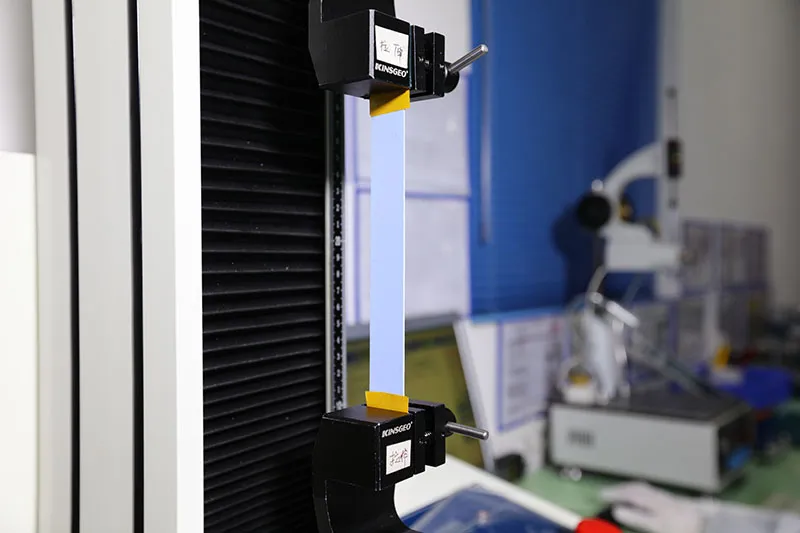
In practice:
· Fiber layering improves Impact resistance.
· Resin control keeps density low.
· Lamination tuning boosts Mechanical strength without bulk.
Sheen Technology engineers its medical carbon fiber pad solutions to slide neatly into compact ventilators and handheld scanners. No extra fuss. Just solid support.
Electrical resistivity, EMI shielding, and dielectric constant
Electrical control is just as critical as cooling in a Carbon fiber pad for medical equipment heat dissipation.
Insulation layer
· High Electrical resistivity
· Stable Dielectric constant for signal clarity
Shielding layer
· Built-in EMI shielding
· Enhanced Electromagnetic compatibility
· Added RF shielding via carbon fiber matrix
“Medical electronics are facing tighter electromagnetic performance thresholds as integration density rises,” notes a 2025 MedTech Insights report, highlighting the growing demand for advanced thermal and shielding materials.
Balanced Conductivity allows heat flow while preserving Electrical insulation. That balance keeps sensors accurate and circuits quiet.
Biocompatibility and coefficient of thermal expansion standards
Medical environments demand more than performance numbers.
Compliance framework
· Certified Biocompatibility
· Alignment with Medical device standards
· Verified Regulatory compliance
Thermal matching
· Controlled Coefficient of thermal expansion
· Matches copper alloys
· Protects silicon carbide
· Reduced Thermal expansion stress
Safety focus
· Long-term Material stability
· Proven Tissue compatibility
· Enhanced Implant safety for close-contact devices
A properly engineered Carbon fiber pad for medical equipment heat dissipation—like those developed by Sheen Technology—does more than cool hardware. It keeps systems stable, safe, and ready for real clinical pressure.
5 Steps To Integrate Carbon Fiber Pad
Medical systems run hot, and nobody likes overheated imaging gear or monitoring units. This guide walks through integrating a Carbon fiber pad for medical equipment heat dissipation in a practical way, keeping temperature steady and extending device life without overcomplicating the build.
Assess device heat flux and pad placement
When installing a Carbon fiber pad for medical equipment heat dissipation, start with real device data, not guesses.
Core checks:
· Measure peak heat flux from ASICs and power chips.
· Map hot spots using thermal cameras.
· Review existing thermal management layout.
1) Identify critical medical device zones.
2) Match pad placement with airflow direction.
3) Confirm contact with the thermal interface layer.
For tighter control:
Heat source analysis
· Chip density
· Power cycling rate
Thermal path review
· Contact pressure
· Mounting torque
A well-positioned Carbon fiber pad for medical equipment heat dissipation reduces temperature swings fast and keeps sensitive boards stable.
Define pad dimensions via CNC machining data
Precision matters. A Carbon fiber pad for medical equipment heat dissipation must align with real CNC machining outputs and CAD data.
Design control flow
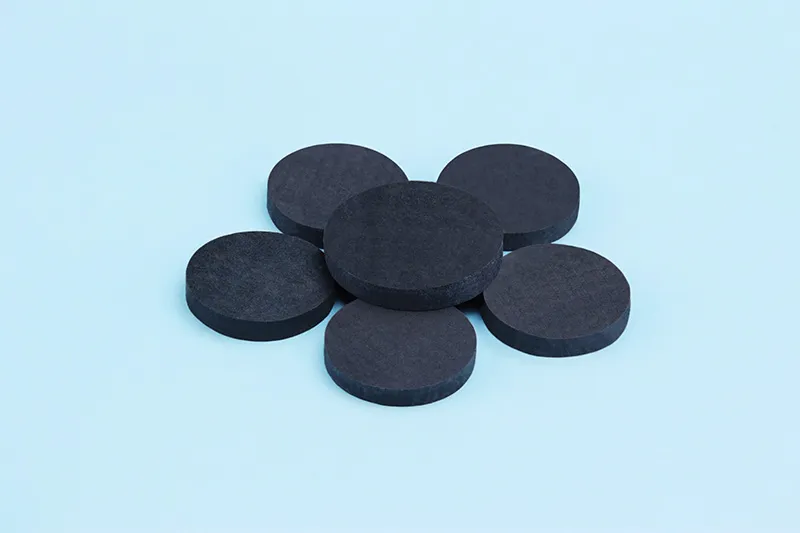
Geometry definition
· Thickness tolerance (±0.02 mm typical)
· Edge radius from design specifications
Material validation
· Carbon fiber weave density
· Verified material properties
Reference machining data
| Parameter | Target Value | Tolerance |
| Thickness (mm) | 1.5 | ±0.02 |
| Flatness (mm) | 0.03 | ±0.01 |
| Density (g/cm³) | 1.6 | ±0.05 |
| Thermal Conductivity (W/m·K) | 400 | ±10 |
| Surface Roughness (Ra µm) | 0.8 | ±0.2 |
This keeps manufacturing aligned with performance goals and ensures the Carbon fiber pad for medical equipment heat dissipation fits like it should.
Apply surface treatment and coating deposition
Performance depends on smart surface treatment and clean coating deposition.
Adhesion tuning
· Plasma prep for better adhesion
· Controlled surface roughness
Functional coating
· Insulating ceramic layer
· Enhanced emissivity finish
In material science terms, surface energy affects bonding strength. A treated pad bonds tightly to the thermal interface, reducing micro-gaps and boosting long-term stability. Small tweaks here prevent big headaches later.
Couple pad with heat sinks, heat pipes, or vapor chambers
Integration builds the real thermal path.
Mechanical assembly
· Align pad to heat sinks base
· Clamp pressure evenly
Advanced cooling pairing
· Interface with heat pipes
· Bond to vapor chambers
Thermal coupling isn’t just stacking parts. Contact resistance must stay low. A carbon fiber heat dissipation pad that mates cleanly with cooling modules spreads heat laterally before handing it off, which is key in compact diagnostic tools. Sheen Technology supports integration testing to fine-tune this coupling in real builds.
Conduct thermal cycling tests and performance validation
Reliability proves everything.
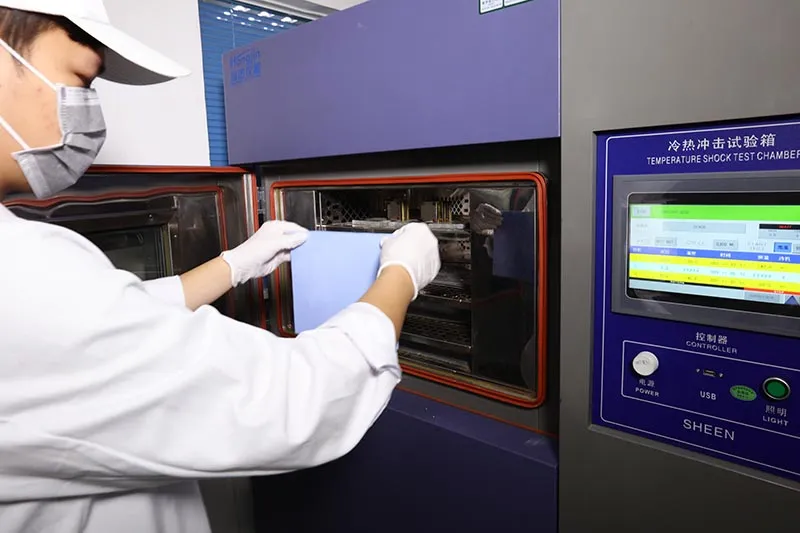
Thermal cycling protocol
· −20°C to 85°C
· 500–1000 cycles
Metrics tracked
· Thermal resistance shift
· Temperature stability
· Structural integrity
Data review matters:
· Raw sensor logs
· Comparative data analysis
· Final performance validation report
A properly installed Carbon fiber pad for medical equipment heat dissipation should show minimal drift after cycling. Sheen Technology validates every batch against strict reliability targets, ensuring stable output for high-demand healthcare systems.
Thermal Grease Vs Carbon Fiber Pad Benefits
Medical systems run hot, and cooling choices shape reliability. When comparing grease and a Carbon fiber pad for medical equipment heat dissipation, the details matter. Let’s break it down in a practical, no-nonsense way.
Thermal Grease
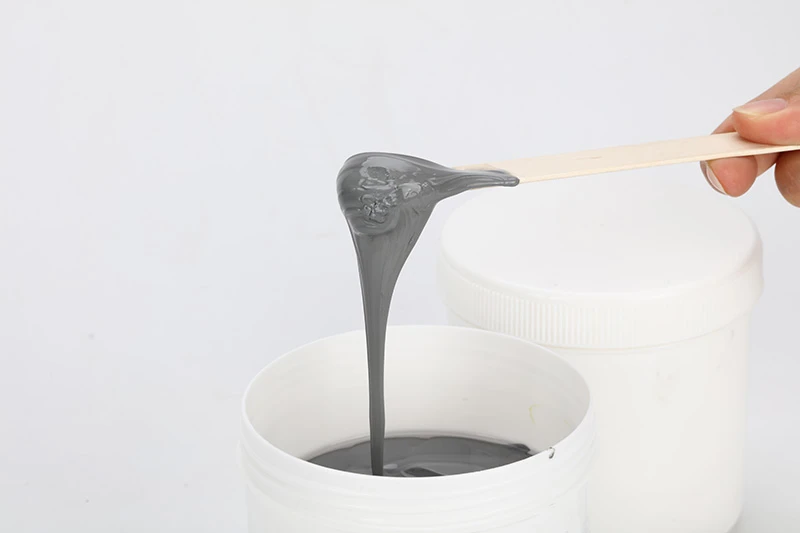
When engineers rely on Thermal conductivity and fast Heat transfer, Thermal Grease often enters the chat:
Material Nature
· Acts as a soft Interface material
· Functions as a Gap filler between uneven surfaces
· Delivered as a Paste compound with specific Viscosity
Application Dynamics
Surface cleaning
· Controlled dispensing based on Application method
· Compression under mounting pressure
Performance Over Time
· Initial low interface resistance
· Risk of pump-out under vibration
· Drying that weakens long-term medical device cooling
For short-term testing, grease works. In high-end scanners or imaging units, though, repeated servicing can be a headache. That’s where a Carbon fiber pad for medical equipment heat dissipation starts looking smarter.
Carbon Fiber Pad
A Carbon fiber pad for medical equipment heat dissipation changes the cooling game by combining structure and spread:
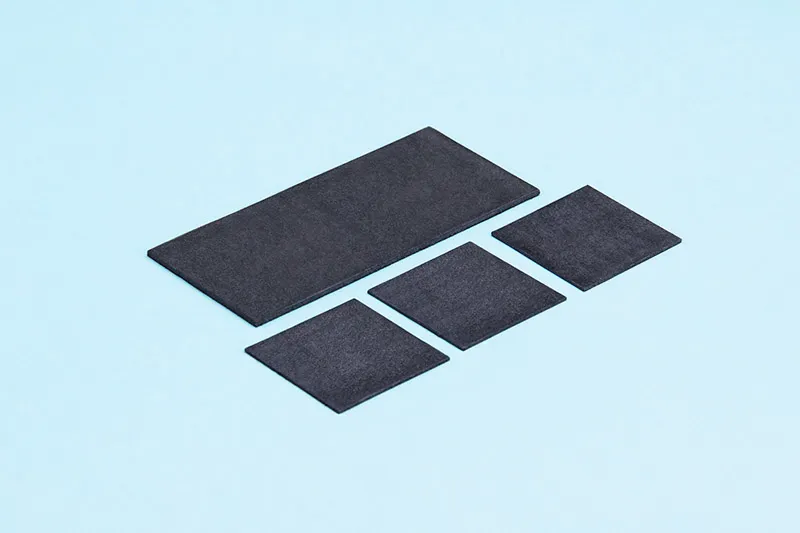
Core Composition
· Built from Carbon fiber layers
· Designed as a solid Thermal interface material
· Works as both pad and Heat spreader
Thermal Behavior
· Strong in-plane heat spreading due to Anisotropy
· Stable contact without pump-out
· Consistent performance across cycles
Mechanical Advantages
· Solid pad form
· High Conformability under pressure
· Long-term Durability for demanding Medical applications
Unlike grease, a Carbon fiber pad for medical equipment heat dissipation stays clean during assembly. No mess. No rework drama. For OEMs seeking dependable medical equipment heat dissipation carbon solutions, Sheen Technology delivers tailored carbon fiber thermal pads trusted in imaging and diagnostic platforms.
Choosing a Carbon fiber pad for medical equipment heat dissipation means fewer failures, easier maintenance, and better system uptime. Many hospitals upgrading cooling assemblies now standardize on Carbon fiber pad for medical equipment heat dissipation solutions from Sheen Technology, especially where medical device heat dissipation must stay rock solid.
How Does Fiber Orientation Affect Heat Dissipation?
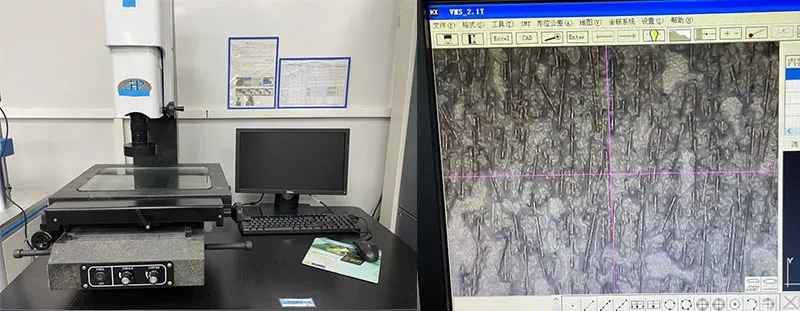
Medical systems run hot, and nobody likes surprise shutdowns. A Carbon fiber pad for medical equipment heat dissipation works best when fiber orientation is tuned right. From imaging units to compact processors, fiber layout quietly controls heat flow and device stability.
Impact on in-plane versus through-plane conductivity
When designing a Carbon fiber pad for medical equipment heat dissipation, fiber orientation directly shapes thermal conductivity and anisotropy. Heat never moves randomly; it follows directional heat flow defined by the internal material structure.
In-plane performance
Aligned fibers create fast lateral heat transfer mechanisms.
· Reduces surface hot zones
· Improves spreading across wide substrates
· Lower thermal resistance along the fiber path
Through-plane performance
Depends on:
· Matrix bonding quality
· Lamination pressure
· Resin distribution
· Vertical transfer often limited by interface gaps
Design balance
Medical imaging boards need:
· Strong lateral diffusion
· Controlled vertical discharge into sinks
A smart Carbon fiber pad for medical equipment heat dissipation blends orientation angles, not just one direction, so both planes cooperate instead of competing.
Compatibility with thermoelectric cooler interfaces
A Carbon fiber pad for medical equipment heat dissipation must sit cleanly against thermoelectric coolers. If the contact feels rough or uneven, contact resistance climbs and cooling drops.
Smooth fiber alignment improves:
· Surface conformity
· Stability within thermal management systems
· Align fibers parallel to the cooler base.
· Optimize resin fill to protect interface properties.
· Match compression force with thermal interface materials.
· Keep pressure consistent to avoid micro air gaps.
Recent industry tracking supports this push toward better integration:
The 2025 Yole Group thermal management outlook notes that advanced interface materials are becoming essential as medical electronics demand tighter temperature control and compact heat pump technology integration.
That trend explains why manufacturers trust Sheen Technology when pairing carbon fiber thermal pads with precision cooling modules. Integration is not just fit; it is long-term device reliability.
Role in uniform heat spreading for microprocessors
Inside imaging controllers and diagnostic units, microprocessors run at high power density. A Carbon fiber pad for medical equipment heat dissipation helps keep thermal uniformity steady across integrated circuits.
Heat spreading goals:
· Reduce hot spots
· Protect signal timing
· Extend device reliability
At the chip level:
· Fibers distribute lateral heat
· Stabilizes clock regions
· Lowers local expansion stress
At the module level:
· Pads bridge processors to chassis
· Enhances overall thermal management
Short bursts of load? No panic. Continuous imaging cycles? Still stable. A well-designed medical-grade carbon fiber heat pad handles both, keeping boards cool without bulky metal plates.
For OEM builders seeking lighter assemblies and smoother heat spreading, Sheen Technology fine-tunes fiber weave patterns so the Carbon fiber pad for medical equipment heat dissipation delivers calm, even cooling—no drama, just performance.
Ventilator Cooling: Carbon Fiber Pad Advantages
Ventilators run nonstop, and heat creeps up fast. A smart Carbon fiber pad for medical equipment heat dissipation keeps systems steady, cool, and ready for critical care without drama.
Enhanced heat spread across ventilator electronics
When a Carbon fiber pad for medical equipment heat dissipation sits inside modern respiratory systems, heat control becomes organized and predictable:
Core Heat Path
1.1 carbon fiber layer with high thermal conductivity spreads energy across a wider surface.
1.2 Stable heat transfer reduces hotspots near processors.
1.3 Sensitive ventilator electronics stay within safe limits.
Component Protection
2.1 Shields fragile electronic components from sudden thermal spikes.
2.2 Supports advanced medical devices requiring tight thermal management.
2.3 Improves overall heat spread across compact boards.
This carbon fiber thermal pad design is especially effective in dense ICU ventilator layouts.
Improved reliability under continuous operation
Hospitals expect 24/7 uptime. A Carbon fiber pad for medical equipment heat dissipation makes that realistic.
· Maintains thermal stability during long shifts.
· Lowers heat stress on circuits.
· Reduces performance degradation in medical ventilators.
1) Strong carbon fiber pads resist compression.
2) Stable conductivity supports continuous operation.
3) Better cooling extends operational lifespan and boosts system reliability.
That’s why teams working with Sheen Technology often select a medical heat dissipation carbon fiber pad for critical airflow systems.
Seamless integration with liquid cooling modules
For advanced builds using liquid cooling modules, integration matters:
Thermal Interface Layer
1.1 The Carbon fiber pad for medical equipment heat dissipation forms a tight thermal interface.
1.2 Improves thermal coupling between boards and heat exchangers.
Cooling Architecture Alignment
2.1 Matches compact cooling systems in portable medical ventilators.
2.2 Supports flexible integration solutions without adding bulk.
With Sheen Technology, a carbon fiber pad for medical equipment heat dissipation fits cleanly into hybrid liquid-air setups, keeping temperatures steady and stress low.
FAQs about Carbon Fiber Pad For Medical Equipment Heat Dissipation
Why is carbon fiber pad for medical equipment heat dissipation favored in MRI systems and CT scanners?
In MRI systems and CT scanners, heat builds quietly inside FPGA chips, power semiconductors, and high-frequency amplifiers—yet stability must never break.
Carbon fiber pads respond through a balanced material profile:
· High thermal conductivity spreads heat quickly toward heat sinks and vapor chambers.
· Electrical resistivity protects diagnostic imaging signals from interference.
· EMI shielding supports clean data output in sensitive imaging rooms.
· Lightweight properties reduce structural stress inside compact housings.
Unlike thermal greases that dry or migrate, carbon fiber structures formed by composite molding and lamination remain stable during 24/7 hospital operation. The result: quieter cooling, fewer shutdowns, steadier imaging clarity.
How does carbon fiber compare with graphite sheets and phase change materials?
Performance differences become clear under constant thermal load from ASIC devices and LED arrays.
| Material | Stability Over Time | Electrical Behavior | Maintenance Need |
| Carbon fiber | Maintains structure under thermal cycling tests | High electrical resistivity | Low |
| Graphite sheets | Good in-plane transfer, fragile edges | Conductive | Moderate |
| Phase change materials | Softens under heat | Insulating | Periodic replacement |
| Thermal greases | Strong initial contact | Insulating | Dry-out risk |
Carbon fiber also pairs well with aluminum nitride substrates and copper alloys, reducing mismatch in coefficient of thermal expansion. In high-value equipment like surgical lasers or ultrasound transducers, that consistency protects both electronics and reputation.
Which specifications matter most before bulk purchasing?
Buyers evaluating carbon fiber pad for medical equipment heat dissipation often group requirements into three layers:
Thermal Performance
· In-plane thermal conductivity
· Specific heat capacity for transient spikes from microprocessors
· Compatibility with heat pipes or liquid cooling modules
Mechanical & Material Match
· Coefficient of thermal expansion aligned with silicon carbide or copper alloys
· Mechanical strength after CNC machining
· Density limits for portable patient monitors or defibrillators
Compliance & Safety
· Biocompatibility for ventilator electronics
· Electrical insulation testing
· Environmental testing and compliance standards
Missing one parameter can mean hotspots, signal noise, or early fatigue—small gaps that grow costly over time.
How is long-term reliability verified before integration into ventilator electronics or patient monitors?
Reliability is proven, not promised.
After surface treatment and precision lamination, pads undergo:
· Thermal cycling tests to simulate repeated start-stop conditions
· Adhesion strength checks against heat sinks and thermal interface materials
· Electrical insulation testing near sensitive sensors
· Non-destructive evaluation for internal voids after pyrolysis or weaving techniques
Only after performance validation do manufacturers integrate them with vapor chambers or thermoelectric coolers. In life-support systems and diagnostic imaging, steady heat control is not just technical—it is personal.
Sheen Thermal
Dongguan Sheen Electronic Technology Co., Ltd · Founded in 2008
Manufacturer of thermal interface materials and silicone foam for automotive electronics, energy storage, power electronics, communications and consumer electronics.
Certified
- ISO 9001:2015
- ISO 14001:2015
- IATF 16949:2016
What we supply
- Thermal conductivity Up to 90 W/m·K
- Thickness 0.3–10.0 mm
- Custom & samples Die-cut to drawing, 3–7 days