
 English
 usheenthermal

Top 3 Factors Influencing the Price of Thermal Paste Revealed
Date:2026-01-27
Top 3 Factors Influencing the Price of Thermal Paste Revealed
When the price of thermal paste feels like liquid platinum, find out the 3 real cost drivers before your bulk order melts your budget.You wouldn’t think a gooey gray smear could throw off your entire production budget. For folks buying in bulk, that tiny tube adds up fast when you're running high-volume assembly lines or outfitting racks of GPUs for heat-heavy tasks.
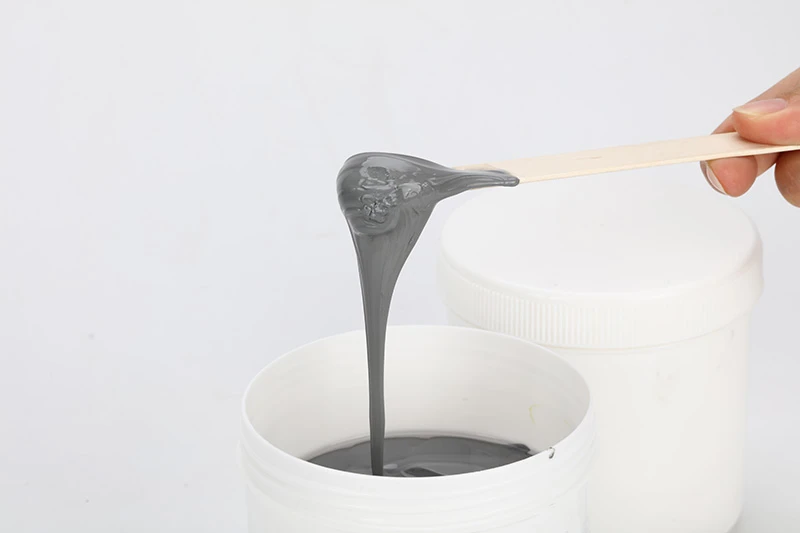
Some buyers fall into sticker shock because they’re chasing brand names or specs without digging into what actually drives cost, We’ve seen clients pay 30% more just for syringe-style packaging.
So before you sign off on another PO, buckle in—this guide breaks down the three real reasons why some thermal pastes cost pennies and others feel like liquid platinum.
Understanding the Basics of Thermal Paste Pricing
Why does thermal paste cost what it does? Let's break down what really drives the price tag.The Science Behind Thermal Interface Material Cost
- Material composition matters. Premium pastes use higher-purity raw materials, which bump up cost.
- The manufacturing process can be complex—vacuum blending, nano-surface treatment, and micro-filtration all add labor and time.
- Research & development isn’t cheap. Brands invest heavily in testing new formulations, especially for high-performance systems.
- Chemical stability is a big deal too; if a paste stays stable at extreme temps, it's likely made with costly ingredients.
Understanding Thermal Conductivity Value and Pricing
Thermal conductivity—often measured as a K-value—is one of the biggest drivers behind pricing differences in thermal paste.| Properties | Thermal Resistance(@30psi) ℃*in2/W |
Thermal Conductivity W/m·K |
Viscosit (Pa·s)@25℃ |
Operating temp ℃ |
| SG560-10 | 0.04 | 1.0 | 150 | -50~150 |
| SG560-20 | 0.035 | 2.0 | 200 | -50~150 |
| SG560-30 | 0.02 | 3.0 | 240 | -50~150 |
| SG560-40 | 0.017 | 4.0 | 350 | -50~150 |
| SG560-50 | 0.015 | 5.0 | 400 | -50~150 |
The higher the thermal conductivity, the better it transfers heat from CPU to cooler—and that performance boost shows up directly in the price of thermal paste. If you're chasing ultra-low temps, expect your wallet to feel it too.
The Impact of Packaging Options on Prices
· Packaging format plays a sneaky-big role in how much you pay: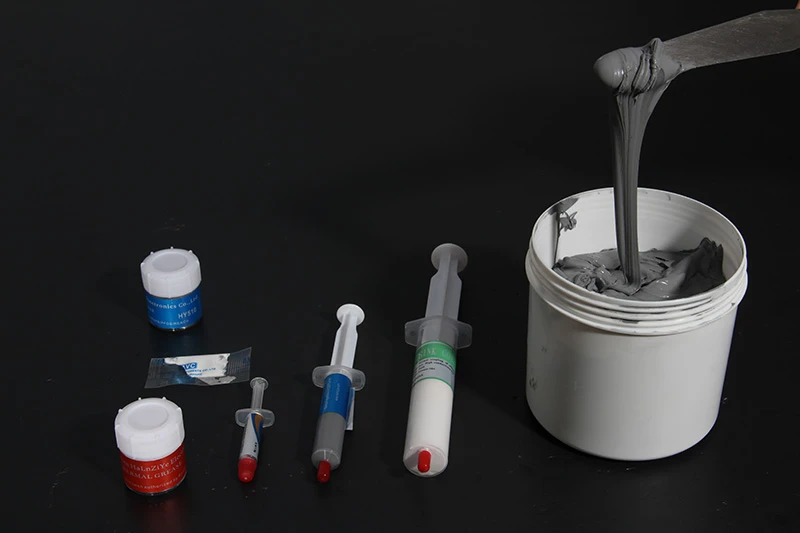
- Syringe packs with custom applicators cost more due to added packaging materials.
- Bulk tubs are cheaper per gram but less convenient for DIY users.
- Branded kits with alcohol wipes or spatulas can raise prices by over 20%.
· If you're buying for multiple builds, bulk may be better value despite upfront cost.
So yeah, don’t ignore how it's wrapped—it changes how much you shell out for that little tube of thermal magic.
Key Characteristics that Drive Price Variations
Let’s group this out so it’s easy to digest:Performance Attributes
- Low thermal resistance
- High stability under load
- Long-lasting durability
- Easy spreadability due to controlled viscosity
- Compatible with various surfaces
- Fast curing time without residue
- Strong brand reputation
- Influencer or review-driven demand spikes
- Extended product shelf life
The Role of Material Quality in Price of Thermal Paste
Material quality plays a huge role in shaping the price of thermal paste, especially when it comes to performance and longevity.How High Thermal Conductivity Affects Cost
.webp "High Thermal Conductivity thermal paste")
.webp "High Thermal Conductivity thermal paste")
When you're chasing top-tier cooling, thermal conductivity is king—but it doesn't come cheap.
So while you're paying more upfront for high-conductivity paste, you're also reducing long-term hardware stress. That’s a trade-off many enthusiasts are willing to make when balancing performance with durability—especially if overclocking is involved.
Why Choose Chemically Stable Formulations?
If you’ve ever seen dried-out goo under a heatsink, you know why chemical stability matters in thermal pastes.Longevity & Performance
• Chemically stable formulations resist breakdown over time.
• They maintain optimal viscosity and spreadability through heat cycles.
• This keeps your rig running at peak without constant reapplication.
Corrosion Resistance
• Stability prevents corrosive reactions with metal surfaces.
• Especially important for aluminum or copper coolers prone to oxidation.
Material Compatibility
• Stable compounds play nice with various surfaces—no weird chemical surprises.
• Reduces risk of degradation or gunk buildup that messes with thermal flow.
Not all pastes are built equal; unstable ones degrade fast, leading to spikes in temperature and reduced component lifespan. So even if you're paying more upfront for a stable formulation, it's saving you from future headaches—and possibly fried gear.
Supply Chain Factors Influencing the Price of Thermal Paste
What really drives the cost behind that tiny tube of thermal paste? Let's break it down.The Importance of Quality Control Procedures in Pricing
You might not think about quality assurance when applying thermal paste, but it's baked into the price tag. Here's how:- Testing protocols like thermal conductivity checks and viscosity analysis ensure every batch meets performance expectations.
- Manufacturers invest heavily in defect prevention, which lowers returns and boosts trust—but raises production costs.
- A single deviation in material consistency can compromise heat dissipation, so rigorous inspections are non-negotiable.
How Automated Production Lines Affect Thermal Paste Costs
When machines take over, things change fast—and for thermal paste production, automation's impact is huge:- Lower labor involvement cuts down on errors and repeat tasks thanks to integrated robotics integration.
- Consistent throughput from automated stations means greater production scalability, even during demand spikes.
- Reduced downtime and fewer manual interventions help decrease overall operational costs.
| Factor | Pre-Automation Cost Impact | Post-Automation Cost Impact | Reduction % |
| Labor per unit | $0.42 | $0.12 | 71% |
| Defective unit rate | 4.8% | 1.2% | 75% |
| Per-unit overhead | $0.18 | $0.09 | 50% |
These changes directly influence the unit-level pricing of thermal pastes across brands—from budget lines to premium-grade options.
With lower per-unit costs achieved via advanced automation technology, companies like Sheen Electronic Technology can offer competitive prices without cutting corners on quality or performance.
Can Bulk Purchasing Lower Your Cost of Thermal Paste?
Bulk buying thermal paste might look like a no-brainer, but the savings depend on how you package, apply, and store it.Evaluating Bulk Container Packaging vs. Syringe Dispenser Pricing
- Bulk packaging typically comes in tubs or jars, offering lower per-unit costs due to reduced packaging cost and simplified logistics.
- Pre-filled syringe dispensers, while convenient, increase the overall expense due to higher material and labor inputs during manufacturing.
— For large-scale assembly lines, bulk containers with manual or automated dispensers are more economical.
— For small repair shops or DIYers, syringes may still make sense despite their higher unit price.
So if you're chasing down that better deal on thermal compound, always factor in both container type and usage volume when comparing options.
Cost Savings from Automated Dispensing Systems
- Reduced human error means less product waste during application.
- Consistent volume control extends coverage per gram used — stretching every dollar further.
- Labor savings stack up fast when machines replace repetitive manual work.
Calculating the Impact of Shelf Life Expectation on Bulk Purchases
The real trick with buying thermal paste in bulk isn’t just scoring a good deal — it's making sure you don’t waste what you save.If your chosen formula has a long enough shelf life, then stocking up makes perfect sense. But if not? You’re flirting with spoilage risk and potential performance drops that could mess with your bottom line later on.
Longer-lasting pastes reduce worries about expiration dates and give flexibility for staggered usage across projects. But storage matters too — poor conditions like excess heat or humidity can cut effective life short even before printed expiry dates hit.
So before you go all-in chasing discounts through bulk orders, think about how fast you’ll actually use that tub under proper storage conditions… because saving upfront doesn’t mean much if half ends up expired or crusty before it even hits a CPU socket.
Future Pricing Predictions for Thermal Paste: What to Expect
Analyzing Long Term Reliability Trends and Pricing
- Longer product lifespan is becoming a hot-ticket demand, especially from PC builders and server farm operators.
- As performance stability expectations rise, manufacturers are investing more in advanced material science, nudging up base costs.
- Lower failure rates over time mean fewer replacements, but ironically, that reliability tends to push prices higher upfront.
The Effect of Regulatory Compliance on Future Prices
- Environmental regulations are tightening globally. These changes hike up both R&D and production expenses.
- Supply chain costs rise with compliance. Sourcing compliant raw materials is more expensive.
FAQs about Price of Thermal Paste
What factors influence the price in bulk orders of thermal paste?- Material choice — from Conductive Paste to Silicone Thermal Paste, each carries its own ingredient value.
- Precision manufacturing steps such as Clean Room Environments or strict Batch Traceability Systems add to expenses.
- Packaging format — low-cost Bulk Container Packaging versus higher-priced precision injection via a Syringe Dispenser Packaging.
How does high thermal conductivity shift pricing in performance-heavy environments?
A rise here means costly fillers and refined compositions but translates into rapid heat escape.
Why do bulk packaging formats reduce per-unit costs for factories?
Bulk containers carry three advantages that ripple through production:
- Faster integration with systems like Automated Dispensing Systems, cutting labor time;
- Lower packaging material use per gram;
- Reduced waste loss compared to small-format dispensers—making them popular in long-run builds such as power amplifier boards.
Can chemical stability justify higher market prices among premium pastes?
A paste with a genuinely stable formula shelters fragile circuits during countless heating-cooling cycles without breakdown or oxidation damage, especially vital for precision work inside communication amplifiers or GPU modules, where machine uptime is sacred.
Does regulatory compliance raise future procurement budgets for thermal materials?
Supplies branded with approvals like RoHS Compliance Certification, meeting strict environmental evaluations such as an Environmental Impact Assessment, often carry extra testing fees but hand manufacturers peace-of-mind—especially those navigating export markets reliant on safe, certified cooling compounds across global electronics channels.
Sheen Thermal
Dongguan Sheen Electronic Technology Co., Ltd · Founded in 2008
Manufacturer of thermal interface materials and silicone foam for automotive electronics, energy storage, power electronics, communications and consumer electronics.
Certified
- ISO 9001:2015
- ISO 14001:2015
- IATF 16949:2016
What we supply
- Thermal conductivity Up to 90 W/m·K
- Thickness 0.3–10.0 mm
- Custom & samples Die-cut to drawing, 3–7 days