
 English
 usheenthermal

Avoid Fire Hazards: Essential Guide to Thermally Pads Flame-Retardant Selection
Date:2026-02-04
Avoid Fire Hazards: Essential Guide to Thermally Pads Flame-Retardant Selection
There’s a fine line between innovation and ignition—ask anyone who's watched their prototype go up in smoke (literally). In high-volume electronics, selecting the wrong thermally pads Flame-retardant is like putting gasoline on a slow burn. That faint electrical hum? It might be your next recall waiting to happen.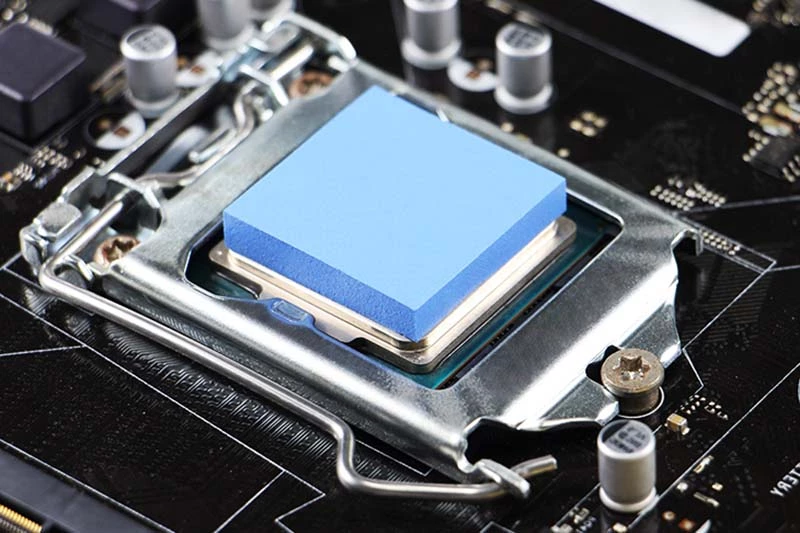
UL Solutions reported that over 33% of electronic fires in consumer products could’ve been prevented with proper flame-retardant insulation. If you’re footing the bill for mass production, cutting corners here isn’t just risky—it’s financially reckless.
Because when it comes to safety, customers don’t care about excuses—they remember the damage.
Understanding Fire Hazards in Electronics
Keeping electronics safe from fire risks isn't just about good design—it's also about materials, clean processes, and solid thermal control.Fire risk drivers in PCB thermal management and power supply insulation
- Poor choice of materials can skyrocket the chance of PCB flammability, especially when flame-retardant thresholds are too low.
- Excessive heat accumulation from high-density circuits stresses components and leads to dangerous thermal runaway.
- Weak or degraded insulation? That’s a direct line to short circuit risk and even full-on power supply failure.
How thermal conductivity performance impacts electronic component cooling safety
When it comes to keeping things cool under pressure, the right thermal interface materials make all the difference. A study by TechInsights in early 2024 found that devices using high-efficiency pads saw a reduction of over 17°C in localized hotspots. That’s big news for anyone battling component overheating.Thermal pads with optimized conductivity spread out heat evenly across surfaces, reducing risk zones before they become critical.
| Thermal Pad Type | Max Heat Dissipation (W/mK) | Flame Rating |
| Silicone Thermal pad | 15.0 | V-0 |
| Non-silicone Thermal pad | 8.0 | V-0 |
| Low-grade filler | <2.5 | NR |
Process failures in thermal interface application that escalate flame hazards
You’d be surprised how often small mistakes lead to fiery outcomes:- Contaminated surfaces before applying TIMs trap moisture and create microbubbles.
- Uneven pressure during pad placement forms voids—hello, hot spots!
- Skipping surface prep entirely? That’s a one-way ticket to delamination and rising thermal resistance increase.
Thermally conductive pads as passive fire prevention tools
Thermally conductive pads aren’t just about heat—they're your first line of defense against ignition events:✓ They disperse excessive heat buildup around sensitive components like VRMs or MOSFETs.
✓ Their inherent material properties support high-temperature stability under duress.
✓ Many come with built-in compliance to UL94-V0 standards—a must-have benchmark in flame retardancy.
By choosing well-engineered thermally conductive solutions with proven cooling efficiency, engineers reduce the odds of catastrophic failure even during peak load cycles.
Misjudging operating temperature range leads to silent ignition risks
Electronics don’t scream when they’re stressed—they smolder silently until it’s too late:A power regulator running just outside its rated temp can cause gradual insulation degradation over weeks—not hours—eventually leading to arcing or board charring without warning signs visible from outside the casing.
That’s why understanding each component’s true operating window is vital—not just what’s printed on spec sheets but how those limits shift under continuous load or poor ventilation conditions.
Role of manufacturing defects on thermally pads’ flame-retardant integrity
- Inconsistent filler dispersion weakens both conductivity and structural cohesion.
- Overcure or undercure cycles change mechanical behavior under stress.
- Residual solvents from rushed production lines compromise long-term stability
Comparing insulation degradation patterns across applications
Not every system fails the same way—but patterns emerge:- High-frequency switching regulators often suffer dielectric breakdown near pin headers due to repetitive voltage stress.
- Consumer devices show more edge delamination due to compact casing designs causing uneven compression on thermal layers.
- Industrial boards tend toward gradual carbon tracking along vias exposed repeatedly beyond their rated current thresholds
Thermally Pads Flame-Retardant Types Explained
Different types of thermally pads with flame-retardant properties serve unique roles based on material science, design needs, and safety standards.Silicone based compounds for LED lighting systems and heat sink attachment

- Silicone compounds deliver high elasticity and low thermal resistance—perfect for snug fits between LEDs and heat sinks.
- These materials remain stable under UV exposure, moisture, and extreme temps.
- You’ll often find them in automotive headlamps, commercial signage, or smart home lighting gear.
Epoxy resin systems engineered for high operating temperature range stability
Epoxies are the no-nonsense solution when you need rigid bonding under stress:- Withstand heat up to 180°C without warping.
- Offer excellent chemical resistance against oils and cleaning agents.
- Maintain structural integrity across wide operational ranges.
Acrylic adhesive films supporting electrical insulation capability in compact designs
- Ultra-thin yet mighty—these acrylic films slide easily into tight spaces without compromising insulation quality.
- Compatible with automated die-cutting setups—saves time during mass production runs.
- High dielectric strength ensures rock-solid performance even under voltage spikes.
Flame retardant materials tailored by specialty material manufacturers
"By 2024, over 78% of industrial electronics manufacturers cited 'custom flame-retardant formulations' as critical to meeting new global compliance standards." — FutureMaterials Insight ReportSheen Electronic Technology taps into this trend by collaborating with top-tier specialty material manufacturers, creating solutions that balance:
- Fire safety standards like UL94 V-0 certification.
- Mechanical durability tailored per device type.
- Regulatory compliance across multiple regions including RoHS & REACH.
Incorporating different forms of segmented thermally pads—from flexible elastomers to rigid thermosets—gives engineers more than just options; it gives them peace of mind when building safer, smarter electronics systems that won’t burn out… literally.
3 Essential Features for Optimal Flame Protection
Thermally pads flame-retardant materials aren't just about keeping things cool—they're about survival under pressure. Here's what really counts.Thermal conductivity performance balanced with flame retardancy rating
- To get the best out of thermal interface materials, you need two things working in sync: solid heat dissipation and uncompromising fire safety.
- The trick is balancing high thermal conductivity with a UL 94 V-0 flame retardancy rating—no easy feat, but essential.
- Materials like silicone-based pads hit this sweet spot, spreading heat fast while resisting ignition during overloads.
Electrical insulation capability under wide operating temperature range
- Strong dielectric strength prevents arcing even at high voltages.
- Consistent insulation resistance ensures long-term reliability across hot and cold extremes.
- High-end materials maintain their electrical insulation properties even past 150°C.
Chemical resistance properties verified through ASTM testing protocols
✔ Verified through ASTM D543 for acid/base exposure✔ Passed ASTM D1308 solvent interaction tests
✔ Maintains integrity after salt spray (ASTM B117)
These ASTM standards aren’t just alphabet soup—they’re proof that your material won’t melt down when faced with fluxes, oils, or cleaning solvents. That’s non-negotiable for long-term deployment in dirty, real-world environments where failure isn’t an option.
Meeting Compliance: Flame-Retardant Regulations You Need
Keeping up with safety and compliance rules isn’t just smart—it’s survival. Here's how to stay on the right side of flame-retardant and material standards.UL 94 Flame Safety: Benchmarking thermally conductive pads for ignition control
- UL 94 testing tiers (HB, V-2, V-1, V-0 rating) help rank materials based on how quickly they self-extinguish after being lit.
- The most common application? Thermal interface materials like thermal pads, which need to resist ignition inside tight enclosures.
- Engineers often benchmark thermal pad performance by:
· Testing across vertical vs. horizontal mounting
· Comparing flame spread under identical thermal loads
In real-world terms, if your flame retardancy isn't up to snuff, that cooling pad could become a fire hazard instead of a heat sink. No joke—UL’s V-ratings are the difference between safe shutdowns and smoked-out circuit boards. Always verify against certified lab data before integrating new materials.
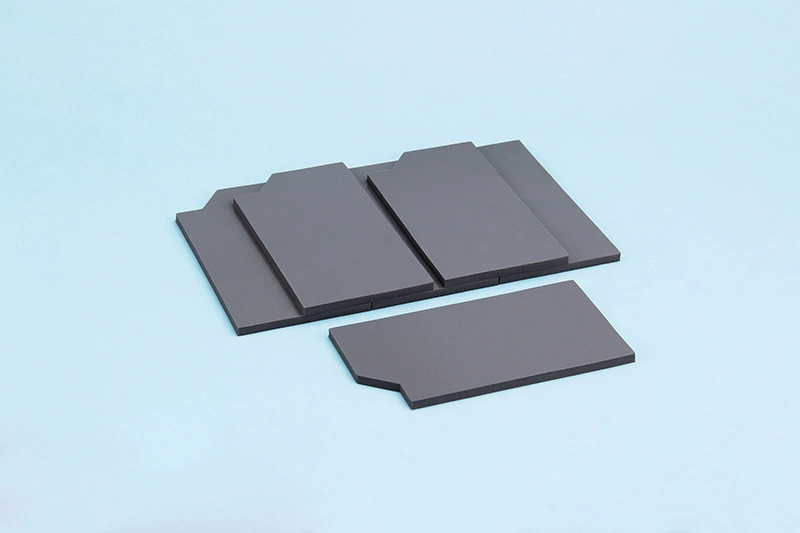
Sheen Thermal pad UL 90 Flame test records
| Sample: | Thermal Pad | ||
| Thickness: | 3.0mm | Colo: | Grey |
| Ambient Temp: | 23.5℃ | Humidity: | 50 %RH |
Materials classifications:
| Criteria conditions | V-0 | V-1 | V-2 |
| After flame time for each individual specimen t1 or t2 | ≤10s | ≤30s | ≤30s |
| Total after flame time for any condition set (t1 plus t2 for the 5 specimens | ≤50s | ≤250s | ≤250s |
| After flame plus afterglow time for each Individual specimen after the second flame application (t2 +t3 ) | ≤30s | ≤60s | ≤60s |
| After flame or afterglow of any specimen up to the holding clamp | No | No | No |
| Cotton indicator ignited by flaming particles or drops | No | No | Yes |
| No. | t1(s) | t2(s) | t3(s) | All sample t1+t2≤50S | Single sample t2+t3≤30S | Does it light the cotton | Whether the burnt out | Level of compliance |
| 1 | 0.9 | 0.8 | 0.2 | Meet | Meet | No | No | V-0 |
| 2 | 0.8 | 0.6 | 0.2 | No | No | |||
| 3 | 0.8 | 0.5 | 0.2 | No | No | |||
| 4 | 0.8 | 0.6 | 0.2 | No | No | |||
| 5 | 0.7 | 0.5 | 0.2 | No | No |
RoHS compliance standard and REACH regulation adherence in material sourcing
Material sourcing gets tricky when juggling both RoHS and REACH restrictions.Hazardous Substances Control
- RoHS bans lead, mercury, cadmium—six substances total.
- REACH regulates thousands more via SVHC lists.
- Every supplier must provide valid Certificates of Compliance.
- Cross-check CAS numbers against ECHA’s latest updates.
- Keep digital MSDS records for all components.
- Conduct random supply chain audits every quarter.
FAQs about Thermally Pads Flame-Retardant
1. What sparks the biggest dangers in PCB thermal management and insulation?· Overheated zones inside PCB Thermal Management systems breed arcs or burnt spots fast.
· Use of poor-grade Flame Retardant Materials leaves a supply chain open to ignition risk.
· Flawed Electrical Insulation Capability cannot withstand sudden power surges in high-load modules.
2. How do flame-retardant thermally conductive pads calm the heat while guarding against fire?
Like an invisible shield, these materials marry Thermal Conductivity Performance with tested Flame Retardancy Rating, allowing circuit assemblies to hold steady through wide swings in their Operating Temperature Range, protecting both function and people nearby.
3. Why are silicone based compounds trusted for LED lighting production lines?
| Benefit Highlight | Production Impact on LED Systems |
| Strong bonding for Heat Sink Attachment Techniques | Prevents loosened chips during vibration |
| Flexibility across assembly methods | Works with both manual tools & robots |
| Stability under repeated heating cycles | Longer service life without yellowing covers |
4. How does insulation hold firm when temperatures swing wildly?
By resisting breakdown even as components warm and cool—thanks to balanced composition verified by IPC Standards Compliance—the pad’s core keeps signals pure, avoiding short bursts of chaos from unexpected shorts during temperature peaks.
5. What quality marks signal a safe bulk purchase choice?
When products carry badges like UL 94 Flame Safety approval, RoHS Compliance Standard review notes, REACH Regulation Adherence proofs, plus ASTM Testing Protocols records—they speak directly to procurement teams about trust and long-term stability before any invoice signs off.
Sheen Thermal
Dongguan Sheen Electronic Technology Co., Ltd · Founded in 2008
Manufacturer of thermal interface materials and silicone foam for automotive electronics, energy storage, power electronics, communications and consumer electronics.
Certified
- ISO 9001:2015
- ISO 14001:2015
- IATF 16949:2016
What we supply
- Thermal conductivity Up to 90 W/m·K
- Thickness 0.3–10.0 mm
- Custom & samples Die-cut to drawing, 3–7 days