
 English
 usheenthermal

What are the best high-temperature Thermal Conductive Insulation Sheets for your project?
Date:2026-07-31
Thermal conductive insulation sheets — also known as thermal film — serve a dual function in electronics design: conducting heat away from components while providing electrical isolation between live circuits and grounded heatsinks.
For engineering teams specifying materials for power electronics, aerospace systems, or automotive control units, selecting the right thermal film involves balancing thermal conductivity, dielectric strength, mechanical properties, and environmental resistance.
This guide compares the three primary material types — polyimide, silicone rubber, and fiberglass-reinforced epoxy — and provides a product-level selection framework for Sheen Technology's thermal film portfolio.
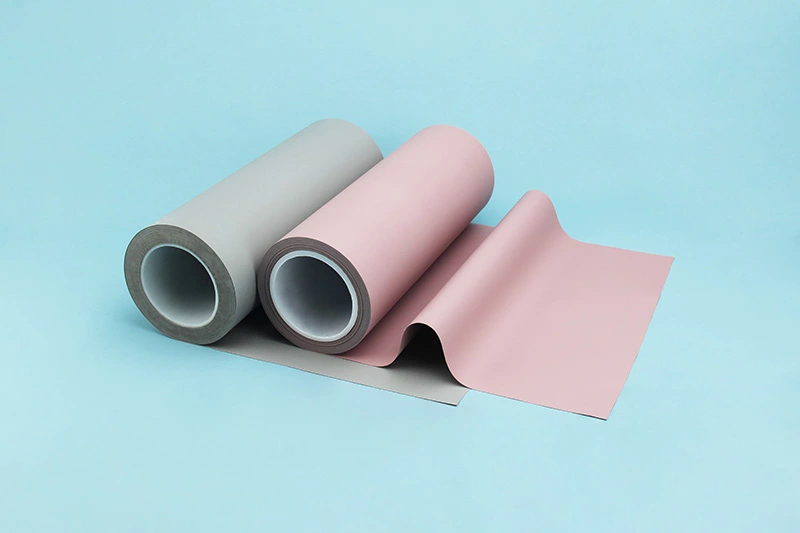
What Are High Temperature thermal conductive Insulation Sheets?
Defining High Temperature thermal conductive Insulation Sheets: An Overview
- High temperature thermal conductive Insulation Sheets are thin-layered thermal materials designed to resist extreme heat.
- They act as thermal barriers, shielding sensitive components from high-energy environments.
- These sheets come in various forms depending on the required temperature resistance, thickness, and flexibility.
- Used in furnaces, engines, and electrical panels.
- Often paired with other materials for layered heat management solutions.
These products are often made with engineered polymers or reinforced composites that provide both mechanical strength and exceptional thermal protection under pressure. Whether you're dealing with aerospace-grade demands or heavy-duty factory systems, these sheets keep things cool.
Differences Between Material Types
Grouped comparison makes it easier to see why you'd go for one over the other:
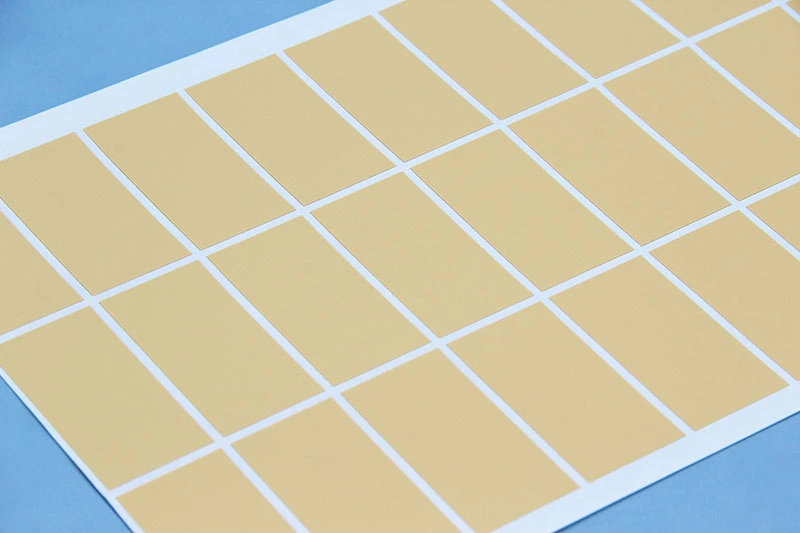
Polyimide Sheets
- Excellent thermal stability
- Withstand temps up to ~200°C
- Strong resistance to chemicals
- High dielectric strength
Silicone Rubber Sheets
- More flexible under pressure
- Operate steadily around 200–250°C
- Great for dynamic sealing surfaces
- Better for vibration-heavy environments
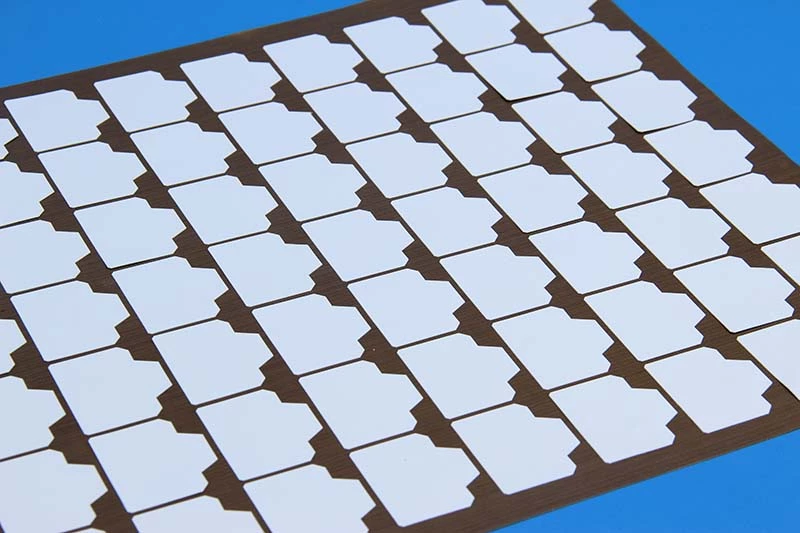
Fiberglass:
- Good insulation properties
- High heat resistance
- Good corrosion resistance
- High mechanical strength
| Properties | Substrate Type | Thermal Conductivity (W/m·K) | Tensile Strength (psi) | Standard Hardness (Shore A) | Custom Thickness (mm) | Operating Temp (℃) | breakdown Voltage (kV@AC) |
| SC800FG | Fiberglass | 0.8 | 450 | 90 | 0.15~1.0 | -50~200 | >4 |
| SC900FG | Fiberglass | 2.0 | 450 | 90 | 0.15~1.0 | -50~200 | >4 |
| SC1000FG | Fiberglass | 3.5 | - | 90 | 0.2~0.5 | -50~200 | >4 |
| SC2000FG | Fiberglass | 5.0 | - | 90 | 0.2~0.5 | -50~200 | >4 |
| SC800-PI-2-K4 | Polyimide | 0.9 | - | 90 | 0.1~0.5 | -50~200 | >4 |
| SC800-PI-2-K6 | Polyimide | 1.1 | - | 90 | 0.1~0.5 | -50~200 | >4 |
| SC800-PI-2-K10 | Polyimide | 1.3 | - | 90 | 0.1~0.5 | -50~200 | >4 |
Each SC-series product is identified by its substrate (FG = fiberglass, PI = polyimide) and thermal conductivity. Selection guidelines: SC800FG (0.8 W/m-K) — cost-optimized for general insulation where thermal load is moderate. SC2000FG (5.0 W/m-K) — maximum performance fiberglass for power electronics requiring both structural integrity and heat transfer. SC800-PI (0.9-1.3 W/m-K) — polyimide films for flexible circuits and space-constrained PCB applications where thin profile (0.1-0.5 mm) and high dielectric strength are primary requirements.
Applications in Various Industries: From Aerospace to Automotive
Short bursts help highlight real-world use cases:
- In jet engines and spacecraft panels? Yep—these sheets handle scorching temps like pros thanks to their role as crucial layers of aerospace insulation.
- Inside car hoods near turbochargers? Absolutely—they're key players in modern-day automotive thermal management, keeping components cool under pressure.
- Found behind circuit boards too—they double as compact yet powerful forms of electronic insulation, especially where space is tight but heat is wild.
| Application | Recommended Product | Reason |
| IGBT/MOSFET insulation in power inverters | SC2000FG (5.0 W/m-K) | Highest conductivity for power module baseplate isolation |
| Flexible PCB thermal management (aerospace, mil-spec) | SC800-PI-2-K10 (1.3 W/m-K) | Thin polyimide film for flexible circuits with high dielectric |
| Automotive ECU heatsink isolation | SC900FG (2.0 W/m-K) | Balance of conductivity, rigidity, and cost for volume production |
| Bus bar insulation in power distribution | SC1000FG (3.5 W/m-K) | Mid-range conductivity with structural integrity for planar surfaces |
| General PCB-to-heatsink isolation | SC800FG (0.8 W/m-K) | Cost-optimized; adequate for moderate thermal loads in consumer/industrial |
Top High Temperature thermal conductive Insulation Sheets for Your Project
Need something that can take the heat? These high temperature thermal conductive Insulation Sheets don’t just survive extreme conditions—they thrive in them.
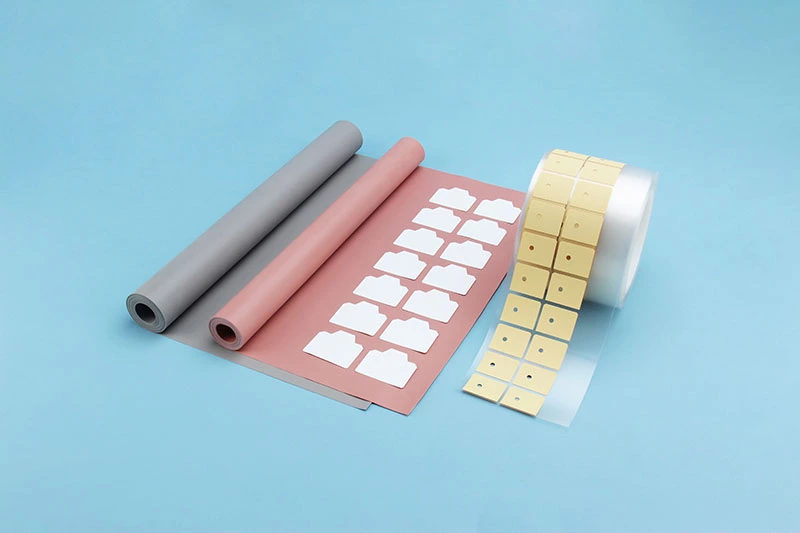
Polyimide Film: The Choice for PCB Thermal Management
- Polyimide sheets, like Kapton, are known for their insane heat resistance—up to 200°C.
- They're super thin and lightweight, perfect for tight PCB designs.
- Excellent dielectric properties make them ideal for electrical insulation in high-frequency circuits.
- Their stability under thermal cycling keeps your board safe during power surges or reflow soldering.
- Used heavily in aerospace and telecoms—where failure is not an option.
- Compatible with flexible circuits, thanks to their mechanical resilience.
These films are the go-to when you need hardcore thermal management without adding bulk.
Silicone Rubber Sheets: Ideal for Automotive Control Units
You want something that bends but doesn’t break under pressure? That’s where silicone rubber sheets shine.
- They handle wide temp swings—from -50°C up to 200°C—without cracking.
- Super flexible, even after years of use inside hot engine bays.
- Perfect fit for automotive ECUs and control modules needing reliable thermal buffering.
Now layer on this: they’re resistant to oil, ozone, and weathering. That’s why automakers trust silicone-based materials in their electronics enclosures and wiring harnesses.
Whether you're insulating a relay box or wrapping a sensor module, these sheets keep things cool—and safe.
Fiberglass Reinforced Epoxy: High Thermal Conductivity for Power Electronics
If you're working with heavy-duty power components, this one’s your guy. Why? Because it blends structure with serious heat-moving muscle.
| Properties | Substrate Type | Thermal Conductivity (W/m·K) | Tensile Strength (psi) | Custom Thickness (mm) | breakdown Voltage (kV@AC) |
| SC900FG | Fiberglass | 2.0 | 450 | 0.15~1.0 | >4 |
| SC800-PI-2-K4 | Polyimide | 0.9 | - | 0.1~0.5 | >4 |
And if you're sourcing any of these materials? Sheen Electronic Technology stocks premium-grade options across all categories of high temperature thermal conductive Insulation Sheets, ready to ship straight into your next build.
Key Properties to Look For in thermal conductive Insulation Sheets
Picking the right insulation sheet isn’t just about thickness—it’s about knowing what really matters for heat, voltage, chemicals, and fire.
High Thermal Conductivity: Ensuring Efficient Heat Dissipation
- Aluminum nitride, boron nitride, and graphite-based materials are top performers for heat dissipation.
- Look for sheets with thermal conductivity above 10 W/m·K if your setup gets hot fast.
- The higher the thermal conductivity, the faster excess energy gets pulled away from sensitive electronics.
In high-power LED setups or EV battery packs, poor heat transfer can melt things down—literally. That’s why good thermal management is more than a bonus; it’s survival.
Excellent Dielectric Strength: Protecting Your Electronics
- Go for dielectric strength ratings above 20 kV/mm when dealing with high-voltage circuits.
- Materials like polyimide and fiberglass offer superior electrical insulation while staying flexible.
- Cross-check breakdown voltage values under both dry and humid conditions—moisture can wreck your numbers.
Industry surveys consistently identify insulation failure as a leading cause of industrial electronics downtime, making dielectric strength and thermal stability critical specification parameters.
Chemical Resistance: Choosing the Right Sheet for Harsh Environments
☑️ Resistant to acids? Check.
☑️ Tolerant of solvents like acetone or MEK? Definitely needed.
☑️ Stable in salty air or corrosive vapors? Must-have in marine zones.
In harsh environments, even a tiny breach leads to rapid degradation. Think rusted terminals or warped covers within weeks if your sheet lacks proper chemical inertness.
Wide Operating Temperature: Performance Across Various Conditions
You want your insulation sheet to hold up whether it's freezing at -50°C or blazing past +200°C.
Short bursts of extreme heat shouldn’t warp your material—or worse, cause it to crack when cooled again quickly (hello thermal shock). A good sheet handles both ends like a pro without losing form or function.
When selecting for environments that swing wildly in temp (like aerospace), don’t mess around—go straight for proven high-temp champs that won’t flinch under pressure.
Flame Retardant Properties: Ensuring Safety Compliance
- Self-extinguishing behavior is key—this means once the flame source is gone, so is the fire risk.
- Materials should meet UL94 V-0 standards at minimum; anything less puts safety on thin ice.
- Watch out for toxic smoke output too—some cheaper options pass flame tests but release nasty fumes during combustion.
Fire safety isn’t just about avoiding disaster—it’s also about meeting codes and passing inspections without headaches later on.
Sheen Electronic Technology has been making waves by blending non-combustible fillers into flexible laminates that actually feel soft but resist ignition impressively well under lab tests.
How to Choose High Temperature thermal conductive Insulation Sheets?
Picking the right kind of high temperature thermal conductive Insulation Sheets doesn’t have to be a guessing game—here’s how to break it down and make a smart call.
Thickness Range Considerations: From 0.05mm to 2.0mm
Choosing the right thickness is all about matching your needs with what the material can handle:
- For tight spaces or electronics, go thin—around 0.05mm to 0.2mm is usually spot on.
- If you’re dealing with industrial equipment, bump it up—anything above 1.5mm gives better durability.
- Mid-range thicknesses like 0.5mm or 1.0mm are flexible enough for general applications without sacrificing too much space.
The thicker the sheet, the more heat it can resist—but flexibility drops off fast as you go up in size. So balance your performance goals with physical constraints before locking in your choice.
Regulatory Compliance: Ensuring RoHS and UL 94 V-0 Rating
Meeting global safety and environmental standards isn’t just red tape—it’s critical:
- Look out for the UL 94 V-0 rating, which means the material self-extinguishes quickly when exposed to flame.
- Confirm that your thermal conductive Insulation Sheets follow strict RoHS compliance, ensuring they’re free from hazardous substances like lead or mercury.
- Always check documentation; manufacturers should provide clear declarations of both certifications.
According to Statista's Q2 2024 Material Safety Report, over 78% of electronic OEMs now mandate both certifications before approving new thermal components.
Surface Treatment Options: Choosing Adhesive Backing vs Treated Surfaces
There’s no one-size-fits-all answer here—it depends on how you're applying those sheets:
- Need quick installation? Go with a self-adhesive backing—it sticks fast and skips the mess of glue or clamps.
- Want better thermal bonding? Choose a sheet with a specialty surface treatment, like silicone coating or plasma cleaning.
- For curved surfaces, flexible adhesive layers win out, while flat panels benefit from treated finishes that enhance contact uniformity.
So if you're mounting inside devices where space is tight and time is short, adhesives are king; otherwise, surface-treated options give you longer-lasting results in high-load environments.
FAQs about High Temperature thermal conductive Insulation Sheets
1. What are the main uses of high temperature thermal conductive Insulation Sheets in demanding environments?
In aerospace electronics protection, automotive control units, and PCB thermal management, these sheets stand guard against heat creep. They cradle sensitive circuits, shield power electronics from excess warmth, and keep high frequency assemblies stable when summer-like temperatures hit industrial floors.
2. Which materials shine under extreme heat?
- Polyimide film: prized for excellent dielectric strength in PCB thermal management
- Silicone rubber sheets: flexible saviors for vibration-prone automotive modules
- Fiberglass reinforced epoxy: sturdy partner in power electronics insulation tasks
3. What properties truly matter during selection?
Characters to look for:
- High thermal conductivity for swift temperature dispersal.
- Flame retardant properties (UL 94 V-0) so fire risks stay muted.
- Excellent dielectric strength to safeguard intricate signal paths.
- The right trio can mean years of sustained reliability even under electrical stress and continuous heat cycles.
4. Are custom thicknesses possible beyond standard ranges?
Yes — while thin film laminates run 0.05 mm to 0.5 mm and some formats span up to 2 mm thick, custom thickness options appear whenever a designer dreams outside the ordinary chart.
5. How do surface treatments help during installation?
- Corona-treated surfaces awaken adhesion potential by gently roughening the layer;
- Plasma-treated films grip where smooth ones slip;
- Adhesive backing options make placement almost theatrical — peel, press, bond — securing your high temperature insulation layer without worrying about delamination under repeated heating spells.
Sheen Technology Thermal Film Solutions
Sheen Technology's SC-series thermal conductive insulation sheets provide engineered electrical isolation with thermal conductivity across three substrate types:
| Series | Substrate | Conductivity Range | Thickness Range | Best For |
| SC-FG | Fiberglass | 0.8-5.0 W/m-K | 0.15-1.0 mm | Power electronics, bus bars, structural insulation |
| SC-PI | Polyimide | 0.9-1.3 W/m-K | 0.1-0.5 mm | Flexible circuits, aerospace, high-frequency PCBs |
All products: RoHS/REACH compliant, UL 94 V-0 rated, breakdown voltage >4 kV AC, operating range -50 to +200 deg C. Custom thicknesses and die-cut formats available.
Need thermal film samples for your design evaluation?
→ View complete product datasheet: https://www.sheenmaterials.com/resource/datasheet-download/
→ Schedule a technical consultation with a Sheen Technology application engineer
Sheen Thermal
Dongguan Sheen Electronic Technology Co., Ltd · Founded in 2008
Manufacturer of thermal interface materials and silicone foam for automotive electronics, energy storage, power electronics, communications and consumer electronics.
Certified
- ISO 9001:2015
- ISO 14001:2015
- IATF 16949:2016
What we supply
- Thermal conductivity Up to 90 W/m·K
- Thickness 0.3–10.0 mm
- Custom & samples Die-cut to drawing, 3–7 days