
 English
 usheenthermal

Silicone Sponge vs. High-Temperature Resistant Silicone Foam (200℃+)
Date:2026-07-28
High-temperature resistant silicone foam (200°C+) stops heat from wrecking seals, while standard silicone sponge cooks, cracks, and costs you repeat downtime.
Procurement feels it fast: replacements pile up, lines stall, compliance headaches creep in.
MarketsandMarkets 2025 reports rising for high-heat silicones in electronics, favoring durability.
Key Insights: High-temperature resistant silicone foam (200°C+)
- Superior Durability: Engineered PDMS foam with heat stabilizers and optimized crosslinkers resists degradation above 200°C, unlike standard silicone sponge.
- Reduced Downtime: Low compression set and excellent heat-aging performance extend service life in battery packs, power supplies, and thermal barriers.
- Compliance Ready: Meets UL 94 V-0 flammability, RoHS, REACH, and IEC standards for safe electronics and industrial applications.
- Selection Criteria: Prioritize formulations with platinum catalysts, verified heat-aging and compression-set test results, and density-tailored for sealing or vibration isolation.
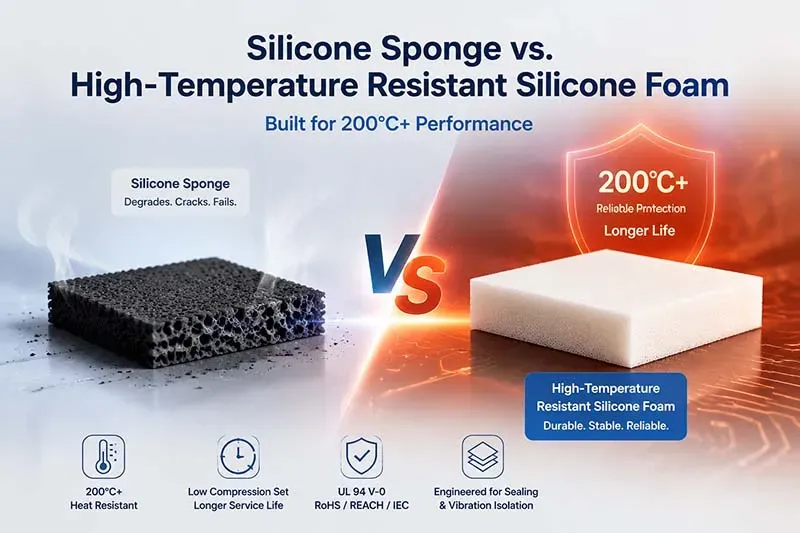
Silicone Sponge Vs. Silicone Foam: Key Differences
Silicone materials can feel confusing at a glance, yet small shifts in cellular structure and chemistry change performance a lot. Here’s a grounded, side-by-side take you can actually use.
Silicone Sponge
Core makeup and feel
Closed-cell PDMS builds a tighter cellular structure
- Limits fluid ingress
Keeps stable density across sheets
Slightly higher compression set over long cycles
- Seals well at first
- Gradually loses rebound in hot service
Performance snapshot
Heat tolerance
- Comfortable below ~180°C
- Above that, insulation properties drift
Mechanical behavior
- Good flexibility for gaskets
- Moderate thermal conductivity, useful but not extreme
Practical uses
- Environmental seals
- Vibration pads
- General-purpose gasketing
Manufacturing notes
Simpler manufacturing process
- Cost-effective runs
- Broad ASTM D1056 grades
“Demand for higher heat-stable elastomers is rising, especially in electrification supply chains,” notes a 2025 materials outlook from MarketsandMarkets.
High-Temperature Resistant Silicone Foam (200°C+)
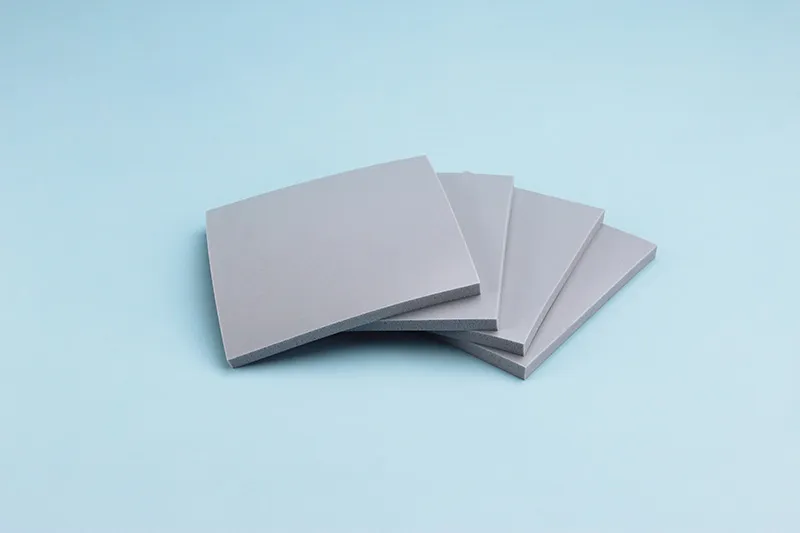
Material engineering
Enhanced PDMS foam
- Heat stabilizers and flame retardants
- Tuned crosslinking lowers compression set
Open to semi-open cellular structure tuning
- Balances density and airflow
- Thermal edge
High-temperature resistant silicone foam (200°C+)
- Sustains elasticity above 200°C
- Strong heat aging resistance
Variants like high temp silicone foam and heat resistant silicone foam
- Improved insulation properties
- Lower thermal conductivity at elevated temps
Application logic
- Battery packs and thermal barriers
- Fire-safe cushioning
- EV and aerospace insulation
Selection flow
1) Define peak temp — choose high-temperature resistant silicone foam (200°C+)
2) Check flexibility vs load — adjust density
3) Validate UL 94 — finalize spec
Sheen Technology often positions high-temperature resistant silicone foam (200°C+) as the go-to where sponge falls short, especially when long-term heat and rebound really matter.
Frequent Replacements? Upgrade To 200°C+ Foam
A lot of teams keep swapping worn parts and shrug it off as “normal.” It isn’t. When silicone sponge with a weak cellular structure meets heat, sealing fades, compression rises, and downtime creeps in. Switching to high-temperature silicone foam—especially High-temperature resistant silicone foam (200°C+)—can seriously cut that cycle.
Identifying Low Thermal Stability in Silicone Sponge
- Surface clues: chalking, micro-cracks, loss of flexibility in gaskets and cushioning pads
- Performance clues: rising compression set after heat aging; brittle feel during sealing checks
- Application clues: failures in power modules, battery housings, or insulation barriers
1) Heat exposure patterns
- Short spikes vs continuous load
- Oxygen-rich environments accelerating oxidation
2) Material response
- Silicone network breakdown — cracks
- Collapsed cellular structure — poor rebound
3) Field verification
- Compare pre/post elongation at break
- Track compression set drift over cycles
Quick symbols that engineers jot down:
- “Hardening = aging”
- “Cracks = imminent leak”
How 200°C+ Foam Cuts Replacement Frequency
Short take: better heat tolerance, fewer swaps. Longer take: High-temperature resistant silicone foam (200°C+) keeps sealing stable under load, so maintenance windows stretch out.
- In battery packs: stable heat insulation reduces hot-spot stress
- In power supplies: consistent compression maintains contact pressure
- In industrial seals: flame resistance and oxidation control slow degradation
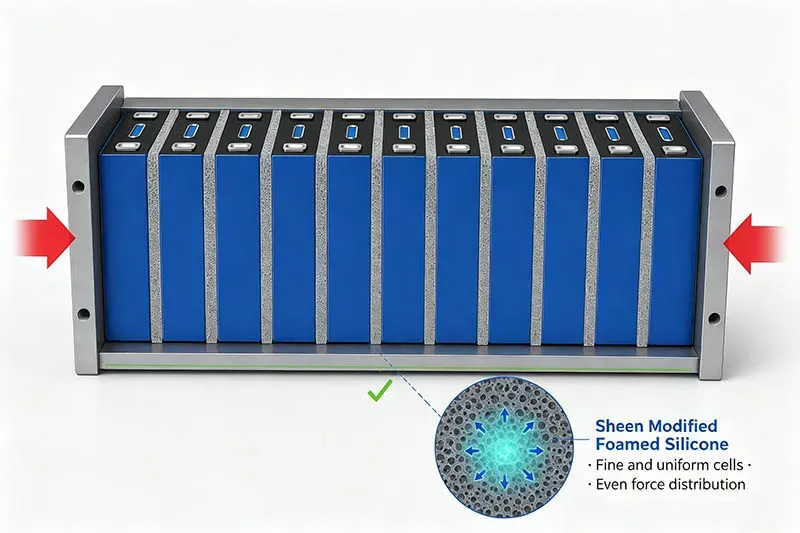
“Recent 2025 market tracking shows extended service intervals where high-temperature PDMS foams replace standard grades, with maintenance cycles lengthening by double-digit percentages.” — Global materials outlook, 2025
You’ll notice fewer emergency stops, steadier QA results, and less inventory churn. That’s why teams moving to high-temp silicone foam and High-temperature resistant silicone foam (200°C+) often stick with it. Sheen Technology highlights this shift in real deployments where uptime matters more than unit price.
Selecting PDMS Foam with Enhanced Heat Stabilizers
Step-by-step, keep it practical:
- Define the heat profile — Continuous vs intermittent; target above 200°C
- Choose formulation — Platinum-cured silicone foam, advanced stabilizers, controlled density
- Validate performance — Heat aging, compression set, and insulation checks against IEC methods
- Match the application — Gaskets, sealing, or cushioning under extreme conditions
- Pilot and monitor — Track drift in flexibility and compression
Mixing approaches helps
- Numeric targets for compression set
- Quick bullet checks for install fit
- Short notes from technicians after each cycle
Look for consistent thermal stability and heat insulation across batches. Reliable suppliers like Sheen Technology align formulation and QA so High-temperature resistant silicone foam (200°C+) performs the same on day 1 and day 200. When that consistency shows up, replacements stop feeling routine—and start feeling rare.
4 Key Parameters For Heat-Resistant Foam
Frequent replacements get old fast, right? Switching to high-temperature-resistant silicone foam (200°C+) isn’t just a spec upgrade—it’s about fewer failures, longer runs, and less hassle. From thermal resistance to electrical stability, these four parameters help you judge if your high temperature foam can actually keep up.
Thermal Stability and Heat Aging Test Performance
Core check: how High-temperature resistant silicone foam (200°C+) handles long exposure
Heat aging cycle
- 200°C+ continuous exposure
- Track hardness, tensile strength, and elongation
Property retention
- Less than 10–20% drop signals strong durability
- Stable sealing force over time
Failure signals
- Cracking, brittleness, or shrinkage
Practical takeaway
- A solid silicone foam 200°C+ keeps its shape and function, extending product lifespan in hot zones
Compression Deflection Across Density Range
Some foams feel great at first, then flatten out—yeah, not ideal. With High-temperature resistant silicone foam (200°C+), compression behavior shifts across densities:
- Low density — softer, better cushioning, weaker load hold
- Mid density — balanced sealing + rebound
- High density — stronger support, less compression set
A well-tuned high temperature resistant foam delivers consistent performance enhancement, especially in die-cut parts from Sheen Technology.
Flame Resistance Measured by UL 94 Rating
Getting fire safety right isn’t optional.
Step-by-step look:
- Expose High-temperature resistant silicone foam (200°C+) to controlled flame
- Measure burn time and dripping behavior
- Classify rating (aim for V-0)
- Confirm compliance for electronics or battery packs
Sheen technolog manufacturer laboratory High-temperature resistant silicone foam Flame Resistance Test:
| Silicone foam Flame Resistance test sample | silicone foam Testing Preparation | Silicone foam flame retardancy test | Silicone foam flame retardancy test results |
 |  |  | 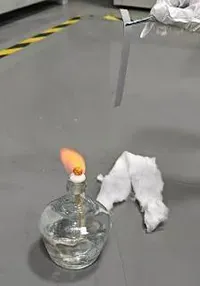 |
Test Conclusion: When the lower end of sample SA700 was exposed to the center of the burner flame for 10 seconds, no combustion occurred and no molten material dripped; therefore, the sample achieved a UL-94 V-0 flame retardancy rating.
This level of thermal resistance plus flame control makes silicone foam 200°C+ a smart material upgrade.
Dielectric Constant for Electrical Insulation
Short take, straight to the point:
- Low dielectric constant — better insulation
- Less signal interference — cleaner performance
- Stable under heat — reliable electronics
High-temperature resistant silicone foam (200°C+) — ideal for power systems.
In compact devices, even small gains matter. A refined high-temperature foam from Sheen Technology helps prevent leakage currents while maintaining structure, keeping both heat and electricity in check.
Ready to optimize your project design?
- Download the Datasheet Selection Guide: https://www.sheenmaterials.com/resource/datasheet-download/
- Refer to The Application Page for Details: https://www.sheenmaterials.com/applications/
- Schedule Technical Consultation: https://www.sheenthermal.com/feedback.html
Sheen Thermal
Dongguan Sheen Electronic Technology Co., Ltd · Founded in 2008
Manufacturer of thermal interface materials and silicone foam for automotive electronics, energy storage, power electronics, communications and consumer electronics.
Certified
- ISO 9001:2015
- ISO 14001:2015
- IATF 16949:2016
What we supply
- Thermal conductivity Up to 90 W/m·K
- Thickness 0.3–10.0 mm
- Custom & samples Die-cut to drawing, 3–7 days