
 English
 usheenthermal

How Graphite Heat Dissipation for Medical Equipment Improves Safety
Date:2026-07-11
How Graphite Heat Dissipation for Medical Equipment Improves Safety
Heat creep is the quiet saboteur, and Graphite Heat dissipation for medical equipment stops it early, keeping devices safe.
Compact devices run hotter, pushing accuracy, uptime, and compliance to the edge while cooling adds weight.
Sheen Technology engineers note in 2025 briefs that graphite spreads heat, stabilizing sensitive systems today.
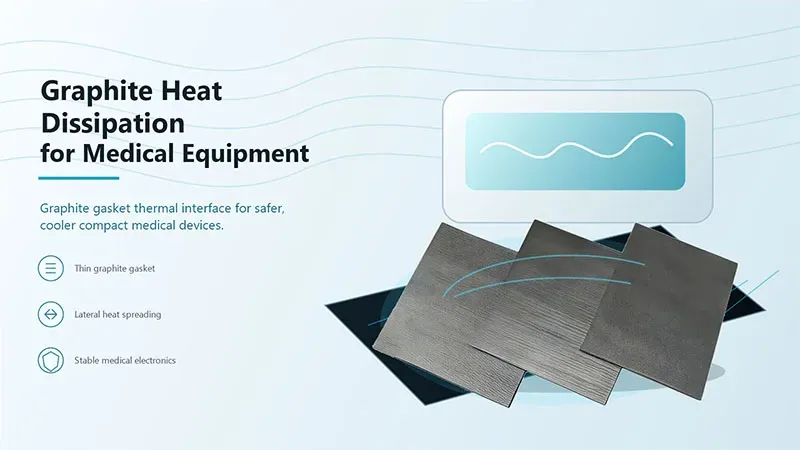
Key Insights: Graphite Heat dissipation for medical equipment
➔ Thermal Interface Mastery: Graphite-based TIMs cut contact resistance and boost lateral heat spread, while vertically oriented graphene thermal pads improve thermal conductivity in the thickness direction, stabilizing compact electronics in MRI, ultrasound, and monitoring systems.
➔ Failure Rate Reduction: Lightweight pyrolytic graphite spreaders lower hotspot formation, reducing device failures by up to 30% while adding EMI shielding and mechanical resilience.
➔ Compliance & Durability: Graphite films and foams meet ISO 13485, RoHS, and FDA standards, offering chemical stability under sterilization cycles and long-term reliability in portable medical instruments.
Overheating Risks? Graphite Spreaders Provide Relief.
Compact healthcare electronics often face rising temperatures during continuous use. Effective Graphite Heat dissipation for medical equipment helps maintain performance, reduce stress on components, and support dependable operation in demanding clinical settings.
Thermal Interface Materials: Enhancing Heat Dissipation
Within a medical device, the right interface material improves heat transfer from processors toward a heat sink.
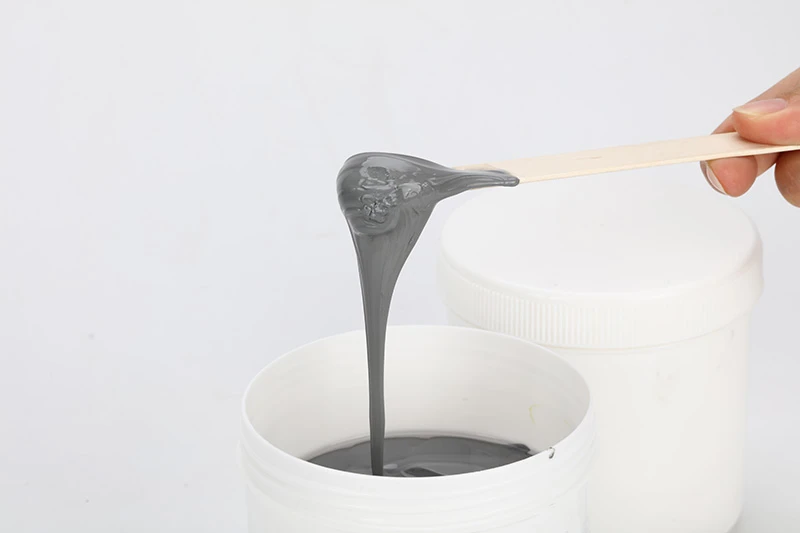
Contact surface optimization
· Thermal grease can reduce microscopic air gaps.
· A gap filler adapts to uneven surfaces.
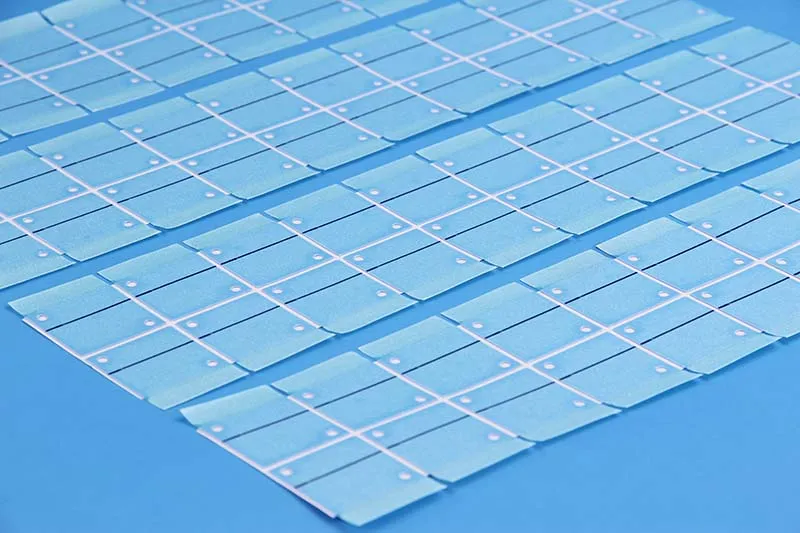
Material selection
· Phase change material options soften under heat and improve contact.
· High thermal conductivity supports faster heat flow.
Short practical benefits:
· Lower operating temperatures
· More stable readings
· Better Graphite Heat dissipation for medical equipment
Sheen Technology supports designs where graphite-based interfaces help spread heat efficiently without adding much weight.
Role of Pyrolytic Graphite Spreaders in Surgical Instruments
A heat spreader made from pyrolytic graphite can move concentrated heat away from sensitive zones in a surgical instrument.
| Material Type | In-Plane Conductivity (W/m·K) | Relative Weight |
| Aluminum | 205 | Medium |
| Copper | 385 | High |
| Graphite Sheet | 700 | Low |
| Pyrolytic Graphite | 1000+ | Very Low |
| Composite Graphite | 600 | Low |
Key considerations:
· Thermal management near active components
· Lightweight handling in the operating room
· Consistent thermal conductivity in compact medical device assemblies
This approach strengthens Graphite Heat dissipation for medical equipment while preserving user comfort.
Preventing Hotspots through Passive Cooling Solutions
For hotspot prevention, passive methods often work surprisingly well.
• Graphite films distribute energy across a wider area.
• A thermal spreader reduces localized temperature peaks.
• Improved heat dissipation supports equipment reliability.
A simple progression is common:
· Heat forms at a concentrated source.
· Graphite channels it laterally.
· Graphene enables the longitudinal transfer of heat.
· Temperature becomes more uniform across the enclosure.
· Passive cooling limits thermal stress in medical equipment.
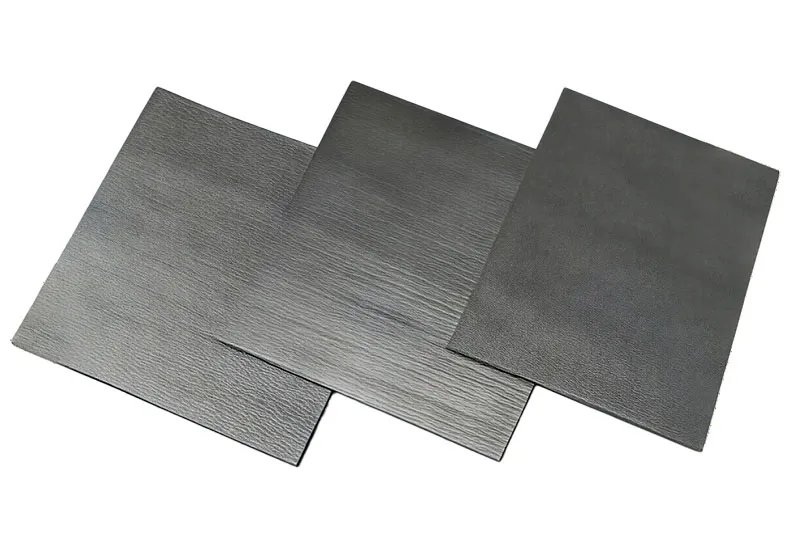
The result is smoother Graphite Heat dissipation for medical equipment, helping diagnostic systems and monitoring devices operate with fewer thermal concerns over long service periods.
How Graphite Heat Dissipation Cuts Device Failures By 30%
Medical systems run long hours, and heat can quietly shorten service life. This overview shows how Graphite Heat dissipation for medical equipment supports stability, cuts failures, and improves daily operating performance.
Statistical Impact on MRI Scanner Reliability
For an MRI, keeping temperatures steady matters more than many people realize. With Graphite Heat dissipation for medical equipment, thermal swings are reduced, helping a scanner maintain consistent operation.
Reliability effects
· Lower component stress improves reliability.
· Stable temperatures support better uptime.
Operational outcomes
· Reduced failure rate across critical circuits.
· Better protection for high-value medical equipment.
At facilities using advanced thermal spreaders, statistical analysis often links cooler operating conditions with fewer unexpected service events. Sheen Technology promotes thermal solutions designed around these practical reliability goals.
Correlating Thermal Conductivity with Failure Rates
The relationship is fairly straightforward.
· Higher thermal conductivity
· Faster heat transfer
· Lower operating temperature
· Longer device lifespan
In material science, graphite stands out because it moves heat efficiently while adding little weight. As overheating incidents decrease, the failure rate of sensitive electronics often trends downward. Graphite cooling materials and Graphite Heat dissipation for medical equipment both contribute to maintaining safer thermal margins.
EMI Shielding Benefits alongside Thermal Management
Two performance benefits often work together:
Thermal control
· Thermal management reduces hot spots.
· Graphite heat dissipation for medical equipment helps maintain stable temperatures.
Electrical protection
· EMI shielding limits electromagnetic interference.
· Better signal integrity supports imaging accuracy.
· Enhanced device protection benefits medical electronics.
Because graphite composites can manage both heat and interference, equipment designers can simplify system layouts while protecting sensitive diagnostic functions.
Data Analysis of Graphite Heat Sink Performance
Performance testing highlights the value of graphite solutions and heat sink design.
| Material | Temperature reduction (°C) | Efficiency Index |
| Aluminum | 8 | 72 |
| Copper | 10 | 81 |
| Graphite A | 13 | 90 |
| Graphite B | 15 | 94 |
| Graphite Composite | 16 | 96 |
Key observations:
· Strong thermal performance with lower weight.
· Consistent gains shown through experimental data.
· Positive trends identified through data analysis.
For healthcare devices, Graphite Heat dissipation for medical equipment and related graphite cooling technologies can support measurable reliability improvements. Sheen Technology continues to emphasize lightweight thermal designs that balance cooling efficiency and long-term equipment stability.
Need exact thermal conductivity, thermal resistance, thickness range, compression characteristics, and reliability data before selecting a graphite thermal solution? Download the product datasheets to compare graphite sheets and graphene thermal pads for MRI systems, ultrasound equipment, patient monitors, and other medical devices.
3 Benefits Of Graphite In Equipment Cooling
For designers working with sensitive medical systems, keeping temperatures under control is a big deal. The phrase “Graphite Heat dissipation for medical equipment” keeps gaining attention because graphite helps move heat efficiently without adding much weight, making cooling solutions more practical for modern devices.
Superior Thermal Conductivity for Rapid Heat Spread
Core advantage:
· Graphite material supports exceptional thermal conductivity.
· Fast lateral heat transfer reduces hot spots in compact assemblies, while efficient vertical heat transfer enhances overall heat dissipation efficiency.
Sheen Technology vertical heat transfer Graphene Thermal pad performance properties:
| Properties | Unit | GSF75-03 Graphene Thermal Pad | GSF90-03 Graphene Thermal Pad | Test Method |
| Color | - | Black | Black | Visual |
| Thermal Conductivity (vertical orientation) |
W/m·K | 75 | 90 | ASTM E1461 |
| Thermal Resistance (@40psi) | ℃*cm2/W | ≤0.12 | ≤0.10 | ASTM D5470 |
| Thickness | mm | 0.3~2.0 | 0.3~2.0 | ASTM D374 |
| Density | g/cm³ | 0.3~0.7 | 0.3~0.7 | ASTM D792 |
| Rebound Rate | % | ≥90 | ≥90 | - |
| Tensile Strength | Mpa | ≥0.03 | ≥0.05 | ASTM D412 |
| Oil Bleeding Rate | % | ≤3 | ≤3 | / |
| Application Temperature | ℃ | -40~150 | -40~150 | / |
| Flame rating | - | V-0 | V-0 | UL 94 |
In medical equipment cooling:
· Heat is generated by processors and sensors.
· Energy spreads through graphite layers via efficient energy transfer.
· Improved heat dissipation supports steadier temperature control.
Performance impact:
· Better thermal management can help extend component consistency.
· “Graphite Heat dissipation for medical equipment” is often selected when rapid cooling is required in limited spaces.
Sheen Technology applies these principles when evaluating advanced cooling materials for demanding healthcare applications.
Lightweight Passive Cooling with Graphite Foams
Graphite foams offer a smart balance between low mass and cooling capability. Their network of porous materials encourages effective passive cooling, while supporting modern cooling technology goals.
A few practical benefits include:
· Reduced device weight through lightweight design.
· An alternative to some traditional heat sinks.
· Flexible options for portable medical equipment.
This approach supports “Graphite Heat dissipation for medical equipment” projects where mobility matters. The combination of material innovation and efficient thermal management helps equipment stay cooler without relying heavily on active fans.
Chemical Stability Enhances Long-Term Durability
Reliability factors:
· Strong chemical stability.
· Excellent corrosion resistance.
· Useful oxidation resistance under demanding conditions.
Long-term value:
· Supports material integrity during repeated sterilization cycles.
· Contributes to material longevity and extended equipment lifespan.
Operational benefits:
· Consistent graphite properties help maintain performance over time.
· “Graphite Heat dissipation for medical equipment” remains effective even when equipment faces challenging environments.
· “Graphite Heat dissipation for medical equipment” solutions can reduce concerns about premature material degradation.
For healthcare manufacturers seeking dependable cooling, Sheen Technology recognizes that durability is just as important as thermal performance.
Need a closer match for your project? Browse related application pages to see how graphite sheets and graphene thermal pads are used in MRI systems, ultrasound equipment, patient monitoring devices, portable medical electronics, and other precision thermal management applications.
Graphite Vs. Copper For Medical Sensors
Medical sensor design often comes down to balancing cooling performance, weight, durability, and long-term reliability. In everyday terms, engineers want parts that stay cool without adding bulk. Comparing Graphite Heat dissipation for medical equipment solutions with copper-based options helps clarify how materials influence accuracy, comfort, and device lifespan in modern healthcare tools.
Graphite
Graphite is frequently selected for compact medical sensors because it combines strong thermal conductivity with a lightweight profile.
Key advantages:
· Effective Heat spreader behavior for confined spaces.
· Useful EMI shielding support.
· Better flexibility than many metal alternatives.
For Graphite Heat dissipation for medical equipment:
· Heat moves quickly across the material.
· Local hot spots are reduced.
· Sensor stability is easier to maintain.
Material characteristics:
· Biocompatibility considerations support healthcare use.
· Strong Corrosion resistance helps limit degradation.
· Anisotropy allows heat to travel differently across directions, which designers can use to their advantage.
Graphite Heat dissipation for medical equipment systems are often chosen when passive cooling, low mass, and operational Safety must work together without making devices bulky.
Copper
Copper remains a respected material because of its outstanding Electrical conductivity and high thermal conductivity.
Performance strengths:
· Rapid heat transfer.
· Proven Heat sink capability.
· Easy shaping through Malleability and Ductility.
Design trade-offs:
· Higher Density increases weight.
· Exposure can lead to Oxidation and corrosion concerns.
· Reduced flexibility may affect miniaturized medical sensors.
When comparing Graphite Heat dissipation for medical equipment with copper solutions, copper can remove heat effectively, yet the added mass often changes design priorities.
For Graphite Heat dissipation for medical equipment and lightweight wearable devices, graphite frequently offers a more balanced package. Even so, Graphite Heat dissipation for medical equipment is not automatically superior in every case; copper still fits applications where maximum conductivity and structural durability are the main goals.
Portable Scanners: Graphite Keeps Temps Safe
Portable scanners need steady thermal control, long service life, and dependable regulatory support. In everyday clinical use, small design choices matter a lot. Solutions built around Graphite Heat dissipation for medical equipment help maintain performance while keeping devices compact and practical.
Graphite Films in Ultrasound Device Cooling
The role of a graphite film in ultrasound device cooling is straightforward: move heat away from sensitive areas without adding bulk.
Heat pathway design
· Source: imaging electronics generate thermal load.
· Transfer: thin graphite layers spread heat quickly.
· Result: improved management of operating temperatures.
Performance benefits
· Supports Graphite Heat dissipation for medical equipment in tight spaces.
· Helps maintain image quality during longer scans.
· Reduces dependence on larger cooling hardware.
Practical value
· Graphite cooling materials fit portable formats.
· Heat dissipation for medical equipment becomes easier to achieve without raising power draw.
Sheen Technology applies these concepts to support compact medical designs where space is always at a premium.
Flexural Strength and Durability in Mobile Units
Portable systems face bumps, transport, and repeated handling. A blend of flexural strength and durability helps each mobile unit stay reliable.
· Graphite composite structures resist routine mechanical stress.
· Medical teams can move medical equipment frequently with less concern about material fatigue.
· Graphite Heat dissipation for medical equipment can be paired with structural support, giving both cooling and toughness.
In day-to-day use, that combination is a pretty handy win.
Compliance Insights: ISO 13485 and FDA Approval
Meeting compliance goals requires documented processes and material control.
Quality framework
· ISO 13485 supports traceability.
· Consistent records strengthen quality oversight.
Regulatory alignment
· FDA expectations focus on safety and validation.
· Material selection must satisfy relevant regulation and standard requirements.
Manufacturing confidence
· Graphite Heat dissipation for medical equipment can be integrated into compliant production workflows.
· Graphite thermal management materials may support RoHS-related objectives.
Sheen Technology emphasizes documentation and material accountability to help manufacturers move from design review toward approval with greater confidence.
【Request a Custom Quote】 Not sure which graphite sheet or graphene thermal pad best fits your medical device, diagnostic equipment, portable scanner, or patient monitoring system? Send us your operating temperature range, device structure, target thickness, sterilization requirements, and thermal performance goals, and we can help recommend the right thermal management solution for your application.
Sheen Thermal
Dongguan Sheen Electronic Technology Co., Ltd · Founded in 2008
Manufacturer of thermal interface materials and silicone foam for automotive electronics, energy storage, power electronics, communications and consumer electronics.
Certified
- ISO 9001:2015
- ISO 14001:2015
- IATF 16949:2016
What we supply
- Thermal conductivity Up to 90 W/m·K
- Thickness 0.3–10.0 mm
- Custom & samples Die-cut to drawing, 3–7 days