
 English
 usheenthermal

How to Choose the Right Thermal Interface Materials Manufacturer
Date:2026-04-29
How to Choose the Right Thermal Interface Materials Manufacturer
Choosing the right thermal interface materials manufacturer isn’t a box-checking exercise; it’s the difference between smooth production and a costly meltdown.
When heat creeps past tolerance, margins shrink, deadlines slip, and your team is left scrambling. Performance, price, and scale must line up, or the whole operation pays for it.
According to recent Gartner and IDC market research, demand for advanced cooling materials continues rising across data centers and electric vehicles.
Key Points for Your Thermal Interface Materials Manufacturer
→ Performance: Verify thermal conductivity, resistance, dielectric strength, and reliability under target operating conditions.
→ Cost: Balance upfront pricing with material composition, processing complexity, yield rates, and lifecycle value.
→ Scale: Ensure dispensing, die-cutting, and automated application capacity, plus global supply continuity.
Performance, Cost, Scale: Tim Manufacturer Criteria
Choosing a thermal interface materials manufacturer is not just a spec check; it’s about keeping devices cool, budgets sane, and supply steady. From thermal interface materials design to factory output, every detail shapes performance in real-world electronics. Let’s break it down in a clear, no-nonsense way.
Performance
A qualified thermal interface materials manufacturer must prove numbers, not promises.
Core Thermal Metrics
· Thermal conductivity and Thermal impedance measured across CPU, GPU, and IGBT platforms
· Stable Application temperature range from -40°C to 150°C
· Long-term Material stability under cycling loads
Electrical & Mechanical Integrity
· Certified Dielectric strength for power modules
· Verified Adhesion strength on aluminum and copper
· Proven Reliability and Durability after 1,000+ thermal cycles
| Sheen technology SE35 thermal gel Aging Test | |||||||
High-Temperature Aging |
|||||||
| Aging Duration(H) | 0 | 300 | 600 | 1000 | Change Rate (1000 Hours) | Acceptance Criteria | Result |
| Thermal Conductivity(W/m*k) | 3.52 | 3.43 | 3.35 | 3.22 | 7.1% | ±15% | OK |
| Thermal Resistance(℃*in²/W) | 0.0564 | 0.0603 | 0.0631 | 0.0674 | 19.5% | ±30% | OK |
Thermal Shock |
|||||||
| Aging Duration(H) | 0 | 300 | 600 | 1000 | Change Rate (1000 Hours) | Acceptance Criteria | Result |
| Thermal Conductivity(W/m*k) | 3.52 | 3.42 | 3.36 | 3.27 | 7.1% | ±15% | OK |
| Thermal Resistance(℃*in²/W) | 0.0564 | 0.0591 | 0.0629 | 0.0656 | 16.3% | ±30% | OK |
Constant Temperature & Humidity |
|||||||
| Aging Duration(H) | 0 | 300 | 600 | 1000 | Change Rate (1000 Hours) | Acceptance Criteria | Result |
| Thermal Conductivity(W/m*k) | 3.52 | 3.44 | 3.34 | 3.26 | 7.4% | ±15% | OK |
| Thermal Resistance(℃*in²/W) | 0.0564 | 0.0589 | 0.0634 | 0.0661 | 17.2% | ±30% | OK |
| Original sample of thermal gel | Thermal Gel After 1000 Hours at High Temperature | Thermal Gel After 1000 Hours of Constant Temperature and Humidity | Thermal Gel After 1000 Hours of Thermal Shock |
 |
.jpg.webp "Thermal Gel After 1000 Hours at High Temperature") |
 |
 |
| Surface is smooth and gel-like | Surface is smooth and gel-like | Surface is smooth and gel-like | Surface is smooth and gel-like |
Conclusion: Based on the single-component gel SE35 aging test described above (1000 hours), the thermal conductivity of SE35 changed by less than 10%, thermal resistance by less than 20%, and hardness by less than 10 points; furthermore, no powdering or cracking was observed. Therefore, the reliability assessment for SE35 is: Passed.
Validation Snapshot
| Material Type | Thermal Conductivity (W/m·K) | Thermal Resistance (°C·cm²/W) | Temp Range (°C) | Cycle Test (hrs) |
| Gap Pad A | 6.0 | 0.12 | -40~150 | 1200 |
| Grease B | 8.5 | 0.08 | -50~180 | 1000 |
| PCM C | 3.5 | 0.15 | -40~125 | 900 |
| Adhesive D | 4.2 | 0.11 | -40~150 | 1100 |
| Gel E | 7.0 | 0.09 | -40~160 | 1300 |
As a thermal interface materials supplier, Sheen Technology aligns lab data with field validation, ensuring thermal interface materials performance matches real deployment.
Cost
Cost goes beyond unit price. A smart thermal interface materials manufacturer balances:
· Manufacturing efficiency and optimized Production volume
· Smart Material sourcing with stable Logistics
· Controlled Tooling costs and focused R&D investment
Upfront pricing matters. So does shelf life. So does reduced rework. When Supply chain optimization meets strong yield rates, total lifecycle cost drops.
Sheen Technology focuses on practical value—solid output, fewer returns, longer service intervals. That’s how a thermal interface materials partner protects margins without cutting corners.
Scale
Scaling with a thermal interface materials manufacturer requires layered capability.
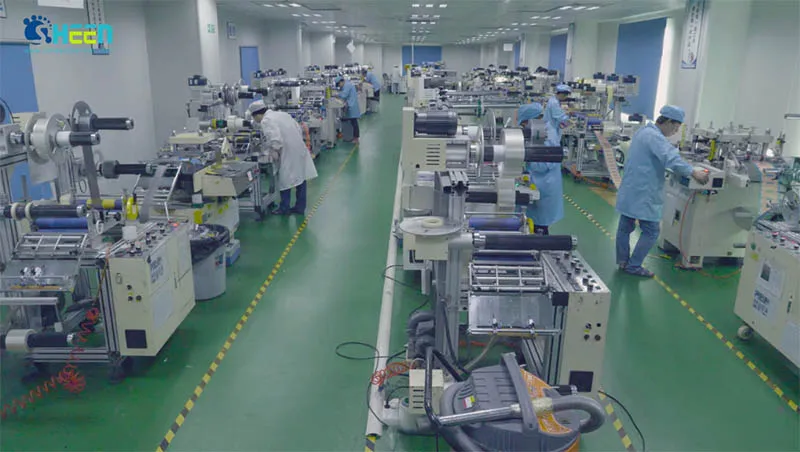
Factory Strength
· High Production capacity
· Advanced Manufacturing capabilities
· Automated dispensing lines
Supply Stability
· Diversified raw inputs
· Strong Supply chain resilience
· Predictable Lead time windows
Market Reach
· Certified Global distribution hubs
· Flexible Customization options
· Tight Quality control systems
From prototype to mass rollout, Sheen Technology supports thermal interface materials production that grows with demand. In short, a dependable thermal interface materials manufacturer keeps performance tight, costs realistic, and scale ready when business heats up.
4 Steps To Vet A Tim Manufacturer
Choosing a thermal interface materials manufacturer isn’t just about grabbing a data sheet and calling it a day. You’re trusting that supplier with heat control, uptime, and product lifespan. A solid TIM manufacturer understands materials, testing, scaling, and supply risks. Here’s how to size up a serious thermal interface materials manufacturer without getting burned.
Step 1: Identify Required Material Forms and Compositions
When screening a thermal interface materials manufacturer, start with the basics: Material type, Form factor, and Composition must match your device design.
Under Material type
· Thermal grease → High fill, reworkable, good for CPUs and GPUs
· Thermal pad → Gap filler, easy install, consistent bond line thickness
· Phase change material → Solid at room temp, flows at operating heat
· Liquid metal → Extreme conductivity, but sensitive to corrosion
· Adhesive → Mechanical bonding plus heat transfer
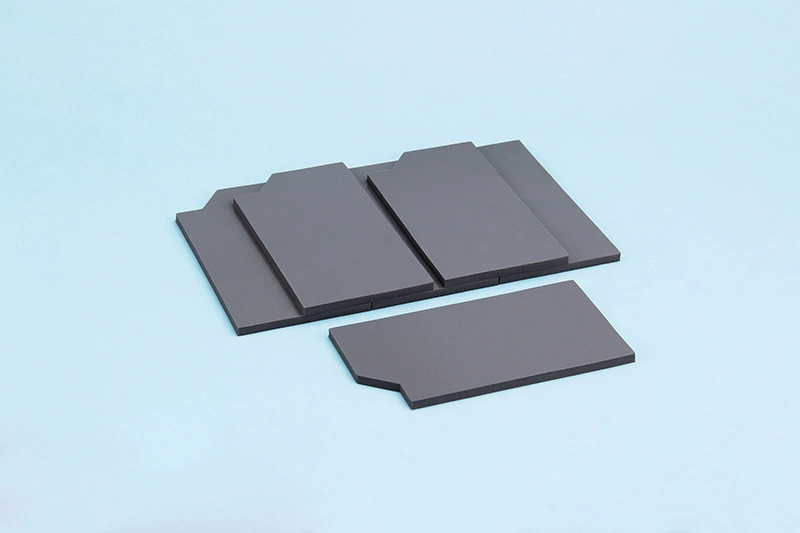
Under Composition
· Silicone-based → Flexible, stable
· Ceramic-filled → Electrical insulation
· Graphite → Lightweight, in-plane conduction
· Metallic → Ultra-low thermal resistance
A capable thermal interface materials manufacturer will break this down clearly, not just toss around big conductivity numbers. Ask how form factor affects assembly speed and how composition handles peak operating temperature. A supplier like Sheen Technology usually maps materials to real application stress, not just lab specs.
Step 2: Evaluate Thermal Resistance and Reliability Testing
Heat numbers look good on paper. Real life is rougher.
Under performance validation, check:
· Thermal resistance at defined bond line thickness
· True thermal conductivity under compression
· Reliability testing protocols
Then go deeper:
Environmental stress
· Thermal cycling (−40°C to 125°C or higher)
· Accelerated aging at elevated humidity
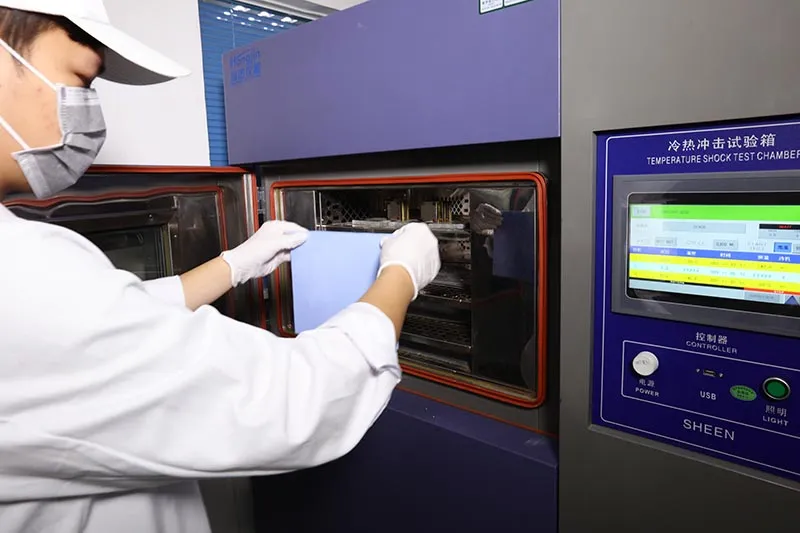
Mechanical durability
· Pump-out resistance
· Vibration and shock
Chemical stability
· Long-term bleed control
· Material separation risk
A serious thermal interface materials manufacturer should provide quantified results, not vague claims.
| Test Item | Standard Condition | Cycles/Hours | Result Metric | Pass Criteria |
| Thermal Cycling | -40°C to 125°C | 1000 cycles | ΔRth (%) | <10% shift |
| High Temp Aging | 150°C | 1000 hrs | Mass Loss (%) | <3% |
| Humidity Test | 85°C / 85% RH | 1000 hrs | Insulation (MΩ) | >100 |
| Pump-Out | 125°C | 500 cycles | Thickness Loss (%) | <5% |
| Vibration | 20–2000 Hz | 8 hrs | Structural Damage | None |
“The global TIM market continues to prioritize reliability validation aligned with EV and AI server growth,” notes MarketsandMarkets in its 2025 thermal management update, highlighting reliability as a top purchasing factor.
If a thermal interface materials manufacturer can’t walk through this data confidently, that’s a red flag.
Step 3: Review Manufacturing Processes and Scale Capabilities
Performance is only half the game. Production reality matters.
Under Manufacturing process, review:
· Dispensing accuracy control
· Screen printing repeatability
· Lamination tolerance
· Curing profile consistency
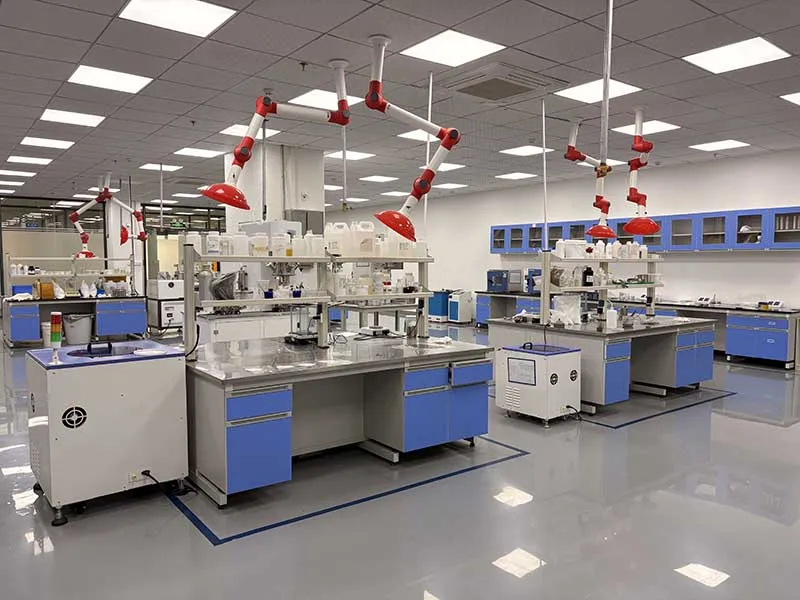
Under factory conditions:
· Cleanroom environment classification
· Inline quality control systems
· Traceability per batch
Then check capacity:
· Monthly production capacity (kg or sheets)
· Automation rate in assembly
· Custom die-cut or pre-form capabilities
· Scalability for EV, telecom, or data center demand
A dependable thermal interface materials manufacturer should explain how automation protects bond line thickness consistency at scale. Sheen Technology, for example, emphasizes process stability and scalable automation to support consumer electronics and server markets without sacrificing precision.
A quick sanity check: ask how fast the supplier can double output. If the answer sounds shaky, scaling may hurt quality.
Step 4: Compare Pricing Models and Supply Chain Security
Cost is never just unit price.
Break evaluation into layers:
Under Pricing structure
· Tier pricing by volume
· Tooling or customization fees
· Long-term contract discounts
Under Cost analysis
· Yield impact
· Rework savings
· Assembly time reduction
Now the bigger concern: Supply chain stability.
· Raw material sourcing diversity
· Geographic production footprint
· Average lead time
· Buffer stock and inventory management
· Formal risk assessment process
· Documented supplier reliability
A mature thermal interface materials manufacturer won’t dodge these topics. Instead, the team will outline logistics routes, contingency plans, and dual sourcing strategies. Sheen Technology positions its global sourcing and controlled logistics channels as a safeguard against regional disruptions—something data center and EV clients care about a lot.
In short, the right thermal interface materials manufacturer balances materials science, verified reliability, scalable production, and secure supply. Miss one of those pillars, and heat won’t be the only problem you’re dealing with.
High-Volume Electronics: Securing Your Tim Supply
High-volume electronics move fast. If your thermal interface materials manufacturer cannot keep up, production stalls. Smart sourcing, tight quality checks, and steady partnerships keep heat under control and supply on track.
Establishing Long-Term Agreements for Consumer Electronics
Working with a reliable thermal interface materials manufacturer means locking down more than price. It’s about aligning supply chain strength with sharp material specifications for real-world consumer devices.
Core Agreement Framework
Demand Planning
· Forecast quarterly volume production for processors and GPUs.
· Align safety stock with projected lead times.
Technical Alignment
· Define grease viscosity ranges and pad thickness tolerances.
· Document change control under strict quality assurance rules.
Commercial Terms
· Fix tiered pricing based on annual output.
· Clarify renewal cycles and penalty clauses within contract terms.
A proven thermal interface materials supplier such as Sheen Technology supports stable ramp-ups by pairing application data with purchasing forecasts. That’s how a thermal interface materials manufacturer becomes part of your planning rhythm, not just a vendor on paper.
Scaling Automated Application in Data Centers
Data center growth is intense, and thermal management must scale without drama. Partnering with a seasoned thermal interface materials manufacturer helps balance thermal performance and factory speed.
Key focus points:
· Automated dispensing calibration for ASIC substrates.
· Bond line thickness validation during equipment integration.
· Inline inspection to protect throughput targets.
At the plant level:
· Optimize pump pressure.
· Sync stencil design with chip layout.
· Track curing cycles for stable process optimization.
In large data center infrastructure, small gaps raise junction temperatures fast. Sheen Technology works closely with integrators so each thermal interface materials manufacturer shipment matches production takt time. It keeps racks cool and rollout schedules intact.
Ensuring Consistent Quality for Automotive Power Modules
Automotive programs demand discipline. A qualified thermal interface materials manufacturer must meet strict automotive standards while preserving material consistency across global lots.
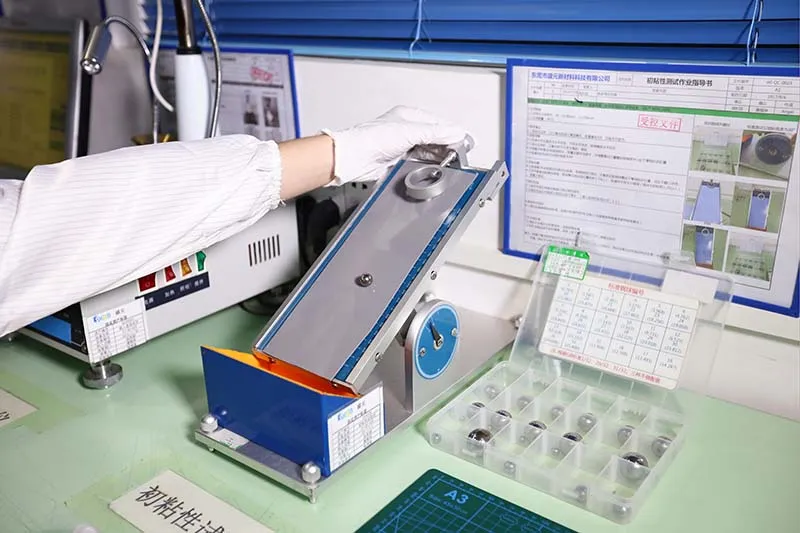
Quality Control Architecture
· Incoming Inspection:Batch verification tied to full traceability records.
· In-Process Monitoring:Viscosity checks and filler dispersion audits.
· Final Validation:Extended reliability testing under vibration and load.
Performance Assurance in power module design
· Thermal impedance tracking during thermal cycling.
· Adhesion retention after 1,000+ heat cycles.
A dependable thermal interface materials supplier understands that one weak batch can disrupt an entire EV platform. Choosing the right thermal interface materials manufacturer keeps IGBTs cool, compliant, and road-ready for the long haul.
FAQs about Thermal Interface Materials Manufacturer
What defines real performance when choosing a Thermal Interface Materials Manufacturer?
Performance is proven on the production floor and inside working hardware.
A qualified thermal interface materials manufacturer should demonstrate:
· Material versatility: Grease, Pads, Gels, Adhesives, Phase Change Materials, Liquid Metals, Films, and Putties matched to Processors, GPUs, IGBTs, or ASICs.
· Measured properties: Thermal Conductivity, controlled Bond Line Thickness, stable Viscosity, strong Dielectric Strength, and wide Operating Temperature range.
· Verified reliability: Low Thermal Resistance, minimal Pump-out or Bleed-out, and consistent results in Cycle Testing and Shock Resistance.
In Automotive power modules or Data Centers running FPGAs and Memory Modules 24/7, numbers matter more than brochures. Real confidence comes from repeatable data under heat, vibration, and time.
How can buyers evaluate material composition and long-term value?
Material chemistry shapes both price stability and field durability.
1) Composition Choices
· Silicone vs Non-silicone systems
· Ceramic, Graphite, or Metallic fillers
· Boron Nitride or Aluminum Oxide for insulation-focused designs
2) Application Fit
Aerospace and Medical Devices often prioritize high Volume Resistivity and low Flammability.
Consumer Electronics and LEDs focus on thin Bond Line Thickness and efficient Dispensing or Screen Printing.
3) Lifecycle Indicators
| Factor | Why It Matters |
| Shelf Life | Reduces waste and storage risk |
| Durability | Fewer maintenance cycles |
| Thermal Resistance Stability | Protects Processors and GPUs over years |
True value appears when a TIM keeps Power Modules cool without rework, shutdowns, or costly recalls.
Why is manufacturing capability critical in a Thermal Interface Materials Manufacturer?
Scale without precision leads to failure.
A dependable partner controls the full chain:
· Material mixing with consistent Specific Gravity
· Die-cutting, Lamination, or Stamping for Pads and Films
· Automated Application, Dispensing, and Curing for high-volume Assembly
For Telecommunications racks, Renewable Energy inverters, or Industrial Electronics cabinets, variation in Bond Line Thickness can raise Thermal Resistance and shorten component life.
Strong manufacturing discipline means:
stable composition across global sites, predictable delivery, and identical performance in every batch.
In high-heat environments, consistency is trust.
Sheen Thermal
Dongguan Sheen Electronic Technology Co., Ltd · Founded in 2008
Manufacturer of thermal interface materials and silicone foam for automotive electronics, energy storage, power electronics, communications and consumer electronics.
Certified
- ISO 9001:2015
- ISO 14001:2015
- IATF 16949:2016
What we supply
- Thermal conductivity Up to 90 W/m·K
- Thickness 0.3–10.0 mm
- Custom & samples Die-cut to drawing, 3–7 days