
 English
 usheenthermal

How to Select the Best Thermal Gasket for Photovoltaic Inverters
Date:2026-05-15
How to Select the Best Thermal Gasket for Photovoltaic Inverters
Thermal gasket for photovoltaic inverters is the quiet deal-breaker in solar reliability, and skimping on it can cook your system from the inside out. Heat builds, insulation slips, warranties vanish.
Procurement teams feel the squeeze when inverters overheat and service calls spike. The right gasket keeps current flowing and risk in check.
Sheen Technology engineers in 2025 stress certified silicone protects critical inverter assemblies from failure.
78% Of Inverters Rely On Silicone Gaskets
Solar inverter makers are getting picky about heat and insulation. That’s why the Thermal gasket for photovoltaic inverters keeps popping up in design specs. Break the phrase down—Thermal + gasket + photovoltaic + inverters—and it’s clear: heat control inside solar power systems is the real game. Let’s unpack why silicone dominates.
Thermal conductivity advantages of silicone in IGBT modules
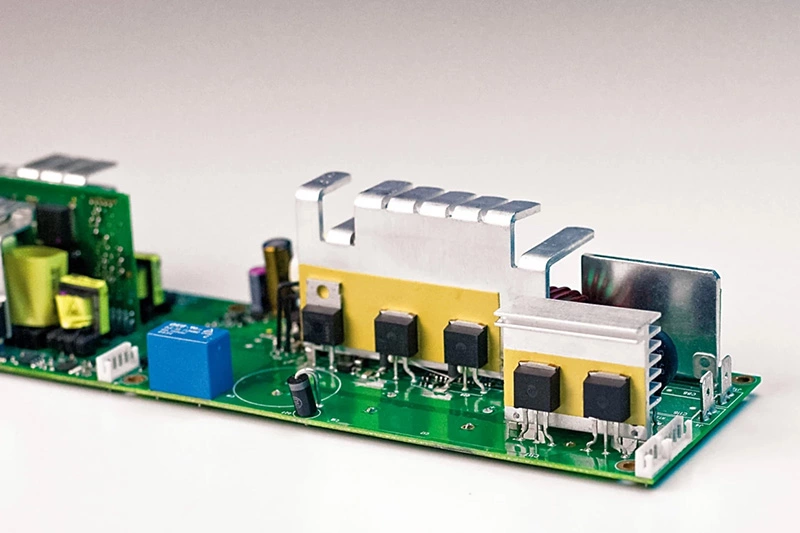
When engineers talk about Thermal conductivity in IGBT modules, it’s rarely casual. It’s about keeping Junction temperature stable and extending life inside demanding Power electronics.
Material Layer
Silicone interface
· Transfers heat from chip surface
· Fills micro gaps between module and heat sink
Aluminum heat sink
· Spreads thermal load
· Supports forced-air cooling
Performance Impact
· Lower thermal resistance
· Improved Heat dissipation
· Reduced thermal cycling stress
Below is a comparison often referenced in inverter design using a Thermal gasket for photovoltaic inverters:
| Material Type | Thermal Conductivity (W/m·K) | Operating Temp (°C) | Compression Set (%) | Electrical Insulation | Lifespan (Years) |
| Silicone pad | 1.0–15.0 | -50 to 200 | <15 | Excellent | 10–15 |
| Fiberglass | 0.3–0.5 | -20 to 150 | 25+ | Moderate | 5–8 |
| EPDM | 0.2–0.4 | -40 to 140 | 30+ | Moderate | 4–6 |
| Polyimide | 0.4–0.6 | -60 to 180 | 20 | Good | 6–9 |
| Phase-change | 3.0–8.0 | -40 to 125 | N/A | Limited | 5–7 |
For photovoltaic systems pushing higher power density, the Thermal gasket for photovoltaic inverters acts as quiet insurance. Sheen Technology fine-tunes silicone formulations to keep Thermal management steady even during peak summer loads.
How silicone’s dielectric strength improves inverter reliability
Heat is half the story. The other half is insulation.
In a solar inverter, High voltage switching inside Power conversion stages creates serious electrical stress. A silicone-based Thermal gasket for photovoltaic inverters doesn’t just move heat—it delivers strong Electrical insulation.
· High Dielectric strength prevents Voltage breakdown between IGBT baseplates and chassis.
· High volume resistivity blocks leakage current paths.
· Stable elasticity maintains contact pressure over years of vibration.
Short and simple: better insulation equals stronger Inverter reliability and longer System longevity.
· Stable under thermal shock
· Resistant to moisture ingress
· Compatible with automated assembly
BloombergNEF’s 2025 solar outlook notes that inverter failure reduction is increasingly tied to “material-level insulation upgrades and thermal interface optimization,” highlighting growing demand for high-performance silicone solutions in utility-scale PV.
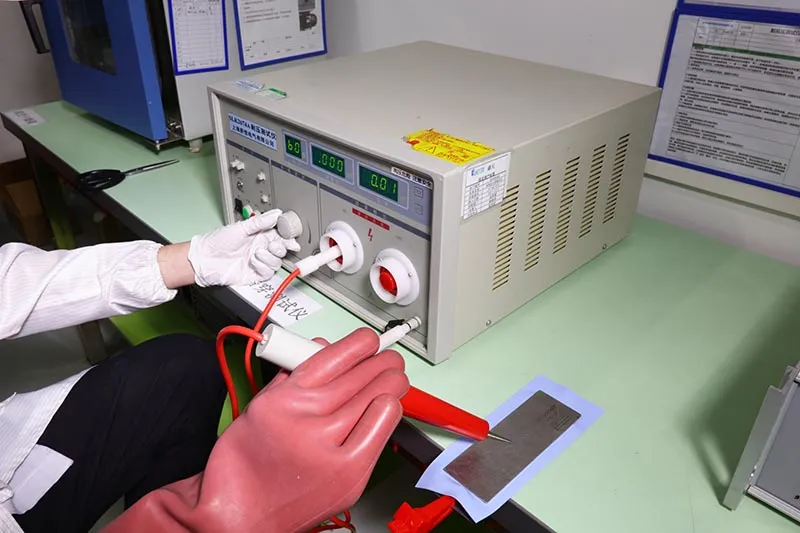
That’s why a well-designed Thermal gasket for photovoltaic inverters is no longer optional. Sheen Technology integrates dielectric testing aligned with Industry standards, giving EPC contractors fewer headaches down the road.
UL-certified silicone gaskets vs. alternatives: industry insights
Safety rules are tightening. So material choices are getting serious.
Compliance Layer
UL certification
· Validates fire resistance
· Confirms electrical safety margins
RoHS & IEC alignment
· Limits hazardous substances
· Supports export readiness
Performance Comparison
Silicone
· Stable Material properties at high temperature
· Superior sealing under compression
Alternative materials
· Faster aging
· Lower insulation margins
In grid-tied solar farms, a certified Thermal gasket for photovoltaic inverters supports smoother Regulatory approval. Less paperwork. Fewer redesigns.
Contractors often compare upfront price. Yet lifecycle math favors silicone Silicone gaskets designed for photovoltaic inverter cooling systems. That’s where Sheen Technology stands out—balancing safety compliance, thermal output, and durability without overengineering.
In today’s PV market, sticking with a proven Thermal gasket for photovoltaic inverters simply makes sense.
【Explore Related Application Pages】 Need a closer match for your project? See the related application pages for more detailed guidance on material selection and system fit.
3 Key Factors In Gasket Material Selection
Choosing the right Thermal gasket for photovoltaic inverters is not just about filling a gap. It affects heat flow, electrical safety, and long-term stability. A well-matched photovoltaic inverter thermal gasket keeps systems cool, safe, and running without drama.
High thermal conductivity and heat dissipation performance
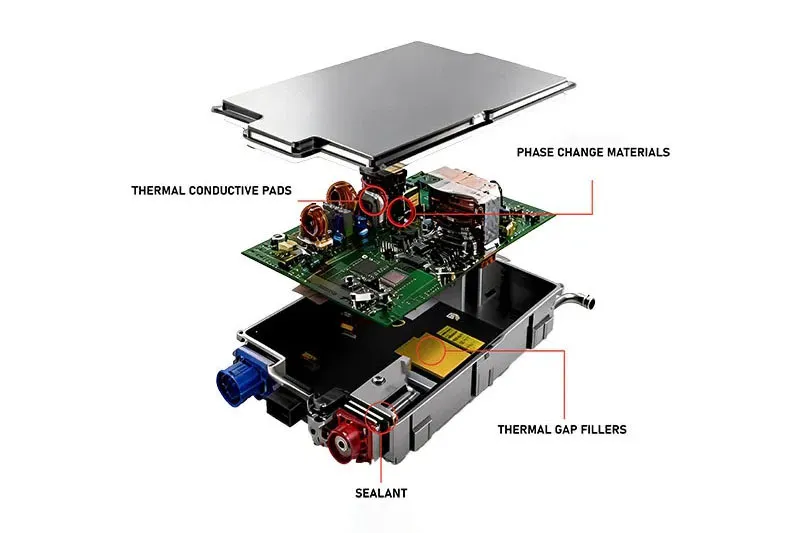
When selecting a Thermal gasket for photovoltaic inverters, heat control comes front and center.
Core thermal pathway
· Chip → substrate → heat sink → ambient air
· The thermal interface material acts as the bridge.
· Poor contact increases thermal resistance, slowing heat transfer.
Material performance indicators
· Thermal conductivity (W/m·K): higher values move heat faster.
· Low interfacial impedance improves heat dissipation.
· Stable structure ensures steady heat flow during peak loads.
Application focus for photovoltaic inverter gasket
· High switching frequency raises junction temperature quickly.
· Efficient thermal management prevents thermal runaway.
· A quality inverter thermal pad keeps MOSFETs within rated limits.
At Sheen Technology, material formulations are tuned to balance conductivity and structural integrity, ensuring every Thermal gasket for photovoltaic inverters performs reliably under long sun-heavy cycles.
Mechanical fit: compressibility & shore hardness considerations
A photovoltaic inverter gasket that cannot physically adapt will fail, even if its specs look great on paper.
Key mechanical checkpoints include:
· Proper compressibility to eliminate air gaps.
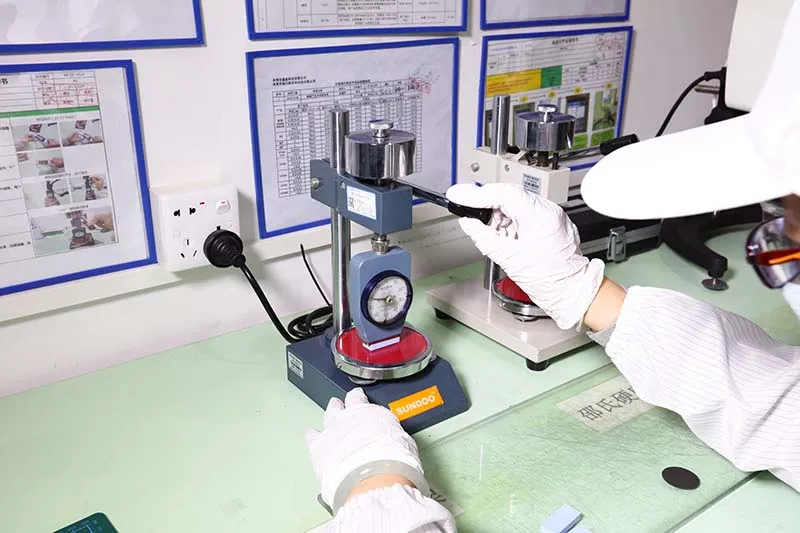
· Balanced shore hardness for tight yet safe contact pressure.
· Stable mechanical properties across temperature swings.
In practice:
1) During installation
· Adequate gasket compression ensures full surface contact.
· Controlled material elasticity absorbs assembly tolerances.
2) During operation
· Repeated thermal cycling tests material stiffness.
· Good physical fit prevents pump-out and vibration shift.
Too soft? The photovoltaic inverter thermal interface may creep.
Too hard? Contact resistance rises.
Sheen Technology engineers tune hardness and elasticity together, so the Thermal gasket for photovoltaic inverters keeps its shape and pressure even after years on a rooftop.
Electrical insulation: dielectric strength and volume resistivity
Beyond heat, electrical safety is non-negotiable in a Thermal gasket for photovoltaic inverters.
Insulation barrier design
· The gasket must provide reliable electrical insulation between live components and the chassis.
· High dielectric strength resists breakdown under surge voltage.
· Stable breakdown voltage protects power modules.
Resistance characteristics
· Elevated volume resistivity limits leakage paths.
· Strong electrical resistance prevents stray currents.
· Consistent electrical properties maintain performance under high-frequency switching.
Long-term reliability
· UV exposure and heat aging must not degrade insulation material.
· The dielectric constant should remain stable.
· The photovoltaic inverter gasket must separate heat conduction from current flow.
Sheen technology SF1000 thermal pad Reliability Test Report
| Test Items | Test Conditions | Test Equipment |
| High-Temperature Aging | 125℃,1000H | Precision Oven |
| Constant Temperature and Humidity | 85℃,85%RH,1000H | Constant Temperature and Humidity Chamber |
| Thermal Shock | -40℃~125℃,1000H | Constant Temperature and Humidity Chamber |
Criteria for Judging Test Results
| Performance | Initial Value | Acceptance Criteria |
| Thermal Conductivity W/m*k | 10.13 | ±15% |
| Hardness Shore 00 | 72 | ±10% |
| Pressure @20% psi | 31.4 | ±60% |
| Appearance | Smooth surface, uniform color | No abnormalities such as powdering or discoloration |
High-Temperature Aging Test Results
| High-Temperature Aging Test Record Sheet | |||||||
| Aging time | H | 0 | 200 | 400 | 600 | 800 | 1000 |
| Thermal Conductivity | W/m*k | 10.13 | 10.40 | 10.58 | 10.71 | 10.62 | 10.73 |
| Hardness | Shore 00 | 72 | 75 | 76 | 77 | 77 | 78 |
| Pressure | @20% psi | 31.4 | 34.3 | 36.6 | 39.5 | 38.7 | 40.5 |
A well-designed insulation system means the Thermal gasket for photovoltaic inverters does double duty: guiding heat away while blocking electricity where it does not belong. That balance is where precision engineering truly counts.
【Download Product Datasheets】 Need exact thermal conductivity, dielectric strength, compression set, and temperature range before you choose? Download the product datasheets to compare silicone thermal gasket options for photovoltaic inverters.
Silicone Vs. EPDM: Which Best Seals Your Inverter?
In high-power solar systems, heat and moisture are daily troublemakers. A reliable Thermal gasket for photovoltaic inverters keeps inverter components cool, insulated, and protected. When choosing between silicone and EPDM, performance gaps show up fast. Let’s break down how each material behaves in a real photovoltaic inverter setup—and why the right thermal gasket really matters.
Silicone gaskets
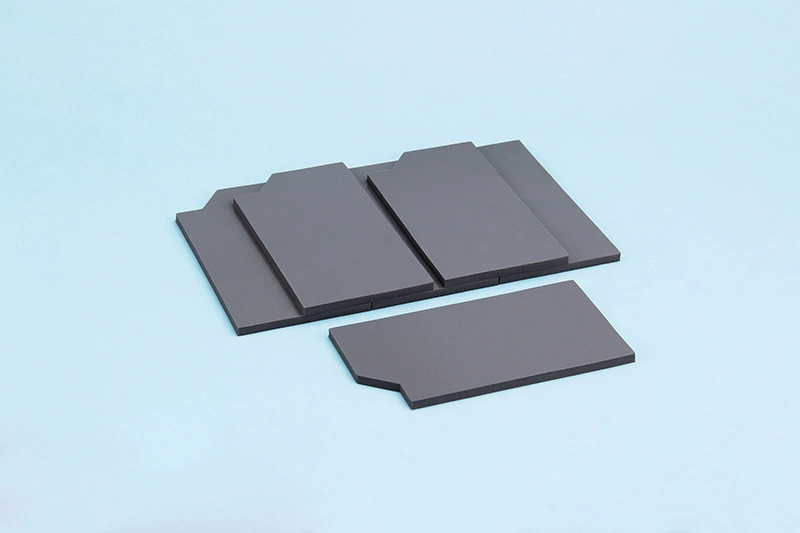
When specifying a Thermal gasket for photovoltaic inverters, engineers often start with silicone material because heat control and electrical safety sit at the top of the list.
Core Material Characteristics
1.1 Thermal Behavior
· High thermal conductivity supports heat flow away from IGBT and MOSFET modules.
· Stable under high temperature spikes during peak solar load.
· Maintains shape even after long exposure to 150°C+.
1.2 Electrical Performance
· Strong electrical insulation protects sensitive inverter components.
· High dielectric strength reduces arc risk inside compact housings.
1.3 Mechanical Adaptability
· Excellent flexibility helps fill surface gaps.
· Reliable compression set for long-term sealing performance.
Environmental Resistance
2.1 Outdoor Stability
· Solid UV resistance for rooftop photovoltaic inverter systems.
· Minimal aging in humid environments.
2.2 Chemical Compatibility
· Works smoothly with potting compounds and conformal coatings.
· Compatible with thermal grease in power modules.
Performance Data Snapshot
| Property | Silicone Material | EPDM Material | Typical PV Requirement |
| Thermal Conductivity (W/m·K) | 1.5–3.0 | 0.2–0.4 | ≥1.0 preferred |
| Dielectric Strength (kV/mm) | 18–25 | 10–15 | ≥15 ideal |
| Continuous Temp Resistance (°C) | -60 to 200 | -40 to 120 | Up to 150 |
For a Thermal gasket for photovoltaic inverters, numbers like these explain why silicone is often selected for high-power systems. Heat transfer improves. Electrical insulation stays reliable.
Many integrators working with Sheen Technology choose silicone-based inverter thermal gaskets when targeting high-efficiency energy conversion. In demanding solar farms, that extra margin in dielectric strength and thermal resistance simply makes life easier.
In short:
· Better heat path
· Stronger insulation
· More stable sealing performance
When inverter components run hot, silicone keeps things cool and steady.
EPDM gaskets
EPDM material has its place. It’s tough, practical, and budget-friendly. For outdoor cabinets and moderate-power photovoltaic inverter systems, EPDM still gets the job done.
Key advantages include:
· Reliable weather resistance in changing climates
· Strong ozone resistance for long-term outdoor exposure
· Good UV stability under direct sunlight
· Solid chemical resistance against rain and pollutants
· Effective water sealing for enclosure protection
· Durable structure for outdoor environments
But when used as a Thermal gasket for photovoltaic inverters, performance limits appear in high-power designs.
Here’s the catch:
· Lower thermal conductivity slows heat transfer from power modules.
· Reduced dielectric strength limits safety margins in compact inverter layouts.
· Continuous high temperature can shorten material lifespan.
The International Energy Agency’s Solar PV Market Update 2024 notes that higher power density in modern inverters is increasing thermal management demands across utility-scale installations.
That trend means photovoltaic inverter thermal gasket solutions must handle more heat in smaller spaces. In these cases, silicone often outperforms EPDM.
Still, EPDM shines in scenarios like:
• Outdoor combiner boxes
• Low-to-mid power inverter housings
• Installations where extreme heat isn’t constant
A quick comparison for system designers:
1) If the inverter runs above 120°C internally → silicone preferred.
2) If the system prioritizes cost and moderate sealing → EPDM works.
3) If dielectric safety is critical in dense circuitry → silicone wins again.
Manufacturers like Sheen Technology help clients match the right Thermal gasket for photovoltaic inverters to actual operating loads, not just catalog specs. That’s key. Over-specifying wastes money. Under-specifying risks failure.
For solar inverter heat sealing, the decision comes down to this:
· High power density + high temperature + tight electronics = silicone-based inverter thermal gasket.
· Outdoor durability + moderate temperature + cost focus = EPDM material.
Both materials seal. Only one consistently handles the thermal stress of modern photovoltaic inverter platforms.
When selecting a Thermal gasket for photovoltaic inverters, think beyond sealing alone. Heat flow, electrical insulation, and long-term durability decide how smoothly your solar system runs year after year.
FAQs about Thermal Gasket For Photovoltaic Inverters
How does a thermal gasket for photovoltaic inverters improve heat dissipation?
Heat builds fast around IGBT modules, MOSFETs, and diodes. A Silicone or Ceramic-filled Elastomer gasket forms a tight bridge between power modules and heat sinks.
· Low thermal resistance reduces thermal impedance
· Stable thermal conductivity supports continuous heat dissipation
· Handles wide operating temperature swings and thermal cycling
The result is steadier junction temperatures and fewer performance drops during peak load hours.
What electrical insulation advantages does a silicone-based gasket provide?
Inside an inverter, electrical stress never sleeps. A Silicone or Fiberglass-reinforced Polymer gasket delivers:
· High dielectric strength for safe isolation
· Strong volume resistivity to block leakage paths
· Stable dielectric constant under high-frequency switching
This protects substrates, encapsulants, and nearby inductors from breakdown voltage risks.
Which mechanical properties matter most in real installations?
In rooftop and utility-scale systems, vibration and expansion are constant.
· Controlled Shore hardness for balanced pressure
· High compressibility for tight contact
· Gap filling across uneven heat sink surfaces
· Vibration damping to protect solder joints and die attach materials
Good adhesion with potting compounds and conformal coating keeps the seal intact year after year.
How does a thermal gasket differ from general sealing materials?
A general Polymer gasket may seal air, but a thermal gasket is engineered for power electronics.
| Feature | Thermal Gasket | General Gasket |
| Thermal conductivity | Optimized for heat transfer | Minimal |
| Electrical insulation | High dielectric strength | Basic |
| Application focus | IGBT modules, MOSFETs | Enclosure sealing |
Its role is functional, not just protective.
Why do manufacturers prefer Silicone over Graphite or EPDM in inverter designs?
Silicone balances thermal performance and insulation in one material system.
· Better dielectric strength than Graphite
· Wider operating temperature range than typical Elastomer blends
· Compatible with thermal grease and potting compounds
· Stable under repeated thermal cycling
That stability reduces field failures and warranty claims.
What certifications should buyers confirm before large-scale procurement?
Compliance builds purchasing confidence. Key checkpoints include:
· UL certification for safety at elevated temperatures
· RoHS and REACH compliance for material safety
· IEC standards alignment for inverter systems
· ISO 9001 manufacturing control
· ASTM standards validation for material testing
When these boxes are checked, the thermal gasket for photovoltaic inverters becomes a reliable part of the power chain rather than a hidden risk.
【Request a Custom Quote】 Send us your inverter type, operating temperature, compression target, and mounting surface details, and we can help recommend the right thermal gasket structure for your photovoltaic system.
Sheen Thermal
Dongguan Sheen Electronic Technology Co., Ltd · Founded in 2008
Manufacturer of thermal interface materials and silicone foam for automotive electronics, energy storage, power electronics, communications and consumer electronics.
Certified
- ISO 9001:2015
- ISO 14001:2015
- IATF 16949:2016
What we supply
- Thermal conductivity Up to 90 W/m·K
- Thickness 0.3–10.0 mm
- Custom & samples Die-cut to drawing, 3–7 days