
 English
 usheenthermal

Optimize Heat Dissipation with Thermal Conductivity: 0.8W-5W/mK Pads
Date:2026-03-27
Optimize Heat Dissipation with Thermal Conductivity: 0.8W-5W/mK Pads
Heat sneaks up on electronics the way summer sneaks up on asphalt—quiet, relentless, and unforgiving. In boardrooms and labs alike, Thermal conductivity: 0.8W-5W/mK has become a dinner table topic, because that tiny interface pad often decides if a product hums along for years or taps out early. One bad choice here, and margins melt faster than ice in Phoenix.
A procurement lead once joked that thermal pads feel like socks—ignored until discomfort hits. That discomfort shows up as field failures, warranty calls, and midnight emails from angry customers. The right conductivity range keeps power modules calm, LEDs bright, and assembly lines moving without drama. Short story, big stakes.
A 2024 report from Gartner notes that thermal management ranks among the top three reliability drivers in high density electronics. As one IEEE materials paper put it, “Interface materials quietly dictate system lifespan.” This is where the real story begins—how choosing the right pad turns heat from a villain into a background extra.
Quick Answers: Thermal conductivity: 0.8W-5W/mK Insights
-> Composition: Ceramic substrates (e.g., AlN) deliver higher conductivity than polymer composites
-> Geometry: Thicker pads raise thermal resistance; thinner films optimize heat paths
-> Interface: Proper wetting and contact pressure eliminate gaps, lowering junction temperatures and boosting reliability
3 Key Factors In Pad Thermal Performance
Thermal pads look simple, yet small design tweaks can flip device performance from stable to overheating. When engineers target Thermal conductivity: 0.8W-5W/mK, they’re balancing cost, heat flow, and reliability. From Material Composition to contact pressure, every detail shapes Heat Transfer efficiency. Let’s break down what really drives pad thermal performance in real-world power modules.
Material Composition Impact on Thermal Conductivity of Ceramic Substrates and Polymer Composites
When choosing Material Composition, the core goal is stable Thermal Conductivity within the range of Thermal conductivity: 0.8W-5W/mK. Different Material Properties shift how heat spreads across interfaces.
Ceramic-Based Systems
1.1 Ceramic Substrates
· Aluminum nitride: high intrinsic conductivity, often exceeding 100 W/mK in bulk form.
· Excellent for fast Heat Transfer from chips to heat spreaders.
1.2 Interface Performance
· Maintains structural rigidity.
· Supports consistent conductivity 0.8W-5W/mK when integrated as pad layers.
Polymer Composite Systems
2.1 Polymer Composites with fillers
· Silicone matrix + ceramic particles.
· Tuned to hit Thermal conductivity: 0.8W-5W/mK.
2.2 Design Trade-Off
· Lower cost.
· Better compressibility but slightly lower heat conduction rate.
Typical comparison:
| Material Type | Bulk Conductivity (W/mK) | Pad-Level Target (W/mK) | Mechanical Flexibility |
| Aluminum Nitride Ceramic | 140–180 | 3–5 | Low |
| Alumina Ceramic | 20–30 | 1–3 | Low |
| Silicone Composite | 1–8 (filled) | 0.8–5 | High |
Brands like Sheen Technology fine-tune filler ratios so the final interface material consistently meets Thermal conductivity: 0.8W-5W/mK without sacrificing durability.
Pad Thickness and Form Factor Driving Thermal Resistance Variations
Pad Thickness directly changes Thermal Resistance. Keep it simple: thicker path, slower heat escape.
Thickness Control
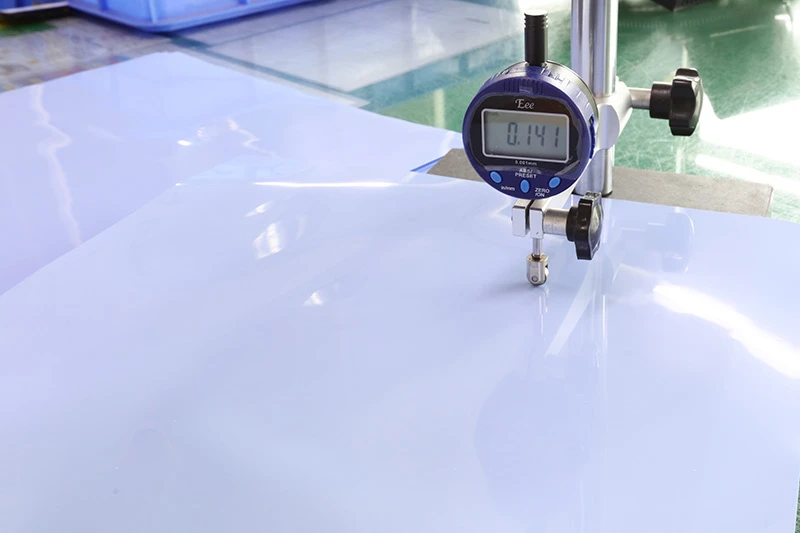
1.1 Thin Pads (≤1 mm)
· Shorter heat path.
· Lower interface resistance.
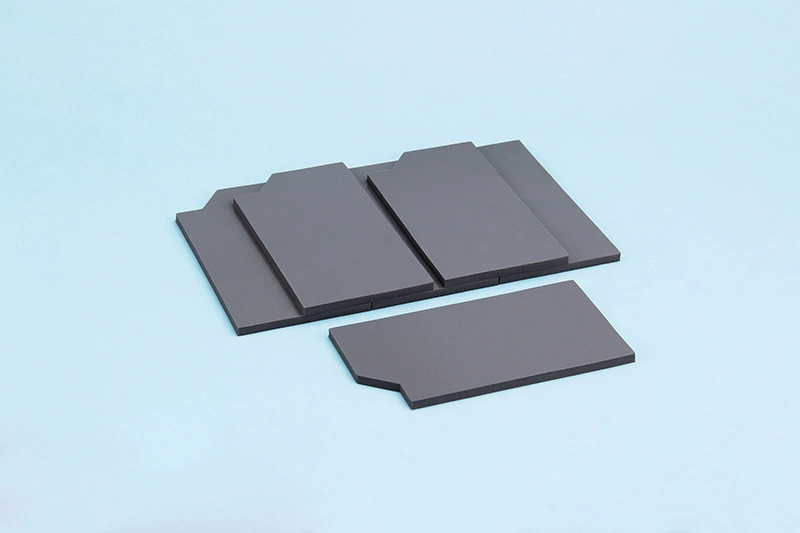
1.2 Thick Pads (>2 mm)
· Better gap filling.
· Higher overall thermal resistance.
Form Factor and Geometric Design
1) Sheet-style pads increase Surface Area contact.
2) Custom die-cuts reduce edge lift.
3) Film-based formats improve compression balance.
Performance Balance
1) Target Thermal conductivity: 0.8W-5W/mK.
2) Optimize thickness simultaneously.
3) Reduce Interface Resistance at both mating surfaces.
A pad rated Thermal conductivity: 0.8W-5W/mK won’t help much if thickness doubles the resistance. That’s why Sheen Technology aligns conductivity 0.8W-5W/mK with geometry tuning, not just raw material specs.
Surface Wetting, Contact Pressure, and Device Reliability in Power Modules
Heat doesn’t flow through air gaps. It flows through contact.
Surface Wetting
1.1 Proper conformability
· Fills micro-voids.
· Boosts effective heat conduction rate.
1.2 Poor wetting
· Trapped air pockets.
· Local hotspots.
Contact Pressure
· Too low: incomplete interface bonding.
· Too high: material pump-out and long-term Performance Degradation.
Reliability in Power Modules
· Stable Thermal Interface Material behavior under thermal cycling.
· Reduced junction temperature swings.
· Extended device lifespan.
When a pad maintains Thermal conductivity: 0.8W-5W/mK under repeated compression between chip and Heat Sink, real reliability shows up. That steady heat conduction rate keeps silicon calm under load. Sheen Technology engineers focus on this balance so performance stays solid, not just on paper but in daily operation.
Comparative
Picking thermal materials can feel like choosing the right tool from a crowded toolbox. The sweet spot often sits around Thermal conductivity: 0.8W-5W/mK, balancing heat flow, cost, and real-world handling without overcomplicating your build.
Ceramic Substrates vs Polymer Composites
When comparing Ceramic Substrates and Polymer Composites, real performance shows up in layers:
Material Properties
1.1 Ceramic Substrates
· High Thermal Conductivity, often above the typical Thermal conductivity: 0.8W-5W/mK range
· Strong mechanical rigidity
· Stable under pressure and heat
1.2 Polymer Composites
· Flexible structure
· Tunable thermal conductivity range 0.8W-5W/mK
· Better CTE matching for mixed-material assemblies
Heat Dissipation & Application Performance
2.1 For high-power modules
· Ceramics move heat fast, ideal for intense Heat Dissipation demands.
2.2 For compact consumer electronics
· Composites with Thermal conductivity: 0.8W-5W/mK handle daily heat loads while easing lamination.
“Advanced thermal interface materials with mid-range conductivity are seeing strong adoption in EV and power electronics through 2025,” notes a 2025 IDTechEx thermal management update.
Brands like Sheen Technology fine-tune composite systems within the 0.8W-5W/mK window, giving engineers practical options without overkill specs.
Aluminum Nitride vs Boron Nitride
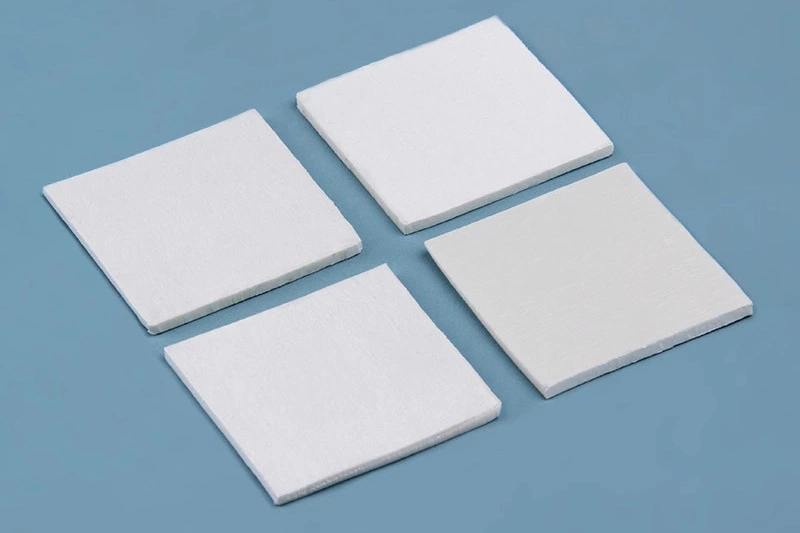
Both Aluminum Nitride and Boron Nitride sit at the high end of Material Comparison, yet their personalities differ.
Performance Snapshot
| Material | Thermal Conductivity (W/mK) | Density (g/cm³) | Dielectric Strength (kV/mm) | Typical Use |
| Aluminum Nitride | 140–180 | 3.26 | 15–20 | Power modules |
| Boron Nitride (h-BN) | 30–60 | 2.1–2.3 | 10–15 | Insulating fillers |
| BN-filled Polymer | 0.8–5W/mK | 1.8–2.4 | 6–12 | TIM pads/films |
| AlN-filled Composite | 1–5W/mK | 2.5–3.0 | 8–14 | Substrates |
In pure ceramic form, Aluminum Nitride dominates Heat Transfer with high conductivity and strength. Boron Nitride, lighter and electrically insulating, and performs exceptionally well as a filler.
For many electronics, that 0.8–5W/mK thermal conductivity band is the practical sweet zone—efficient, safe, and cost-aware. Sheen Technology aligns its composite formulations to this working range, keeping Thermal Management balanced with real production needs.
Pads vs Films
Choosing between Thermal Pads and Thermal Films often comes down to tolerance and assembly style.
Structure & Fit
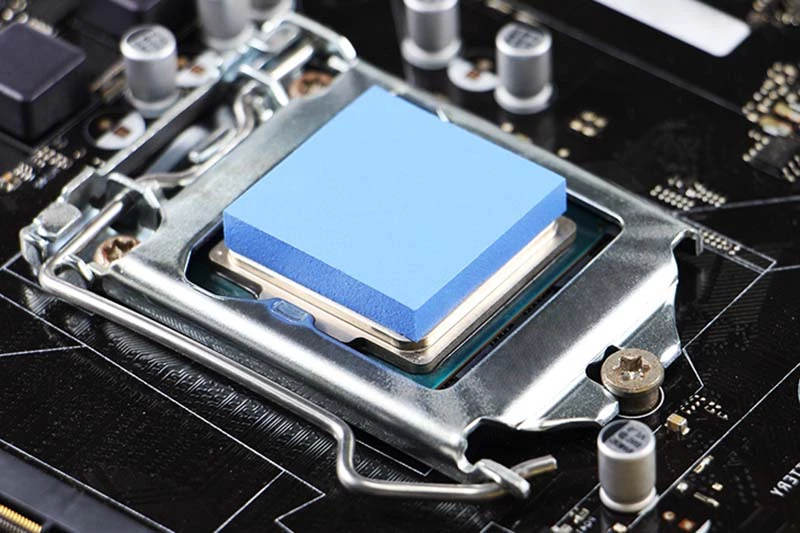
1.1 Thermal Pads
· Compressible
· Handle uneven gaps
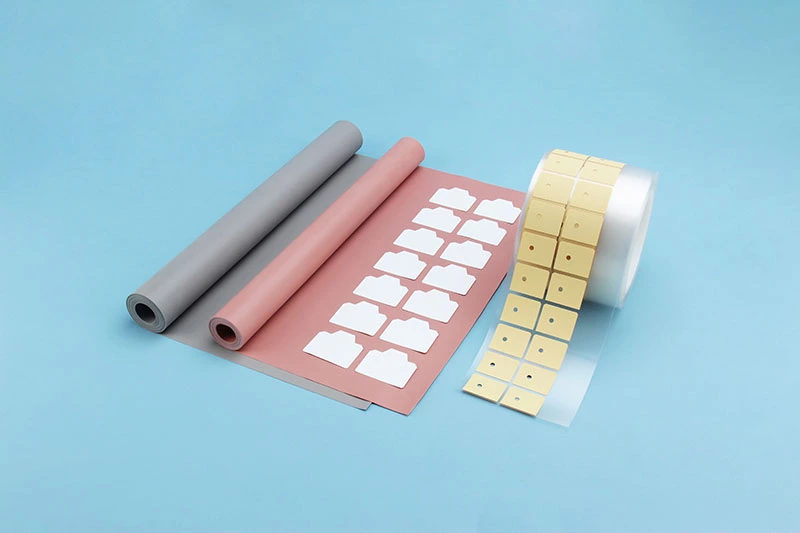
1.2 Thermal Films
· Thin profile
· Lower interface thickness
· Stable thermal conductivity range 0.8W-5W/mK
Interface Thermal Resistance
· Pads: better gap filling, slightly higher interface resistance.
· Films: thinner bond line, often lower Interface Thermal Resistance.
Application Suitability
· Manual assembly → Pads feel forgiving.
· Automated SMT lines → Films fit fast-paced builds.
For everyday electronics pushing moderate heat, the Thermal conductivity: 0.8W-5W/mK band keeps systems cool without fancy extras. That’s where Sheen Technology positions its portfolio—right in the practical zone where performance, ease of application, and steady Thermal Performance meet.
Pain-Point Solving
Heat, voltage stress, and messy assembly lines can quietly wreck good hardware. This cluster gets straight to the fix.
From Thermal conductivity: 0.8W-5W/mK interface options to automated lamination, the goal is simple—cooler Power Modules, safer insulation, smoother output. Let’s keep it practical and real.
Overheating Power Modules? High-Conductivity Pads to the Rescue
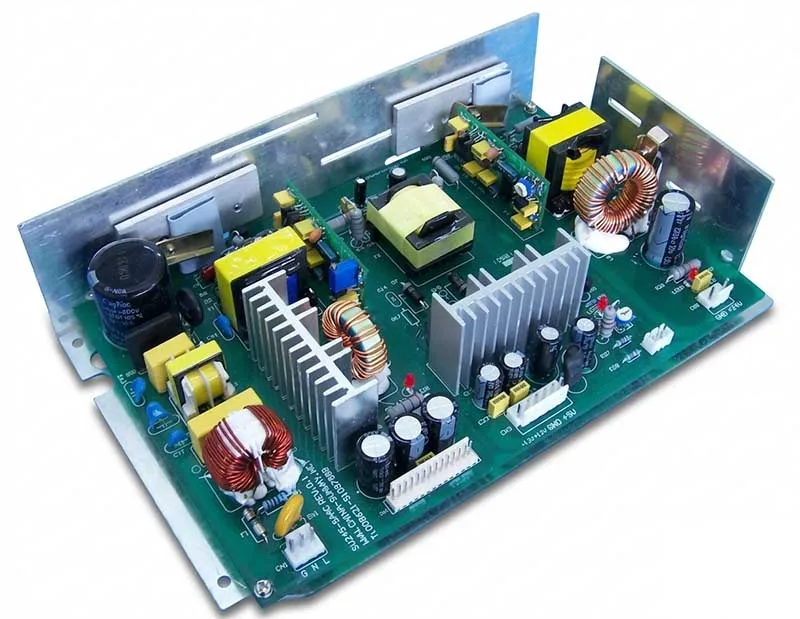
When Power Modules start Overheating, the root cause often hides in weak Thermal Interface Material performance. The fix revolves around matching real heat loads with the right conductivity range, especially Thermal conductivity: 0.8W-5W/mK solutions.
Heat Source Control
· Chip junction hotspots
· Uneven pressure between heat sink and module
· Air gaps reducing Thermal Conductivity
Material Selection Logic
Entry range: 0.8W/mK–5W/mK
· Suitable for automotive control units
· Stable for industrial drivers
Mid-range thermal conductivity pads
· Balance insulation and heat flow
· Improve Heat Dissipation without redesign
Performance Outcomes
· Lower junction temperature
· Extended service life
· Stable output under peak load
A well-matched pad rated at Thermal conductivity: 0.8W-5W/mK spreads heat fast, keeps surfaces tight, and avoids pump-out. Sheen Technology fine-tunes pad density and surface tack so Overheating doesn’t sneak back after vibration tests.
Poor Dielectric Strength? Epoxy Resin Mats Ensure Electrical Insulation
Low Dielectric Strength isn’t just a spec issue. It’s a safety red flag.
• Weak insulation under High Voltage
• Micro-cracks in aging substrates
• Moisture attacking Material Properties
Epoxy Resin Mats step in with solid Electrical Insulation and stable bonding. A thermal insulation sheet rated at Thermal conductivity: 0.8W-5W/mK can still deliver reliable voltage isolation when resin structure and filler balance are right.
· Resin matrix locks structure.
· Fillers guide controlled heat flow.
· Curing process secures long-term stability.
IDC’s 2025 power electronics outlook notes that higher switching frequencies are increasing insulation performance requirements across automotive and industrial platforms.
That trend makes high dielectric epoxy systems more than optional. Pairing insulation strength with 0.8W/mK–5W/mK thermal control keeps boards cool and circuits safe at the same time.
Manual Dispensing Errors? Automated Lamination Boosts Production Efficiency
Manual glue work sounds simple, yet Manual Dispensing often brings thickness drift and trapped bubbles. That hurts Quality Control and slows the Assembly Line.
Process Shift
· Replace liquid dispense with pre-formed pads
· Use calibrated lamination pressure
Manufacturing Process Optimization
· Consistent pad thickness
· Stable thermal resistance
· Predictable Heat Dissipation
· Cleaner workstation
· Less rework
· Lower contamination risk
Error Reduction Results
· Higher Production Efficiency
· Fewer rejects
· Repeatable performance at scale
Automated lamination aligned with Thermal conductivity: 0.8W-5W/mK pad specs means each unit behaves the same—no surprises during burn-in. Sheen Technology supports this shift with pads designed for roll-to-roll bonding, helping factories move faster while keeping thermal conductivity steady and controlled.
Scenario-Based
Modern electronics run hot, and nobody likes overheated gear. From cars to LEDs to factory power racks, smart Thermal conductivity: 0.8W-5W/mK solutions keep systems cool, stable, and long-lasting. Here’s how smart material choices quietly change the game.
Automotive Electronics with Boron Nitride Pads for Cooler Power Modules
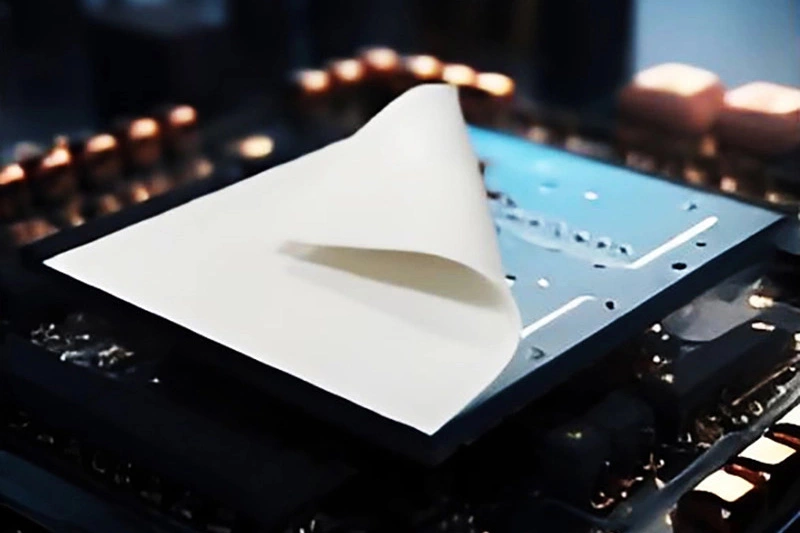
In high-load Automotive Electronics, heat piles up fast inside Power Modules. It is precisely in this application scenario that high-performance boron nitride pads play a pivotal role.
Material Foundation
· Core layer: electrically insulating yet thermally active
· Stable performance under vibration
Application in Power Modules
1) Interface between IGBT/MOSFET and heat sink
2) Fill micro air gaps
3) Enable steady Heat Dissipation
Performance Impact
· Noticeable Temperature Reduction
· More stable switching cycles
· Longer system reliability
Within this setup:
· Thermal conductivity 0.8W improves baseline cooling.
· 5W/mK supports higher load spikes.
· The full Thermal conductivity: 0.8W-5W/mK range adapts to platform needs.
Sheen Technology supplies pads tuned precisely to Thermal conductivity: 0.8W-5W/mK, helping EV control units stay cool without bulky hardware.
Consumer LED Packages: Film Interface for Enhanced Efficiency
In Consumer Electronics, small size means tight heat paths. For LED Packages, thin film interfaces with Thermal conductivity: 0.8W-5W/mK improve Heat Transfer fast.
Key advantages:
· Lower interface resistance
· Higher Thermal Conductivity stability
· Better light output and Performance
1) Apply film interface
2) Compress evenly
3) Connect to heat sink
Result? Less trapped heat. More brightness. Longer lifespan.
The International Energy Agency noted in its 2025 lighting update that improved thermal paths in LED systems remain central to efficiency gains and product durability.
From 0.8W entry designs to 5W/mK advanced builds, the full Thermal conductivity: 0.8W-5W/mK range supports scalable upgrades. Sheen Technology films keep that balance clean and cost-friendly.
Industrial Power Supplies Achieving Lower Junction Temperatures and Longer Lifetime
Heavy-duty Industrial Power Supplies push components hard. Keeping Junction Temperature down is critical.
Thermal Interface Layer
· Rated Thermal conductivity: 0.8W-5W/mK
· Electrically safe insulation
· Consistent Heat Dissipation
Integration Path
1) Mount semiconductor
2) Add pad with Thermal conductivity: 0.8W-5W/mK
3) Secure to heat sink
System Outcomes
· Reduced thermal stress
· Improved Operational Efficiency
· Extended Component Lifetime
· Stronger overall Reliability
Thermal conductivity 0.8W handles steady loads. 5W/mK manages peak bursts. The full Thermal conductivity: 0.8W-5W/mK window gives engineers room to tune designs without overcomplicating hardware.
That’s why manufacturers turn to Sheen Technology for dependable materials that quietly protect power infrastructure day after day.
FAQs about Thermal Conductivity: 0.8W-5W/mK
How does material selection within Thermal conductivity: 0.8W-5W/mK impact device reliability?
Choosing within this range shapes how heat leaves power modules and integrated circuits, directly affecting junction temperature and lifetime.
Ceramic substrates (aluminum nitride, boron nitride)
· Higher mechanical strength
· Stable operating temperature range
· Suited for aerospace systems and telecommunications infrastructure
Polymer composites & epoxy resins
· Better coefficient of thermal expansion matching with printed circuit boards
· Strong electrical insulation and dielectric strength
· Common in automotive electronics and consumer electronics
In daily production, engineers balance thermal resistance, density, and cost—seeking steady power dissipation without sacrificing device reliability.
Can 0.8W-5W/mK thermal interface materials handle automotive and industrial loads?
Yes—when correctly processed and paired with the right form.
· Pads / Sheets → Easy lamination onto heat sinks and semiconductor devices; stable under cyclic load in automotive electronics.
· Pastes / Gels → Applied by dispensing or screen printing; fill micro-gaps in industrial power supplies.
· Films / Substrates → Support surface mounting for LED packages and compact integrated circuits.
Performance depends on:
· Controlled curing and pressure
· Low interfacial thermal resistance
· Consistent contact during long vibration cycles
Handled carefully, this conductivity band supports strong efficiency and extended lifetime in demanding environments.
How do thickness and processing methods influence thermal resistance?
Thermal resistance rises as the heat path grows thicker—simple physics, serious consequences.
① Thin films reduce junction temperature in LED packages and power modules.
② Excessive pad thickness increases heat buildup inside semiconductor devices.
③ Uniform lamination and sintering improve contact across substrates and heat sinks.
Surface mounting, curing pressure, and clean interfaces prevent trapped air that weakens power dissipation. In medical devices or aerospace systems, this precision defines the line between stable operation and early failure.
Sheen Thermal
Dongguan Sheen Electronic Technology Co., Ltd · Founded in 2008
Manufacturer of thermal interface materials and silicone foam for automotive electronics, energy storage, power electronics, communications and consumer electronics.
Certified
- ISO 9001:2015
- ISO 14001:2015
- IATF 16949:2016
What we supply
- Thermal conductivity Up to 90 W/m·K
- Thickness 0.3–10.0 mm
- Custom & samples Die-cut to drawing, 3–7 days