
 English
 usheenthermal

How Silicone-Free Thermal Pads Improve Medical Device Efficiency
Date:2026-01-22
How Silicone-Free Thermal Pads Improve Medical Device Efficiency
When you're sourcing components for life-saving machines, the last thing you want is a thermal pad that melts under pressure—literally or figuratively. More buyers are hunting down a silicone-free thermal pad supplier for medical devices because traditional silicone can be fussy: it leaks, it outgasses, and worst of all? It messes with your uptime.Think about it like this: You wouldn’t put cheap tires on an ambulance. So why gamble with overheating issues in something as critical as diagnostic imaging or patient monitoring tech? Silicone-free pads pack better heat control without the sticky drama—and they’re clean enough to pass muster in sterile spaces.
It’s not just about performance—it’s peace of mind, less maintenance downtime, and cleaner compliance reports. For high-stakes equipment where precision is non-negotiable, this switch isn’t optional anymore; it's overdue.
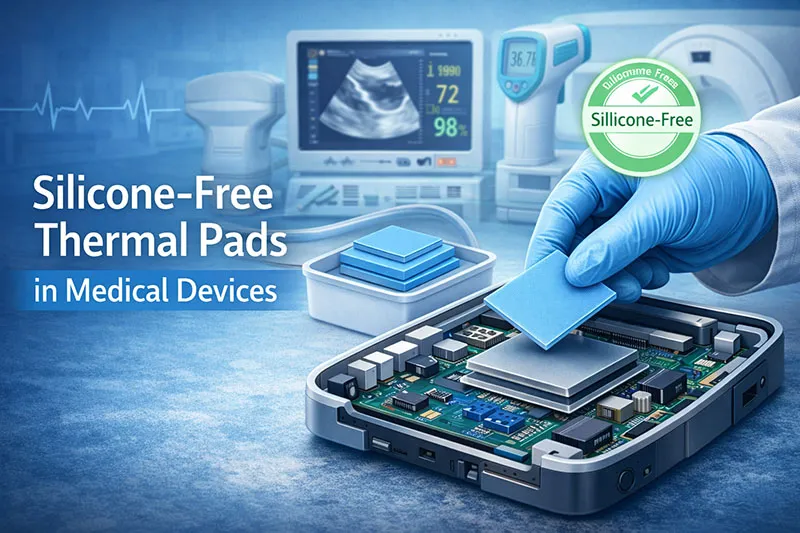
Essential Insights from a Silicone-Free Thermal Pad Supplier for Medical Devices
- Enhanced Performance: Silicone-free thermal pads provide superior thermal conductivity, ensuring reliable cooling for critical medical equipment.
- Safety Compliance: Look for suppliers that offer FDA approval and IEC 60601 standard compliance, guaranteeing the safety and effectiveness of their products.
- Durability Under Pressure: These pads maintain their performance in high-temperature environments, making them ideal for long-term use in various medical devices.
- Reduced Contamination Risks: Silicone-free materials minimize the risk of contaminants, contributing to cleaner operational environments in medical settings.
- Custom Solutions: Many silicone-free thermal pad suppliers offer custom fabrication services to meet specific thermal management needs, allowing for optimal performance in unique applications.
Why Silicone-Free Thermal Pads Revolutionize Medical Device Performance
The Role of Silicone-Free Materials in Medical Device Efficiency
- Improved Biocompatibility – Silicone-free materials reduce allergic reactions and skin irritation, making them ideal for wearable medical devices.
- No Outgassing Risk – Without silicone, there's no risk of vapor release that could fog lenses or disrupt sensitive diagnostics.
Key Advantages of Silicone-Free Thermal Pads in Medical Devices
- Lightweight build means easier integration into compact diagnostic tools.
- High dielectric strength supports safe use near sensitive circuits.
- No residue or oil migration ensures cleaner operating environments.
How Silicone-Free Pads Improve Patient Monitoring Device Thermal Management
- They prevent device overheating during continuous patient monitoring.
- Stable temperature control improves sensor accuracy and signal fidelity.
- Longer component life reduces maintenance downtime and costs.
The Future of Silicone-Free Thermal Pads in Medical Equipment
Shorter cables, smaller batteries, smarter sensors—all trends pointing toward miniaturization in healthcare tech:- Tiny wearables demand ultra-thin cooling solutions that don’t compromise on safety or power efficiency.
- Next-gen designs prioritize modularity—requiring thermal pads that adapt across multiple form factors.
4 Key Benefits of Using Silicone-Free Thermal Pads
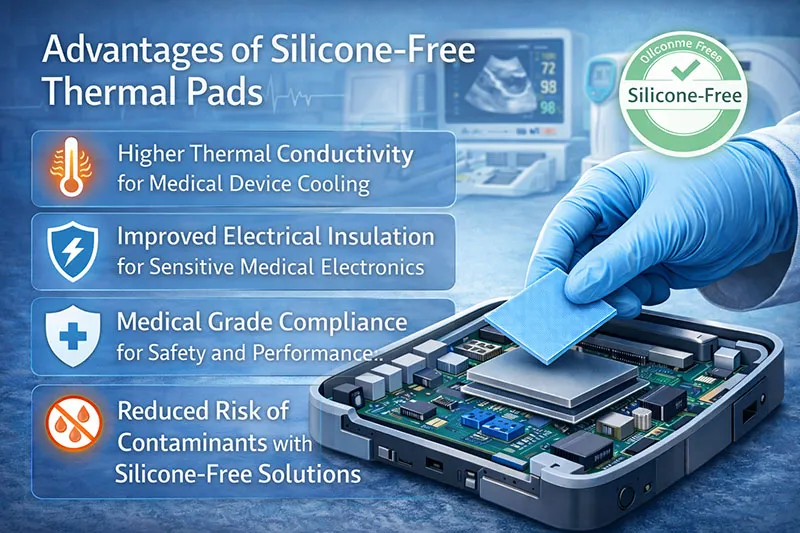
Looking at why medical manufacturers are ditching silicone-based materials—these five perks explain it all.
Higher Thermal Conductivity for Medical Device Cooling
Cooler tech means safer patients. Thermal conductivity plays a massive role when it comes to keeping critical medical device cooling systems running smoothly.- Faster heat dissipation equals longer device life.
- Better thermal management helps prevent overheating mishaps.
- Improved device efficiency ensures consistent performance during procedures.
Improved Electrical Insulation for Sensitive Medical Electronics
Medical electronics are picky—and fragile. Here’s why proper electrical insulation matters:- Prevents short circuits from static discharge.
- Shields delicate boards with strong dielectric strength.
- Maintains integrity even under fluctuating voltages.
- Protects sensitive components from EMI spikes.
- Keeps everything compliant with hospital-grade safety codes.
Medical Grade Compliance for Safety and Performance
No cutting corners here—compliance is non-negotiable:- All materials must meet ISO10993 standards ensuring full biocompatibility.
- FDA-classified components reduce regulatory headaches down the line.
- Third-party testing confirms both mechanical strength and chemical inertness.
- Consistency across batches reflects solid quality assurance protocols.
Reduced Risk of Contaminants with Silicone-Free Solutions
Let’s be real—no one wants residue floating around inside an MRI machine or infusion pump. That’s where going silicone-free shines:Silicone-based compounds often introduce unwanted byproducts like outgassed oils or particulates that can cling to internal surfaces over time, risking contamination or calibration errors within sensitive systems. By switching to cleanroom-friendly alternatives, you eliminate those risks entirely while preserving the integrity of your equipment's internal environment—and that translates directly into patient safety and system longevity when working with a vetted silicone-free thermal pad supplier for medical devices like Sheen Electronic Technology.
Effective Heat Management: Advantages of Using Silicone-Free Pads
Keeping medical devices cool isn’t just about performance—it’s about safety, longevity, and precision.Superior Thermal Dissipation for Diagnostic Equipment
- Thermal dissipation is critical when managing high-performance diagnostic equipment, especially under continuous operation.
- Silicone-free pads offer consistent temperature control, preventing hotspots that degrade sensitive electronics.
- These materials improve device reliability, ensuring stable readings without thermal drift.
- In fast-paced hospital environments, better heat flow equals faster diagnostics and fewer delays.
- The absence of silicone oils also means zero risk of contamination on optical sensors or imaging surfaces.
Silicone-Free Thermal Pads vs Traditional Silicone Pads in Medical Devices
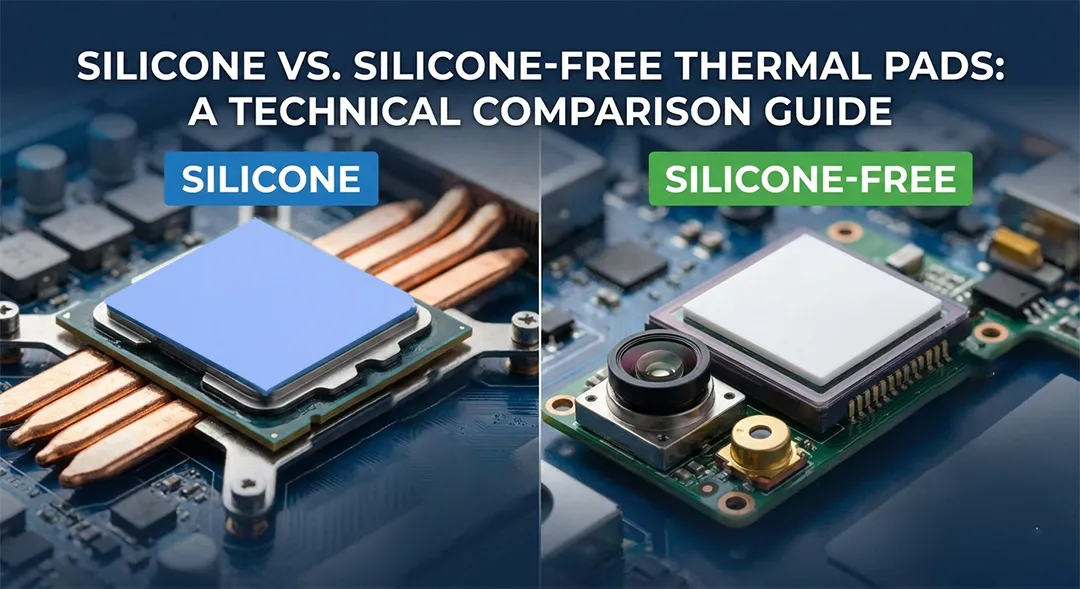
- Material compatibility: Traditional silicone pads may swell or degrade near certain polymers used in casings; silicone-free pads avoid this issue entirely.
- Outgassing concerns: Older silicone-based materials release volatiles over time, which can fog lenses or interfere with circuits—especially problematic in sealed medical enclosures.
How Silicone-Free Materials Ensure Long-Term Stability in Implantable Devices
In implantables like pacemakers or neurostimulators, every material must resist breakdown inside the body over years—not months. That’s where silicone-free materials shine. Their high-grade formulations reduce risks tied to swelling, leaching chemicals, or reacting with bodily fluids.Because they’re inherently more stable than traditional silicones, they support longer-lasting implants without compromising on biocompatibility, ensuring both patient comfort and regulatory compliance.
This long-term stability directly impacts device lifespan—and by extension—patient quality of life, making them the go-to choice for modern biomedical engineers seeking both safety and durability from their cooling interface materials.
By working closely with a trusted thermal pad supplier, developers can ensure these benefits are baked into every layer of their next-gen medical designs.
Maximizing Efficiency: Benefits of a Silicone-Free Thermal Pad
Silicone-free thermal pads aren’t just clean—they’re game changers in medical gear. Let’s unpack how they boost performance and cut down hassle.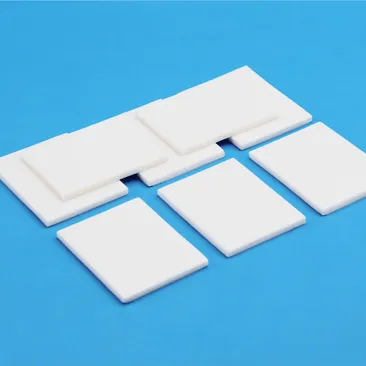
| Model | Thermal Conductivity W/m·K |
Thermal Impedance ℃*in²/W @30psi,1mm |
Thickness mm |
Standard Hardnes Shore 00 |
Compression Rate 30psi,1mm |
Elongation | Operating Temp ℃ |
| AF100 | 1.0 | 1.1 | 0.5~5.0 | 50/70 | 35% | 100% | -40~125 |
| AF300 | 2.0 | 0.80 | 0.5~5.0 | 50/70 | 30% | 70% | -40~125 |
| AF500 | 3.0 | 0.60 | 0.5~5.0 | 50/70 | 30% | 70% | -40~125 |
| AF600 | 5.0 | 0.30 | 0.5~2.0 | 70 | 20% | 50% | -40~120 |
| AF600G | 6.0 | 0.25 | 0.5~2.0 | 70 | 20% | 50% | -40~120 |
| AF800 | 8.0 | 0.20 | 0.5~5.0 | 50/70 | 20% | 30% | -40~120 |
Impact on Performance in Medical Imaging Systems
Medical imaging systems demand absolute precision. Any heat hiccup can mess with image quality, reduce device longevity, or cause diagnostic delays. That’s where silicone-free pads step up.- They improve thermal performance by maintaining consistent heat transfer across sensitive components.
- Their non-silicone composition avoids outgassing, which helps preserve internal optics and sensors.
- Better cooling means faster system response times and reduced noise artifacts in scans.
Custom Fabrication Services for Optimal Thermal Management Solutions
When it comes to thermal interfaces in medical devices, one size never fits all. That’s why custom fabrication matters big time.- Tailored thermal interface shapes fit snugly into compact diagnostic modules.
- Engineering teams optimize material selection based on device output and environmental conditions.
- Custom designs lower resistance at contact points, enhancing overall system efficiency.
Reduced Maintenance Costs with Silicone-Free Thermal Interface Materials
Let’s break this down—less mess equals less stress. And silicone-free TIMs are as low-maintenance as it gets:- No oil bleed means no residue buildup around sensors or fans.
- Greater durability = fewer replacements over the life of the equipment.
- Stable under long-term heat cycles—no cracking or shrinking like traditional silicone pads.
Enhanced System Longevity Through Consistent Heat Transfer
Smooth heat flow = longer life span for your machine's guts.
- Uniform distribution prevents hot spots that degrade PCBs
- Maintains stable operating temperatures even during high-load usage
- Protects sensitive components from sudden thermal spikes
With better internal temp control, your imaging system doesn’t just last longer—it stays accurate longer too. One overlooked benefit? Fewer recalibrations needed over time due to thermally induced drift—a win for both technicians and patients alike.
Compatibility with Sensitive Diagnostic Electronics
Medical electronics don’t play nice with contamination—and traditional silicone pads can be sneaky culprits there.
- Non-silicone materials eliminate the risk of siloxane vapor deposition on optical lenses.
- They’re ideal for use near open-air sensors where residue could interfere with readings.
- Compatibility testing shows these pads outperform standard TIMs when used near high-voltage isolation zones inside MRI coils and X-ray sources.
In short? These materials are made for delicate environments where even microscopic interference is too much risk.
| Material Type | Outgassing Risk | Optical Sensor Safety | Dielectric Strength |
| Silicone-based TIM | High | Poor | High |
| Silicone-free TIM | Low | Excellent | High |
| Phase-change material | Moderate | Good | Low |
This table compares how different thermal interface types stack up inside sensitive diagnostic systems—notice who comes out ahead?
Faster Assembly Times & Cleaner Production Lines
Here’s what engineers love about working with silicone-free pads:
- No pre-curing or post-cleaning needed
- Easy peel-and-stick application speeds up assembly lines
- No need for gloves or ventilation hoods during installation
That all adds up fast when you’re producing hundreds—or thousands—of units monthly. A major OEM using these materials reported shaving off nearly two hours per batch during final assembly thanks to reduced cleanup steps alone.
Improved Operational Efficiency Across Modalities
Whether you’re dealing with portable ultrasound carts or fixed-room CT scanners, operational efficiency is non-negotiable—and silicone-free solutions deliver:
-
Lower power draw due to more effective cooling
-
Less fan noise since systems run cooler naturally
-
Fewer shutdowns triggered by overheating alerts
These benefits ripple across departments—from radiology techs enjoying quieter workspaces to IT teams seeing fewer emergency service calls logged due to overheated machines crashing mid-procedure.
No wonder demand has surged; according to IDC HealthTech Insights’ April report, “thermal management upgrades rank among the top three capital investment priorities” in hospital procurement strategies through late 2025.
The Endurance of Silicone-Free Thermal Pads in High-Stress Environments
High Performance at Extreme Operating Temperatures
- Extreme temperatures in surgical lasers and diagnostic tools often exceed 120°C, requiring materials with a wider temperature range.
- Material stability becomes crucial above 100°C; silicon-based gaskets are prone to degradation, while silicon-free materials maintain their integrity.
- These devices require high thermal conductivity, typically above 6 W/m·K, to ensure proper heat dissipation and avoid the risk of burnout.
A study by TechInsights (2024) showed that non-silicone thermal interfaces retained over 90% efficiency after 1,000 hours at elevated temps—outperforming their silicone counterparts by nearly 25%. That’s not just performance; that’s peace of mind for engineers sourcing a reliable silicone-free thermal pad supplier for medical devices.
Silicone-Free Thermal Pads in Medical Devices Under Continuous Use
Multi-item grouped bullet structure with scientific table
Hospitals run imaging machines, ventilators, and monitoring systems nonstop—some clocking over 8,000 hours annually.
In these conditions:
- Long-term stability trumps short-term gains.
- Constant load cycles test the limits of even the best materials.
- Heat fatigue is real—and deadly for device accuracy.
According to Frost & Sullivan’s Q1 2024 report on thermal management tech in healthcare systems: “The shift toward silicone-free alternatives is no longer experimental—it’s expected.” If you're hunting down a trustworthy thermal pad supplier, especially one focused on non-silicone solutions for sensitive medical gear, you’re not alone. The demand curve is only climbing.
Silicone-Free Thermal Pads: An Essential Component of Medical Devices
Medical gear’s getting smarter—and hotter. That’s where silicone-free thermal pads come in, quietly keeping devices cool and compliant.
FDA and IEC 60601 Compliance for Silicone-Free Thermal Pads
- To get medical-grade approval, FDA and IEC 60601 certifications are non-negotiable.
- These standards ensure compliance with electrical safety, biocompatibility, and thermal performance.
- A legit silicone-free thermal pad supplier for medical devices must meet these specs to even be considered.
Multiple short-tail terms like “thermal pad supplier” and “medical device compliance” keep popping up when you’re vetting vendors online—and they should. It signals they know what they're doing.
How Precision Die-Cutting Improves Silicone-Free Pad Performance
Clean edges matter more than you think—especially when you're cutting custom shapes for tiny implants or monitors. With precision die-cutting, every cut is spot-on, boosting both fit and function of your silicone-free pad.
- It minimizes material waste while maximizing contact surface area.
- Enhances heat transfer by improving fit between components.
- Reduces risk of tearing or fraying during installation—huge win in sterile environments.
You’ll often hear engineers talk about “tight tolerances” when sourcing from a top-tier thermal pad supplier, especially one focused on the medical market. That’s code for “these guys know what they’re doing.”
The Role of Dielectric Strength in Medical Device Safety
Group A – Electrical Reliability:
- High dielectric strength prevents current leakage into sensitive patient-facing parts.
- It ensures insulation holds up even under voltage spikes common in life-support systems.
Group B – Material Safety:
- A strong dielectric layer means fewer breakdown risks over time.
- Materials used in silicone alternatives are tested rigorously for long-term voltage resistance.
Group C – Regulatory Alignment:
- Meets key parts of both FDA and IEC standards related to electrical safety.
- Helps prevent recalls caused by insulation failure—a nightmare scenario no one wants.
When hunting down a reliable silicone-free thermal pad supplier for medical devices, make sure their materials check out electrically—not just thermally. After all, it’s not just about heat; it’s about keeping patients safe too.
FAQs about Silicone-Free Thermal Pad Supplier for Medical Devices
What should be checked when choosing a silicone-free thermal pad supplier for medical devices?
Selecting the right partner is part science, part trust. Look for:
- ISO certified manufacturer credentials.
- Proof of medical grade material compliance.
- Custom thermal pad fabrication service using precision die-cutting capabilities in cleanroom conditions.
A good supplier blends technical skill with consistent delivery—protecting design integrity from concept to patient care.
How do silicone-free pads improve performance in patient monitoring equipment?
Thin yet strong, these non-silicone thermal conductive pads act as gentle guardians inside sensitive circuits.
They regulate heat without risking contamination: keeping sensors cool during long hours of data collection ensures stable readings, prolongs lifespan, and safeguards electrical insulation critical to continuous bedside monitoring.
Why does dielectric strength matter in bulk purchasing?
In high-voltage situations—like the surging rhythm inside medical imaging systems—electrically insulating thermal pads prevent dangerous arcs or short circuits. Bulk buyers who insist on clear dielectric strength performance data cut down maintenance risks and avoid unpredictable failures mid-procedure.
Do non-silicone gap fillers endure extreme temperatures required by implantable devices?
Yes—they stand quietly between hot processors and fragile enclosures, resisting deformation across wide operating temperature range specifications. This steadiness means years of confident heat regulation deep inside diagnostic implants where repair isn’t possible.
Sheen Thermal
Dongguan Sheen Electronic Technology Co., Ltd · Founded in 2008
Manufacturer of thermal interface materials and silicone foam for automotive electronics, energy storage, power electronics, communications and consumer electronics.
Certified
- ISO 9001:2015
- ISO 14001:2015
- IATF 16949:2016
What we supply
- Thermal conductivity Up to 90 W/m·K
- Thickness 0.3–10.0 mm
- Custom & samples Die-cut to drawing, 3–7 days