
 English
 usheenthermal

Why Thermal Interface Material is Crucial for Continuous Operation Medical Equipment
Date:2026-01-21
Thermal Interface Material For Continuous Operation Medical Equipment
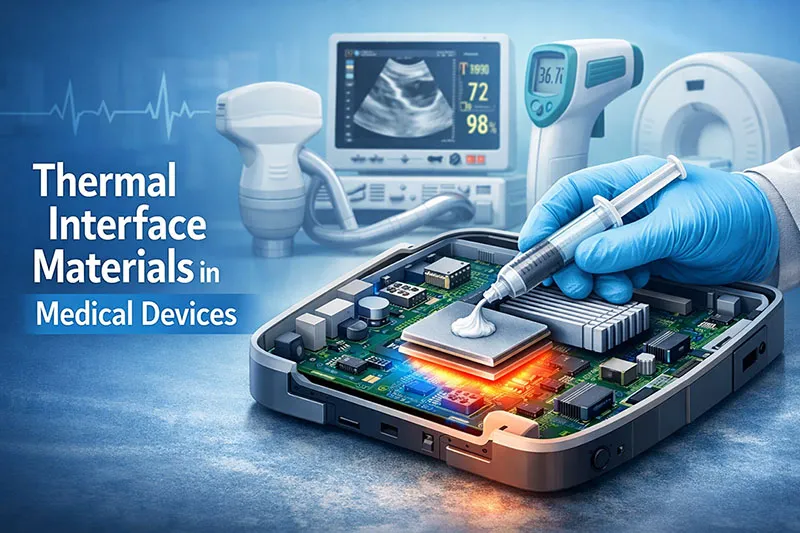
When life-sustaining machines hum along 24/7—keeping hearts steady, lungs pumping, and data flowing—you don’t want a $0.40 part to be the reason it all goes sideways. That’s where thermal interface material for continuous operation medical equipment comes in—a tiny unsung hero that keeps million-dollar devices from frying under pressure. It’s not glamorous, but just like brake pads on an ambulance, when it fails… everything stops.Think of TIMs like the peacekeepers between hot-headed processors and cool-headed heat sinks—they absorb the drama before it turns into a meltdown. In hospital settings where uptime isn’t optional, skimping on thermal performance is playing chicken with patient safety.
Importance of Thermal Interface Material
Keeping medical equipment cool isn’t just about performance—it’s about safety, durability, and uptime. Here's how thermal interface materials make all the difference.The role of thermal interface materials in medical equipment safety
- Minimizes risk of device malfunction due to overheating
- Protects sensitive electronic components from heat spikes
- Maintains stable internal temperatures for critical patient-facing devices
How thermal materials enhance longevity and performance
- Reduces long-term exposure to heat-related stress on parts
- Prevents early-stage degradation of key electronic components
- Enhances overall system reliability, especially during heavy-duty cycles
Considering thermal conductivity and resistance in critical applications
- High thermal conductivity = efficient heat escape routes
- Low thermal resistance = less obstruction to flow from chip to sink
- Right balance = sustained high-level device performance
According to Frost & Sullivan’s 2024 Medical Electronics Report, “Thermal conductivity optimization is now a top-3 design priority in over 70% of next-gen diagnostic device R&D programs.”
That stat alone shows how vital smart TIM choices are becoming across healthcare tech.
In short, whether it's ensuring proper cooling in life-critical systems or helping reduce downtime through smarter material use, every degree counts when you're working with a thermal interface material for continuous operation medical equipment.
Why Is Thermal Interface Material Vital for Medical Devices?
A solid thermal interface material for continuous operation medical equipment isn't just about heat—it's about keeping patients safe, devices precise, and operations smooth.High thermal conductivity: Ensuring optimal functioning under stress
When things heat up inside a medical device—literally—the right thermal interface material keeps everything cool and steady. Here's why high thermal conductivity is a game-changer:- Keeps internal temperatures within tight tolerances during long diagnostic sessions.
- Reduces the risk of sensor drift or component failure due to overheating.
- Supports high-frequency imaging tools like ultrasound or MRI systems.
- Enhances signal fidelity by stabilizing core circuitry temperature.
- Helps maintain consistent output from therapeutic lasers and RF ablation tools.
The impact of electrical insulation properties on medical devices
Let’s talk electricity—because where there's power, there's potential trouble if it leaks where it shouldn't.- Good TIMs double as insulators, blocking stray currents from jumping between components.
- In defibrillators or ECG monitors, electrical isolation protects both patient and sensitive electronics.
Long-term reliability and stability in prolonged use
Medical gear isn’t built for weekend sprints—it’s running marathons every day. And the right thermal interface material for continuous operation medical equipment needs to go the distance too.Devices like infusion pumps or ventilators run 24/7 without breaks; their TIM must resist degradation over time.
Even small shifts in interface resistance can throw off readings or trigger shutdowns after months of use—not ideal when monitoring vital signs. As noted by Frost & Sullivan's 2024 Healthcare Electronics Outlook, “Thermal fatigue remains one of the top three causes of electronic failure in long-life clinical devices.” That makes thermal consistency not just a perk—but a requirement—for reliable care delivery over years, not weeks.
Addressing biocompatibility testing standards for patient safety
No matter how effective your TIM is at cooling things down, if it irritates skin—or worse—it’s out of the game fast. Here's what matters most:- Biocompatibility: Must pass ISO 10993 protocols to be cleared for skin contact or implant-adjacent applications.
- Regulatory compliance with FDA Class II/III device guidelines.
4 Key Benefits of Thermal Interface Material
Thermal interface materials keep medical gear cool, sharp, and humming non-stop—here’s how they seriously boost performance.Enhanced efficiency in patient monitoring systems
Keeping patient monitors sharp isn’t just about software—it’s about managing heat. With the right thermal conductivity, thermal interface material for continuous operation medical equipment ensures:- Better signal integrity across sensors during long shifts
- Reduced lag, keeping diagnostic accuracy on point
- No random shutdowns due to overheating
Reducing heat buildup in surgical navigation platforms
When surgeons rely on real-time imaging during delicate procedures, heat is the enemy of precision. That’s where the right thermal interface material steps up:- Keeps components under safe thresholds to prevent device malfunction.
- Enhances operational efficiency by eliminating lag from thermally stressed processors.
- Supports uninterrupted visuals for better intraoperative decisions.
- Maintains system stability even during extended surgeries lasting hours.
- Minimizes risks of sudden temperature surges that could throw off alignment or guidance tools.
Minimized outgassing characteristics for sensitive environments
Some med-tech setups—like MRI suites and cleanrooms—can’t handle airborne contaminants from hot electronics,Low-outgassing solutions don’t just protect gear—they also support regulatory requirements around emissions in critical care zones.That’s why low-outgassing formulations matter when choosing a thermal interface material for continuous operation medical equipment.Gap filler pads: Bridging thermal performance gaps effectively
.webp "Silicone Thermal pad")
.webp "phase change thermal material")
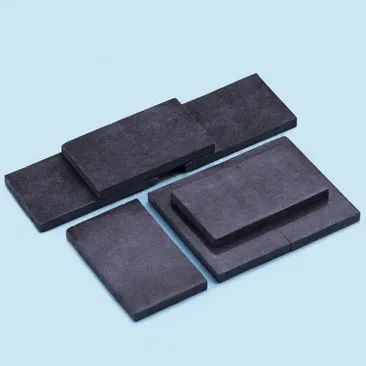
Not all components fit together perfectly—and that air gap? It kills cooling power fast. "According to Yole Intelligence's 2024 Q1 report, demand for high-compression gap fillers rose 28% year-over-year across diagnostic imaging equipment due to their role in improving system uptime."
Gap filler pads are molded to close those spaces tight:
- They adapt to uneven surfaces without crushing fragile parts.
- Boost overall heat dissipation, keeping internals cooler longer.
- Reduce thermal stress, extending component life.
- Play nice with PCBs, sensors, and power modules alike.
By integrating these smart solutions into your design stack early on, you’re not just improving cooling—you’re locking down reliability at scale with every unit shipped out the door.
Can Proper Thermal Management Reduce Equipment Failures?
Keeping medical gear humming along without hiccups isn’t just about the hardware—it’s about how well you handle the heat.Comparison of material types: Thermal grease vs. phase change materials
When it comes to choosing the right thermal interface material, two contenders usually steal the spotlight—thermal grease and phase change materials..webp "Thermal paste")
Sheen Technology: Performance Comparison of Thermal Paste and Phase Change Materials
| Property | Thermal Paste | phase change materials |
| Thermal conductivity (k) | 1–5 W/m·K | 3–8 W/m·K |
| Thermal Resistance(℃*in²/W) | 0.015-0.04 | 0.007–0.4 |
| Operating Temp(℃) | -50-150 | -40-125 |
| State | Viscous, easy to apply | Solid at room temperature, melts at high temperatures |
| Risks | Pump-out, dry-out, electrical conductivity (if metal) | Compression set, brittleness over cycles |
- Thermal grease is gooey, spreads easily, and fills micro gaps like a champ—but it can dry out over time, especially under high-use situations like continuous operation medical equipment.
- Phase change materials, on the flip side, solidify when cool but melt slightly at operating temps to create a snug thermal seal—great for devices that run hot around the clock.
Examining the effects of temperature and humidity exposure on devices
Heat’s not your only enemy—moisture joins forces with it like a tag-team duo from hell.- High humidity can cause corrosion on exposed components inside medical gear—even more so when combined with elevated temperatures.
- Overheating accelerates chemical breakdowns in both circuit boards and thermal interface layers.
- Repeated exposure cycles can degrade solder joints and warp plastic enclosures—especially dangerous in diagnostic equipment where precision matters most.
Understanding environmental impacts through real-world testing
Humidity chambers aren't just fancy boxes—they simulate what your device might face stuck inside an ambulance or tucked away behind hospital walls near autoclaves.Short segment insights: – Devices placed under fluctuating temperatures from 25°C to 80°C show increased failure rates above 65°C without proper thermal interfaces. – Inconsistent humidity levels above 70% RH lead to delamination of poorly bonded TIMs. – Medical-grade power supply units are particularly vulnerable unless sealed correctly with durable phase-change-based solutions. – The wrong choice of TIM can reduce lifespan by up to 30%, especially if it's not optimized for high-moisture environments.
Optimizing performance through material selection
Picking the right stuff isn’t guesswork—it’s strategy. Here's how engineers break it down:Application Type:
- Diagnostic systems = consistent load = favor stable phase change compounds
- Portable monitoring = variable temps = go flexible with hybrid greases
- Short bursts? Grease works fine.
- Nonstop use? Phase changers offer better longevity
- Easy-to-reach parts? Grease allows quick swaps
- Hard-to-reach internals? Go long-haul with low-maintenance PCM options
And when stakes are high—as they always are in healthcare—it pays off to trust brands like Sheen Electronic Technology, who specialize in these mission-critical solutions built from real-world needs.
Emerging Trends in Thermal Management for Medical Equipment
New materials and smarter strategies are reshaping how heat is handled in medical gear. Here's what’s shifting fast.The shift towards RoHS compliance and REACH certification
Compliance isn’t just red tape—it’s the new baseline. Hospitals and OEMs are now demanding RoHS-compliant and REACH-certified materials that don’t just perform—they protect.- These standards eliminate hazardous substances, reducing environmental risks.
- Devices using compliant thermal interface materials avoid toxic exposure during disposal or recycling.
- Certification also ensures safer interaction between patients and long-use machines like MRI systems or ventilators.
Custom formulation options to meet diverse needs
Medical devices aren’t one-size-fits-all, so why should their cooling solutions be? Customizing a thermal interface material for continuous operation medical equipment means better fit, longer life, and tighter control over heat flow.- A wearable heart monitor requires flexible yet reliable conformable materials, while an ultrasound probe needs low-viscosity thermal grease with quick-dissipating properties.
- Devices like surgical lasers demand ultra-high thermal conductivity, often achieved through hybrid formulations or even nano-enhanced compounds.
- Long-term implants or sterilizable tools must prioritize biocompatibility alongside thermal performance—a tricky balance only achievable via custom blends.
Leveraging qualified material suppliers for better outcomes
You wouldn’t trust a knockoff stethoscope—so why gamble on your thermal solution provider?Grouped benefits of working with vetted suppliers:
- Performance Assurance. Access to proven formulations that maintain consistent heat dissipation, even under prolonged load.
- Materials tested across multiple sterilization cycles without degradation in bonding strength or thermal transfer rate.
- Regulatory Confidence. Pre-certified options aligned with FDA-cleared device pathways.
- Documentation support for RoHS, REACH, ISO10993 biocompatibility—all essential when integrating into regulated environments.
- Innovation Access. Early access to cutting-edge TIMs such as graphene-infused pastes or liquid metal-based hybrids.
- Collaborative R&D support tailored to next-gen imaging systems or miniaturized diagnostic tools.
Overheating Medical Equipment? Solutions With Thermal Interface Material.
Keeping medical devices cool under pressure isn’t just about tech—it’s about trust. Here’s how to stop heat from becoming a hazard in continuous-use systems.Selecting thermal management strategies for continuous operation
- Pinpointing the source of heat: Whether it's processors in imaging systems or power modules in surgical tools, identifying heat generation zones is critical.
- Choosing passive vs. active cooling: Passive methods like thermal interface materials (TIMs) work silently, while fans and liquid cooling add complexity but boost performance.
- Evaluating material longevity: For around-the-clock gear, pick solutions that resist component degradation over time and reduce chances of sudden device failure.
- A well-matched thermal interface material for continuous operation medical equipment can drastically cut down on thermal stress and improve uptime.
Bulk material procurement: Strategic sourcing for reliability
- Determine annual usage estimates based on device production cycles.
- Vet suppliers with proven track records in delivering high-grade TIMs fit for diagnostic or surgical applications.
- Secure buffer inventory during high-demand quarters to avoid shortages that could disrupt manufacturing timelines.
Long-term supply agreements: Ensuring consistent quality
- Locking into long-term deals helps avoid sudden changes in formulation that could affect your system’s thermal performance or compliance status.
- Establish testing benchmarks upfront—like minimum acceptable values for thermal conductivity, shelf life, and curing time—to ensure consistency batch after batch.
- This approach is especially important when working with specialized TIMs like phase change materials or those used in sensitive imaging equipment.
FAQs about Thermal Interface Material for Continuous Operation Medical Equipment
How does thermal interface material protect patients in life support apparatus?In critical moments, heat can be an invisible hazard. Here’s how the right material stands guard:
- Draws heat away from vital electronics with high thermal conductivity.
- Utilizes electrical insulation properties so signals remain pure and uninterrupted.
- Meets biocompatibility testing standards and FDA material approvals—safe even near fragile patient pathways.
Why is RoHS compliance a cornerstone when sourcing materials for continuous operation devices?
Compliance isn’t just paperwork—it reassures that every component touching a medical system respects environmental health:
- Ensures no restricted hazardous substances infiltrate sensitive care environments.
- Strengthens trust between qualified material suppliers and device manufacturers through transparent sourcing.
Can bulk phase change materials cut costs while enhancing performance in lab diagnostics?
Yes—bulk procurement becomes a tactical advantage: safe storage, reliable supply, predictable budgets. Benefits include:
- Temperature control efficiency maintained under continuous operating temperatures in diagnostic laboratory devices.
- Just-in-time delivery schedules avoid costly downtime during urgent test cycles.
Where do gap filler pads make the greatest difference in imaging equipment?
Medical imaging depends on clarity; uneven surfaces threaten precision unless bridged perfectly by gap fillers—offering low thermal resistance transfer with minimal outgassing characteristics so delicate optics remain pristine.
What makes humidity exposure testing vital for long term reliability stability?
Moisture creeps silently into systems over months or years; without testing, thermally conductive paste might fade early:
- Guards against degradation inside vibration stress environments found in portable units.
- Extends operational lifespan even after sterilization processes introduce chemical exposure resistance challenges.
Which certifications matter most for thermal grease compounds used on surgical navigation platforms?
These platforms demand unwavering focus; safety starts with certification authenticity:
- REACH certification requirements signal environmental protection commitment.
- UL flammability ratings prove resilience under rare overheating risks.
- FDA approvals reassure clinical teams of patient proximate suitability backed by steady sourcing channels from established distribution networks.
Sheen Thermal
Dongguan Sheen Electronic Technology Co., Ltd · Founded in 2008
Manufacturer of thermal interface materials and silicone foam for automotive electronics, energy storage, power electronics, communications and consumer electronics.
Certified
- ISO 9001:2015
- ISO 14001:2015
- IATF 16949:2016
What we supply
- Thermal conductivity Up to 90 W/m·K
- Thickness 0.3–10.0 mm
- Custom & samples Die-cut to drawing, 3–7 days