
 English
 usheenthermal

Why Boron Nitride Thermal Conductivity Outperforms Traditional Materials
Date:2026-03-10
Why Boron Nitride Thermal Conductivity Outperforms Traditional Materials
Heat is the silent deal-breaker in modern electronics. When chips run hotter and space gets tighter, design teams start sweating. That’s where boron nitride thermal conductivity changes the game—moving heat fast while staying electrically cool. It’s like having a highway for heat that doesn’t short-circuit your system.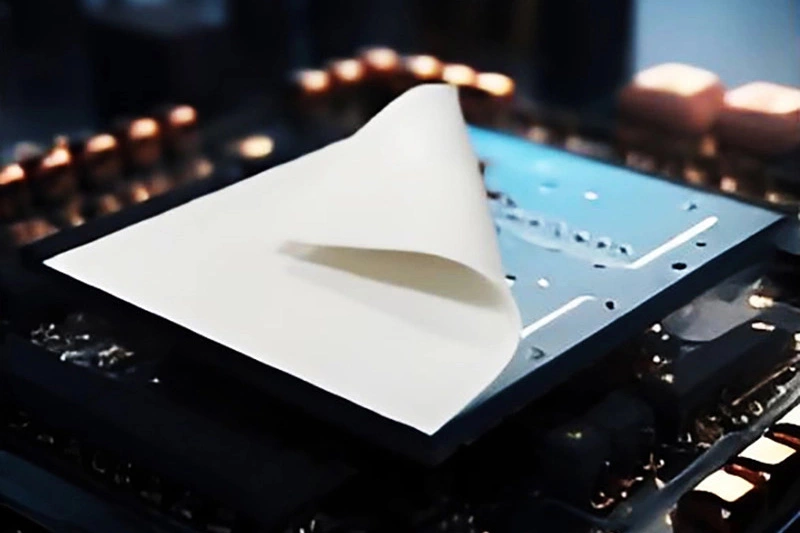
According to data from the Yole Group, global power semiconductor revenue exceeded $40 billion in 2023. As one IEEE Spectrum contributor put it, "Thermal management has now become a major design constraint." This is absolutely true.
If overheating is eroding your profits, then this article is worth your serious consideration.
The Hidden Science Behind Boron Nitride Thermal Conductivity
Heat is the silent troublemaker in electronics. Chips get hot, power modules sweat, and insulation can’t afford to fail. That’s where boron nitride thermal conductivity stands out. By balancing boron, nitride, thermal flow, and conductivity, this material moves heat fast while keeping current locked down tight.
Why high thermal conductivity and electrical insulation work together
At the core of boron nitride thermal conductivity is a rare balance:
• Heat dissipation depends on efficient phonon transport, not free electrons.
• Strong dielectric strength limits charge flow.
• Reduced electron scattering maintains stable electrical insulation.
• Strong dielectric strength limits charge flow.
• Reduced electron scattering maintains stable electrical insulation.
This means:
• In-plane thermal conductivity travels through lattice vibrations.
• Electrical paths stay blocked due to its wide bandgap.
• Power density rises without short-circuit risk.
That’s why boron nitride heat conductivity works so well in power modules. You get thermal conductivity without sacrificing insulation. Simple idea. Big impact.
Crystallinity, purity, and density behind faster heat transfer
Performance shifts with structure:
• Crystallinity aligns thermal pathways.
• Higher purity lowers phonon scattering.
• Greater density reduces void-driven resistance.
• Greater density reduces void-driven resistance.
Inside hexagonal boron nitride, heat flows along ordered planes. Disruptions like grain boundaries break that rhythm.
As 2025 market analysis from MarketsandMarkets notes: Advanced ceramic substrates with high thermal conductivity and electrical insulation are expected to see accelerated adoption in EV power electronics through 2028. That growth rides on boron nitride thermal conductivity advantages.
Chemical stability and high temperature resistance in harsh operating environments
In rough operating environments, material breakdown kills reliability.
Boron nitride handles:
• High temperature resistance above 900°C (in inert atmospheres)
• Strong oxidation resistance
• Solid corrosion resistance
Under thermal cycling, its resistance to thermal shock reduces material degradation. Aerospace control units, automotive inverters, and chemical processing tools rely on this steady behavior. Thermal conductivity of boron nitride doesn’t fade easily under stress.
From boron nitride sheets to boron nitride powder applications
Boron nitride sheets Applications
• Heat spreading layers
• Electrical insulation films
Boron nitride powder Applications
• Filler for thermal interface materials
• Reinforcement in composites
• Protective coatings and solid lubricants
For heat sinks and packaging, optimizing filler ratios improves boron nitride thermal conductivity while keeping dielectric safety intact.
Manufacturers like Sheen Electronic Technology fine-tune boron nitride heat conductivity for substrate and filler solutions, helping designers push thermal limits without risking insulation failure. In high-power systems, that balance isn’t optional. It’s survival.
Boron Nitride Versus Aluminum Nitride Heat Performance
Thermal control in power electronics is not just lab talk anymore; it’s the daily grind of keeping chips cool and reliable. When engineers compare boron nitride thermal conductivity with other ceramics, the goal is simple—move heat fast, stay electrically safe, and survive harsh use. Let’s break it down in plain terms.
Boron nitride
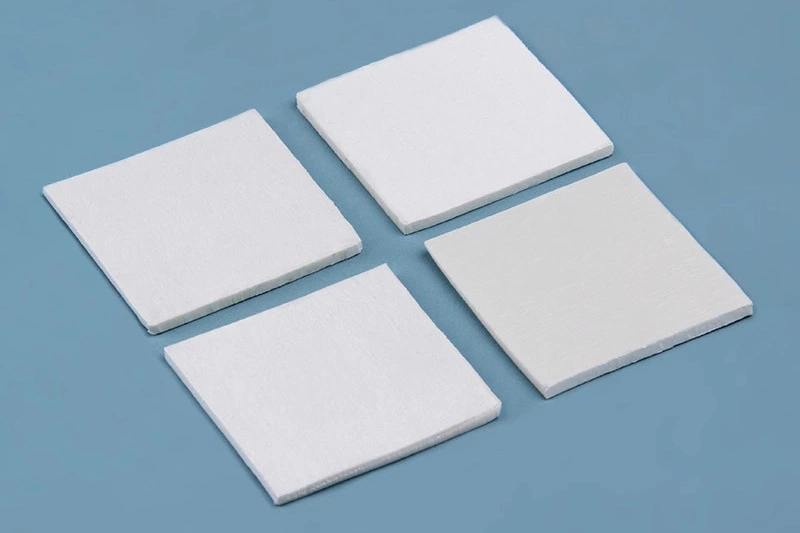
When discussing boron nitride thermal conductivity, performance depends heavily on structure and purity.
Core advantages:
• High thermal conductivity
• Strong electrical insulator behavior
• Reliable high temperature stability
Material forms
• Sheets
• Coatings
• boron nitride nanotubes
Aluminum nitride (AlN)
Aluminum nitride properties center on high heat flow and solid dielectric strength.
Performance logic:
• High thermal conductivity (140–180 W/m·K typical)
• Strong insulation for semiconductor applications
Compared with boron nitride thermal conductivity, AlN can match heat movement but may react faster in corrosive settings. In real-world thermal management, that chemical edge matters. Sheen Electronic Technology often balances aluminum nitride and BN depending on humidity, voltage load, and mounting stress.
Silicon carbide (SiC)
Silicon carbide applications shine in power density environments.
• High thermal conductivity
• Extreme wear resistance
• Strong chemical inertness
• Semiconductive, not a pure electrical insulator
For insulation-heavy builds, SiC’s conductivity works great, but boron nitride heat transfer keeps circuits safer from leakage. That’s the trade-off engineers weigh in power electronics.
Alumina (Al2O3)
Alumina ceramics are everywhere because cost counts.
Strengths:
• Stable electrical insulation
• Good mechanical strength
• Mature industrial applications
With only 20–30 W/m·K, alumina trails far behind boron nitride thermal conductivity. For advanced boards, high purity alumina works, yet boron nitride thermal conductivity clearly supports higher heat flux designs.
Diamond
Diamond thermal conductivity is in a league of its own.
• Up to 2000 W/m·K
• Exceptional optical properties
• Ultra hard material
Still:
• Cost barrier
• Processing limits
• Integration complexity
As a heat spreader, diamond dominates on paper. In practical thermal management solutions, though, engineered BN from Sheen Electronic Technology offers a sweet spot—strong boron nitride thermal conductivity, insulation, and scalable manufacturing without breaking the budget.
Electronics Cooling Powered by Boron Nitride Thermal Conductivity
Modern devices run hot, and nobody likes fried circuits. From power electronics to smartphones, heat is the silent troublemaker. That’s where boron nitride thermal conductivity steps in.
Power electronics cooling with boron nitride dielectric layers
In high-voltage power electronics, heat and insulation must coexist.
Core performance drivers of boron nitride thermal conductivity:
1)Thermal pathway control
• High in-plane boron nitride thermal conductivity for fast heat dissipation
• Stable thermal conductivity under voltage stress
2)Electrical safety
• Reliable dielectric layers
• Strong insulation preventing short circuits
3)System durability
• Reduced hotspot formation
• Extended module lifespan
• Extended module lifespan
For engineers handling thermal management, boron nitride thermal conductivity means steady performance without sacrificing safety. Sheen Electronic Technology fine-tunes boron nitride fillers so dielectric strength and thermal conductivity stay balanced, not at odds.
LED manufacturing gains from high thermal conductivity and chemical stability
In LED manufacturing, heat kills brightness over time.
Why boron nitride thermal conductivity matters:
• Faster heat management
• Improved luminescence retention
• Long-term durability under chemical exposure
Layered boron nitride improves thermal conductivity while resisting oxidation. That combo keeps chips cooler and phosphors stable. The result? LEDs that shine longer without color drift. Sheen Electronic Technology supports LED producers with tailored boron nitride thermal interface options built for compact boards.
Consumer electronics and telecommunications heat sinks using boron nitride forms
Compact consumer electronics and dense telecommunications boards demand smart heat sinks.
Application layers:
• Powder fillers in thermal pads
• Sheets in RF modules
• Coatings for device cooling
Boron nitride thermal conductivity supports slim designs without overheating drama. From routers to wearables, boron nitride keeps devices cool and reliable. And yes, boron nitride thermal conductivity remains the quiet hero behind stable signals and longer gadget life.
Choosing Boron Nitride Materials for Industrial Heat Management
Modern electronics keep pushing heat limits, and engineers keep chasing better boron nitride thermal conductivity. From aerospace boards to EV inverters, picking the right boron nitride material is not just technical—it’s make-or-break for safety, lifespan, and cost control.
h-BN, c-BN, and PBN for different thermal management targets
When targeting stable boron nitride thermal conductivity, material selection starts with structure:
hexagonal boron nitride (h-BN)
• High in-plane thermal conductivity
• Excellent electrical insulation
• Ideal for substrates and heat spreaders
cubic boron nitride (c-BN)
• Extreme hardness
• High temperature resistance
• Better mechanical load handling
pyrolytic boron nitride (PBN)
• Ultra-high purity
• Controlled anisotropic boron nitride heat transfer
• Preferred in semiconductor tools
For high-power modules, c-BN supports mechanical load while maintaining boron nitride thermal conductivity. In contrast, h-BN wins in lightweight heat dissipation plates. Sheen Electronic Technology fine-tunes material selection to align thermal conductivity of boron nitride with device geometry, not just spec sheets.
BNNTs and boron nitride powder for filler content optimization
In polymer systems, boosting boron nitride thermal conductivity depends on filler engineering.
1)Filler Types
• boron nitride nanotubes (BNNTs)
• boron nitride powder
2)Performance Enhancement Path
• Low loading (10–20%) → improved insulation
• Medium loading (30–40%) → balanced mechanical strength
• High loading (50%+) → peak boron nitride thermal conductivity
Composite materials used in thermal interface materials rely on particle geometry. BNNTs create conductive bridges; powders fill gaps. The trick? Avoid overloading that weakens structure.
Hot pressing, sintering, and CVD for performance-critical parts
Manufacturing processes directly shape boron nitride thermal conductivity and density.
• hot pressing improves densification
• sintering balances cost and performance
• chemical vapor deposition (CVD) maximizes crystallinity
Higher crystallinity means stronger boron nitride thermal conductivity. For aerospace-grade components, material fabrication control is everything.
Mechanical strength and high temperature resistance in aerospace electronics
Aerospace demands two things: stable boron nitride thermal conductivity and survival under stress.
1)Mechanical Strength
• Vibration tolerance
• Structural rigidity
• Crack resistance
2)High Temperature Resistance
• Sustained 800°C+ exposure
• Oxidation resistance
• Thermal cycling durability
3)Reliability in Aerospace Applications
• Long mission lifespan
• Stable electronic components
• Predictable thermal management
c-BN handles structural shock. PBN maintains purity in satellite electronics. Boron nitride thermal conductivity remains consistent even when metals would warp. That reliability is why aerospace designers keep coming back to advanced boron nitride materials.
Selecting boron nitride materials for automotive electronics and heat sinks
Automotive systems are harsh—rapid heating, vibration, tight budgets.
Material choice usually flows like this:
1)Application Requirements
• Inverter modules
• Onboard chargers
• LED heat sinks
2)Material Properties Check
• Required boron nitride thermal conductivity
• Dielectric strength
• Mechanical stability
3)Performance Criteria vs Cost-Effectiveness
• Powder-filled composites for large heat sinks
• Dense sintered plates for compact modules
For EV platforms, thermal conductivity of boron nitride keeps battery control units cool while maintaining insulation. That’s critical.
Sheen Electronic Technology supports automotive clients with tailored thermal management solutions, aligning boron nitride thermal conductivity targets with real-world manufacturing constraints.
FAQs about Boron Nitride Thermal Conductivity
Why is boron nitride thermal conductivity critical for power electronics?
• High thermal conductivity moves heat away from junctions.
• Electrical insulation protects circuits from shorting.
• Chemical stability & high temperature resistance keep performance steady in automotive electronics and aerospace electronics.
Used as electronic substrates, heat sinks, and packaging materials, hexagonal boron nitride (h-BN) and pyrolytic boron nitride (PBN) help devices run cooler—and last longer.
How do crystallinity, purity, and density affect heat transfer?
• High crystallinity → fewer phonon barriers.
• Greater purity → less scattering from impurities.
• Higher density (via hot pressing or sintering) → tighter heat pathways.
• Controlled grain size & layer thickness → smoother thermal flow.
In the semiconductor industry, small structural changes can shift thermal management results dramatically.
Which boron nitride forms offer the best thermal performance?
Different structures answer different engineering pressures.
| Form | Key Strength | Typical Use |
| Hexagonal boron nitride (h-BN) | High thermal conductivity + electrical insulation | Electronic substrates, dielectric layers |
| Pyrolytic boron nitride (PBN) | Ultra-high purity (via CVD) | Semiconductor industry components |
| Cubic boron nitride (c-BN) | Mechanical strength | High-stress aerospace electronics |
| Boron nitride nanotubes (BNNTs) | Lightweight + heat conduction | Advanced composites |
| Boron nitride sheets / powder | Adjustable filler content | Polymer packaging materials |
Selection depends on thermal targets and structural demands.
How does boron nitride compare with AlN, SiC, and other ceramics?
• Vs AlN: better chemical stability in corrosive settings.
• Vs SiC: superior electrical insulation for high-voltage power electronics.
• Vs Al₂O₃: significantly higher thermal conductivity.
• Vs Diamond: lower peak conductivity, but easier processing and insulation advantage.
For telecommunications and consumer electronics, balance often matters more than extremes.
Why combine high thermal conductivity with a low dielectric constant?
In telecommunications and high-speed consumer electronics, heat and signal integrity collide.
Boron nitride offers:
• High thermal conductivity → steady temperature control.
• Low dielectric constant → reduced signal loss.
• Electrical insulation → safer circuit spacing.
Sheen Thermal
Dongguan Sheen Electronic Technology Co., Ltd · Founded in 2008
Manufacturer of thermal interface materials and silicone foam for automotive electronics, energy storage, power electronics, communications and consumer electronics.
Certified
- ISO 9001:2015
- ISO 14001:2015
- IATF 16949:2016
What we supply
- Thermal conductivity Up to 90 W/m·K
- Thickness 0.3–10.0 mm
- Custom & samples Die-cut to drawing, 3–7 days