
 English
 usheenthermal

High-Temperature Resistant Graphene Gasket vs. Traditional Seals
Date:2026-06-22
High-Temperature Resistant Graphene Gasket vs. Traditional Seals
High-temperature resistant graphene gasket steps in where rubber seals start sweating, cracking, and calling it quits under heat, pressure, and nonstop use in real-world systems.
Downtime costs money, replacements pile up, nobody likes failing parts, so smarter materials that last longer and handle extremes make business sense.
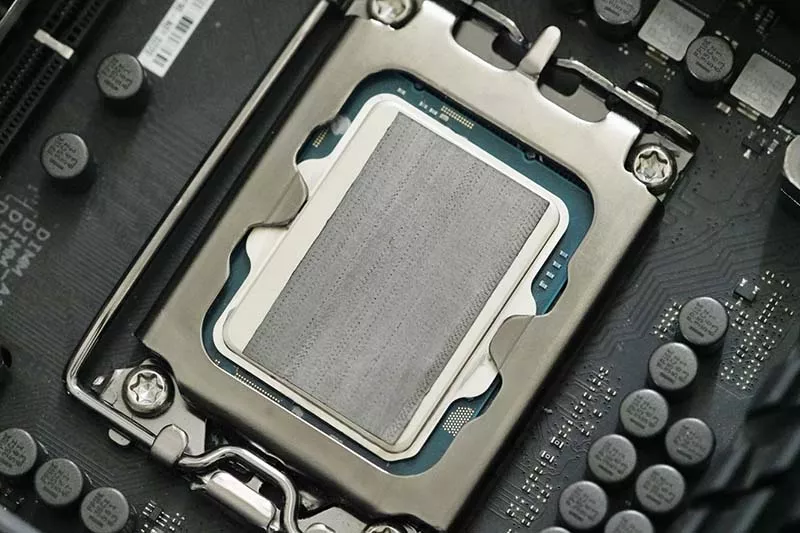
Quick Insights & Key Notes on High-temperature Resistant Graphene Gasket
→ Thermal Conductivity: Exceptional heat transfer via graphene flakes ensures efficient dissipation in power modules and ICs.
→ Chemical Inertness: Graphene and graphite powders resist corrosion, solvents, and oxidation for long-term sealing reliability.
→ Mechanical Strength: Compression-molded gaskets maintain integrity under extreme pressure in automotive and semiconductor systems.
→ Thermal Stability: Stable performance above 400 °C outperforms elastomers during repeated thermal cycling.
4 Benefits Of High-Temperature Resistant Graphene Gasket
High temperature resistant graphene gasket solutions are showing up everywhere—from power modules to automotive battery packs. By breaking down the term into high temperature, resistant, graphene, and gasket, we see what really matters: heat endurance, material strength, and sealing reliability. Below is a practical look at why this graphene gasket design is changing expectations.
Enhanced Thermal Conductivity for Efficient Heat Transfer
A High-temperature resistant graphene gasket works because of its layered carbon network and superior thermal conductivity. Heat doesn’t get trapped. It moves.
Material foundation
· Graphene flakes
· Reduced graphene oxide
· Stable polymer matrix
Functional mechanism
· Fast heat transfer across contact surfaces
· Lower interface resistance
· Improved heat dissipation in compact devices
Application impact
· Power IC packaging
· LED modules
· Heat sink assemblies
At the engineering level:
· Core property: material properties tuned for thermal management
· Result: higher device efficiency
· Benefit: longer component lifespan
A graphene sealing gasket doesn’t just block leaks—it manages heat flow like a thermal bridge under pressure.
Superior Chemical Inertness Extends Service Life
In harsh environments, a graphene gasket stands firm. Its chemical inertness and corrosion resistance reduce breakdown from oils, solvents, and reactive gases.
• Resists oxidation
• Limits surface degradation
• Maintains gasket durability
In aerospace housings and chemical enclosures, this means extended service life and stable chemical stability even in reactive environments.
Recent industry reporting supports this shift:
“Advanced carbon-based sealing materials are gaining adoption in high-reliability electronics due to extended lifecycle performance in corrosive settings.” — 2025 Materials Market Outlook, IDTechEx
That’s why Sheen Technology integrates high temperature resistant graphene gasket materials into sealed systems where downtime is simply not an option.
Outstanding Mechanical Strength Under Extreme Pressure
Under load, structure matters. A High-temperature resistant graphene gasket delivers measurable mechanical strength and compression resistance.
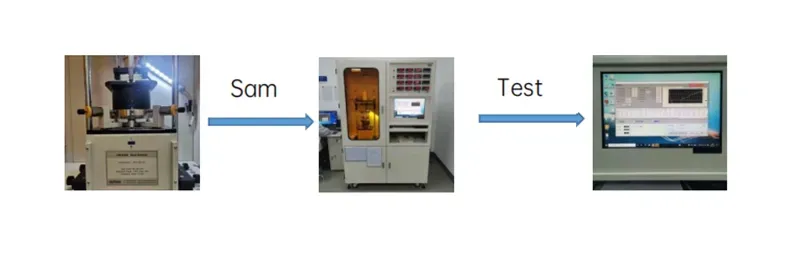
Sheen Technology Laboratory GSF75-03 Graphene Thermal Resistance Test Record:
1. Tested using the LW-9389 Thermal Conductivity Tester; reference standard: ASTM D5470.
2. Sample preparation: A 25.4mm x 25.4mm x 0.3mm sample is placed flat on the test platform.
3. Test method:
· Launch the software and select the calibration function; set parameters to 40 psi pressure and 80°C temperature, perform thickness zeroing, and set the duration to 15 minutes.
· Select the thermal resistance test mode for thermal pads; set the temperature to 80°C, initial pressure to 10 psi, pressure increment to 10 psi, and final pressure to 40 psi.
· Start the test and automatically obtain the results.
| Test Project | Test data | Pressure (psi) | |||
| Sample | 10 psi | 20 psi | 30 psi | 40psi | |
| Thermal resistance at 10–40 psi (°C·in²/W) @0.3 mm |
1 | 0.016 | 0.016 | 0.015 | 0.015 |
| 2 | 0.017 | 0.016 | 0.015 | 0.015 | |
| 3 | 0.016 | 0.016 | 0.015 | 0.015 | |
| average value | 0.016 | 0.016 | 0.015 | 0.015 | |
| Thermal resistance at 10–40 psi (°C·cm²/W) @0.3 mm |
1 | 0.106 | 0.100 | 0.095 | 0.094 |
| 2 | 0.108 | 0.101 | 0.095 | 0.096 | |
| 3 | 0.105 | 0.100 | 0.096 | 0.095 | |
| average value | 0.106 | 0.100 | 0.095 | 0.095 | |
Nested performance factors:
Base Layer
· Reinforced graphene sheets
· Optimized binder ratio
Load Response
· High tensile strength
· Stable under extreme pressure
Operational Outcome
· Maintained structural integrity
· Reliable gasket performance
· Strong load bearing capability
Sheen Technology applies precision compression molding so the high temperature resistant gasket keeps sealing tight even in semiconductor packaging systems.
Exceptional Thermal Stability at Elevated Temperatures
Here’s how a High-temperature resistant graphene gasket handles serious heat:
Step 1: Material preparation
· Graphene layers are treated for oxidation control.
Step 2: Structural bonding
· Cross-linked matrices limit thermal degradation.
Step 3: Heat exposure
· Performance remains steady above 400 °C, sustaining material integrity.
Step 4: Operational validation
· Repeated cycling confirms wide operational limits under elevated temperatures.
The payoff? Consistent thermal stability and reliable heat resistance where elastomers would soften or crack.
Can Graphene Gaskets Withstand 400 °C?
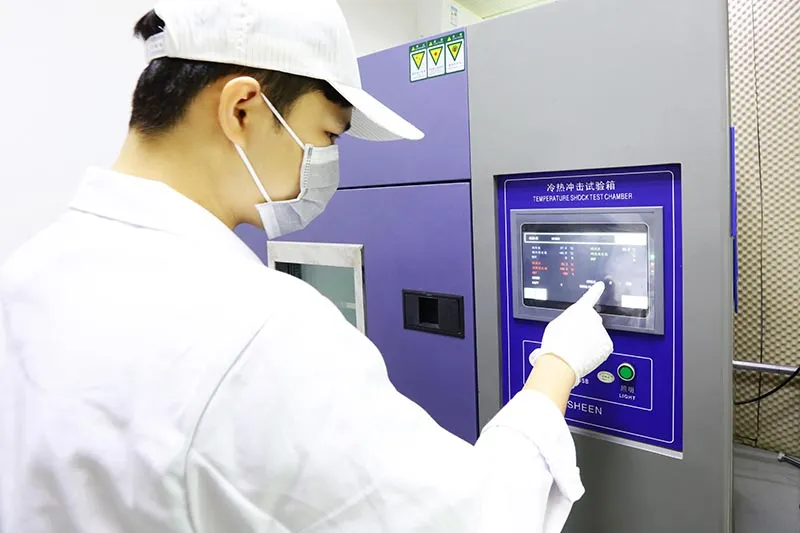
High heat can wreck ordinary seals fast. A High-temperature resistant graphene gasket is built for that fight. By combining graphene, smart binders, and tight structure control, this graphene gasket handles 400 °C without falling apart.
Thermal Cycling and Conductivity Measurement at 400 °C
When a High-temperature resistant graphene gasket faces repeated thermal cycling at 400 °C, lab checks focus on three things:
· stability of thermal conductivity
· accuracy of temperature measurement
· visible change under SEM
Role of Graphene Flakes and Polymer Binders in Heat Resistance
A High-temperature resistant graphene gasket relies on smart material composition:
· Graphene flakes form fast thermal pathways.
· High-grade polymer binders lock the network in place.
· In some builds, partial sintering boosts thermal stability.
Inside the composite structure:
Thermal network
· Flake overlap density
· Contact resistance control
Mechanical framework
· Binder crosslink strength
· Oxidation resistance at high temperature
The result? A graphene-based gasket material that keeps its shape, resists cracking, and handles long heat exposure without softening like standard gasket materials.
Evaluating Thermal Stability Against Conventional Elastomers
Compared with conventional elastomers, the difference is night and day.
Rubber seals under high temperature:
· harden
· lose sealing performance
· show rapid degradation
A High-temperature resistant graphene gasket, by contrast, maintains:
· consistent thermal stability
· tight surface conformity
· steady conductivity
In real gasket evaluation tests for industrial heaters and power modules, Sheen Technology has shown that its high temp graphene seal survives where silicone and EPDM fail. For engineers who are tired of swapping burnt elastomers, this graphene sealing solution simply lasts longer and runs cooler.
High-Temperature Resistant Graphene Gasket Vs. Rubber Seals
High heat can wreck ordinary seals fast. In electronics and power systems, picking the right material isn’t fancy talk—it’s survival. Here’s how the High-temperature resistant graphene gasket stacks up against rubber options in real-world use.
Graphene Gaskets
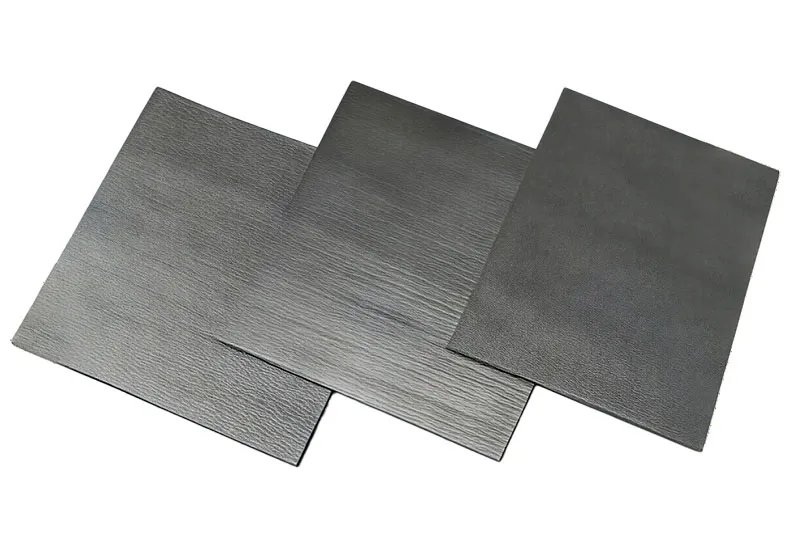
The High-temperature resistant graphene gasket is built from layered carbon material with a 2D structure, giving it serious thermal stability and mechanical strength.
· High heat tolerance
· Strong chemical resistance
· Stable sealing performance
In practical deployment of a High-temperature resistant graphene gasket, performance unfolds like this:
Material foundation
· Exfoliated graphene sheets
· Compression molding for density control
Functional advantages
· Rapid heat dissipation due to high temperature conductivity
· EMI shielding in high-frequency devices
Application impact
· Power modules
· EV battery packs
· Industrial inverters
A graphene sealing gasket doesn’t soften easily. It resists corrosive fluids. It keeps tight contact even after thermal cycling.
Manufacturers such as Sheen Technology refine the High-temperature resistant graphene gasket to balance thickness, compression ratio, and long-term reliability. The result? A high temperature gasket that just keeps working.
Rubber Seals
Rubber seals rely on elastomer chemistry. That means natural flexibility, decent chemical compatibility, and low upfront cost.
But limits show up quickly:
· Restricted temperature limits
· Noticeable compression set
· Weak aging resistance
Performance path under stress:
· Heat exposure:Softening,Loss of elasticity.
· Chemical contact:Swelling,Surface cracking.
· Long cycles:Permanent deformation,Leakage risk.
Traditional material choices still fit low-heat environments. Yet in high-frequency electronics, a High-temperature resistant graphene gasket outperforms rubber by holding shape, resisting breakdown, and maintaining seal integrity.
For demanding systems, Sheen Technology often recommends shifting from conventional rubber to a High-temperature resistant graphene gasket—especially when downtime simply isn’t an option.
Sheen Thermal
Dongguan Sheen Electronic Technology Co., Ltd · Founded in 2008
Manufacturer of thermal interface materials and silicone foam for automotive electronics, energy storage, power electronics, communications and consumer electronics.
Certified
- ISO 9001:2015
- ISO 14001:2015
- IATF 16949:2016
What we supply
- Thermal conductivity Up to 90 W/m·K
- Thickness 0.3–10.0 mm
- Custom & samples Die-cut to drawing, 3–7 days