
 English
 usheenthermal

How to Pick the Best Thermal Interface Material: Pad, Paste, or Putty?
Date:2026-09-23
Thermal Interface Material Types: Gap Filler vs Pad vs Paste vs Putty boils down to one headache: moving heat reliably without wrecking production.
Paste fits tight joints; pads tame controlled gaps; putty and gap fillers handle uneven spaces. Conductivity alone won’t pick the winner—thermal impedance, compression, insulation, and application consistency count.
Sheen Technology’s engineers specify TIM choices around gap dimensions and assembly needs, guiding volume buyers toward practical material formats.
Key Insights: Thermal Interface Material Types: Gap Filler vs Pad vs Paste vs Putty
➔ Match Format to Gap: Use paste for minimal bond lines, pads for controlled tolerances, putty/gap fillers for irregular or large variations.
➔ Balance Performance Metrics: Evaluate thermal conductivity alongside bond-line impedance, compression deflection, and insulation needs for real-world efficiency.
➔ Ensure Process & Compliance: Verify dispensing methods, cure time, shelf life, UL94 V-0, RoHS/REACH, and outgassing data before volume procurement.
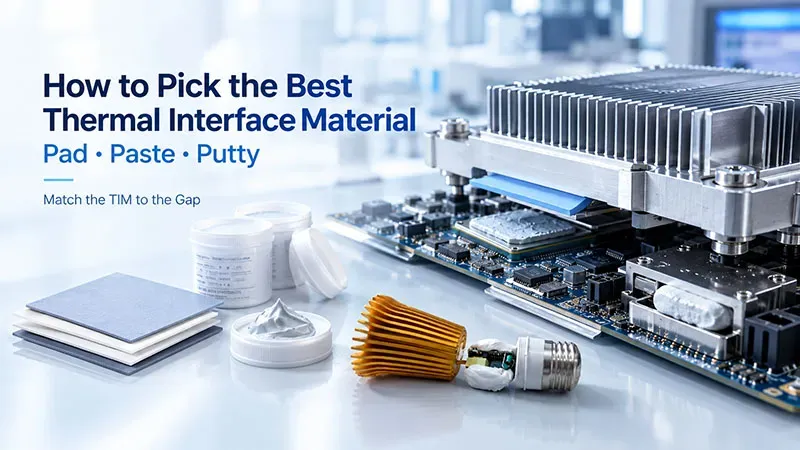
Types Of Thermal Interface Materials
Choosing among interface materials gets easier once gap size, mounting pressure, and service needs are clear. This guide to Thermal Interface Material Types shows where each option fits, without making thermal management overly complicated.
Thermal Pad: Ceramic-Filled Silicone Base Benefits

A thermal pad uses a ceramic-filled silicone base for steady gap filling.
- Good compressibility handles tolerance changes without much fuss.
- Electrical insulation makes pads practical around sensitive GPU and ECU hardware while retaining useful thermal conductivity.
Thermal Paste: Metal Particle-High Conductivity Formulation
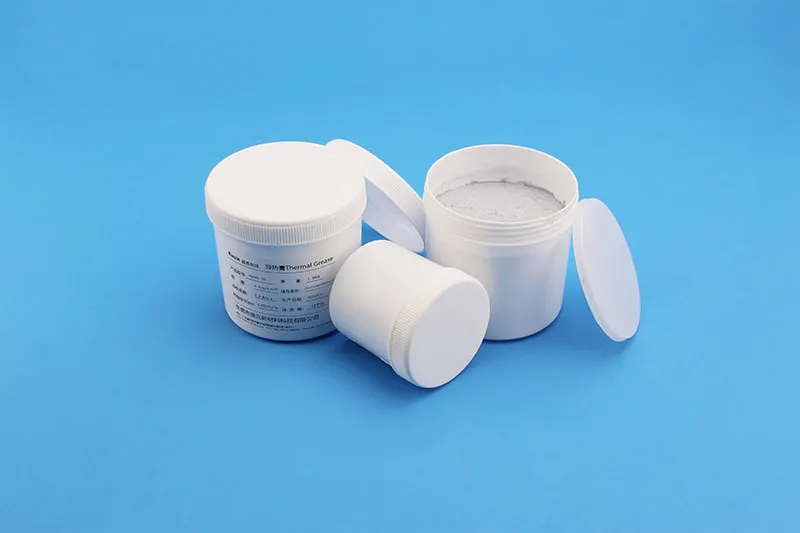
A thermal paste, often called thermal grease, uses metal particle loading for high conductivity. Its thin layer supports microsurface filling between a processor and a CPU cooler, cutting interface resistance when surfaces fit closely.
Thermal Putty: Carbon Fiber-Enhanced Viscosity Solution
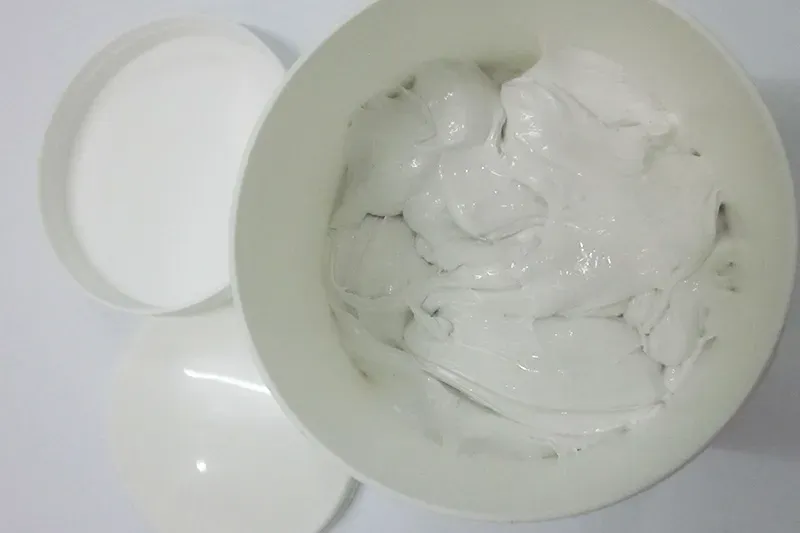
Thermal putty brings flexible viscosity to uneven GPU parts.
- Carbon fiber supports heat dissipation.
- Soft conformability handles changing gaps.
- Easy dispensing and reworkability can simplify repair.
Sheen Technology solutions can support Thermal Interface Material Types selection across varied cooling designs.
Phase Change Material: Acrylic Resin Softening Dynamics
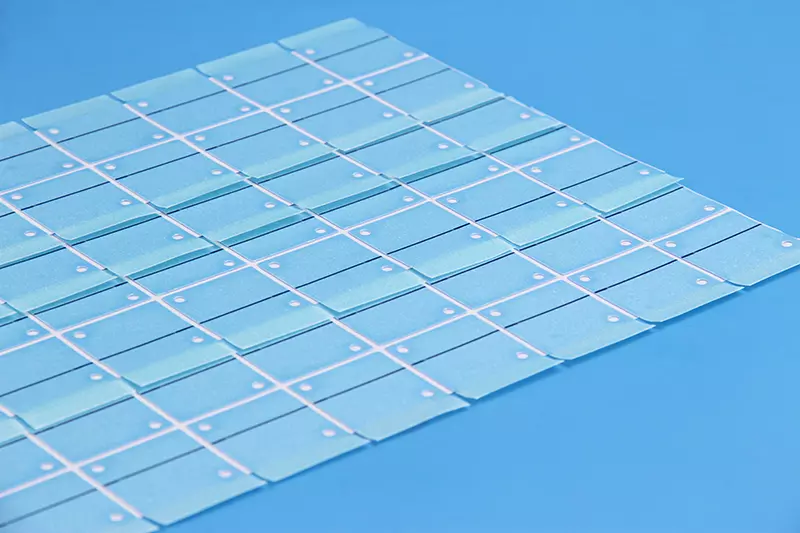
Phase change material built with acrylic resin reaches its softening point during operation, improving interface wetting and lowering resistance. The controlled thermal transition also aids pump-out prevention, so contact stays consistent through heating cycles.
Gap Filler: Low Thermal Impedance, High Compression Deflection
A gap filler addresses broad tolerance stack-up.
- High compression deflection follows uneven spacing.
- Low thermal impedance helps move heat toward a sink or chassis.
For production, liquid dispensing suits complex shapes.
- Controlled stress relaxation limits pressure on parts and supports practical thermal management.
3 Key Factors In TIM Type Selection
Picking among Thermal Interface Material Types comes down to more than a conductivity number. The right choice has to fit the gap, manufacturing process, and expected service life. In practice, good thermal performance means moving heat efficiently without creating production or reliability headaches.
Balancing Thermal Conductivity and Thermal Impedance
The spec sheet matters, but thermal conductivity tells only part of the story. Real heat transfer depends on the complete interface.
Thermal path
- A thin material thickness generally lowers thermal impedance.
- Poor surface contact raises interface resistance, even with highly conductive material.
Mechanical fit
- Softer TIMs conform to uneven surfaces.
- Proper compression reduces air pockets without placing too much force on components.
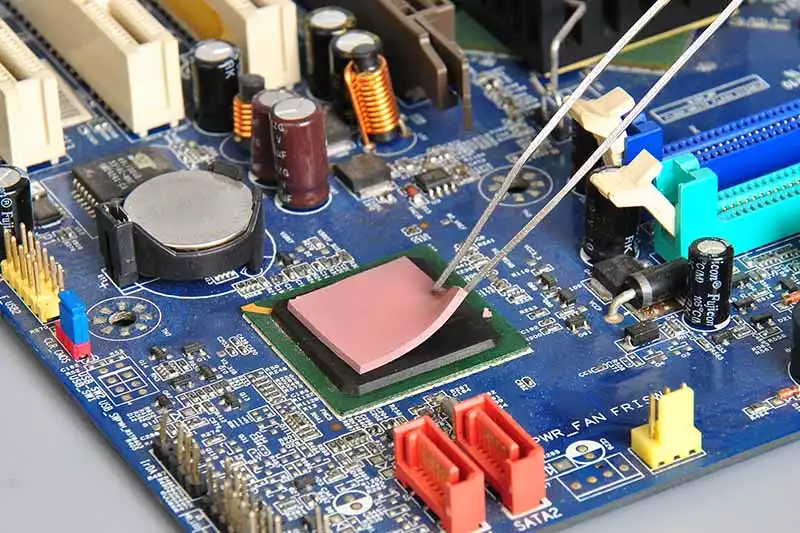
For Thermal Interface Material Types, compare the finished bond line rather than chasing the biggest W/m·K figure.
Matching TIM Format to Application Scenarios
Each application scenario has its sweet spot. CPUs and GPUs commonly favor thermal paste for thin joints, while a thermal pad provides repeatable thickness when gaps need tighter control.
- Small, smooth gap: paste handles minor surface roughness well.
- Known gap: pads simplify assembly and accommodate predictable component height.
- Uneven geometry: thermal putty or liquid gap filler supports flexible gap filling.
That practical split makes Thermal Interface Material Types easier to compare for ECUs, LEDs, and power electronics. Sheen Technology offers TIM choices suited to these different assembly needs.
Processing Parameters and Reliability Standards Impact
A TIM also has to survive production and years of use.
Production fit
- Check processing parameters such as dispensing rate, cure time, thickness tolerance, and shelf life.
- Confirm compatibility with automated or manual assembly.
Service life
- Evaluate thermal aging and the pump-out effect under repeated heating cycles.
- Account for mechanical stress and verify long-term stability.
Compliance
- Match applicable reliability standards, including UL94 V-0 needs, RoHS, REACH, and relevant outgassing limits.
Paste Vs Pad Vs Putty: Quick Feature Comparison
Choosing among Thermal Interface Material Types comes down to gap size, assembly pressure, heat flow, and service needs. Paste favors ultra-thin interfaces, pads make production easy, while putty takes uneven gaps in stride. Sheen Technology helps match these thermal interface material types to CPU, GPU, and electronics designs without making material selection a headache.
| Criterion | Paste | Pad | Putty / gap filler |
| Gap it suits | Very small; fills surface texture only | Known and uniform, including moderate variation | Uneven, varying, or awkward geometry |
| Achievable bond line | Thinnest of the three | Set by pad thickness; cannot go below the gap | Thin to moderate, set by dispense volume and clamp |
| Clamp pressure needed | Positive pressure; low-viscosity paste needs controlled dispensing | Low to moderate; works under non-uniform pressure | Low; compliant material needs little force |
| Electrical behaviour | Metal-filled pastes can conduct — verify; ceramic-filled are insulating | Filled elastomer is insulating — often why it is chosen | Ceramic-filled putties are insulating — verify by datasheet |
| Re-workability | Poor; the joint is closed once assembled | Good; pad can be replaced | Good; material can be removed and re-applied |
| Pump-out risk | Highest — a flowable material under cyclic shear | None; the pad is solid | Low, but still flowable — test under cycling |
| Dispensing format | Syringe, cartridge or stencil | Roll stock, die-cut, custom shapes | Cartridge or bulk pail for automated dispensing |
Paste
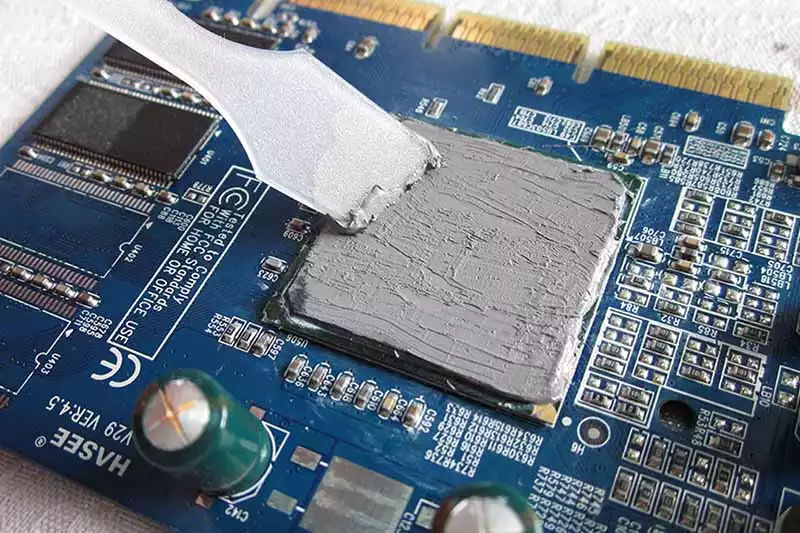
For tight CPU or GPU contact:
- Paste delivers low bond line thickness, helping reduce thermal resistance when surface roughness is modest.
- High thermal conductivity can support high performance at a close-fitting cpu gpu interface.
- Controlled dispensing improves coverage and consistency.
- Thermal cycling can cause the pump-out effect, so long-term testing matters.
Application still matters. Among Thermal Interface Material Types: Gap Filler vs Pad vs Paste vs Putty, paste is the go-to choice when the gap is tiny and every bit of heat transfer counts.
Pad
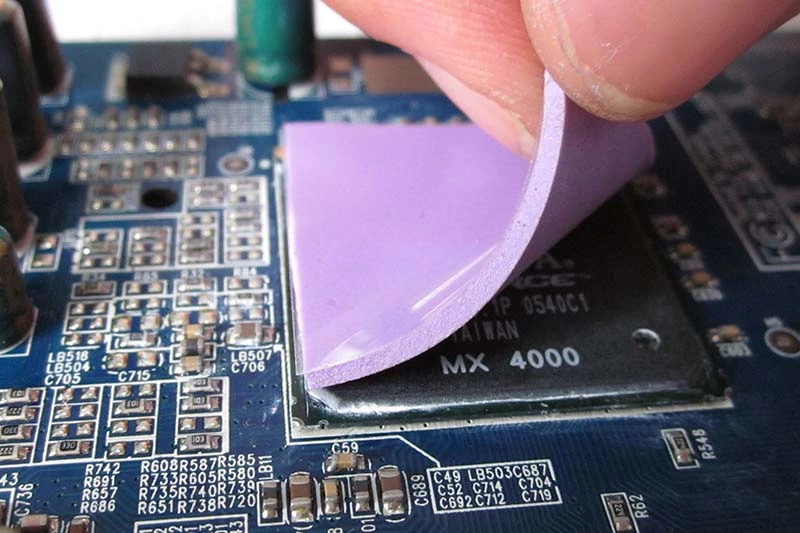
Pads keep assembly simple: peel, place, compress, done.
- Pre-formed material provides controlled thickness and easy handling.
- Compression supports reliable gap filling across parts with varying tolerance.
- Built-in electrical insulation can protect nearby circuits, while suitable hardness adds mechanical support.
Sheen Technology can supply roll stock, die-cut parts, and custom shapes for repeatable production.
Putty
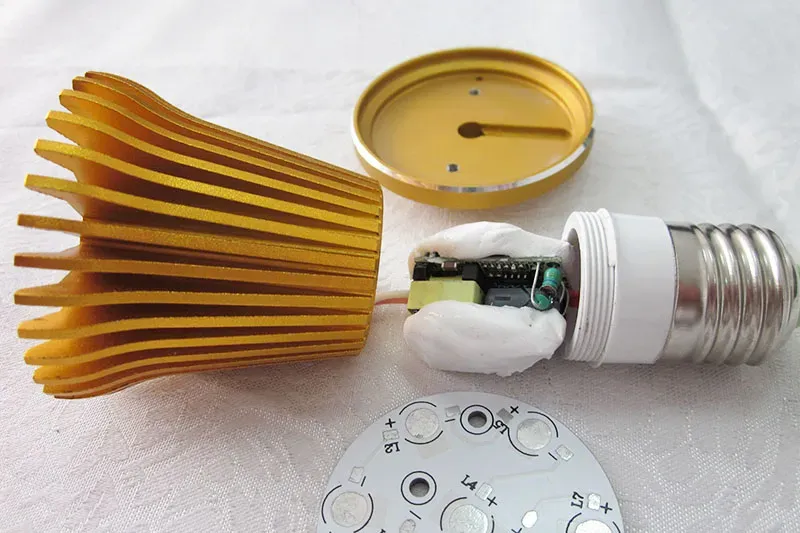
For irregular GPU layouts:
- Putty offers strong conformability where component heights vary.
- Its compliance promotes stress relief without requiring several pad thicknesses.
- Dispensable application suits complex shapes.
- Good high gap stability helps maintain contact.
- No dry out properties and practical reworkability can simplify servicing.
For production and repair:
- In a gap filler vs pad vs paste vs putty comparison, putty sits neatly between flowing paste and fixed pads. It’s a handy fit for tricky gaps.
Struggling With Overheating? Choose The Right TIM
Choosing among Thermal Interface Material Types comes down to fit, heat, insulation, and assembly. This quick guide keeps Thermal Interface Material Types practical, so overheating choices feel less tricky.
Identify Your Application: CPU Heat Sink or GPU Module
For a CPU and heat sink:
- Thin thermal paste supports efficient thermal dissipation when surfaces sit close together.
For a GPU module:
- Pads or putty can reach the processor, memory, and uneven parts.
Sheen Technology can match Thermal Interface Material Types to real assembly needs.
Assess Gap Size: Thickness Tolerance and Compression Deflection
Check the gap size:
- Record nominal and worst-case interface thickness.
Check material movement:
- A thermal pad needs suitable compression deflection and deflection rate.
- Allow for thickness tolerance without crushing delicate hardware.
That keeps contact snug, not overdone.
Select Chemical Composition for Dielectric Strength Needs
Define the required dielectric strength and electrical insulation.
- A silicone base with ceramic filler is a common fit.
Balance chemical composition against thermal conductivity.
- Metal, carbon, or phase change material options suit different jobs.
So, Thermal Interface Material Types involve more than heat transfer alone.
Verify Supply Chain: Cartridge, Bulk Pail, or Custom Contour Options
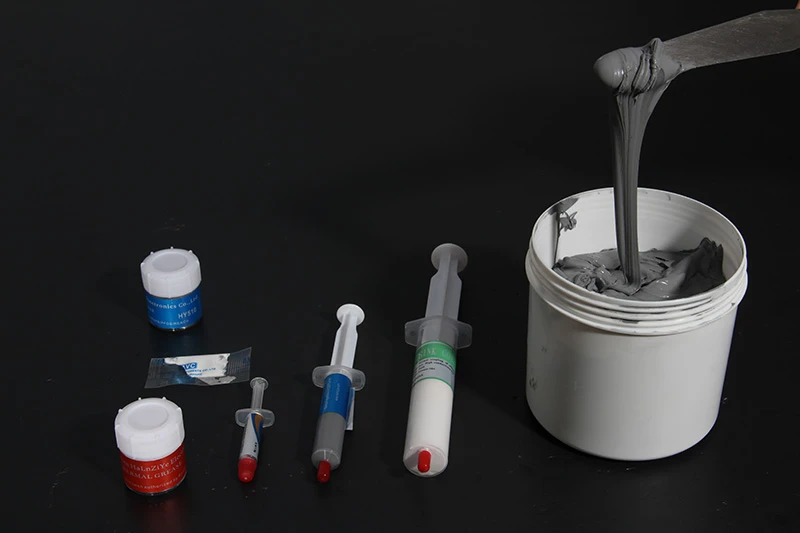
Low-to-medium volume:
- A cartridge makes dispensing thermal paste or thermal putty straightforward.
Automated production:
- A bulk pail can reduce handling.
Repeatable assembly:
- Custom contour formats simplify placement and packaging.
Sheen Technology supports these supply formats for cleaner production planning.
Server Racks Need Gap Filler? Here’s Why
Server racks pack serious computing power into tight spaces, so tiny air gaps can turn into a big heat problem. Comparing Thermal Interface Material Types: Gap Filler vs Pad vs Paste vs Putty helps engineers match each interface to its job, while keeping assembly, safety, and service life practical.
Eliminate Uneven Surfaces in Power Electronics Modules
A power module rarely meets cooling hardware perfectly.
Irregular interfaces
- A gap filler putty follows surface roughness and height changes.
- It pushes out insulating air, cutting contact resistance.
Thermal performance
- Good thermal conductivity supports steady heat dissipation through the chassis or heat spreader.
- When comparing Thermal Interface Material Types: Gap Filler vs Pad vs Paste vs Putty, a conformable thermal interface material is handy for wider gaps.
Ensure UL94 V-0 Flammability and ROHS Compliance
Safety specs matter just as much as cooling.
Fire requirements
- Check the UL94 V-0 standard and documented flammability rating for suitable fire resistance.
Material controls
- Confirm RoHS compliance, REACH status, and limits on hazardous substances.
- Review thermal-aging and outgassing data against each regulatory requirement and environmental safety target.
Thermal Interface Material Types should be compared using verified supplier documentation, not guesswork.
Optimize Shelf Life and Cure Time for Large-Scale Deployments
Production adds another layer to the choice.
- Storage:Longer shelf life and good storage stability reduce wasted inventory.
- Application:Match viscosity to cartridge or pail dispensing; thermal paste behaves differently from cured fillers, and a material that sets in storage will not dispense as specified.
- Throughput:Balance cure time with the manufacturing process to improve deployment efficiency.
That makes Thermal Interface Material Types: Gap Filler vs Pad vs Paste vs Putty a practical production decision, not just a thermal one.
【Request a Custom Quote】Sheen Technology supplies thermal pads, thermal paste, thermal putty and gap-filler materials, with thermal impedance characterised to ASTM D5470 and hardness to ASTM D2240. To convert an application into a specification, send the measured gap and its worst-case tolerance, the available clamp pressure, the isolation voltage the joint must withstand, and the assembly format (manual or automated); the engineering team can recommend a format and grade for evaluation.
Sheen Thermal
Dongguan Sheen Electronic Technology Co., Ltd · Founded in 2008
Manufacturer of thermal interface materials and silicone foam for automotive electronics, energy storage, power electronics, communications and consumer electronics.
Certified
- ISO 9001:2015
- ISO 14001:2015
- IATF 16949:2016
What we supply
- Thermal conductivity Up to 90 W/m·K
- Thickness 0.3–10.0 mm
- Custom & samples Die-cut to drawing, 3–7 days
LAST:Nothing