
 English
 usheenthermal

The Rise of Nano Graphene Thermal Conductive Material in Electronics
Date:2026-06-24
The Rise of Nano Graphene Thermal Conductive Material in Electronics
Nano graphene thermal conductive material is stepping in as electronics overheat, outclassing copper pastes and silicone that crack, dry, and choke performance in tight, high-power devices.
Buyers want fewer failures, longer life, and simple integration, not lab hype, and this shift is already landing across real production lines.
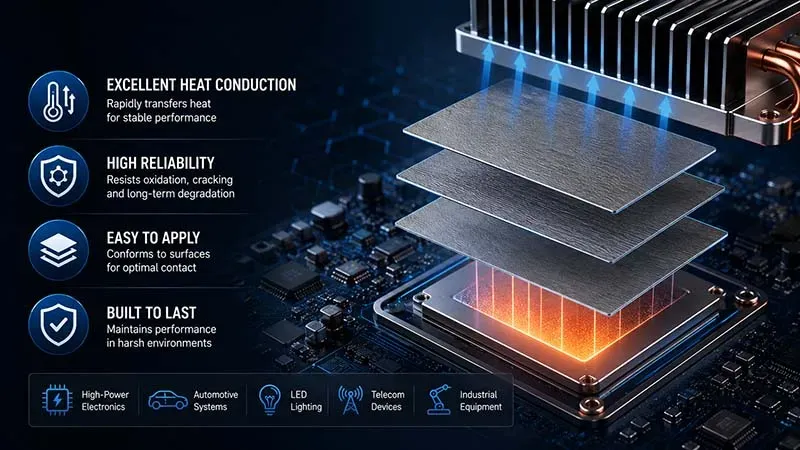
Lyrical Keynotes on Nano Graphene Thermal Conductive Material
➔ Exceptional Heat Management: Leverages graphene nanoplatelets and few-layer graphene for superior in-plane thermal conductivity, reducing hotspots in high-power electronics.
➔ Mechanical Resilience: Flexible, ultra-thin films and pads maintain adhesion and performance under vibration, bending, and thermal cycling.
➔ Seamless Integration: Printable composites and CVD-grown films enable simple deposition on chips, heat sinks, and LED modules without complex tooling.
➔ Long-Term Reliability: Outperforms copper pastes and silicone TIMs by resisting oxidation, cracking, and performance degradation over extended cycles.
Why Nano Graphene Thermal Conductive Material Matters
Nano graphene thermal conductive material is changing how we handle heat in tight, high-power electronics. By combining nano, graphene, and advanced thermal conductive material engineering, it creates fast lanes for heat flow without adding bulk. From phones to power modules, nano graphene thermal conductive material keeps devices cooler, thinner, and more reliable.
Revolutionizing Heat Dissipation in Electronics with Graphene Nanoplatelets
When graphene nanoplatelets enter electronics, heat stops bottlenecking at the chip.
Core Function in Thermal Management
· Heat capture at the source:Direct contact with hotspots in CPUs and GPUs,Rapid in-plane spreading through aligned graphene.
· Heat transfer pathway optimization:Reduced interface resistance,Stable cooling under cyclic loads.
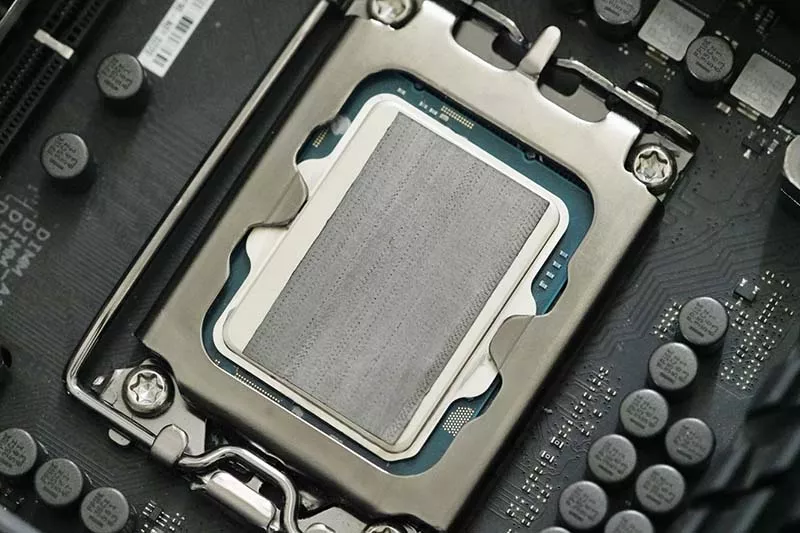
Device-Level Impact
· Smartphones:Lower surface temperature,Sustained peak performance.
· Power electronics:Improved reliability,Extended service life.
Material Advantage
· Ultra-thin profile
· Lightweight structure
· High heat dissipation efficiency
In practical builds, nano graphene thermal conductive material acts like a heat highway. It channels thermal energy away from sensitive devices before throttling kicks in. That’s why manufacturers looking for serious thermal management upgrades often turn to solutions engineered by Sheen Technology, where material purity and platelet alignment are tightly controlled.
Anisotropic Thermal Conductivity: How Few-Layer Graphene Outperforms
Few-layer graphene is known for strong anisotropic behavior. Heat moves extremely fast along the plane, yet cross-plane thermal conductivity stays controlled. That directional performance makes nano graphene thermal conductive material ideal for heat spreaders and advanced materials stacks.
Key traits at a glance:
· High in-plane heat transfer rate
· Low thickness with multiple atomic layers
· Stable output under power cycling
Sheen Technology Graphene Thermal pad performance properties:
| Properties | Unit | GSF90-03 Graphene Thermal Pad | GSF75-03 Graphene Thermal Pad | Test Method |
| Color | - | Black | Black | Visual |
| Thermal Conductivity | W/m·K | 90 | 75 | ASTM E1461 |
| Thermal Resistance (@40psi) | ℃*cm2/W | ≤0.1 | ≤0.12 | ASTM D5470 |
| Thickness | mm | 0.3~2.0 | 0.3~2.0 | ASTM D374 |
| Density | g/cm³ | 0.3~0.7 | 0.3~0.7 | ASTM D792 |
| Rebound Rate | % | ≥90 | ≥90 | ASTM D575 |
| Tensile Strength | Mpa | ≥0.05 | ≥0.03 | ASTM D412 |
| Oil Bleeding Rate | % | ≤3 | ≤3 | / |
| Application Temperature | ℃ | -40~150 | -40~150 | / |
The International Energy Agency’s 2025 energy efficiency update noted that improved thermal materials in electronics can reduce system-level energy losses by over 10% in high-density power applications.
In short, nano graphene thermal conductive material pushes thermal conductivity further while keeping structures thin. Sheen Technology fine-tunes layer orientation so the anisotropic advantage translates directly into real-world heat transfer gains.
Need verified thermal conductivity, thermal resistance, thickness, and reliability data before selecting a graphene thermal solution? Download the product datasheets to compare nano graphene thermal conductive materials for high-power electronics, LED systems, and power modules.
Beyond Conductivity: Flexibility and Durability in Graphene Films
Performance isn’t just about numbers. Graphene films must survive bending, vibration, and daily wear.
Here’s what matters:
· Flex under stress without cracking
· Maintain conductivity after repeated folding
· Resist moisture and oxidation
How this plays out in real use:
1) In wearable sensors, the film bends with the wrist.
2) In compact laptops, it adapts to tight internal layouts.
3) In automotive modules, it handles vibration and heat cycles.
Mechanically, strong carbon bonding supports impressive durability. At the same time, thin-film design improves contact in any thermal interface. That combo expands applications from consumer gadgets to industrial control boards.
So yes, nano graphene thermal conductive material isn’t just fast at moving heat. It’s tough, flexible, and ready for the next wave of compact, high-power electronics.
From Copper Paste to Nano Graphene Solutions
Copper once ruled thermal management in electronics. Now, devices run hotter, thinner, and faster. That shift pushes engineers toward Nano graphene thermal conductive material, blending nano graphene, thermal conductive fillers, and advanced material design to rethink heat transfer from the ground up.
Limitations of Copper Paste: Thermal Resistance and Mechanical Fragility
In real-world electronics, copper paste still shows clear material limitations:
Thermal Barriers in Practice
· Interface gaps increase thermal resistance.
· Oxidation layers disrupt heat transfer.
· High clamping force is often required.
Mechanical Weak Points
· Drying leads to mechanical fragility.
· Vibration cracks reduce stability.
· Rework cycles worsen bonding.
For high-density thermal management, that gap is hard to ignore.
Transition Path: CVD Synthesis of Single-Layer Graphene for TIMs
CVD synthesis reshapes graphene production for thermal interface materials.
· High-purity single-layer graphene
· Controlled thickness at atomic scale
· Consistent thermal conductivity
How it flows:
· Metal substrate preparation.
· Carbon precursor deposition.
· Controlled growth and cooling.
· Transfer to device surface.
Result? A thin-film graphene thermal material that spreads heat fast and evenly. In compact chips and power modules, electronics cooling shifts from bulky paste to precision-engineered nano graphene layers. That’s where Nano graphene thermal conductive material starts to outpace metal-based TIMs.
Reduced Graphene Oxide Composites in High Thermal Transfer Applications
Reduced graphene oxide pushes graphene composites into scalable production for electronic devices.
A practical route looks like this:
Material Foundation
· rGO sheets form conductive networks.
· Polymer matrix ensures flexibility.
Performance Layer
· Enhanced thermal transfer paths.
· Stable heat dissipation under cycling.
Application Output
· Printable thermal paste.
· Coatings and pads.
· Flexible thermal management films.
The 2025 IDTechEx report on thermal interface materials notes that graphene-enhanced TIMs are gaining commercial traction due to “their superior in-plane heat spreading and compatibility with next-generation power electronics.”
That momentum is exactly why Sheen Technology continues advancing Nano graphene thermal conductive material solutions and nano graphene thermal composites tailored for real production lines. In high-power systems, graphene heat conduction isn’t hype—it’s becoming standard practice.
4 Advantages of Nano Graphene Thermal Conductive Material
Nano graphene thermal conductive material is changing how heat gets handled in tight, high-power devices. By combining nano graphene, thermal conductive fillers, and advanced interface design, this material boosts cooling without adding bulk. Below, we break down why nano graphene thermal conductive material is gaining traction in electronics, batteries, and compact systems.
Superior Thermal Conductivity Achieved by Graphene Nanoplatelets
When it comes to thermal conductivity, graphene nanoplatelets sit at the top tier of advanced materials used for thermal management and electronics cooling.
· High in-plane heat transfer
· Fast heat dissipation across chip surfaces
· Stable performance under thermal cycling
Inside a typical chip cooling setup:
Graphene nanoplatelets form conductive pathways.
a) Reduce interface resistance
b) Accelerate heat transfer
Nano graphene thermal conductive material spreads heat laterally before vertical dissipation.
System temperature stabilizes faster.
That’s why brands like Sheen Technology push nano graphene thermal conductive material for dense semiconductor layouts.
Enhanced Thermal Diffusivity and Heat Spreading in Graphene Composites
Thermal diffusivity defines how quickly heat moves. With graphene composites, heat spreading becomes sharp and controlled.
Key effects:
· Faster heat distribution across PCBs
· Lower hot-spot formation
· Improved thermal performance in electronic devices
Layer behavior inside thermal interface materials:
· Nano graphene network:Conductive plane alignment.
· Polymer matrix:Structural support.
· Interface bonding:Reduced contact resistance.
Result? Heat moves out before it builds up.
“Advanced thermal interface materials incorporating graphene are expected to see accelerated adoption in power electronics through 2026 due to efficiency demands,” noted a 2025 thermal materials outlook by IDTechEx.
In real-life battery packs and processors, nano graphene thermal conductive material keeps temperatures even, not jumpy.
Lightweight, Thin Graphene Films for Space-Constrained Designs
Modern devices hate bulk. Lightweight, thin films made from graphene solve that.
In space-constrained designs:
· Film thickness drops below 50 µm
· Heat spreads laterally
· Structural load stays minimal
Applications include:
· Flexible electronics
· Compact devices
· Ultra-slim thermal solutions
Nano graphene thermal conductive material fits right into miniaturization trends. No heavy metal plates. No wasted space. Just efficient cooling.
Robust Mechanical Stability and Adhesion in Thermal Pads
Durability matters, especially under vibration.
Inside graphene-based thermal pads:
· Adhesive layer:Strong adhesion to substrates.
· Reinforced graphene network:Maintains mechanical stability.
· Polymer flexibility:Protects structural integrity.
Advantages:
· High reliability
· Long-term durability
· Resistance to thermal cycling
Nano graphene thermal conductive material doesn’t crack under pressure. That’s one reason Sheen Technology integrates nano graphene thermal conductive material into demanding power modules and automotive electronics.
Nano Graphene vs. Conventional TIMs: A Comparison
Modern chips run hot, and cooling solutions have to keep up. This is where Nano graphene thermal conductive material starts to stand out against older interface material options. From electronics cooling to device packaging, the gap between nano graphene thermal conductive material and traditional TIMs keeps widening as power density climbs.
Nano Graphene Thermal Conductive Material
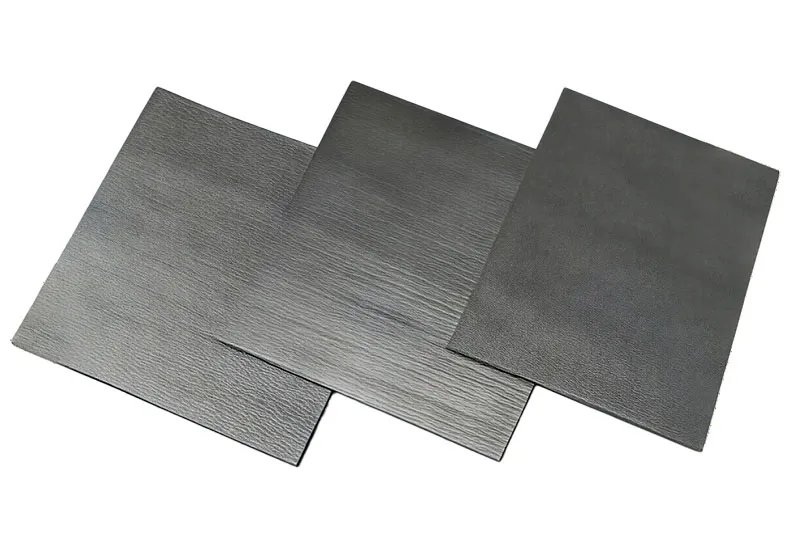
Nano graphene thermal conductive material is built on engineered Graphene and advanced Nanomaterials, forming high-performance Composites designed for extreme heat dissipation.
Core Material Structure
1.1 Graphene Network
· Continuous thermal conductivity pathways
· Reduced phonon scattering
1.2 Composite Matrix
· Flexible polymer support
· Stable bonding at the interface material boundary
Functional Performance
2.1 Heat Transfer
· Rapid lateral spreading
· Low contact resistance
2.2 Reliability
· Minimal pump-out
· Strong mechanical compliance
Application Impact
3.1 High-power CPUs and GPUs
3.2 EV power modules
3.3 5G base stations
In practice, nano graphene thermal conductive material keeps surfaces cooler under load, especially where thin bond lines matter.
Conventional Thermal Interface Materials

Conventional options still dominate many builds. You’ll see:
· Thermal grease
· Thermal pads
· Phase change materials
· Metallic TIMs
· Polymer-based TIMs
1) Moderate heat transfer performance
2) Aging under thermal cycling
3) Pumping effects in vibration-heavy setups
A closer look shows the trade-offs. Silicone-based pastes are easy to apply but can dry out. Pads simplify assembly yet add thickness, which increases resistance. Phase change materials soften at operating temperature, improving contact, though long-term stability varies.
Recent industry commentary highlights the shift toward advanced fillers:
“Next-generation thermal management materials, particularly graphene-enhanced composites, are gaining rapid adoption in high-power electronics due to superior conductivity and lifecycle stability.” — IDTechEx, 2025 report on thermal management materials
Compared to nano graphene thermal conductive material, conventional thermal grease and pads often struggle in compact systems. Nano graphene thermal conductive material, as a graphene-based thermal interface solution, better supports tight device packaging where every degree counts.
Design Scenario: High-Power LED Cooling
High-power LED fixtures run hot, and that heat can quietly eat away at lifespan and brightness. Smart thermal design is no longer optional. By combining Nano graphene thermal conductive material, advanced interfaces, and tight thermal resistance control, manufacturers can push LED systems harder without cooking the core. That’s where Sheen Technology steps in.
Integrating Graphene Films with LED Heat Sinks for Optimal Heat Dissipation
When Graphene meets Heat sinks, heat spreading changes fast. A well-laminated Film made from Nano graphene thermal conductive material acts like a highway for heat, moving it away from the LED junction before hotspots form.
Key integration goals:
· Lower junction temperature
· Improve Thermal conductivity
· Strengthen Interface stability
1)Surface prep of aluminum Heat sinks
2)Precision lamination of Graphene Films
3)Controlled pressure bonding for minimal voids
At the material level:
· Nano graphene:high in-plane heat spreading.
· thermal conductive:rapid lateral Heat dissipation.
· material:thin, lightweight, easy Integration.
A thin graphene thermal layer reduces contact gaps. Less air. More contact. Better flow. With Nano graphene thermal conductive material, Sheen Technology delivers tighter bonding and cooler-running luminaires built for long shifts.
Printable Graphene Composites in Thermal Paste for Compact LED Modules
Compact LED modules leave little room for bulky pads. Printable Graphene Composites solve that.
• Fine-line dispensing
• Uniform coating control
• Reduced pump-out risk
Printable graphene thermal paste, built on Nano graphene thermal conductive material, works as a next-gen Thermal interface material. The nano graphene network forms micro heat bridges inside the Composite, improving contact between chip and substrate.
Manufacturing flow:
· Automated paste printing
· Reflow alignment
· Curing and inspection
Under the microscope:
· Graphene:forms conductive pathways.
· Thermal paste:fills microscopic voids.
· Compact structure:keeps resistance short.
The result? Higher power density with steady temps. Sheen Technology tunes viscosity and particle dispersion so the nano graphene thermal compound stays consistent across mass production.
Evaluating Thermal Resistance in Graphene-Based Cooling Systems
Performance claims mean little without Evaluation. In graphene-based Cooling systems, tracking Thermal resistance reveals the real story.
Testing typically includes:
· Junction-to-case measurement
· Interface drop analysis
· System-level Modeling
Structured characterization:
Material level
· Graphene sheet conductivity
· Interface adhesion
Module level
· Contact pressure impact
· Heat spreading radius
System level
· Airflow interaction
· Long-term Performance stability
The International Energy Agency noted in its 2025 solid-state lighting outlook that advanced thermal materials are now central to extending LED service life in high-density applications.
Using Nano graphene thermal conductive material in modeling shows measurable drops in interface loss. Lower resistance. Better Measurement consistency. With validation support from Sheen Technology, designers move from guesswork to controlled thermal management built on nano graphene thermal solutions that simply run cooler.
【Request a Custom Quote】 Selecting the right nano graphene thermal conductive material depends on your thermal load, available space, reliability targets, and manufacturing requirements. Share your application details with our engineering team, and we can help recommend the most suitable graphene thermal solution for your project.
Sheen Thermal
Dongguan Sheen Electronic Technology Co., Ltd · Founded in 2008
Manufacturer of thermal interface materials and silicone foam for automotive electronics, energy storage, power electronics, communications and consumer electronics.
Certified
- ISO 9001:2015
- ISO 14001:2015
- IATF 16949:2016
What we supply
- Thermal conductivity Up to 90 W/m·K
- Thickness 0.3–10.0 mm
- Custom & samples Die-cut to drawing, 3–7 days