
 English
 usheenthermal

Your Trusted High-Elasticity Silicone Foam Manufacturer for Custom Needs
Date:2026-07-22
Your Trusted High-Elasticity Silicone Foam Manufacturer for Custom Needs
Pressure's on — electronics keep shrinking, heat keeps climbing, and failures get expensive fast. A High-elasticity silicone foam manufacturer isn't just selling foam; it's keeping your product from rattling, leaking, or frying under stress.
Sheen Technology's engineering team, in its 2025 product documentation, emphasizes that consistent compression set, stable dielectric strength, and controlled density are critical to long-term device reliability, especially in tightly packed assemblies.
This guide examines the material properties, density grades, fabrication methods, and application scenarios that define the engineering value of custom high-elasticity silicone foam.
Quick Insights for Partnering with a High-Elasticity Silicone Foam Manufacturer
- Boost Vibration Damping: Leverage elastic density to protect sensitive electronics from shock and resonance.
- Enhance Thermal Management: Utilize stable conductivity grades for efficient heat dissipation in power modules.
- Ensure EMI Shielding: Integrate organosiloxane-filled foams to maintain dielectric strength and block interference.
- Maintain Long-Term Elasticity: Select crosslinked formulations with low compression set for reliable sealing over cycles.
- Customize Form Factors: Choose from sheets, gaskets, rolls or die-cut shapes to fit precise assembly needs.
5 Key Benefits Of Custom Silicone Foam
High-elasticity silicone foam delivers five measurable advantages over conventional cushioning and sealing materials.
Enhanced Vibration Damping for Sensitive Electronics
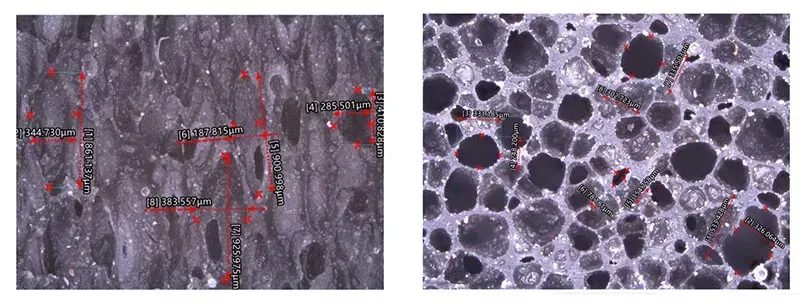
The images show that the largest cell measured 925 μm before the improvement, whereas the largest cell was only 533 μm after the improvement. There is a clear trend toward smaller cell sizes following the improvement.
When devices shrink, tolerance for movement drops fast. A high elasticity silicone foam manufacturer tunes density and cell structure to improve shock absorption without adding bulk.
Core outcomes:
- Reduced vibration transfer
- Better impact protection
- Cleaner acoustic insulation
Sheen Technology customizes foam density (200–950 kg/m³) to match specific vibration damping requirements across the frequency range of interest.
Thermal Management in High-Power Modules
Silicone foam provides thermal insulation between heat-generating components and enclosure walls, preventing thermal coupling between adjacent modules. For power electronics, this isolates sensitive control circuits from heat sources.
- Standard silicone foam: thermal conductivity of 0.08 W/mK, suitable for general insulation
- Filled silicone foam: thermal conductivity of 0.2–0.5 W/mK, suitable for applications requiring controlled heat spreading
- Temperature range: –55 °C to +200 °C, covering all automotive and industrial operating envelopes
Sheen Technology offers foam grades optimized for both thermal insulation (low conductivity) and thermal spreading (high conductivity), depending on the application requirement.
Superior EMI Shielding with Organosiloxane Fillers
Not all foam blocks signals, but add organosiloxane fillers and things change.
- Enhanced EMI shielding
- Better signal integrity
- Reduced RFI suppression gaps
A high-elasticity silicone foam manufacturer adjusts filler ratios so electromagnetic compatibility stays tight even in compact builds.
Long-Term Elasticity and Low Compression Set
Short bursts of performance mean little if material fatigues. Good foam keeps shape retention after thousands of cycles.
- Long-term material resilience matters
- Low compression set protects sealing
- Consistent rebound supports performance longevity
Sheen Technology focuses on crosslink density so the foam doesn't "forget" its shape under heat and pressure.
Tailored Form Factors: Sheets, Gaskets, and Rolls
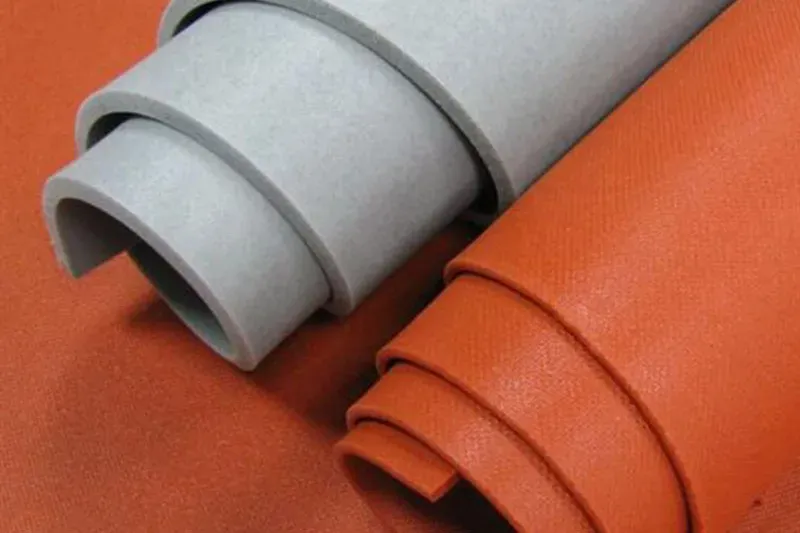
Customization is where things get practical.
- Sheets for broad coverage
- Precision gaskets for seals
- Continuous rolls for scalable installs
Design phase
- CAD for custom shapes
- Thickness tuning
Manufacturing
- Die-cut silicone sheets
- Extruded rolls
Application
- Installed as seals
- Integrated into molded assemblies
A flexible silicone foam manufacturer makes these transitions smooth, especially when timelines are tight, and specs keep shifting.
Sheen Technology provides detailed technical datasheets for all silicone foam density grades. Download the Silicone Foam Engineering Datasheet for complete specifications.
Silicone Foam Density Grades: Selection Guide
Picking the right silicone foam density isn't just specs talk — it shapes sealing, durability, and feel. From soft seals to heavy-duty damping, each grade hits a different sweet spot for real-world builds.
Low-Density Foam for Lightweight Sealing Solutions
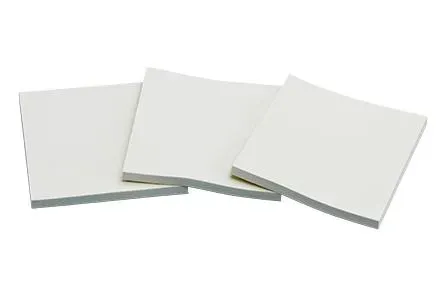 | Model | Density (kg/m³) | Thickness (mm) | Thermal conductivity (W/m·k) | Flammability UL 94 | Application temperature (℃) |
| SA700-200 | 200±20 | 1.0-10.0 | ≤0.2 | V-0 | -55~200 | |
| SA700-260 | 260±26 | 1.0-10.0 | ≤0.2 | V-0 | -55~200 | |
| SA700-300 | 300±30 | 1.0-10.0 | ≤0.2 | V-0 | -55~200 |
Core traits: Low density, lightweight, low closure force, high compressibility, closed-cell structure, soft-touch feel
Typical applications: Sealing, gasketing, and thermal insulation in wearable devices and ultra-thin electronics
Material behavior
- Soft cells compress easily
- Returns shape without stress marks
Application fit
- Micro enclosures
- Flexible joints needing gentle closure
A high elasticity silicone foam manufacturer often tunes this grade for ultra-thin gaps. Sheen Technology keeps tolerances tight so seals don't drift over time. Short takeaway: soft, easy, reliable.
Medium-Density Grades Balancing Compressibility and Strength
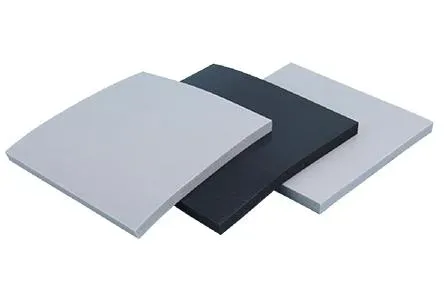 | Model | Density (kg/m³) | Thickness (mm) | Thermal conductivity (W/m·k) | Flammability UL 94 | Application temperature (℃) |
| SA700-350 | 350±35 | 1.0-10.0 | ≤0.2 | V-0 | -55~200 | |
| SA700-400 | 400±40 | 1.0-10.0 | ≤0.2 | V-0 | -55~200 | |
| SA700-500 | 500±50 | 1.0-10.0 | ≤0.2 | V-0 | -55~200 |
Key balance: compressibility + strength
Functional perks: durability, cushioning, versatility, vibration damping
Performance layering
- Surface: controlled give
- Core: holds structure
Deployment zones
- Automotive electronics
- Industrial control panels
Multiple quick notes: holds shape under repeated load; resists tear; adapts to uneven surfaces. A high-elasticity silicone foam manufacturer will fine-tune cell size here. Sheen Technology offers steady batch consistency.
High-Density Variants for Impact Protection
.png) | Model | Density (kg/m³) | Thickness (mm) | Thermal conductivity (W/m·k) | Flammability UL 94 | Application temperature (℃) |
| SA700-600 | 550±50 | 1.0-10.0 | 0.08 | V-0 | -55~200 | |
| SA700-900 | 900±90 | 1.0-10.0 | ≤0.2 | V-0 | -55~200 |
Highlights: high density, impact protection, shock absorption
Build traits: structural support, energy dissipation, heavy-duty
Impact flow
- Contact → compression → energy spread
- Fast rebound limits damage
Use cases
- Rugged housings
- Transport-sensitive gear
A high elasticity silicone foam manufacturer typically boosts polymer crosslinking to toughen this grade. Strong feel, less give, more safety.
Ultra-High-Density Options with Maximum Vibration Isolation
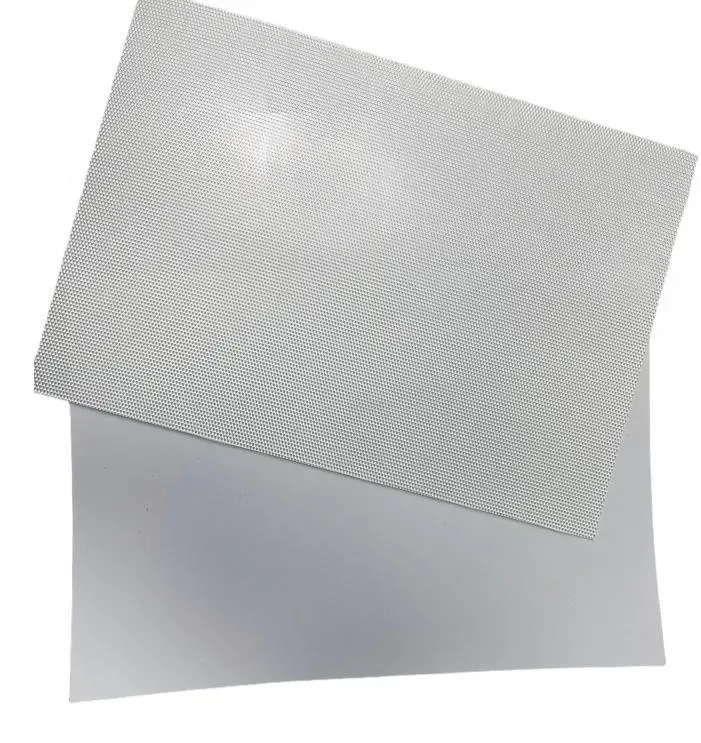 | Model | Density (kg/m³) | Thickness (mm) | Thermal conductivity (W/m·k) | Flammability UL 94 | Application temperature (℃) |
| SM150 | 1500±30 | 0.3-10.0 | ≤0.3 | V-0 | -55~200 (>500℃ ceramic barrier) | |
| SM150-FG1 | 1500±30 | 0.3-10.0 | ≤0.3 | V-0 | -55~200 (>500℃ ceramic barrier) |
Focus: ultra-high density, vibration isolation, damping, stability
Handles: heavy loads, precision, extreme conditions
Isolation stack
- Top: firm interface
- Mid: dense damping layer
- Base: load spread
Precision fit
- Telecom racks
- Heavy equipment mounts
Synced tuning from a high-elasticity silicone foam manufacturer ensures minimal drift under constant load. Sheen Technology pushes this grade for long-cycle stability where micromovements matter.
Long Lead Times? Rapid Foam Prototyping Available
Prototype-to-production timelines are a critical factor in material selection. Sheen Technology's prototyping process is designed to minimize lead times while maintaining production-representative quality.
Fast-Turnaround Curing and Foaming Processes
Silicone foam production involves controlled curing (crosslinking) and foaming (cell formation) stages. Sheen Technology accelerates these processes through:
- Catalyst tuning: Optimized catalyst systems reduce cure time from hours to minutes without sacrificing crosslink density
- Heat profile control: Precise temperature ramping ensures uniform cell size distribution and eliminates void formation
- Inline feedback: Real-time monitoring of density and cell structure during foaming ensures batch consistency
- Typical prototype turnaround: 2–3 weeks from specification approval to sample delivery.
Custom Shapes via Precision Die-Cutting and Molding
Custom shapes are produced through two primary fabrication methods:
- Die cutting: For flat profiles and gaskets; tooling lead time of 5–7 days for simple geometries
- Compression molding: For 3D shapes that cannot be die-cut; tooling lead time of 10–14 days
- Both methods achieve dimensional tolerances of ±0.1 mm on critical dimensions, with edge quality verified by visual inspection and, where required, cross-section microscopy.
Quick Validation through Density Measurement and Tensile Strength Tests
Every production batch is validated through a standardized testing protocol:
- Density measurement: Weight-volume method per ASTM D3574
- Tensile strength and elongation: Per ASTM D3574, with batch-level certification
- Compression set: Per ASTM D395 at the specified temperature and duration
- Shore hardness: Measured on 00 and A scales per ASTM D2240
"Recent materials benchmarking highlights faster validation cycles as a key driver of prototyping efficiency in elastomer foams." — 2025 industry analysis, MarketsandMarkets
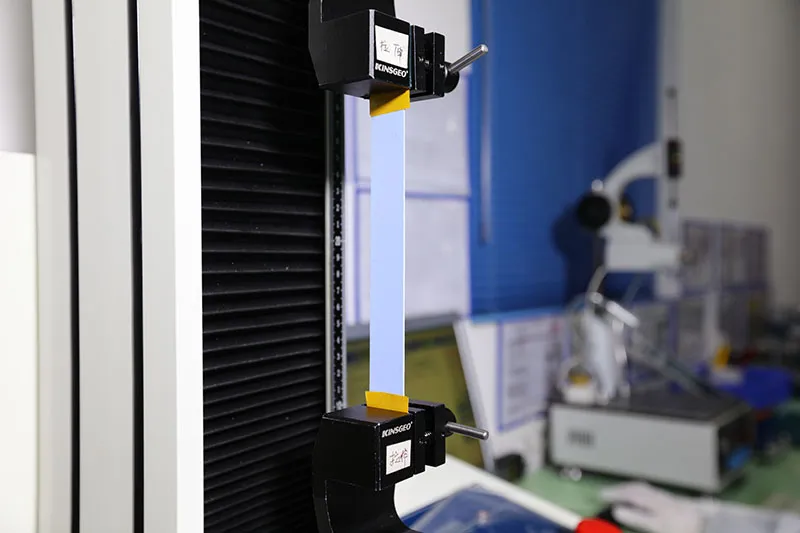
Sheen Technology provides material test reports with every shipment, ensuring full traceability from raw material through finished part.
Electronics Assembly: Precision Foam For Vibration Damping
Quick intro: keeping delicate circuits safe isn't just about design — it's about materials that absorb shock, seal tight, and stay stable under stress. From cars to LEDs, high elasticity silicone foam manufacturer solutions bring consistency, while smart formats speed up builds and cut failure rates.
Gaskets and Pads for Automotive Electronics Isolation
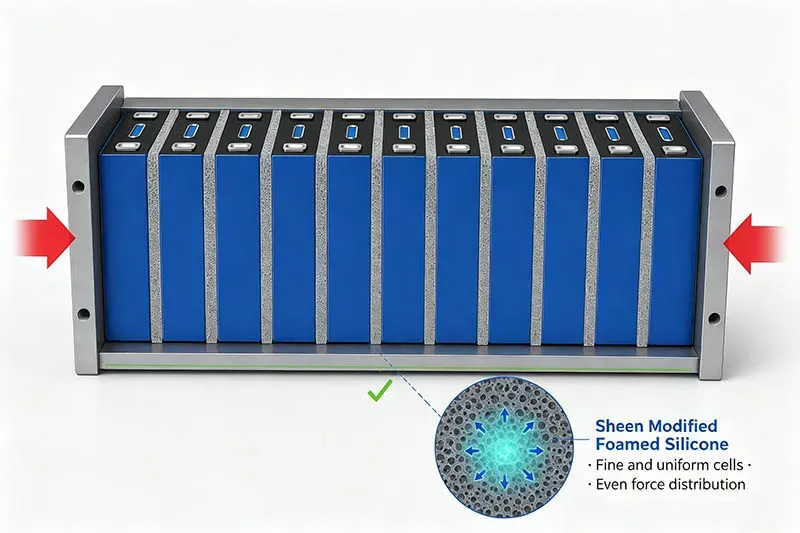
When automotive electronics face road shock, silicone-based gaskets and pads step in quietly. The feel is soft, but the job is serious: vibration damping and long-term isolation.
- Soft compression, tight sealing
- Stable under heat swings
- Resistant to oil and moisture
Mounting control units
- Outer layer: foam buffer
- Inner layer: conductive shielding
- Result: balanced protection
A high-elasticity silicone foam manufacturer like Sheen Technology keeps tolerances tight, so parts don't shift over time. Short takeaway: fewer rattles, longer lifespan.
Liquid Compounds for Seamless Potting and Sealing Solutions
Think of liquid compounds as a wrap that leaves no gaps. Once cured, potting and sealing create a seamless barrier for electronics protection.
Small moments matter:
- Pour → flow into micro spaces
- Cure → form encapsulation shell
- Hold → absorb vibration damping energy
Multiple angles, quick hits:
- Dielectric strength improves
- Water ingress drops
- Thermal cycling stays controlled
Sheen Technology offers options tuned by viscosity and cure speed. A high elasticity silicone foam manufacturer mindset still applies here — flexibility without cracking.
Tape and Roll Formats Optimized for LED Lighting Assemblies
Fast lines love tape and roll formats. In LED lighting, every second counts, and so does adhesion plus thermal insulation.
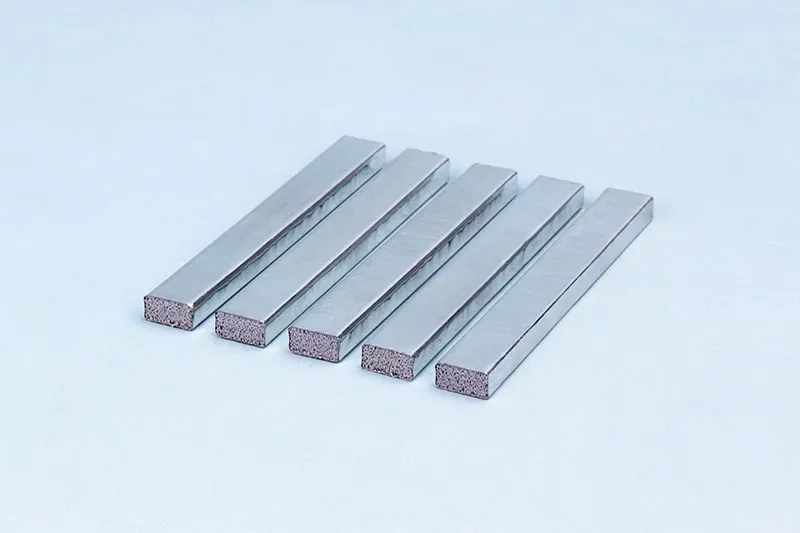
Here's how it stacks:
- Surface prep — Clean → bond strength rises
- Application — Roll feed → consistent placement
- Performance — Silicone foam layer → vibration damping + heat spread
Short bursts: quick stick, clean finish, no mess.
A high-elasticity silicone foam manufacturer approach ensures uniform thickness across rolls. Sheen Technology keeps assembly smooth while protecting brightness over time.
Explore Silicone Foam Applications. Sheen Technology high-elasticity silicone foams are deployed across automotive electronics sealing, power module insulation, telecom base station weatherproofing, LED lighting thermal management, and industrial sensor protection. Visit relate applications pages for application notes, case studies, and reference designs showing how silicone foam grades are specified across different power levels, sealing classes, and operating environments.
Sheen Technology — Custom Silicone Foam Solutions for Sealing, Damping, and Protection.
| Density Grade | Density Range | Typical Use | Key Property |
|---|---|---|---|
| Low | 200–300 kg/m³ | Ultra-thin sealing, wearables, slim devices | High compressibility, soft touch |
| Medium | 350–500 kg/m³ | Automotive electronics, industrial control panels | Balanced compressibility and strength |
| High | 600–900 kg/m³ | Rugged housings, transport-sensitive equipment | Impact protection, energy dissipation |
| Ultra-High | 1500 kg/m³ | EV batteries/ESS fire barrier and safety partitions | Ceramizable silicone converts into a rigid ceramiclike layer under flame |
Sheen Technology provides high-elasticity silicone foam in sheets, rolls, die-cut gaskets, and custom molded shapes. Contact our engineering team for a technical datasheet, free sample kit, or application-specific material recommendation.
Sheen Thermal
Dongguan Sheen Electronic Technology Co., Ltd · Founded in 2008
Manufacturer of thermal interface materials and silicone foam for automotive electronics, energy storage, power electronics, communications and consumer electronics.
Certified
- ISO 9001:2015
- ISO 14001:2015
- IATF 16949:2016
What we supply
- Thermal conductivity Up to 90 W/m·K
- Thickness 0.3–10.0 mm
- Custom & samples Die-cut to drawing, 3–7 days