
 English
 usheenthermal

Thermal Interface Materials for AI Chips: A Comprehensive Guide to Types, Performance & Market Trends
Date:2026-07-30
As demand for large-model training continues to rise, AI chip performance is increasing at an unprecedented pace. Power consumption and heat flux are climbing at the same time.
Today's flagship training accelerators typically consume 700–1,000 W, while next-generation devices are moving toward 1,200 W. The industry is gradually entering an era in which a single chip can consume more than one kilowatt.
The rapid adoption of 2.5D and 3D advanced packaging is intensifying the challenge. Thermal management is no longer an auxiliary part of the system; it has become a critical factor that determines whether a processor can sustain its rated computing performance.
Every interface along the heat-transfer path—from the semiconductor die to the surrounding environment—contains microscopic gaps that create contact thermal resistance. Improving the performance of thermal interface materials (TIMs) is therefore essential to overcoming cooling bottlenecks and unlocking the performance of high-end chips.
In this article:
• TIM fundamentals: how interface materials bridge the micro-gap between chip and cooling hardware
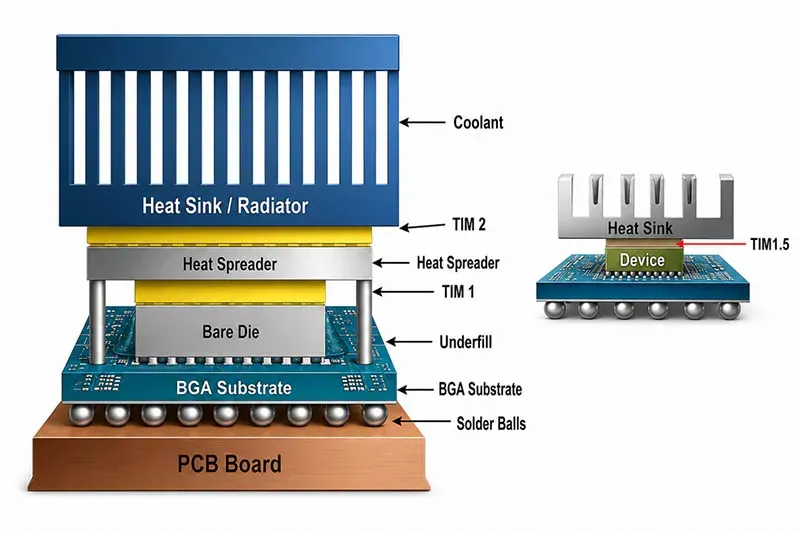
• Classification by thermal stack position: TIM1, TIM1.5, TIM2, and TIM3 explained
• Material system comparison: polymer-based, carbon-based, and metal-based TIMs — data sheets included
• Supply chain analysis: from upstream fillers to downstream qualification cycles
• Market trends: advanced packaging, liquid cooling, and the evolving TIM performance envelope
1. What Is a Thermal Interface Material?
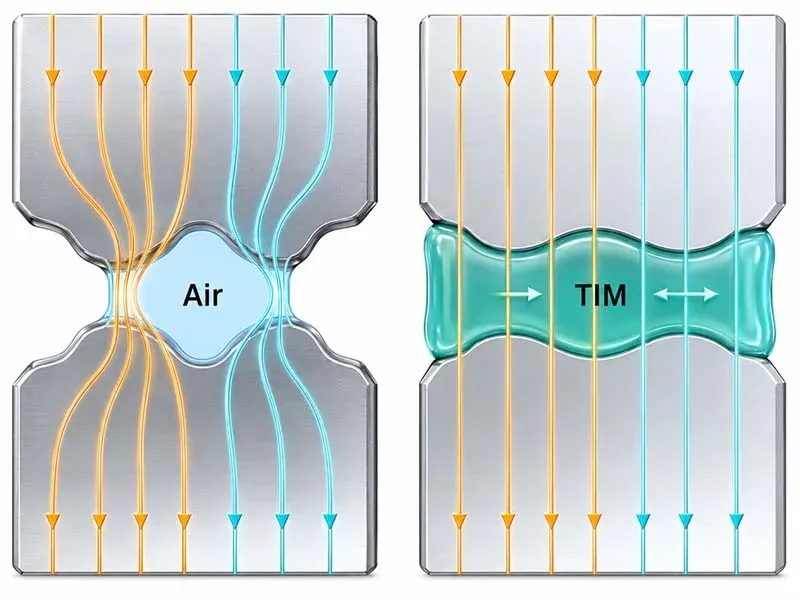
Thermally conductive interface materials fill the tiny gaps between the bonding solid surfaces, allowing compressed air to remain in space:
- Increasing the interfacial contact area
- Reducing interfacial thermal resistance
They are sometimes referred to as the "last micrometer" of heat transfer because their performance determines the ultimate efficiency of the entire cooling system.
1.1 Key TIM Performance Parameters
The most important performance metric is generally thermal resistance, commonly expressed in °C·cm²/W. Total interface resistance consists of two main components:
- Bulk material resistance: determined by TIM thickness and intrinsic thermal conductivity.
- Contact resistance: created at the boundaries between the TIM and the two mating surfaces.
The actual heat dissipation performance cannot be determined solely by thermal conductivity. Therefore, Sheen Technology engineers believe that when evaluating a TIM, factors such as thermal conductivity, test thermal resistance, operating temperature range, dielectric strength, and mechanical properties should be considered.
2. TIM Classification by Position in the Thermal Stack
In advanced semiconductor packages, TIMs can be classified according to their position in the heat-transfer path. The closer a material is to the semiconductor die, the more demanding its thermal and reliability requirements become.
2.1 TIM1: Between the Die and Integrated Heat Spreader
TIM1 sits between the bare die and the integrated heat spreader (IHS). Because it is located directly above the heat source, it is one of the most critical interfaces inside the package.
High-performance phase-change materials and highly conductive thermal gels are commonly considered for this layer, while liquid metal is being evaluated in leading-edge applications.
2.2 TIM1.5: Direct Die-to-Heatsink or Die-to-Vapor-Chamber Interface
TIM1.5 eliminates the IHS and connects the bare die directly to a heatsink or vapor chamber, shortening the heat-transfer path. High-conductivity thermal gels and liquid-metal materials are commonly used or evaluated for this structure.
2.3 TIM2: Between the IHS and External Cooling Hardware
TIM2 is positioned between the integrated heat spreader and an external heatsink or liquid-cooling cold plate. It forms the interface between the semiconductor package and the system-level cooling assembly. High-conductivity gels and other conformable TIMs are frequently used at this layer.
In some complex liquid-cooling architectures, the interface between a heatsink and a rack-level cold plate or another system-level component is also described as TIM3.
| TIM Layer | Position | Typical Materials | Key Requirements |
|---|---|---|---|
| TIM1 | Die → Integrated Heat Spreader (IHS) | PCM, high-κ gel, liquid metal (emerging) | Thinnest BLT, highest κ, silicone-free |
| TIM1.5 | Die → Heatsink / Vapor Chamber (no IHS) | High-κ gel, liquid metal | Mechanical stress tolerance, interface stability |
| TIM2 | IHS → Heatsink / Cold Plate | High-κ gel, conformable pad | Pressure resistance, coolant compatibility |
| TIM3 | Heatsink → Rack Cold Plate (liquid cooling) | Large-format pad, gel | Long-term reliability, corrosion resistance |
3. TIM Types by Material System
TIMs can also be grouped into three broad material families: polymer-based, carbon-based, and metal-based materials.
3.1 Polymer-Based TIMs: The Mainstream Commercial Solution
Common polymer-based thermal interface materials offered by Sheen Technology manufacturer include thermal grease, thermal gel, phase change materials, thermal adhesives, and thermal pads.
Industry estimates suggest that polymer-based products account for approximately 70%–80% of the global TIM market, making them the most mature and widely manufactured category.
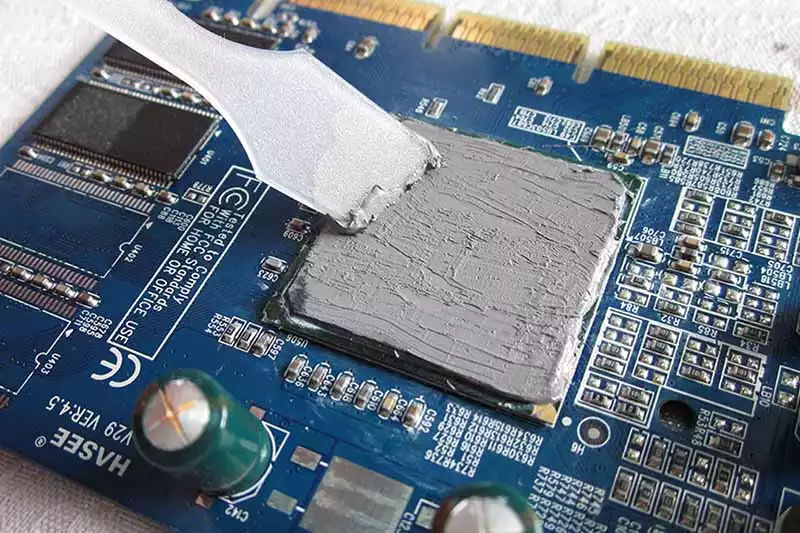
- Thermal conductivity: 1–5 W/(m·K)
- Typical thermal resistance: 0.015–0.04 °C·in²/W
- Key characteristics: Easy to apply and widely used for CPUs, GPUs, and other consumer-electronics processors
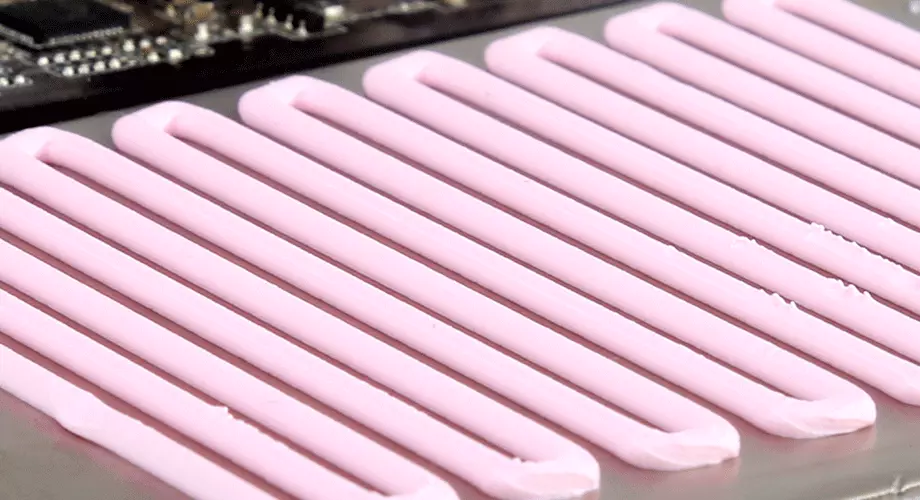
- Thermal conductivity: 1–12 W/(m·K)
- Typical thermal resistance: 0.045–0.13 °C·in²/W
- Key characteristics: Compatible with automated dispensing and able to fill irregular gaps
- Typical applications: Automotive electronics and liquid-cooled data center hardware
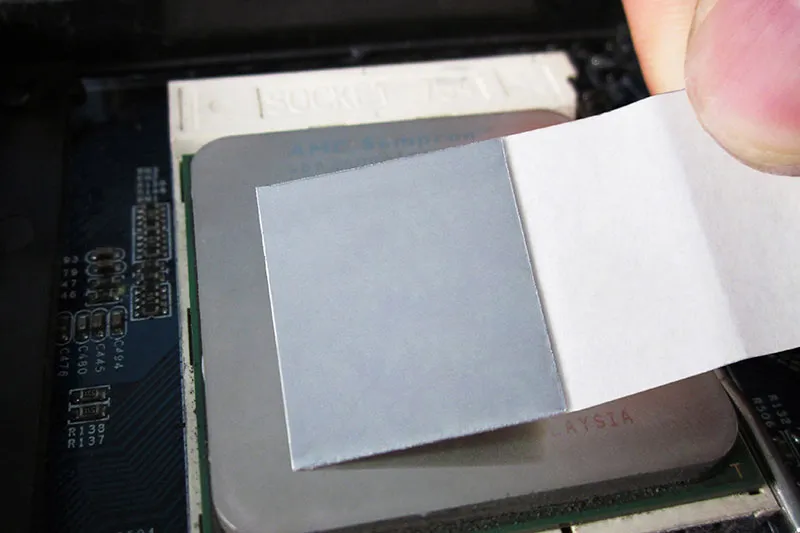
- Thermal conductivity: 3–8 W/(m·K)
- Typical thermal resistance: 0.0073–0.05 °C·cm²/W
- Key characteristics: Solid at room temperature, then softens and wets the interface at its activation temperature
- Typical applications: Servers and industrial power devices requiring long service life and lower pump-out risk than conventional grease
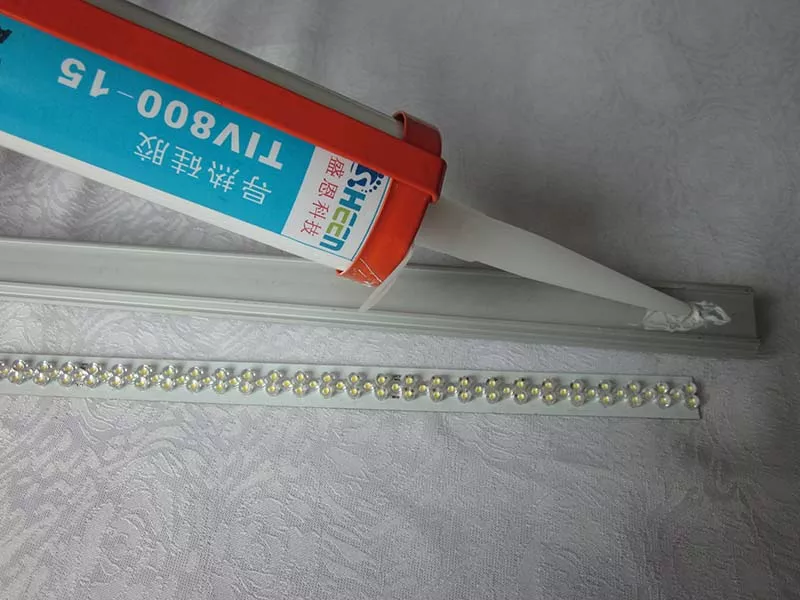
- Thermal conductivity: 1–3 W/(m·K)
- Key characteristics: Combines heat transfer with structural bonding and can simplify assembly
- Typical applications: Compact electronic modules
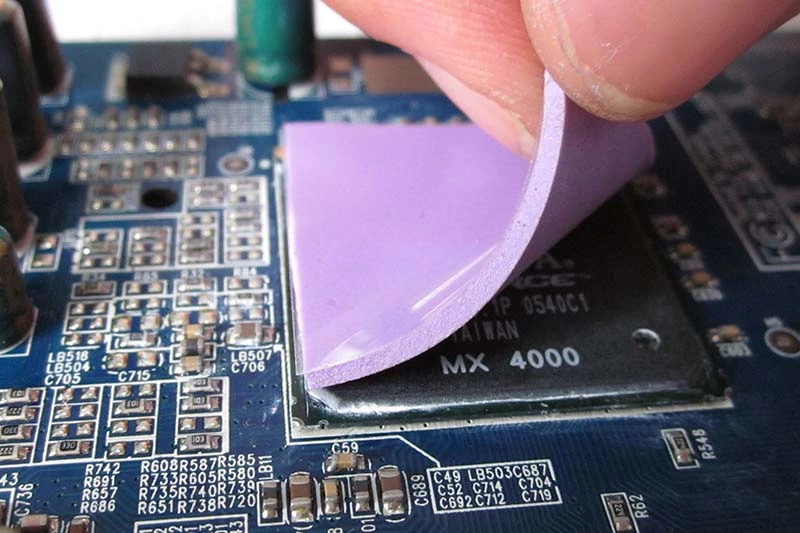
- Thermal conductivity: 1–15 W/(m·K)
- Typical thermal resistance: 0.1–0.9 °C·in²/W
- Key characteristics: Strong electrical insulation and substantial gap-filling capability
- Typical applications: Power modules, battery management systems, and other assemblies with relatively large or variable gaps
Thermal-pad resistance is highly dependent on contact pressure. Under sufficient compression, the interface resistance can decrease significantly toward the lower end of the stated range.
3.2 Carbon-Based TIMs: A Low-Contamination Material Route
Carbon-based thermal interface materials possess high thermal conductivity, using graphite, graphene, carbon fibers, or carbon nanotubes (CNTs) as the primary heat transfer structure.
Their main advantages lie in the absence of volatile siloxane contaminants, and their anisotropic structure enables directional heat conduction, making them highly attractive in semiconductor packaging, high-speed optical modules, and other applications with stringent cleanliness requirements.
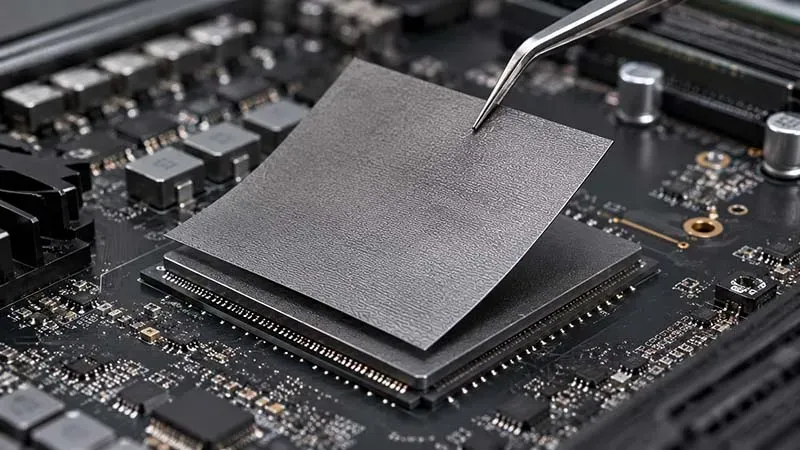
Oriented Graphite and Graphene TIMs
- Thermal conductivity: 75–90 W/(m·K)
- Typical thermal resistance: 0.10–0.12 °C·cm²/W
- Key characteristics: Good material compatibility and no silicone-contamination risk
- Typical applications: Thin, high-end packages and high-speed optical modules
Because these materials are anisotropic, high through-plane performance generally requires a vertical-orientation structure or another engineered alignment process.
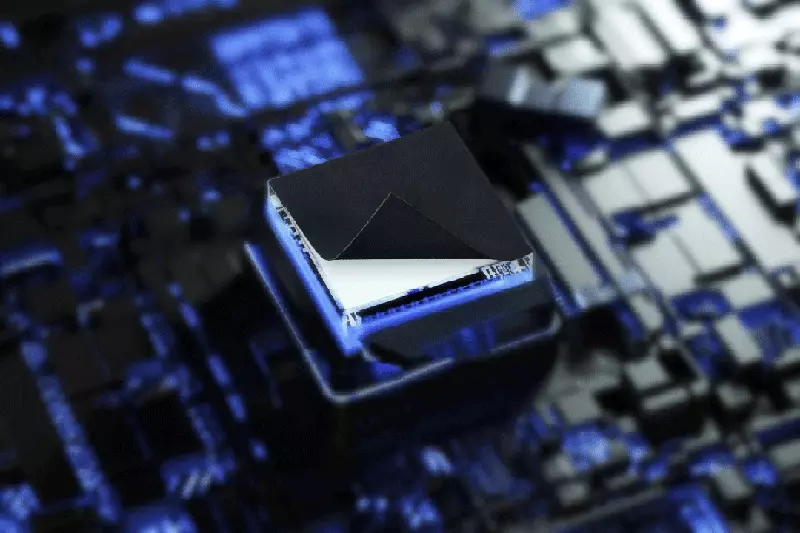
Oriented Carbon Fiber and Carbon Nanotube TIMs
- Thermal conductivity: 15–45 W/(m·K)
- Typical thermal resistance: 0.07–0.28 °C·in²/W
- Key characteristics: Strong axial heat conduction
- Typical applications: Ultra-thin packages and thermally constrained assemblies with limited installation space
3.3 Metal-Based TIMs: A High-Performance Route for Extreme Heat Loads
Metal-based TIMs use a metal or alloy as the primary heat-transfer medium. They include room-temperature liquid metals and low-melting-point solid alloys.
Gallium-Based Liquid Metal
- Thermal conductivity: 10–50 W/(m·K)
- Typical thermal resistance: 0.02–0.08 °C·cm²/W
- Key characteristics: Liquid at room temperature with excellent interface wetting
- Primary limitations: Gallium can corrode or react with metals such as copper and aluminum
Gallium-based liquid metal remains one of the technologies being explored for extreme cooling of kilowatt-class processors.
Indium-Based Low-Melting-Point Alloy
- Thermal conductivity: 50–100 W/(m·K)
- Typical thermal resistance: 0.07–0.2 °C·cm²/W
- Key characteristics: Supplied as a solid foil at room temperature; many alloys melt above 110°C
- Processing: The interface connection is formed through thermocompression reflow or solid-state diffusion
- Typical applications: Aerospace and high-reliability industrial packaging
Compared with room-temperature liquid metal, indium-based materials generally offer better stability and compatibility with surrounding metals.
Sheen Technology’s TIM portfolio spans multiple categories within the polymer-based family, including high-conductivity thermal grease (>5 W/m·K), dispensable gap fillers, and phase-change materials. The company is also advancing development programs in carbon-based TIMs (graphene, CNT). Contact our engineering team for product-specific datasheets.
4. Thermal Interface Material Supply Chain
- Raw material suppliers
- TIM formulators
- Manufacturers
- Downstream electronics industry
Division of labor among thermal interface material suppliers:
- Upstream suppliers provide matrix resins and thermally conductive fillers.
- Midstream companies are responsible for formulating and producing thermal interface materials.
- Downstream demand comes from industrial equipment, automotive electronics, communication equipment, data centers, and other electronic systems.
4.1 Upstream: Raw material suppliers
The performance ceiling of upstream raw materials directly affects the maximum performance that midstream TIM manufacturers can achieve.
Commodity fillers such as spherical alumina are widely produced in China and can satisfy many low- and mid-range TIM requirements. However, gaps remain in the manufacturing technology and batch-to-batch consistency of advanced fillers such as high-end spherical aluminum nitride and highly conductive graphite.
The ability to manufacture advanced fillers consistently and at scale remains one of the constraints on the development of China's high-end TIM industry.
4.2 Midstream: TIM Formulation and Manufacturing
TIM formulation and manufacturing represent the core value-creation stage of the supply chain. This segment has significant technical and customer-entry barriers.
Formulation and Process Know-How
High-performance TIMs depend on a combination of formulation expertise and process control. Key barriers include:
- High filler content and formulation expertise require extensive experience.
- Applying specific knowledge imposes different tuning requirements on thermally conductive interface materials (TIMs).
- Consistency in batch production requires rigorous material control and process management.
Non-Uniform Test Conditions Complicate Product Comparison
Although standards such as ASTM D5470 are widely used, measured TIM performance can vary significantly depending on testing conditions. Sheen Technology engineers believe that test results from different suppliers may not be directly comparable.
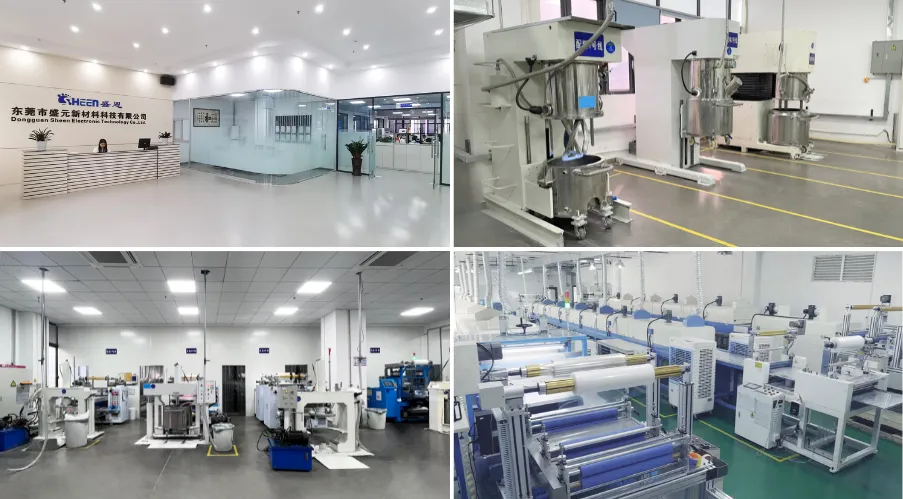
Sheen Technology provides test-condition documentation with every product datasheet to facilitate accurate cross-vendor comparison.
Long Customer Qualification Cycles
Consumer-electronics qualification can be relatively short, but certification for semiconductor-grade and automotive-grade TIMs may take one to three years.
Technology platforms also change rapidly, creating uncertainty for suppliers investing in new formulations. Once a leading customer has approved a TIM and confirmed its long-term reliability, it is unlikely to replace the supplier without a strong reason. This creates high customer retention but also makes the market difficult for new entrants.
4.3 Global Competitive Landscape
The global TIM market has a clearly segmented competitive structure. Companies such as DuPont, Henkel, Parker Chomerics, Laird, Dow, Shin-Etsu, and Panasonic have built strong positions through decades of formulation expertise and end-to-end quality control.
The broader market can be characterized as internationally dominated at the high end and highly competitive among domestic suppliers at the low and middle tiers. Conventional products have lower technical barriers, resulting in intense price competition among numerous manufacturers. A significant share of industry profit is concentrated in high-performance products, particularly materials used in advanced semiconductor packaging.
Chinese manufacturers entered the market later. Many have achieved large-scale production of low- and mid-range TIMs and are now accelerating high-end material development to narrow the gap with international suppliers.
Sheen Technology operates in the mid-to-high-end TIM segment, supplying formulated thermal interface materials to OEMs in AI server, automotive electronics, and industrial power markets. The company’s R&D pipeline includes high-conductivity greases (>8 W/m·K), non-silicone gap fillers, and emerging carbon-based TIMs. ISO 9001:2015 certified manufacturing with full batch traceability supports customer qualification processes.
4.4 Downstream Applications and Customer Requirements
TIM applications are highly diversified and include:
- Consumer electronics
- Automotive electronics
- Telecommunications equipment
- Data centers and AI servers
- Semiconductor packaging
- Industrial power electronics
Professional clients' requirements for suppliers include:
- R&D capabilities
- Quality control
- Product consistency
- Delivery reliability
Once a supplier passes these certifications, the resulting supply chain relationship is often stable and long-term.
5. Key TIM Technology and Market Trends
5.1 Material Innovation Is Expanding the Performance Envelope
As heat flux continues to increase, each TIM material family is following a different development path.
Polymer-Based Materials
Development is focused on nano-filler combinations and surface modification to increase filler loading, while improved matrix formulations reduce oil bleeding and support longer service life.
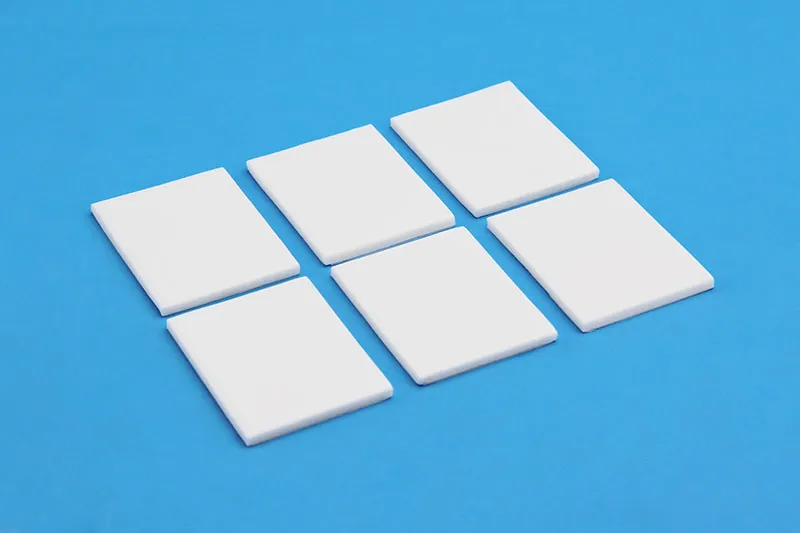
Non-silicone TIMs are growing rapidly in advanced packaging and other clean applications because they avoid siloxane contamination and can be formulated with strict ionic-contamination controls.
Carbon-Based Materials
Carbon-based TIM development is addressing anisotropy through vertical-orientation processes that improve through-plane thermal conductivity. Manufacturers are also optimizing interface bonding to reduce contact resistance.
Metal-Based Materials
Metal-based development focuses on multi-component alloys and passivation technologies that reduce corrosion risk. Thin-film coating processes are also being optimized to lower internal material stress and production cost.
5.2 Advanced AI Packaging Is Raising TIM Requirements
The adoption of 2.5D and 3D stacking, Chiplet designs, and other advanced packaging technologies is making thermal management more difficult. Vertical stacking concentrates heat and increases the distance it must travel, pushing conventional air cooling combined with standard polymer TIMs toward its practical performance limit.
The potential impacts of vertical stacking include:
- Hot spots
- Extended heat transfer paths
- Increased thermal resistance
- Ultimately impacting performance
CoWoS packages (including CoWoS-S, CoWoS-R, and CoWoS-L) support high-density integration, but also place higher demands on thermal management.
Requirements are evolving at every interface:
- TIM1: Rising vertical heat flux from 3D stacking requires thinner bond lines, higher thermal conductivity, and increasingly silicone-free materials.
- TIM1.5: Direct-die structures require greater resistance to mechanical stress and improved interface stability.
- TIM2: The spread of liquid cooling raises requirements for lower thermal resistance, pressure resistance, and coolant compatibility.
- TIM3: Rack-level liquid-cooling systems increase demand for large-format, highly reliable interface materials.
For thermal engineers designing AI accelerator subsystems, the shift from general-purpose TIMs to application-specific formulations means earlier supplier engagement is becoming critical. Sheen Technology offers joint development support for TIM1/TIM2 materials in advanced packaging environments — including custom thickness, conductivity targets, and silicone-free options. Early engagement during the design phase can reduce qualification cycle time by 3–6 months.
5.3 Liquid Cooling Is Increasing the Value of Cold-Plate TIMs
As rack power rises from approximately 10–20 kW to more than 30 kW, conventional air cooling approaches its efficiency limit. Liquid cooling is becoming a preferred solution for high-power data centers.
Direct-to-chip cold-plate cooling is currently the mainstream architecture because it is mature and can often be integrated with lower infrastructure-conversion costs. Immersion cooling is gaining adoption in supercomputing and other specialized environments but remains at an earlier stage.
The TIM between a chip heat spreader and a cold plate directly affects liquid-cooling efficiency. These materials must meet three critical requirements:
- Lower thermal resistance: Once the cold plate can remove heat efficiently, the TIM can become the primary bottleneck in the thermal path.
- Higher pressure resistance: Cold plates may apply substantial clamping pressure. The material must resist deformation and squeeze-out to avoid thermal-resistance fluctuations.
- Greater durability and coolant compatibility: TIMs used near liquid-cooling systems must resist swelling, remain compatible with the coolant, and avoid corrosion of the cold plate. Target service life is often ten years or more.
As rack power density moves beyond 30 kW, the cold-plate TIM becomes a single-point-of-failure in the thermal path. Sheen Technology’s high-conductivity TIM2 products are tested under sustained clamping pressure (50–100 psi) with documented thermal impedance stability over accelerated aging cycles equivalent to 10+ years of data center operation.
→ Request a Technical Consultation on AI Server Cooling TIM Strategy
6. Outlook for Thermal Interface Materials
Electronic systems are moving toward greater performance, smaller form factors, and improved energy efficiency. Advanced thermal materials and structures such as aluminum silicon carbide (Al-SiC) and diamond-copper composites (Cu-Dia) are expected to gain wider adoption around high-compute chips used in artificial intelligence, 5G communications, and autonomous driving.
Continued process improvement and lower manufacturing costs could expand the use of high-performance TIMs and related thermal materials across electronic systems, while supporting further advances in electronic packaging.
From a supply-chain perspective:
- Localization of high-end thermally conductive fillers is foundational to industry development.
- TIM manufacturers with strong high-conductivity material R&D and qualification from leading customers can build durable competitive barriers.
- Collaboration with advanced-packaging, semiconductor, and server manufacturers will accelerate the adoption and mass production of new materials.
Sheen Technology plans to continue developing its TIM portfolio, with particular emphasis on emerging materials such as graphene and carbon nanotubes. As new materials enter the market and manufacturing processes improve, TIMs will serve a wider range of high-compute applications and play an increasingly important role in the evolution of electronic packaging.
→ Download Sheen Technology TIM Product Datasheets + Request a Quote
Sheen Thermal
Dongguan Sheen Electronic Technology Co., Ltd · Founded in 2008
Manufacturer of thermal interface materials and silicone foam for automotive electronics, energy storage, power electronics, communications and consumer electronics.
Certified
- ISO 9001:2015
- ISO 14001:2015
- IATF 16949:2016
What we supply
- Thermal conductivity Up to 90 W/m·K
- Thickness 0.3–10.0 mm
- Custom & samples Die-cut to drawing, 3–7 days